

The Nintendo DS launched in 2004 and ran until the early 2010s, and its dual screens, touch screen and microphone produced one of the most varied libraries of any handheld. It became one of the best-selling game systems ever made, with more than 150 million units sold, and it supported everything from Nintendo's own platformers to Japanese role-playing games, visual novels, rhythm games and remakes of older classics. The list therefore mixes first-party staples with third-party gems, and where a game also exists on other systems, only its DS edition is judged. Each entry notes an honest weakness, since touch-screen controls and low-resolution 3D have aged unevenly.
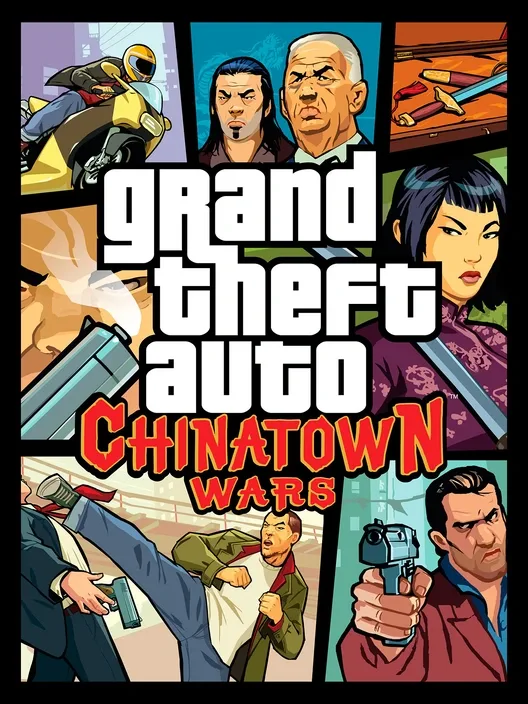
1. Grand Theft Auto: Chinatown Wars#
Rockstar Leeds released Grand Theft Auto: Chinatown Wars in March 2009, and it holds a Metacritic score of 93, the highest of any DS game on the aggregator. Seen from a top-down angle, Liberty City is a dense sandbox of car chases, drug dealing and police pursuit, with the touch screen used for hot-wiring cars, assembling weapons and handling the phone. The story follows Huang Lee, and the dealing minigame turns the map into a trading puzzle. It proved a full open-world crime game could run on a handheld. The main weakness is a top-down camera and simple visuals that leave the city less atmospheric than its console siblings, and the missions can repeat their formula.
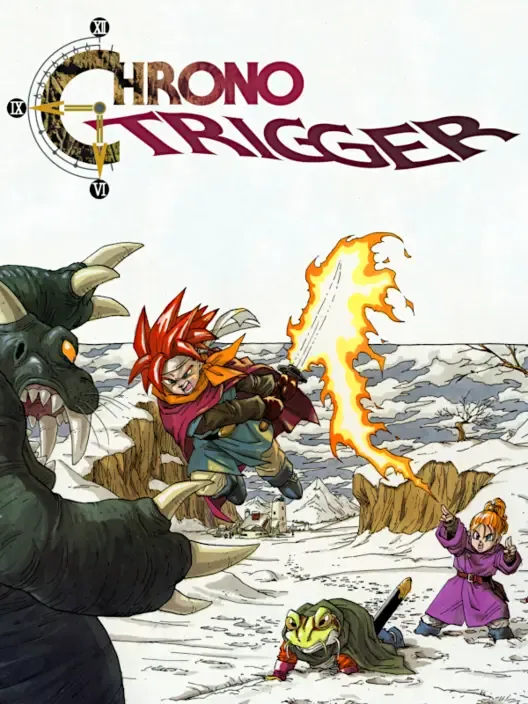
2. Chrono Trigger#
Square Enix released the DS version of Chrono Trigger in North America in November 2008, bringing the classic 1995 role-playing game to the handheld with a new translation and extra content. It holds a Metacritic score of 92. The time-travel story, active-time battles with combination techniques, multiple endings and the music of Yasunori Mitsuda remain some of the finest in the genre. The port adds a Lost Sanctum dungeon, an Arena of Ages mode and extra endings, and it moves the menus and map to the second screen. The additions are optional and less polished than the main game, and the visuals lose some of the original's sharpness on the small screens. It remains the most complete way to play the game on a handheld.
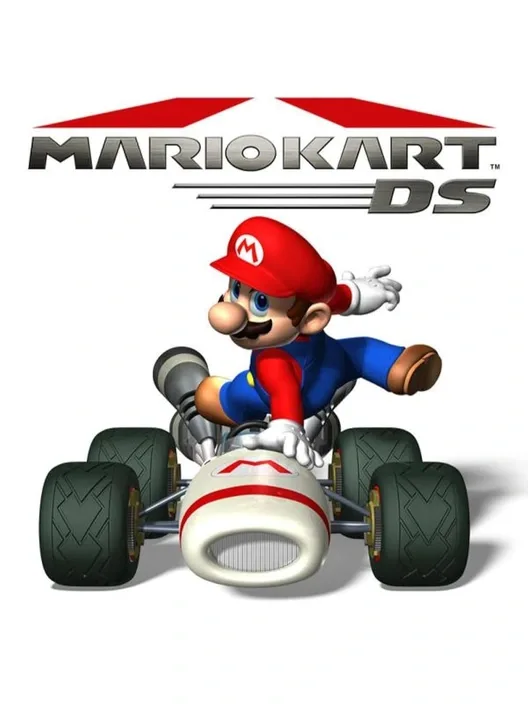
3. Mario Kart DS#
Nintendo released Mario Kart DS in November 2005, and it holds a Metacritic score of 91. It was the first Mario Kart with online play through Nintendo Wi-Fi Connection, letting up to four players race across the internet, and it collected tracks from all earlier games in the series. The mission mode adds objectives that break up the cups, the mini-turbo slide became a key skill for competitive play, and single-cartridge download play lets friends join without owning the game. Some reviewers found the individual missions forgettable. The online service that once supported it has long since closed, but the handheld game remains among the strongest kart racers ever made.
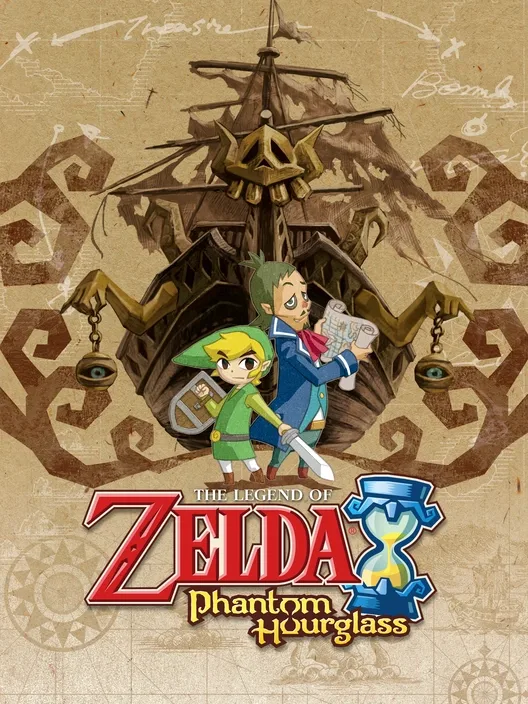
4. The Legend of Zelda: Phantom Hourglass#
Nintendo released Phantom Hourglass in October 2007, and it holds a Metacritic score of 90. It continues the story of The Wind Waker with Link controlled entirely by the stylus, so the player draws routes for the boat, swings the sword by slashing and marks the map by hand. Its central dungeon, the Temple of the Ocean King, must be revisited several times, with a timer that punishes mistakes. The touch controls were praised as a genuine reinvention for the handheld. The repeated visits to that temple became the game's most common complaint, and some found the sailing slow. It remains a strong example of how a series can be rebuilt around a new input method.
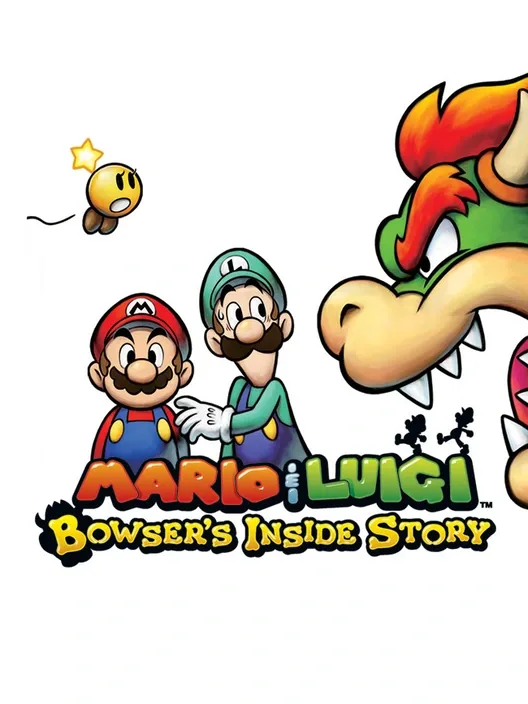
5. Mario & Luigi: Bowser's Inside Story#
Alphadream's Bowser's Inside Story reached North America in September 2009, and it holds a Metacritic score of 90. Mario and Luigi explore the interior of Bowser's body while Bowser fights on the surface, and the two halves of the game influence each other, with actions in one world changing the other. Battles use timed button presses for attacks and dodges, and Bowser can grow to giant size in special fights. The writing is consistently funny and the dual-screen structure is used with real imagination. The pacing slows in the middle chapters and the tutorials interrupt play. Many fans and critics regard it as the high point of the Mario & Luigi series.
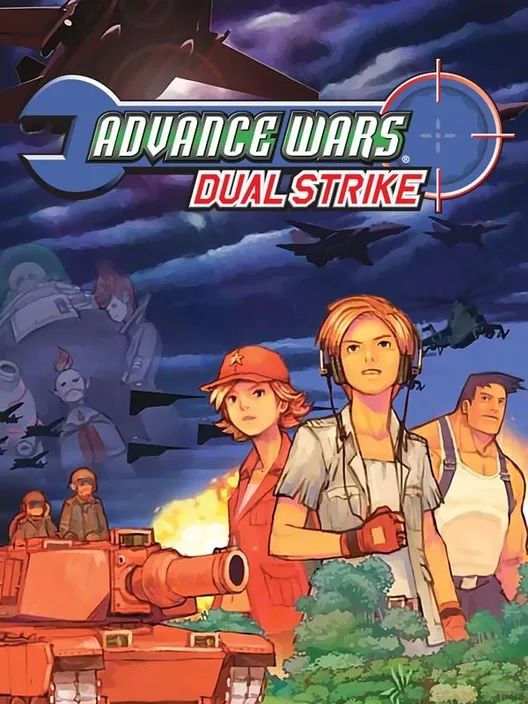
6. Advance Wars: Dual Strike#
Intelligent Systems released Advance Wars: Dual Strike in August 2005, and it holds a Metacritic score of 90. The turn-based strategy game uses both screens to run two battlefields at once, and its Commanding Officers can team up for a Tag Power. It offers a long campaign, a War Room mode with purchasable maps, a survival mode and a battle mode against friends. The mixture of accessible rules and deep tactics made it a benchmark for handheld strategy. Reviewers noted weak dialogue and some unbalanced Commanding Officers. It is still considered the peak of the series before the darker Days of Ruin.
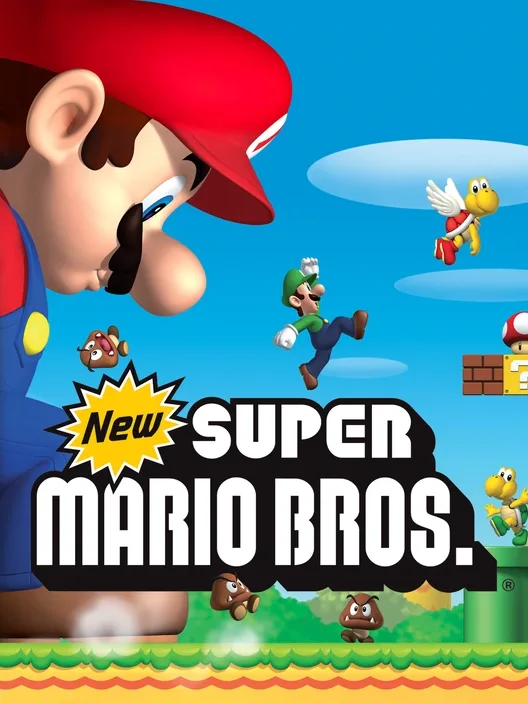
7. New Super Mario Bros.#
Nintendo released New Super Mario Bros. in May 2006 in North America, and it holds a Metacritic score of 89. It revived side-scrolling Mario after years of 3D games, with new power-ups such as the Mega Mushroom and the Mini Mushroom, a bright polygonal look and 80 levels across eight worlds. It also includes a set of touch-screen minigames and a Mario vs. Luigi mode. The game is a polished and accessible platformer, and its success set the template for later entries in the New Super Mario Bros. line. Its main flaw is that it is comparatively easy and plays it safe for anyone who knows the series.
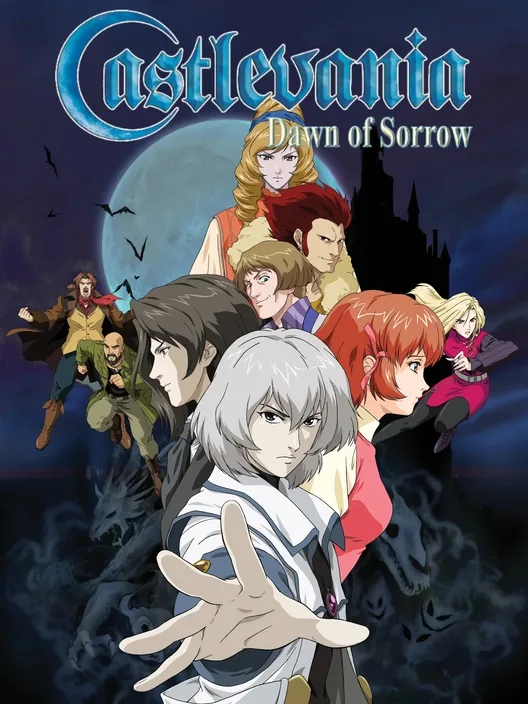
8. Castlevania: Dawn of Sorrow#
Konami's Castlevania: Dawn of Sorrow reached North America in October 2005, and it holds a Metacritic score of 89. It continues Aria of Sorrow with Soma Cruz and refines the explorative structure of Symphony of the Night, adding a soul-collecting system that lets players equip the powers of defeated monsters. The anime-influenced 2D art and a strong soundtrack helped make it a defining action-adventure for the DS. The touch-screen seal drawing used to finish bosses was criticized as a gimmick that is awkward to use mid-fight, and some of the grinding for rare souls is tedious. Konami TYO developed it under producer Koji Igarashi, and reviewers praised the depth of its Tactical Soul system. It is often cited as one of the best Metroidvania games on any handheld.
9. The World Ends with You#
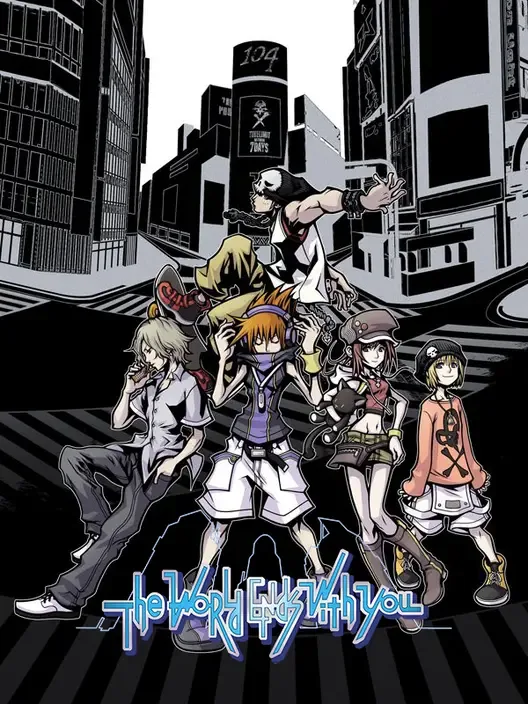
Square Enix released The World Ends with You in April 2008 in North America, and it holds a Metacritic score of 88. The story sends teenager Neku through a three-week Reapers' Game in Tokyo's Shibuya district, using both screens at once: on the bottom screen the player fights with the stylus, and on the top screen a partner is controlled with the D-pad. The pin-based abilities, the street-fashion setting and the soundtrack by Takeharu Ishimoto give it a strong identity. The two-screen combat is demanding and can overwhelm players who cannot split their attention. It was later ported to other platforms, and it remains a cult favorite.
10. Meteos#
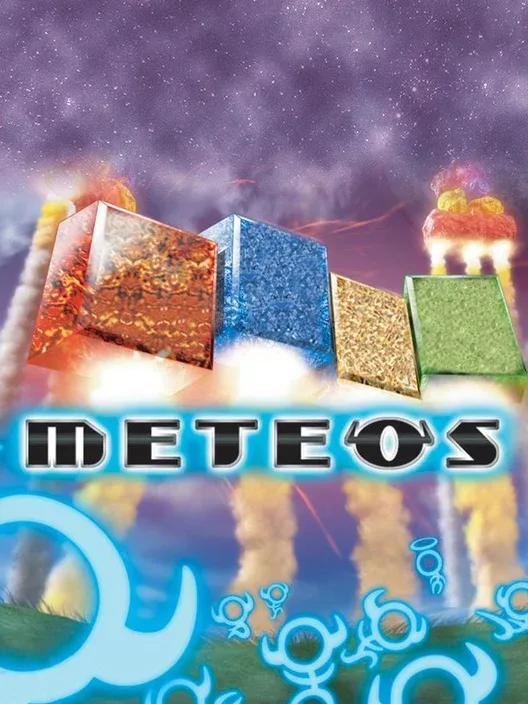
Meteos, from Q Entertainment and designed by Masahiro Sakurai, was released in June 2005 and holds a Metacritic score of 88. Instead of stacking falling blocks, the player slides blocks vertically and launches them into orbit by matching them, which makes each move a physics puzzle. The planets, each with different gravity and behavior, keep the game varied. The frantic pace can feel confusing at first and the rules are hard to grasp before the tutorial clicks. Its bright, stylized look and the sense of momentum make it one of the most original puzzle designs on the system. It has 32 playable aliens, each with its own planet, and it won the Outstanding Performance Award at the 9th CESA Game Awards and DS Puzzle Game of the Year from both IGN and GameSpy for 2005.
11. Pokémon HeartGold and SoulSilver#
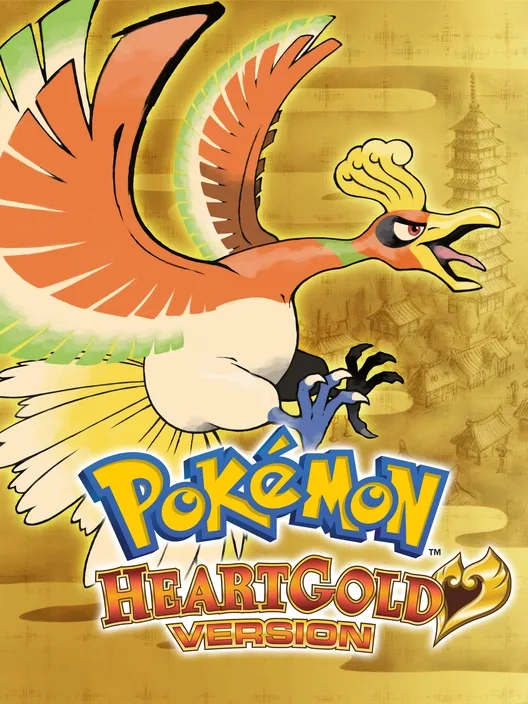
Game Freak released Pokémon HeartGold and SoulSilver in Japan in 2009 and in North America in March 2010, and each holds a Metacritic score of 87. They remake the second generation, sending the player back to the Johto and Kanto regions with updated graphics, touch-screen menus and the Pokéwalker, a pedometer accessory that came with the game. The follower system, in which the first Pokémon in the party walks behind the player, added personality. The games are famed for including both Johto and Kanto, giving the player 16 gym badges to collect. The pacing is slow at the start and the difficulty is easy for veterans, but the pair is commonly ranked among the best Pokémon games ever released.
12. Pokémon Black and White#
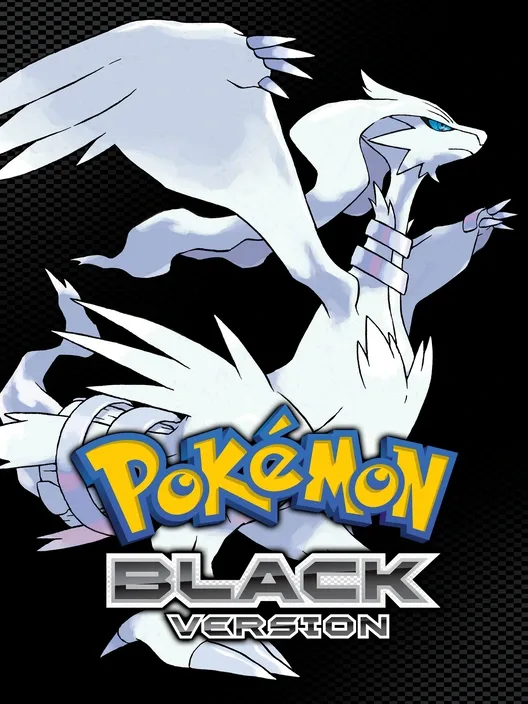
Game Freak released Pokémon Black and White in 2010 in Japan and March 2011 in North America, and Black holds a Metacritic score of 87. The fifth generation reset the series with 156 new Pokémon and no older creatures until the post-game, and it delivered a heavily story-driven adventure; Famitsu gave the pair a perfect 40/40, its highest score for any Pokémon game up to then. Seasons change the environment, animated battles brought life to the sprites, and triple and rotation battles added variety. The linear route design and the lack of familiar Pokémon put some players off, and the games are slow at times. Its story and presentation make it a standout entry for the DS.
13. Dragon Quest IX: Sentinels of the Starry Skies#
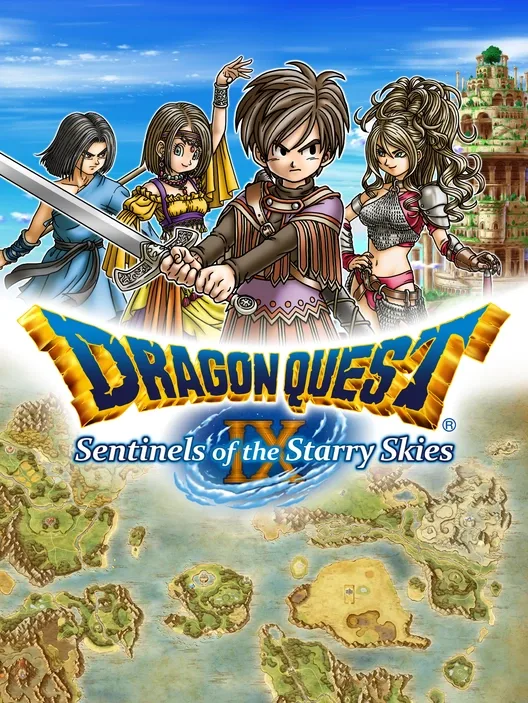
Level-5 developed Dragon Quest IX, which Nintendo published in North America in July 2010, and it holds a Metacritic score of 87. It moved the series onto a handheld with a party of custom characters, a vocation system with many classes and a large quest log. The game's multiplayer mode supports local multiplayer for exploring together, and the Tag Mode, which exchanged data with passing players, ran while the DS was in sleep mode and inspired the 3DS StreetPass feature. The story is simpler than in the numbered series' best entries and the post-game grinding is heavy. It remains one of the most content-rich role-playing games on the system. It was the first Dragon Quest to earn a perfect Famitsu score, and it sold about 5.3 million copies by the end of 2010, then the best-selling entry in the series. Japan got it in July 2009, a year before the West.
14. The Legend of Zelda: Spirit Tracks#
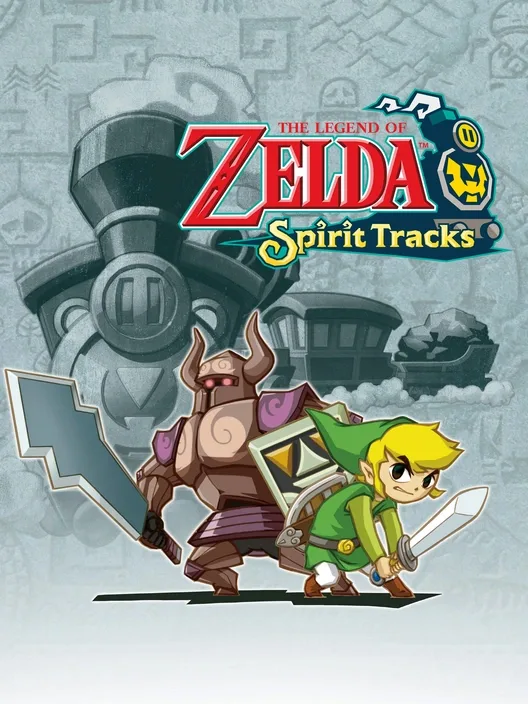
Nintendo released Spirit Tracks in December 2009 in North America, and it holds a Metacritic score of 87. Link drives a train across a new Hyrule, and Princess Zelda's spirit can possess the Phantom guardians in the Tower of Spirits, letting the player solve puzzles by directing two characters. The touch controls for the train, the flute played with the microphone and the smoother dungeon structure improved on Phantom Hourglass. The game follows the series formula closely and the flute controls can be imprecise. It is a well-crafted, accessible entry that some critics considered more refined than its predecessor. Nintendo EAD developed it, and it reached Japan on December 23, 2009. Unlike Phantom Hourglass, the Tower of Spirits lets players climb to new floors rather than repeatedly retracing the same route.
15. Elite Beat Agents#
Elite Beat Agents, released in North America in November 2006, holds a Metacritic score of 87. Developed by iNiS as the Western version of the Japanese Osu! Tatakae! Ouendan, it has the player tap and slide the stylus in time with pop songs while a group of dancing agents helps people in trouble. The story scenes are absurd and warm, and the 19-song list features cover versions of pop hits by artists such as Avril Lavigne, Madonna and David Bowie. The rhythm game showed how well the touch screen could work for music. It sold poorly, with only about 179,000 copies in North America by January 2009, despite IGN naming it DS Game of the Year for 2006. The original Japanese game is also highly regarded.
16. Professor Layton and the Unwound Future#
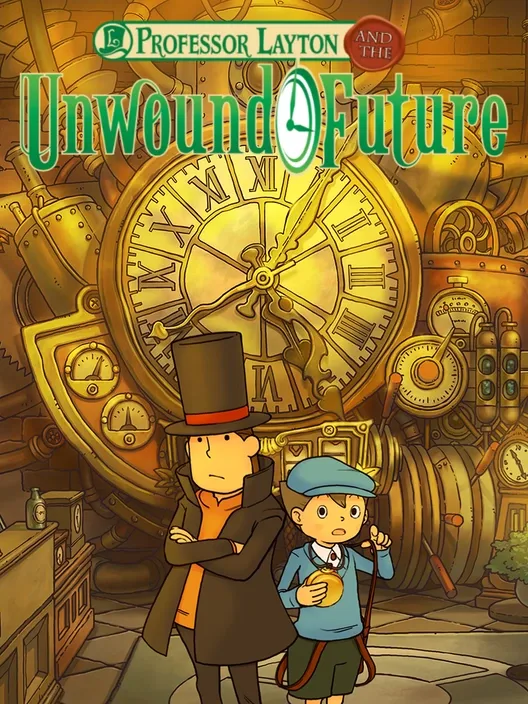
Level-5's Unwound Future reached North America in September 2010, and it holds a Metacritic score of 86. It is the third game in the series, wrapping up the first trilogy with a time-travel story set in a London of the future, with well-designed puzzles and a strong soundtrack. The story's ending is emotionally resonant, centering on Claire, a figure from Layton's past. Japan received it in November 2008. Some puzzles are obscure or rely on wording, and the story tips into implausible territory near its end. Nintendo Power called it the best Layton game yet and named it Best Puzzle Game of 2010.
17. Advance Wars: Days of Ruin#
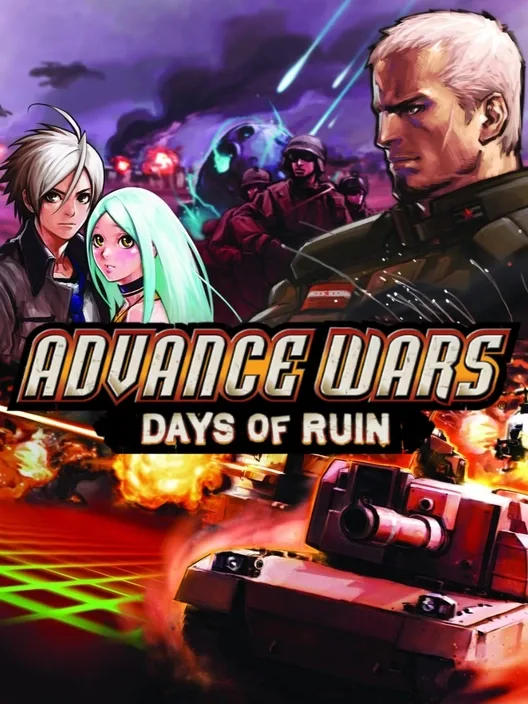
Intelligent Systems released Advance Wars: Days of Ruin in January 2008 in North America, and it holds a Metacritic score of 86. It takes a darker tone after a meteor strike leaves the world ruined, with a gritty art style and a story about survivors rather than cheerful Commanding Officers. The strategy underneath is sharp, with new units and a revised balance, and the game adds online play through Nintendo Wi-Fi Connection. Fans of the earlier games were divided by the tonal change and the shift away from the colorful look. IGN named it the Best Online Multiplayer Game of 2008 on the DS, and players could download community-made maps. The meteor strikes in the story wipe out most of humanity, and the game follows the survivors of the Rubinelle 12th Battalion as they rebuild.
18. Animal Crossing: Wild World#
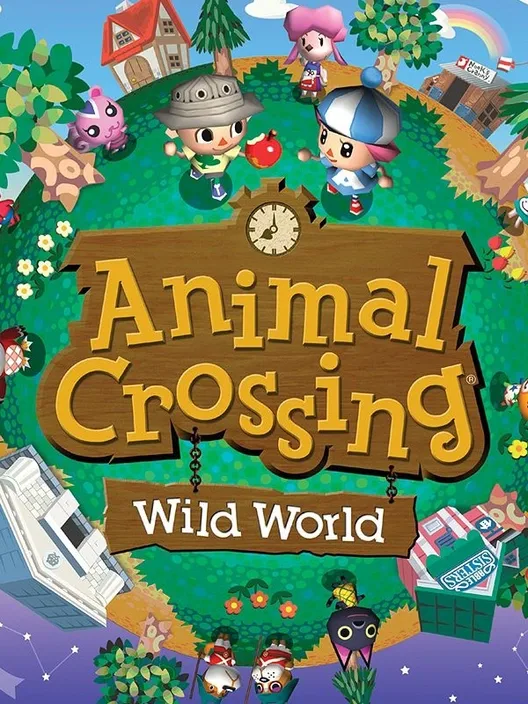
Nintendo released Animal Crossing: Wild World in December 2005 in North America, and it holds a Metacritic score of 86. It brought the life-simulation series to a handheld with online visits through Wi-Fi, so friends could travel to each other's towns. The game follows the real-time clock, and villagers, shops and events change with the season and time of day. Fishing, bug catching, decorating and gossiping fill each visit. It is a gentle game with little challenge, the routine can feel repetitive, and the online features were later closed. Its pocket-sized, daily rhythm made it a defining game for casual players on the DS. It sold about 11.75 million copies worldwide, and its Japanese opening week of 325,460 units was a DS record at the time. Villagers, shops and events shift with the console's clock and calendar, so the seasons change the activities available.
19. Mario & Luigi: Partners in Time#
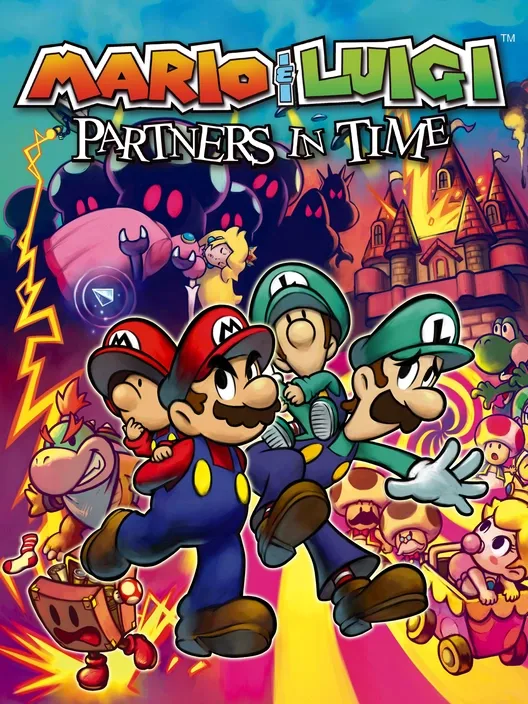
Alphadream's Partners in Time reached North America in November 2005, and it holds a Metacritic score of 86. It pairs adult Mario and Luigi with their baby selves in a time-travel role-playing game, and the four characters are controlled with the four face buttons. The timed-attack battle system carries over from the Game Boy Advance original and is given a new layer with Bros. Attacks involving the babies. The humor is sharp and the writing is charming. The game can be confusing to control and its pacing drags at times. It remains an appealing role-playing game and paved the way for Bowser's Inside Story. IGN gave it 9/10 and an Editors' Choice Award, and Eurogamer called the visuals utterly lovely, though GameSpot noted that the self-referential humor was less prevalent than in the first game.
20. Kirby: Canvas Curse#
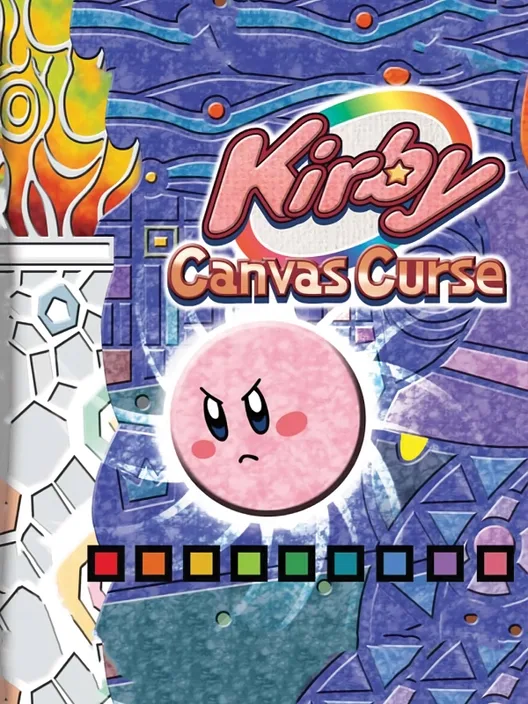
HAL Laboratory's Kirby: Canvas Curse arrived in June 2005 and holds a Metacritic score of 86. Kirby is turned into a ball and the player guides him entirely with the stylus by drawing rainbow lines for him to roll along, tapping him to dash and stunning enemies with taps. The watercolor look and the tightly designed levels made it one of the first games to prove the touch screen could carry a whole design. The stylus-only control means the hand covers the screen. 1UP.com called it the DS's first great game, and IGN called the stylus gameplay incredibly innovative. It became the top-selling DS game in North America in July 2005.
21. Might & Magic: Clash of Heroes#
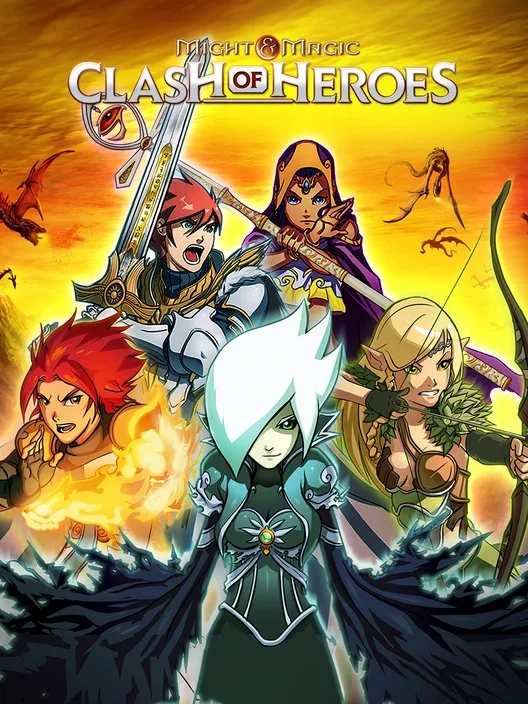
Might & Magic: Clash of Heroes appeared on the DS in December 2009, published by Ubisoft, and its DS edition holds a Metacritic score of 86. It blends role-playing and puzzle mechanics: the player arranges colored units in columns and rows to attack, defend and combine, in a campaign that follows several heroes. The layers of strategy behind the simple grid rules make it deeper than it first appears. Developed by Capybara Games, it was praised by Edge as a bold, brilliant transformation of the series. It later reached PS3, Xbox 360 and PC in HD versions in 2011, and received a full Definitive Edition remake in 2023.
22. Professor Layton and the Curious Village#
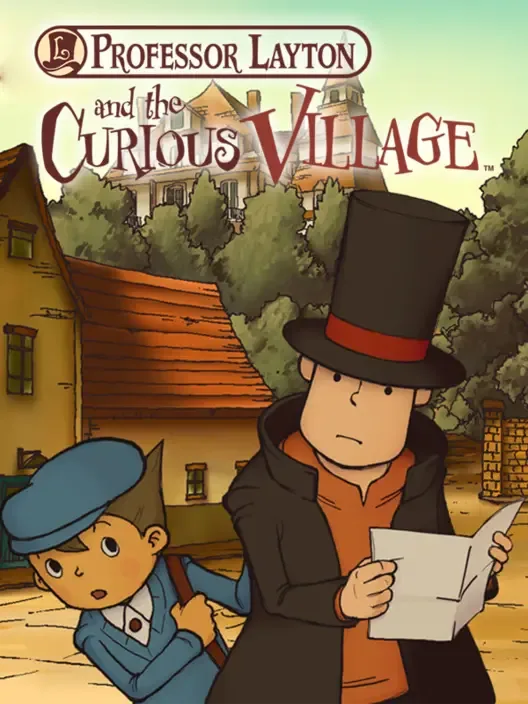
Level-5's Professor Layton and the Curious Village reached North America in February 2008, and it holds a Metacritic score of 85. It introduced the gentleman scholar and his apprentice Luke, sending them to a village where puzzles are embedded in every corner of the mystery. The presentation, with European-style art and animated cutscenes, gave the series its identity. The puzzles are mostly clever and fair, and a hint system helps players who get stuck. Some reviewers felt the main plot's mysteries were practically solved for the player. It started a franchise that became one of the DS's signature series, and it sold about 3.17 million copies worldwide.
23. Castlevania: Order of Ecclesia#
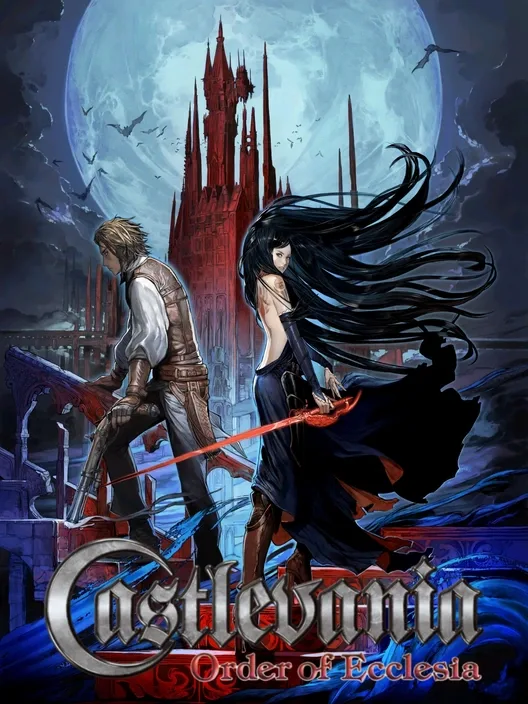
Konami's Castlevania: Order of Ecclesia was released in October 2008 in North America, and it holds a Metacritic score of 85. Heroine Shanoa uses a glyph system to absorb weapons and spells, and the game has more than 100 glyphs in all, plus it is the first canonical Castlevania without the Vampire Killer whip. One critic called it action-RPG Castlevania at its best, and Shanoa was widely praised as a strong female lead. Some critics found that excessive side quests detracted from the experience.
24. Castlevania: Portrait of Ruin#
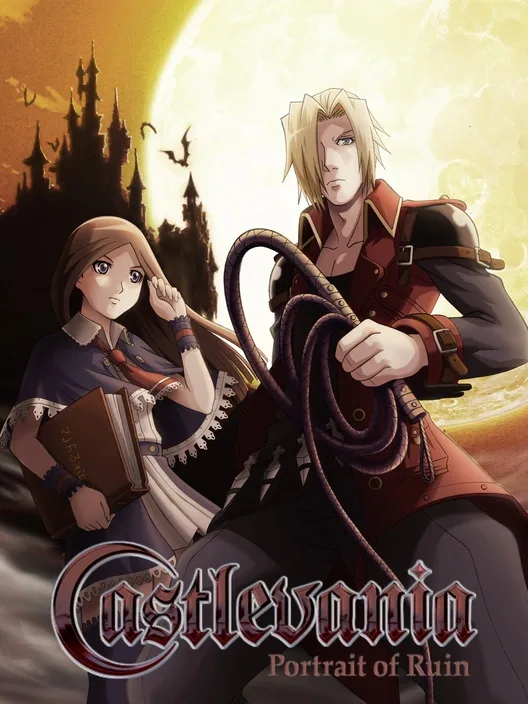
Konami released Castlevania: Portrait of Ruin in December 2006, and it holds a Metacritic score of 85. The game gives the player two protagonists, Jonathan Morris and Charlotte Aulin, who can swap or team up, and it was the first Castlevania with cooperative multiplayer, including online play over Nintendo Wi-Fi Connection. Critics praised the eclectic soundtrack and saw the two-character system as an improvement over its predecessor. Konami both developed and published it, and it returned in the 2024 Castlevania Dominus Collection. It is included here as a strong Metroidvania from the DS era.
25. Super Mario 64 DS#
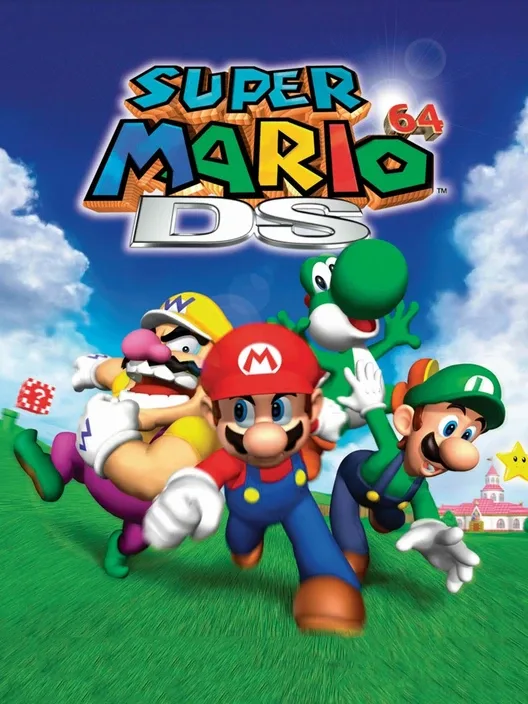
Nintendo released Super Mario 64 DS at the launch of the system in November 2004, and it holds a Metacritic score of 85. The remake adds Yoshi, Luigi and Wario as playable characters, 30 extra stars and a set of minigames on the touch screen, alongside a multiplayer battle mode. The 3D was impressive for a handheld at the time. Reviewers commonly criticized the lack of an analog stick, and the touch-screen controls took adjustment compared with the original. It is best treated as a showcase of what the DS could do rather than a replacement for the original. It has sold about 11 million copies worldwide, making it one of the best-selling DS games.
26. Metroid Prime Hunters#
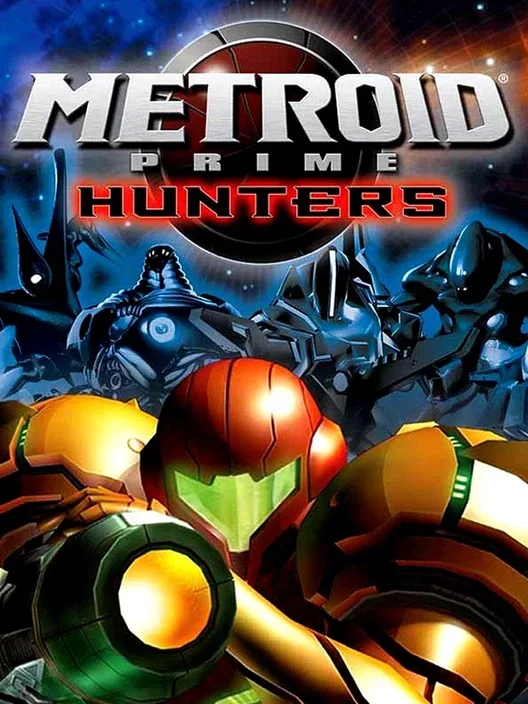
Metroid Prime Hunters, developed by Nintendo Software Technology, reached North America in March 2006 and holds a Metacritic score of 85. It is a first-person shooter starring Samus Aran and rival bounty hunters, and it uses the D-pad for movement and the stylus for aiming. The multiplayer supported up to four players over Nintendo Wi-Fi Connection and was a highlight. IGN found the controls had a high learning curve and could be cramp-inducing. IGN also gave it an Editors' Choice award and named it its Best DS Action Game of 2006.
27. Tetris DS#
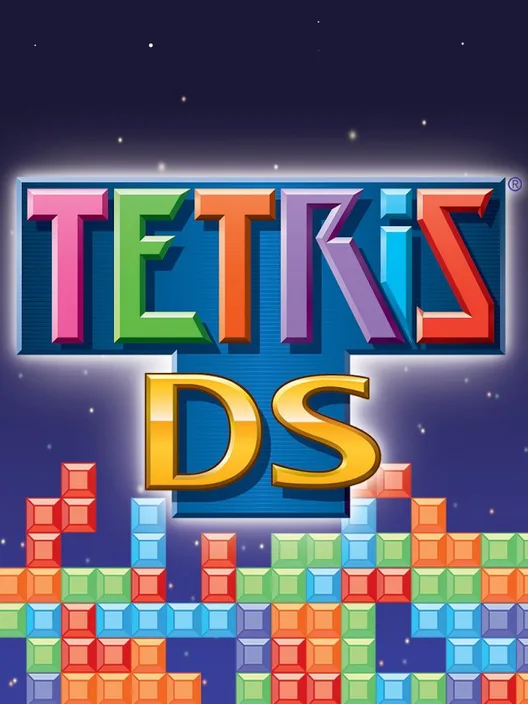
Nintendo released Tetris DS in March 2006, and it holds a Metacritic score of 84. It offers several themed modes based on Nintendo franchises such as Super Mario Bros., The Legend of Zelda and Metroid, together with a standard mode and a touch-screen puzzle mode. Online play through Nintendo Wi-Fi Connection let players compete across the world, and local play supported up to ten players. GameSpot gave it 7.5/10, noting minor, obvious mistakes, but GamePro called it easily one of the best DS games to date. It sold about 2.05 million copies worldwide by July 2007.
28. Professor Layton and the Diabolical Box#
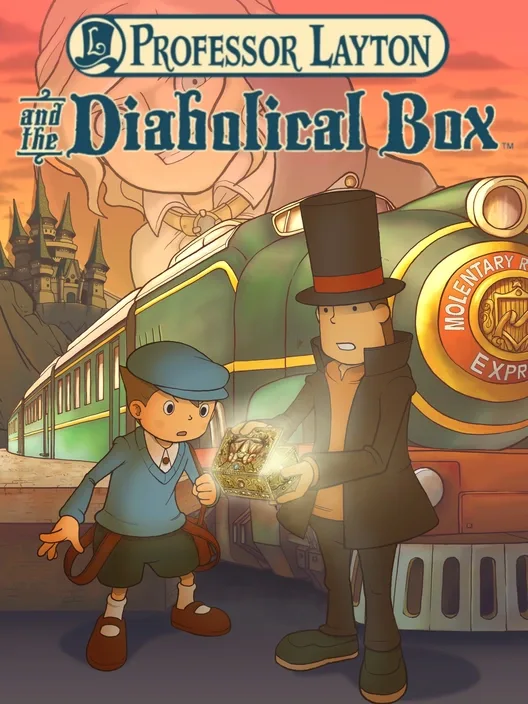
Level-5's Professor Layton and the Diabolical Box reached North America in August 2009, and it holds a Metacritic score of 84. It sends Layton and Luke aboard a train to investigate the theft of a box said to kill whoever opens it. The series' formula of hand-drawn art, animated scenes and hint coins is intact. Reviewers such as 1Up saw it as a refinement of the first game, so it changes little about the formula. It is a safe recommendation for fans of the first game. Level-5 developed it and Nintendo published it; it launched in Japan in November 2007 and had sold over 1.26 million copies worldwide by September 2009.
29. Ghost Trick: Phantom Detective#
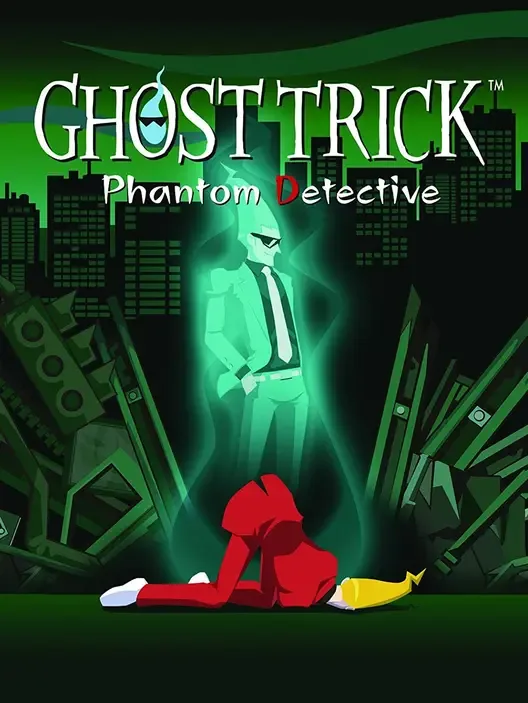
Capcom released Ghost Trick: Phantom Detective in North America in January 2011, and it holds a Metacritic score of 83. Directed by Shu Takumi, the creator of Phoenix Wright, it puts the player in control of a ghost who can possess objects and rewind time to four minutes before a person's death to change events. Critics praised its characters, art direction and storytelling, and were more divided on the puzzle design. It underperformed commercially in Japan, where it sold about 81,000 physical copies by December 2010. The mystery relies on heavy dialogue. A remaster reached modern platforms including Switch, PlayStation 4, Windows and Xbox One in June 2023.
30. Picross 3D#
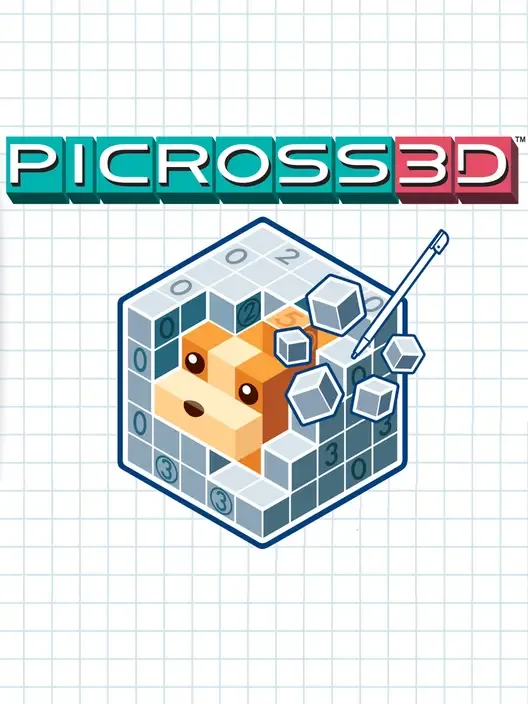
HAL Laboratory's Picross 3D was released in North America in May 2010, and it holds a Metacritic score of 83. It takes the number-clue logic puzzle into three dimensions: the player chips away blocks from a cube using the stylus, guided by numbers on each face, until a hidden shape is revealed. The main mode includes 350 puzzles, and five mistakes are allowed before a puzzle must be restarted. GameSpot gave it 8.5/10, while Nintendo Life scored it a more measured 7/10, calling it diverting and addictive. It reached Japan in March 2009, Europe in March 2010 and North America in May 2010.
31. Contra 4#
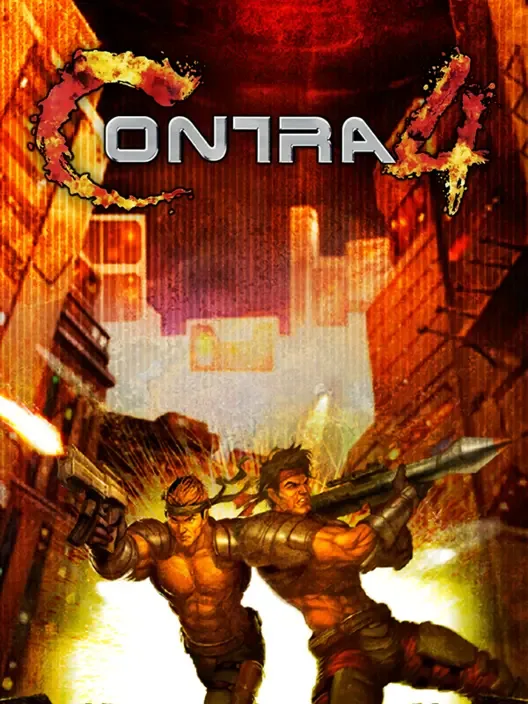
Contra 4, developed by WayForward and published by Konami in November 2007, holds a Metacritic score of 83. It brings the run-and-gun series back to its 2D roots, using both screens for tall stages and classic side-scrolling run-and-gun design. It offers three difficulties: Easy adds extra lives, Normal is described as being as difficult as the original Contra, and Hard adds tougher enemies and an alternate ending. Players can carry two weapons and use a grappling hook. IGN named it best action game and best revival of 2007. Its difficulty is uncompromising for newcomers.
32. Ninja Gaiden: Dragon Sword#
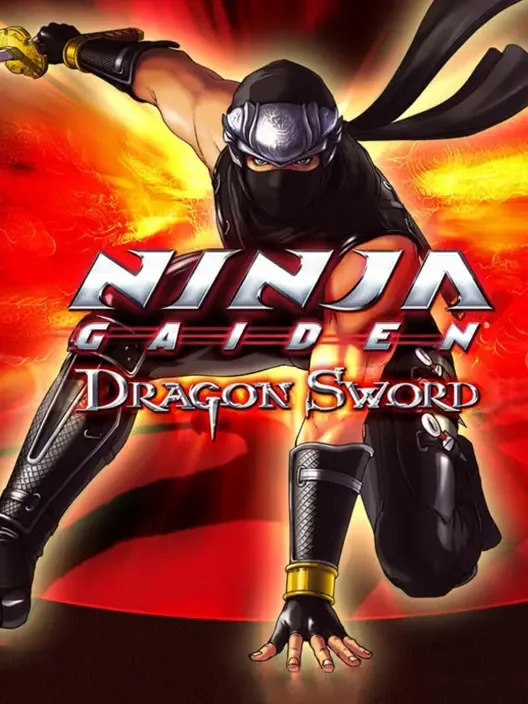
Team Ninja released Ninja Gaiden: Dragon Sword in March 2008 in North America, and it holds a Metacritic score of 83. The DS is held sideways like a book, and Ryu Hayabusa is controlled entirely with the stylus, drawing lines for sword slashes, holding to run and sliding upward to jump. Critics praised its visuals and intuitive controls, and IGN named it the best DS action game of 2008. The campaign runs about six to seven hours, which reviewers noted as a limitation compared with earlier series entries.
33. Rhythm Heaven#
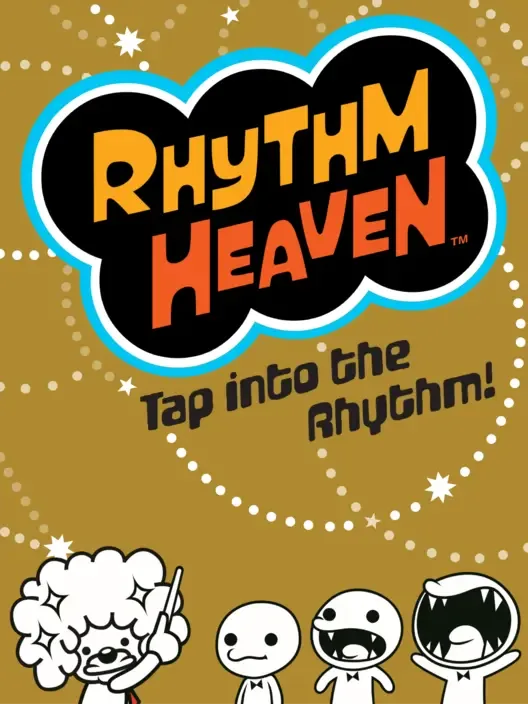
Nintendo released Rhythm Heaven in North America in April 2009, and it holds a Metacritic score of 83. The game collects fifty rhythm minigames across ten sets, in which the player taps and flicks the stylus in time with the music. The offbeat premise and catchy songs give it a light touch. Tsunku, the Japanese pop producer, and Masami Yone wrote the music, and Western versions re-recorded the vocals in English. It launched in Japan in July 2008, had sold about 3.04 million copies worldwide by December 2014, and both IGN and Wired scored it 9/10.
34. Nine Hours, Nine Persons, Nine Doors#
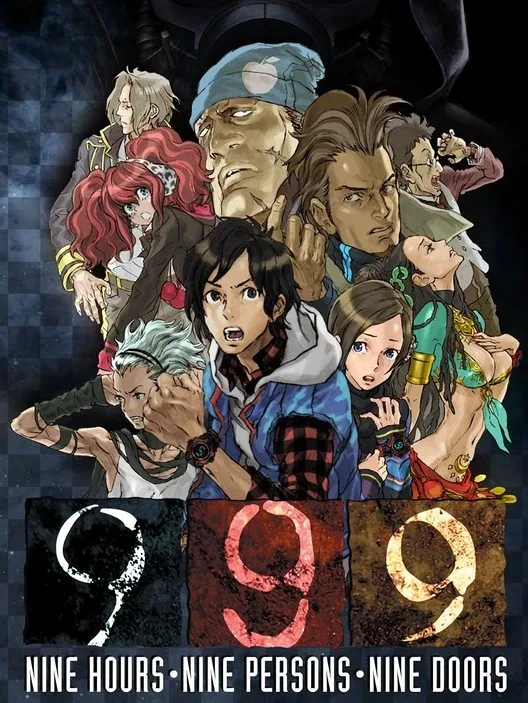
Chunsoft developed Nine Hours, Nine Persons, Nine Doors, which Aksys Games released in North America in November 2010, and it holds a Metacritic score of 82. Nine people are locked in a sinking ship and must solve escape-room puzzles while a story of secrets and trust unfolds, with the branching choices leading to multiple endings. It blends visual novel and escape-room puzzle design and is the first game in the Zero Escape series. IGN named it best story of 2010. The game asks for repeated playthroughs to reach its true ending and a lot of reading, which can feel slow, and some critics noted a tonal mismatch between the urgent situation and the lighthearted dialogue.
35. Puzzle Quest: Challenge of the Warlords#
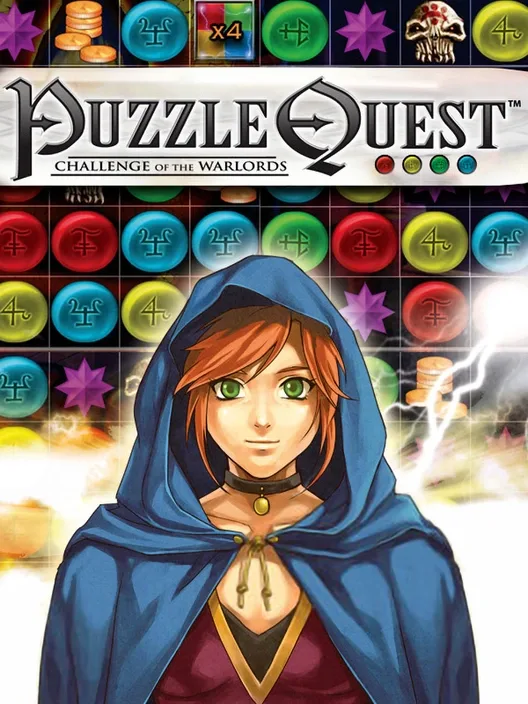
Puzzle Quest: Challenge of the Warlords, designed by Infinite Interactive and developed for the DS by 1st Playable Productions for D3 Publisher, reached the DS in March 2007, and it holds a Metacritic score of 82. It mixes a match-three puzzle game with a role-playing game, where each battle is a duel fought on a gem board and the player gains spells and levels. The genre fusion was widely praised as addictive. Nintendo Power criticized the enemy AI for executing moves with near-perfection, which can feel unfair, and the story is simple. It remains influential, spawning sequels and spin-offs such as Marvel Puzzle Quest.
36. Sonic Rush#
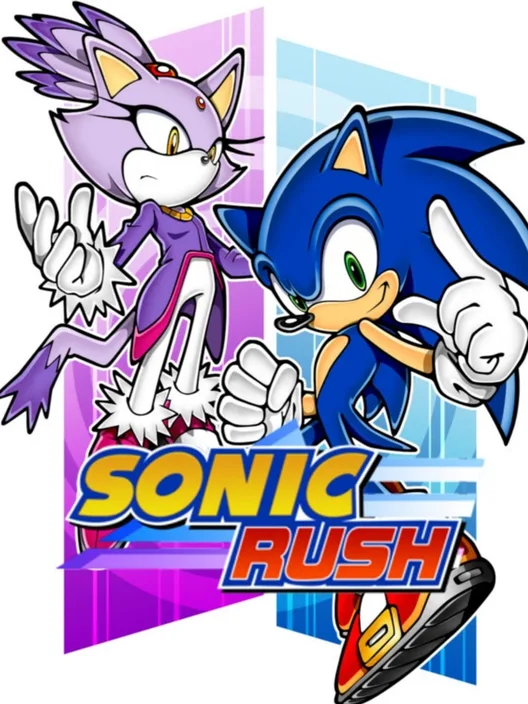
Sonic Team and Dimps released Sonic Rush in November 2005 in North America, and it holds a Metacritic score of 82. It is a fast 2D Sonic platformer that uses both screens, letting the player boost through loops and slopes, with a colorful presentation and a soundtrack by Hideki Naganuma. Blaze the Cat is a second playable character. Reviewers praised gameplay reminiscent of the earlier Sonic games, though one complained it is so fast you can barely tell what is happening. Blaze debuted here and returned in later games, and it became the ninth best-selling DS title in December 2006.
37. Okamiden#
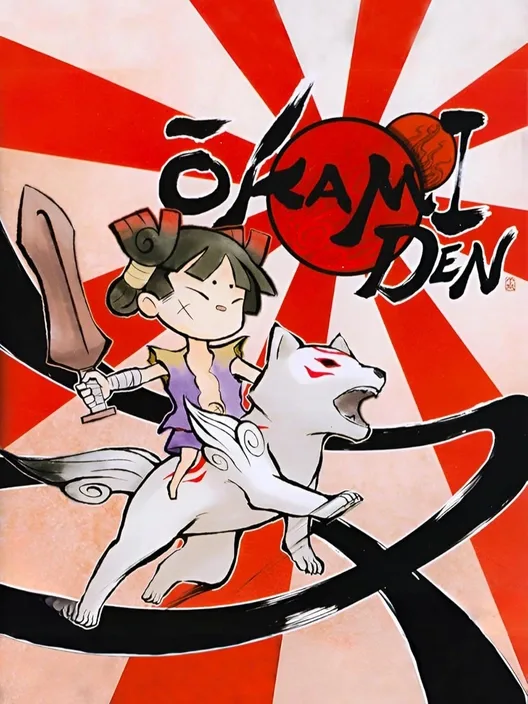
Capcom released Okamiden in March 2011 in North America, and it holds a Metacritic score of 82. It follows Chibiterasu, the son of Amaterasu from Okami, and it makes use of the Celestial Brush by drawing with the stylus on the touch screen. The watercolor art style is retained on the DS, and the cast of child-friendly companions gives the story warmth. Some reviewers noted that it covers many of the same story and gameplay elements as the original. It is a beautiful and heartfelt handheld adventure. It is set nine months after the original Okami, and a partner system lets Chibiterasu team up with companions such as Kuni and Nanami for exploration and combat. Capcom published it, with development by Mobile & Game Studio, and it launched in Japan on September 30, 2010, roughly five months before North America.
38. Henry Hatsworth in the Puzzling Adventure#
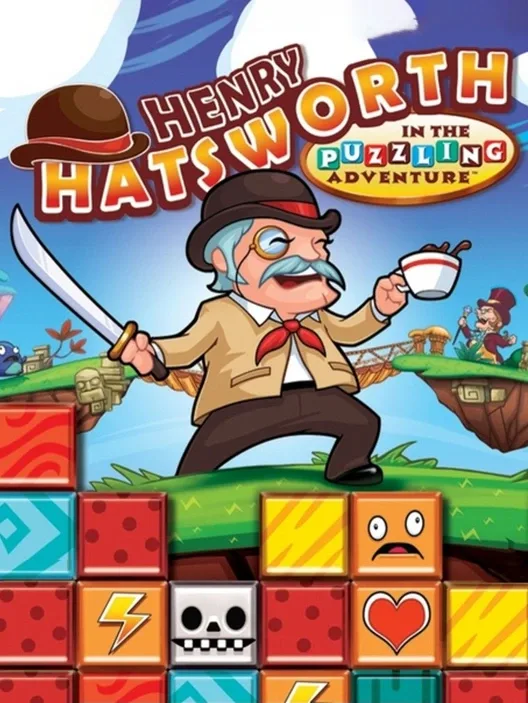
EA Tiburon released Henry Hatsworth in the Puzzling Adventure in March 2009, and it holds a Metacritic score of 82. It combines a side-scrolling platformer on the top screen with a block puzzle game on the bottom screen, in which defeated enemies turn into blocks that the player can clear to power up. The mix is unusual and charming, with a British explorer theme. The difficulty climbs steeply in the later worlds and the constant switching between screens takes skill. It earned a nomination for Outstanding Achievement in Portable Game Design from the Academy of Interactive Arts & Sciences. It began life as an Adobe Flash prototype called Monkey Business, and it launched in North America on March 17, 2009, with Europe following three days later. Reviewers found the blend of platforming and puzzling inventive, though some noted technical issues.
39. Phoenix Wright: Ace Attorney#
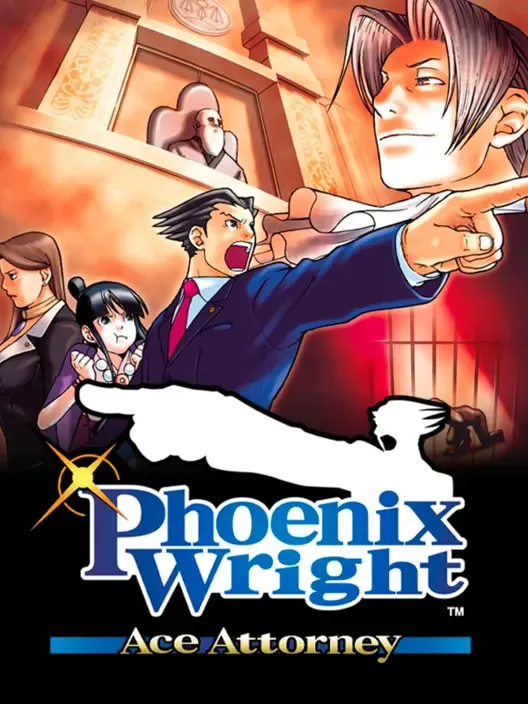
Capcom released the North American version of Phoenix Wright: Ace Attorney in October 2005, and it holds a Metacritic score of 81. The game turns the courtroom into an adventure, with the player questioning witnesses, gathering evidence and finding contradictions in testimony. Its writing, characters and twists made it a breakout hit for the DS. The gameplay is linear, and some critics felt it leans heavily on cutscenes. The DS release is a port of the 2001 Game Boy Advance game from Japan, and its North American release exceeded Capcom's expectations, with the third printing selling out within a week. Critics praised the writing and the feeling of accomplishment from solving cases, though some found the puzzles simple because testimony can be stopped at any point.
40. Fire Emblem: Shadow Dragon#
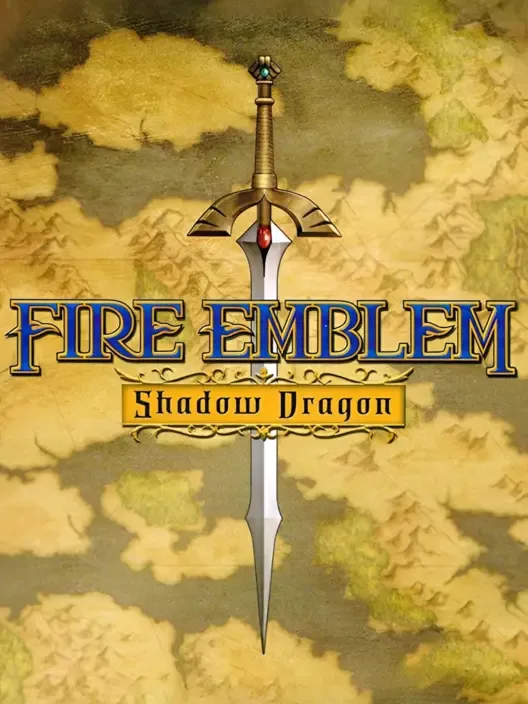
Intelligent Systems released Fire Emblem: Shadow Dragon in North America in February 2009, and it holds a Metacritic score of 81. It remakes the original Famicom Fire Emblem, bringing that first chapter to Western audiences for the first time, with a friendly tutorial and touch-screen controls. The game retains the tactical grid battles and permanent death of the series, along with online play. Its character development is thinner than in later games, and the story is simple. It is an accessible entry point for new players. It launched in Japan in August 2008, and Nintendo of America released it in February 2009, as the first time any form of the original Fire Emblem had been released outside Japan. Its extra difficulty options, tutorials and mid-battle save were added to welcome newcomers, and it introduced online multiplayer to the series through Wi-Fi Connection.
41. Yoshi's Island DS#
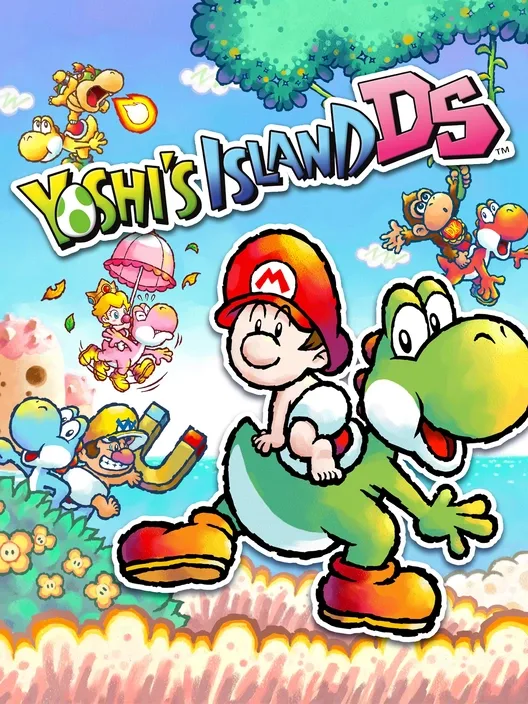
Artoon's Yoshi's Island DS reached North America in November 2006, and it holds a Metacritic score of 81. The sequel to the Super Nintendo classic lets the player carry several babies, each with a distinct ability, and use both screens for tall stages. The game keeps the crayon-like look of the original, and reaching 100% completion is a serious challenge. It has five babies, including Baby Peach's float and Baby Bowser's fireballs. GameSpot gave it an Editor's Choice award, but reviewers criticized the blind spot created by the gap between the DS screens and found Baby Wario's magnet unreliable. It sold 2.91 million copies worldwide by March 2008.
42. WarioWare: Touched!#
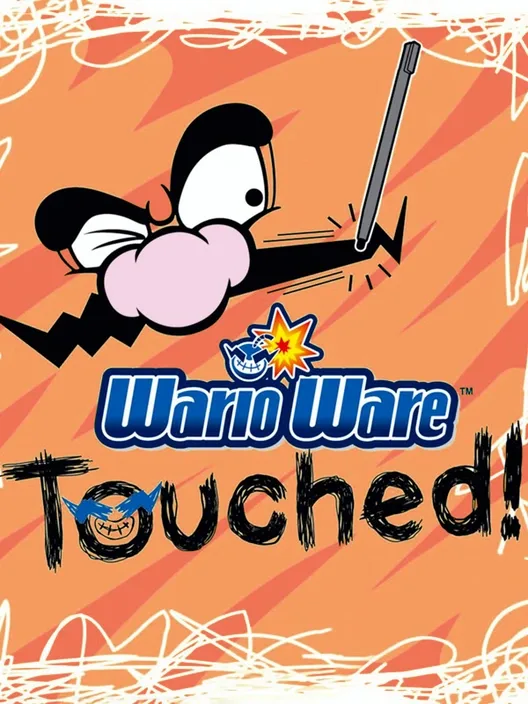
Nintendo released WarioWare: Touched! in February 2005, and it holds a Metacritic score of 81. It is a collection of microgames that each last a few seconds, and it uses only the touch screen and the microphone, from tapping and rubbing to blowing. It was an early demonstration of the system's touch screen and microphone. The games are quick and funny, but the experience can feel shallow over a long session. It remains a lively showcase of the hardware. It contains 180 microgames across nine themed stages, developed by Nintendo SPD and Intelligent Systems, and it launched in Japan in December 2004 before reaching North America in February 2005. Critics praised its visual variety, though some found it too short compared with earlier WarioWare games and opinions on the touch controls were split.
43. Super Scribblenauts#
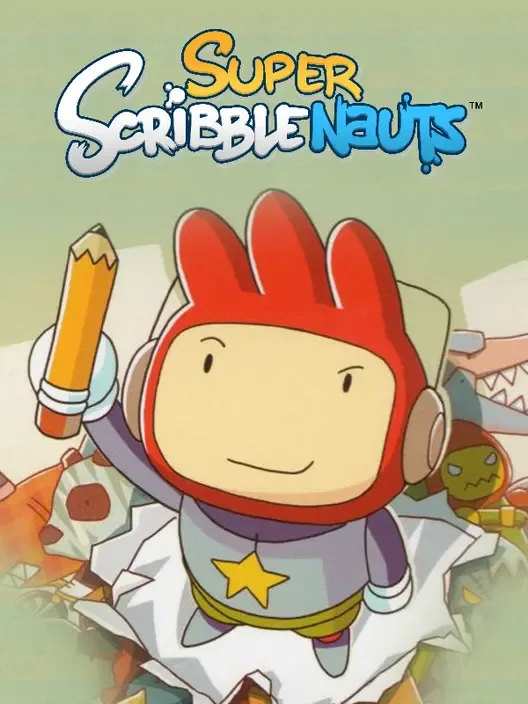
5th Cell developed Super Scribblenauts, published by Warner Bros. Interactive Entertainment, in October 2010, and it holds a Metacritic score of 81. The player writes words to summon objects that solve puzzles, and the sequel adds adjectives so a player can make a giant or a fiery version. It addresses the control problems of the first game. The creativity of the system is memorable. IGN gave it 9.0/10 for its imaginative fun and refined controls, while GameSpot gave it 6.5/10 and criticized restrictions on creativity and a lack of real-world logic. It was nominated for Outstanding Achievement in Gameplay Engineering at the 14th Annual Interactive Achievement Awards.
44. Shin Megami Tensei: Strange Journey#
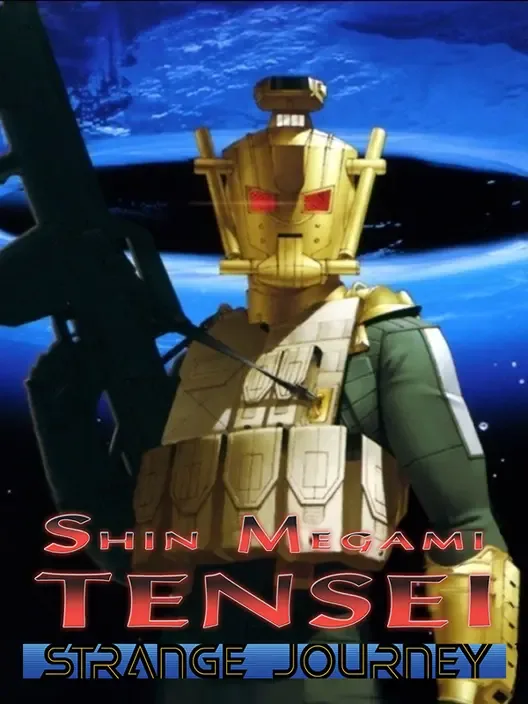
Atlus released Shin Megami Tensei: Strange Journey in North America in March 2010, and it holds a Metacritic score of 80. The player investigates a mysterious anomaly in Antarctica in a first-person dungeon crawler, negotiating with demons and fusing them into a party. The setting and atmosphere are memorable, and the difficulty is severe. The maze-like dungeons can be tedious without a guide, and the game is demanding. It is a rewarding pick for those who enjoy deep, dark role-playing games. It was co-developed by Atlus and Lancarse, the studio behind Etrian Odyssey, and released in Japan in October 2009. Famitsu scored it 36/40, the highest the magazine had given a Shin Megami Tensei game up to that time, and it features some 300 demons drawn from various mythologies.