
The Game Boy Advance, released in 2001, was Nintendo's 32-bit handheld, and it became a home for the finest 2D games of its era. Its library mixes original games with polished ports of Super Nintendo classics, and it hosts some of the best Metroid, Castlevania, Fire Emblem and Zelda games ever made, alongside a few multiplatform and Japan-only standouts. Each game is listed once, with no franchise appearing more than three times apart from the Nintendo classics that defined the system, and a handful of well-reviewed games that are not in the list, such as the Super Mario Advance ports, are best treated as honorable mentions.
1. The Legend of Zelda: A Link to the Past / Four Swords#
Released in 2002, this cartridge contains a port of the 1991 Super Nintendo classic together with the new multiplayer adventure Four Swords. A Link to the Past is one of the most influential adventure games ever made, with its light and dark worlds, its perfectly tuned dungeons and an overworld that set the template for later Zelda games. The Game Boy Advance version holds a Metacritic score of 95, among the highest of any game on the system. The screen is smaller and the sound is weaker than on the original, and Four Swords needs several players and link cables to shine, but the core game is undiminished. Its place in this ranking is a notch lower because it is a port.
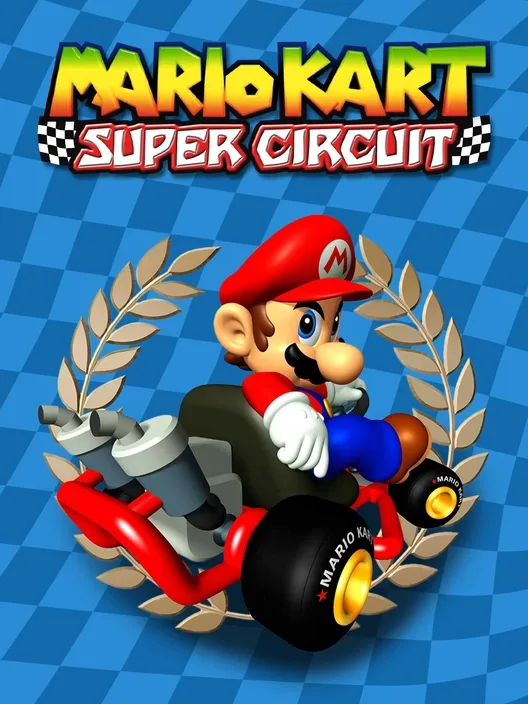
2. Mario Kart: Super Circuit#
Intelligent Systems developed Mario Kart: Super Circuit, one of the early games for the Game Boy Advance, released in Japan in July 2001 and in North America that August. It brought the series' item-based racing to the handheld with tight drifting and a generous amount of content, including all the tracks from the Super Nintendo original, which are unlocked by earning high grades on the new cups. It holds a Metacritic score of 93 and sold about 5.9 million copies, among the top sellers on the system. The sprite-scaled tracks look dated beside later entries, and the rubber-banding of the computer drivers can frustrate. Still, its multiplayer, playable from a single cartridge, made it a staple of shared handheld play for many players.
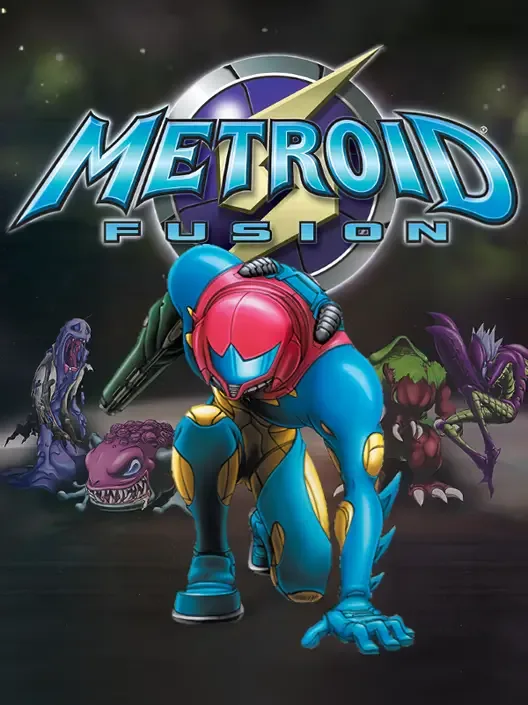
3. Metroid Fusion#
Nintendo R&D1 released Metroid Fusion in November 2002, and it turned the series into a tense, narrative-driven adventure with a horror streak. Samus, stripped of her powers by the X parasite, is hunted by the shape-shifting SA-X, a stalker that makes every corridor feel dangerous. The map is tightly guided by a computer voice, which keeps the pace brisk while still rewarding exploration with upgrades and secrets. It holds a Metacritic score of 92, one of the highest of any Game Boy Advance game, and it sold about 1.6 million copies. The main criticism is its linearity: the directives leave less room for wandering than Super Metroid, and it is relatively short. It remains the definitive handheld Metroid.
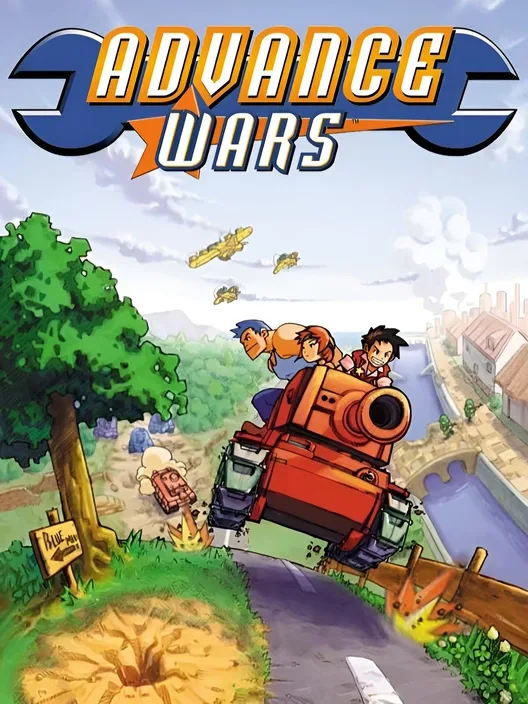
4. Advance Wars#
Intelligent Systems released Advance Wars in 2001, and its turn-based battles on small grid maps made strategy readable and addictive. Infantry, tanks and aircraft each have clear strengths, and the commanding officers with special powers add a layer of tactical surprise. The campaign teaches the rules gradually and then tests them without mercy. Advance Wars holds a Metacritic score of 92. The cartoon tone hides serious depth, although the campaign is short and the artificial intelligence can be predictable on lower difficulties. A map editor and a war room mode extend it well beyond the story missions, and its sequel built on it further.
5. Castlevania: Aria of Sorrow#
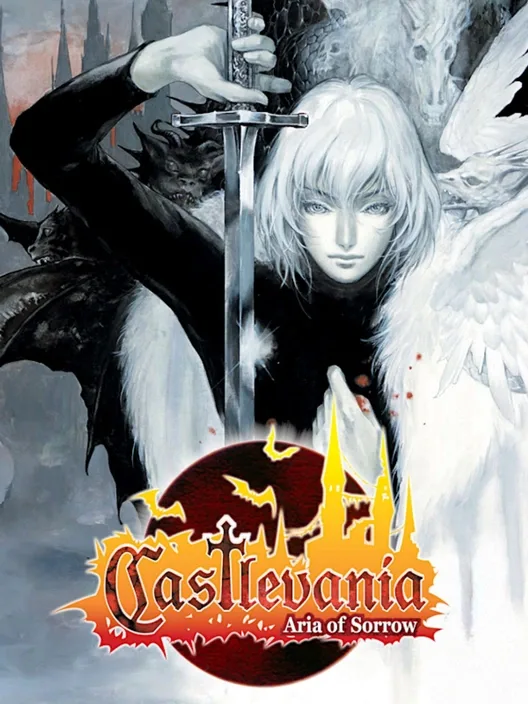
Konami released Aria of Sorrow in 2003, and it is widely regarded as the high point of the handheld Castlevania games. The Tactical Soul system lets Soma Cruz absorb the powers of defeated monsters, turning every enemy encounter into a chance for a new ability, and the near-future setting gave the series a fresh story. It holds a Metacritic score of 91 and GameSpy called it the best portable Castlevania game at the time. The castle map is well paced and the soundtrack is strong. Its weak points are a fairly short main story and a difficulty curve that flattens once the best souls are collected, but the depth of its collecting layer keeps players returning.
6. Golden Sun#
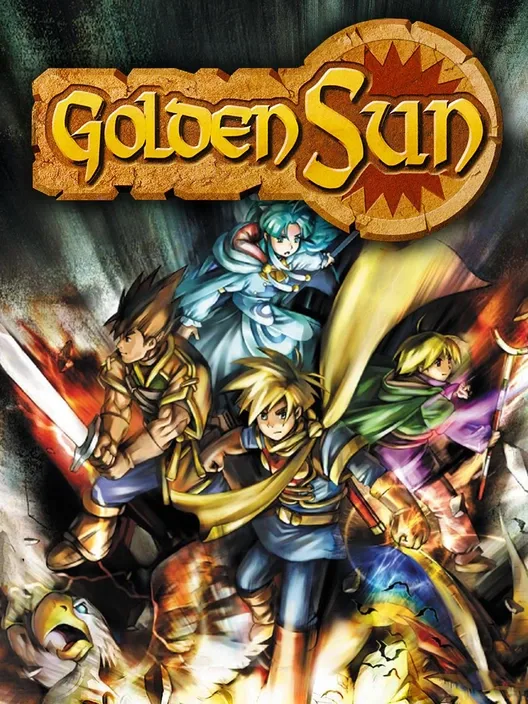
Camelot developed Golden Sun for Nintendo, and it arrived in 2001 as one of the most technically impressive role-playing games on the system. The Psynergy puzzles in its dungeons, the Djinn creatures that change a character's class and the lavish battle animations set it apart from other handheld role-playing games. It holds a Metacritic score of 91. The story ends on a cliffhanger, which pushes players straight into the sequel, and the random encounter rate can feel high in some areas. Even so, it remains a benchmark for what handheld role-playing games could look and sound like at the time.
7. Final Fantasy VI Advance#
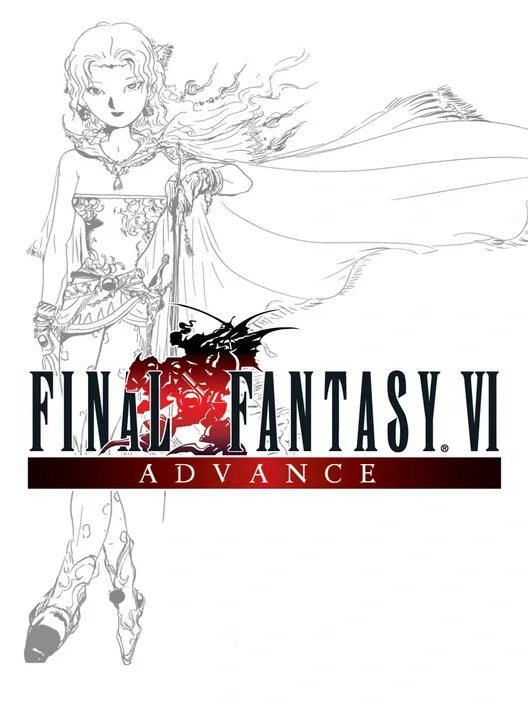
Square Enix released Final Fantasy VI Advance in 2006 as a port of the 1994 Super Nintendo role-playing masterpiece. Its large cast of playable characters, its operatic villain Kefka and a story that splits and reforms the party are still admired by critics and players. The port adds new espers, a bestiary and extra dungeons. It holds a Metacritic score of 92. The added content is uneven and the visuals are a step below the more colorful Super Nintendo original, but the core game is as strong as ever, and it is a fine way to carry the story around on the system.
8. Yoshi's Island: Super Mario Advance 3#
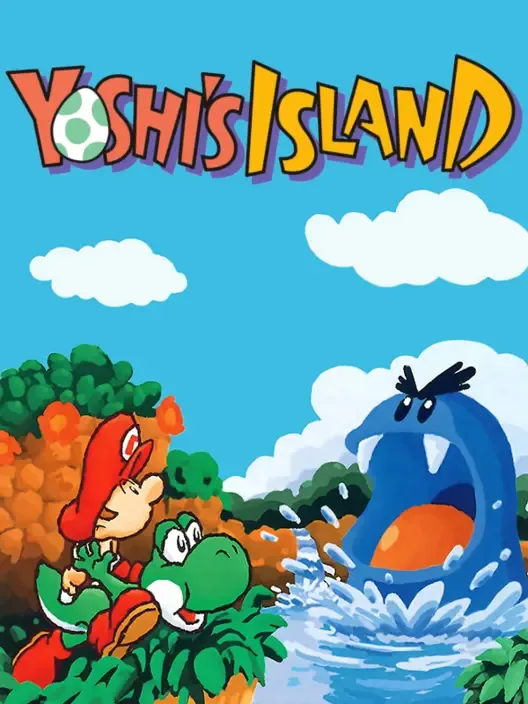
Nintendo released this port of the 1995 Super Nintendo game in 2002, with Yoshi carrying baby Mario through hand-drawn levels that bend and wobble with imagination. The mechanics of flutter jump, egg throwing and collecting stars for a perfect score give it remarkable depth for a platformer. The Game Boy Advance version holds a Metacritic score of 91. The visible screen area is reduced to fit the handheld's lower resolution, but the coloring-book look holds up well on the smaller screen. New bonus levels extend the game for players who have completed the original.
9. Castlevania: Circle of the Moon#
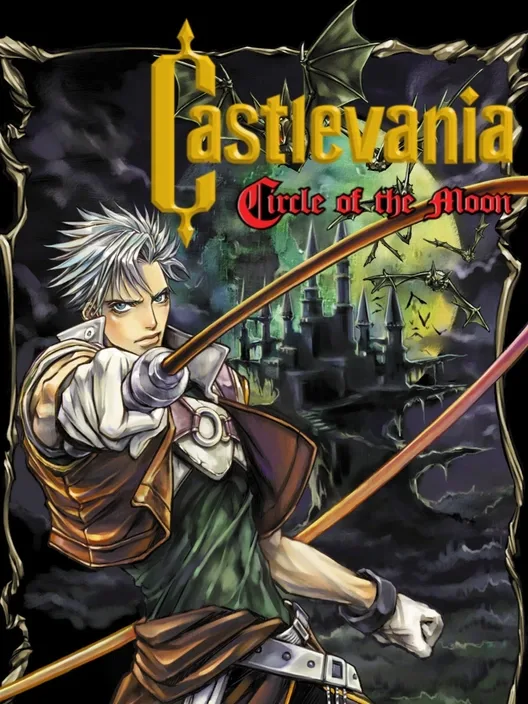
Konami's launch-window title for the Game Boy Advance in 2001 borrowed the exploratory structure of Symphony of the Night and added a card system whose combinations grant magic abilities. Nathan Graves whips through a castle whose map rewards backtracking. It holds a Metacritic score of 91. The screen is dark on the original hardware, and the controls are slightly stiff, which drew complaints, but the sense of adventure is strong. It marked the beginning of the series' run of handheld successes.
10. Mario & Luigi: Superstar Saga#
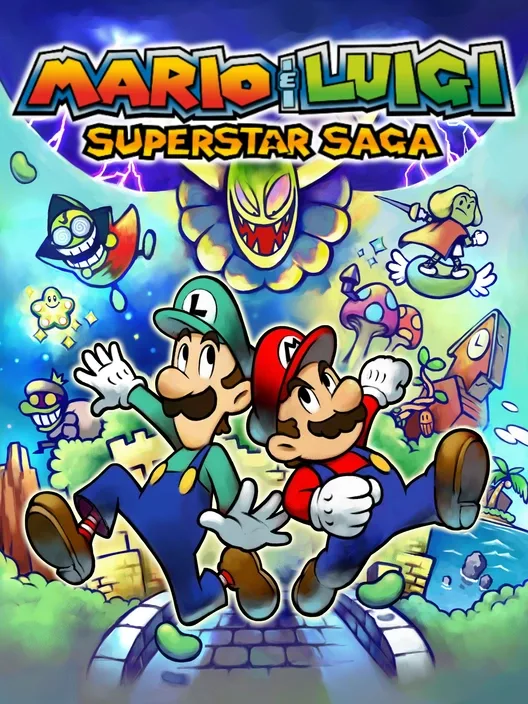
Released in 2003 and developed by AlphaDream, Superstar Saga launched a beloved role-playing series. The two brothers are controlled with separate buttons, both in the field and in turn-based battles that reward well-timed button presses on every attack and dodge. Its humor, especially the dialogue around the villain Cackletta and the Beanbean Kingdom, is unusually sharp for Nintendo. It holds a Metacritic score of 90 and sold about 2.15 million copies. The pacing slows in the middle chapters, and some of the puzzle sections lean on repeated mechanics, but the writing and battle system remain a high point of Mario role-playing games.
11. The Legend of Zelda: The Minish Cap#
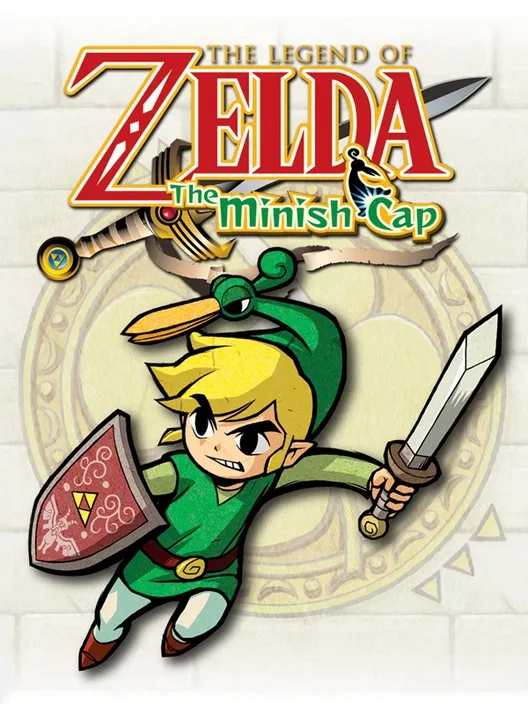
Capcom's Flagship studio developed The Minish Cap with Nintendo, released in Japan and Europe in 2004 and in North America in 2005. Link can shrink to the size of a mouse with the help of a talking hat, so ordinary gardens and houses become tiny dungeons and vast landscapes, and the Kinstone fusion system rewards talking to everyone. Its Metacritic score is 89, and it is regularly ranked among the best portable Zelda games. The art is bright and detailed and the dungeons are inventive. The main criticisms are that it is on the easy side and relatively short for a Zelda. Even so, it stands as one of the most charming entries in the series.
12. Metroid: Zero Mission#
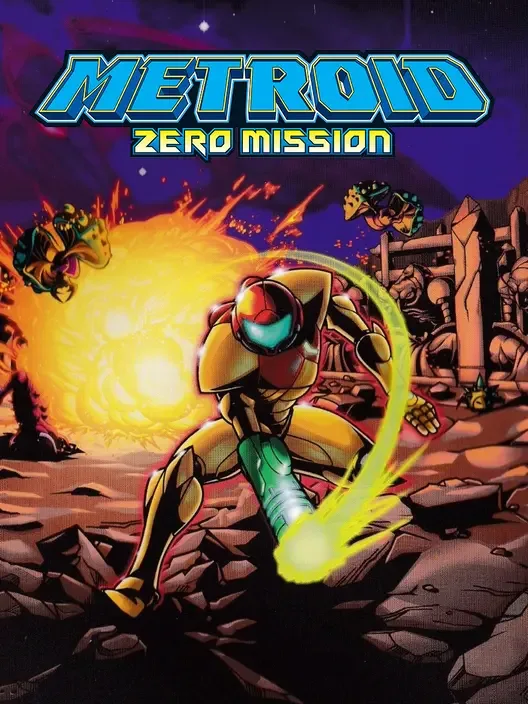
Released in 2004 by Nintendo R&D1, Zero Mission is a full remake of the original 1986 Metroid with a modern map, new abilities and a newly added stealth chapter. It keeps the exploration of the first game but adds the smooth controls of Fusion. It holds a Metacritic score of 89. The game is very short, and a first run can be completed in only a few hours, but the unlockable extras and the harder difficulty add value. As an introduction to the series it is hard to beat, and it is a compact, polished treat.
13. Mother 3#
Brownie Brown and HAL Laboratory developed Mother 3, released in Japan in April 2006 after a development period of about twelve years across several consoles. Writer Shigesato Itoi delivered a surprisingly emotional story about a rural village transformed by modernization, with a quirky cast and a score by Shogo Sakai. Famitsu awarded it 35 out of 40. It was never released officially outside Japan, but a fan translation from 2008 introduced it to a global audience. Its combat relies on 1990s role-playing design that feels dated, though a rhythm-based combo system adds flavor, and the story remains its greatest strength.
14. WarioWare, Inc.: Mega Microgame$!#
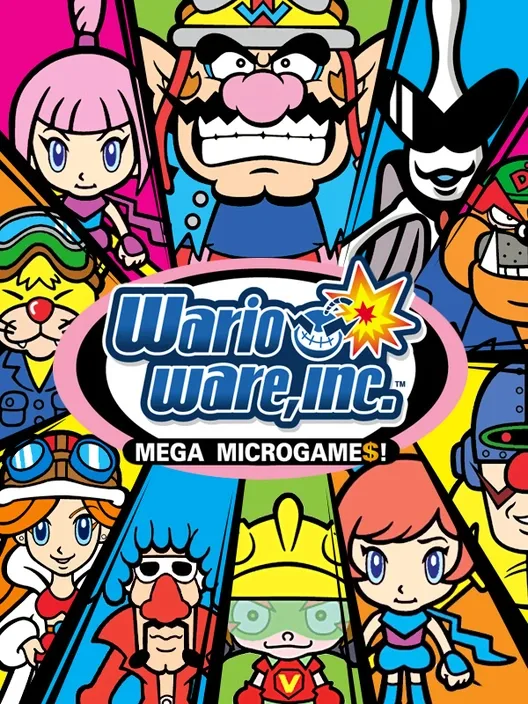
Nintendo R&D1 developed WarioWare, Inc. in 2003, and it invented a genre of its own: a stream of microgames lasting only a few seconds each, delivered at increasing speed. The absurd humor and visual variety, together with the simplicity of using just a directional pad and one button, gave it wide appeal. It holds a Metacritic score of 89. The whole game can be completed in an afternoon, and it works best in bursts rather than long sessions, but the replay value of its high-score challenges is considerable. It spawned a long-running series.
15. Advance Wars 2: Black Hole Rising#
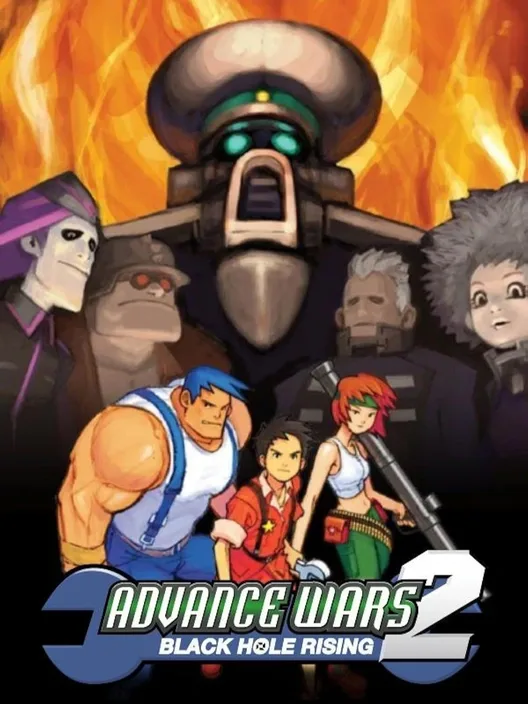
Released in 2003, Advance Wars 2 refines the formula of the original with a new unit, new commanding officers and a stronger campaign that introduces the Black Hole army. The added variety in maps and design tools makes it a richer package. It holds a Metacritic score of 89. Because it builds so directly on the first game, it may feel less fresh to players who have finished it, and the story remains light, but as a tactical challenge it is even more demanding, and many players consider it the deeper of the two.
16. Fire Emblem#
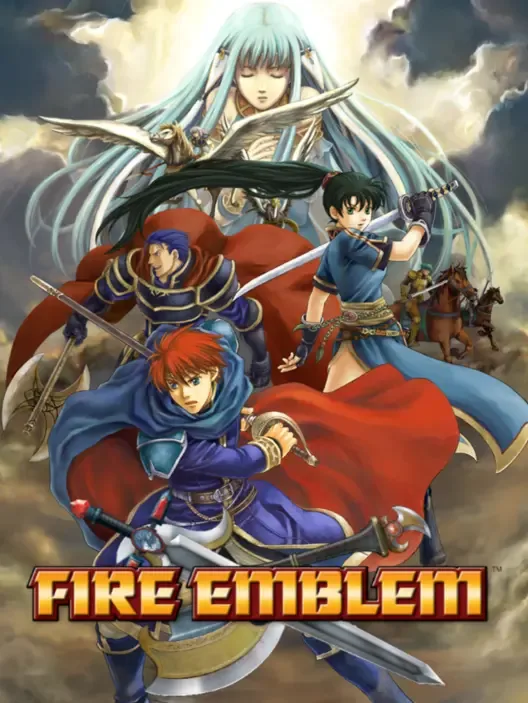
Intelligent Systems released the game known simply as Fire Emblem in 2003 (Japan in April, North America that November), and it was the first in the series to be released outside Japan, introducing a generation of players to the permanent-death tactical role-playing formula. Its cast of memorable characters, support conversations and chapters with varied objectives make each campaign feel personal. The game holds a Metacritic score of 88. The early chapters serve as a long tutorial, and its story is more conventional than some later games, but it is remembered fondly as the doorway to a franchise that has since grown enormously.
17. WarioWare: Twisted!#
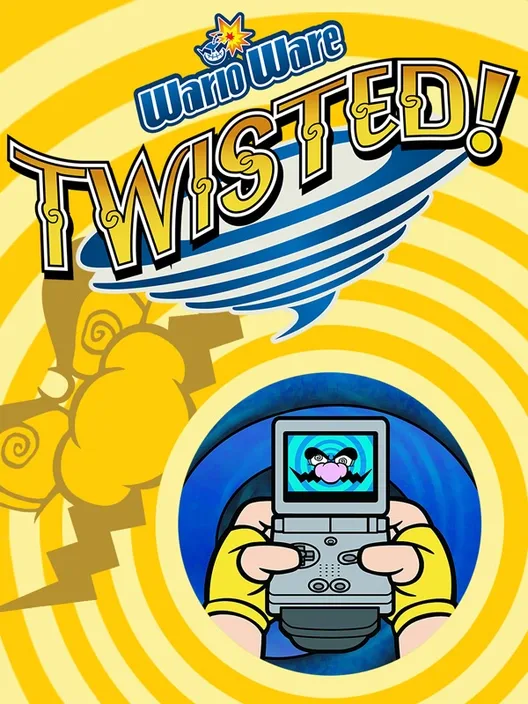
Released in Japan in October 2004 and in North America in May 2005, WarioWare: Twisted! placed a gyroscope sensor in the cartridge, so microgames were played by rotating the entire system. The idea gave a new meaning to handheld play and led to inventive games that used the sensor in unexpected ways. It holds a Metacritic score of 88. It was never released in Europe, and its core idea depends on the cartridge hardware, but it remains a delightful showcase of design ingenuity.
18. Tactics Ogre: The Knight of Lodis#
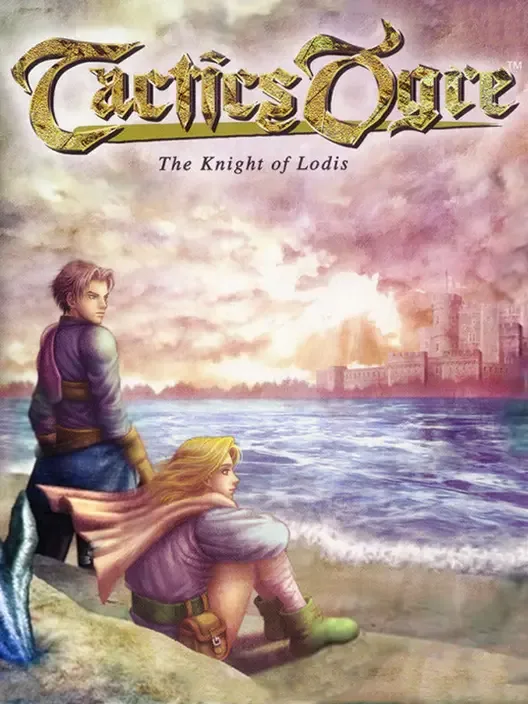
Quest developed Tactics Ogre: The Knight of Lodis, released in Japan in 2001 and in North America in 2002. It is a serious tactical role-playing game with political intrigue, a class system and a battlefield that rewards careful positioning. It holds a Metacritic score of 88. It is punishing in its difficulty, and its slow-moving battles can put off newcomers, but the storytelling is more adult than in most handheld strategy games, and it is a favorite of genre fans.
19. Wario Land 4#
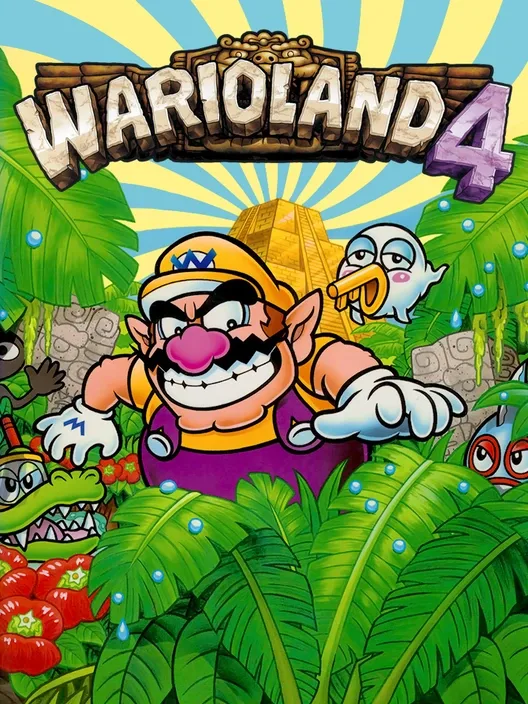
Nintendo R&D1 released Wario Land 4 in 2001, and its platforming is built around a greedy hero who transforms when damaged, and each level ends in a race against a timer after grabbing a treasure. The art is bold and the soundtrack is memorable. It holds a Metacritic score of 88 and sold about 2.2 million copies. It is relatively short, and some of the transformations can be frustrating, but the sense of style and variety is excellent, and it is well regarded among the platformers on the system.
20. Bomberman Tournament#
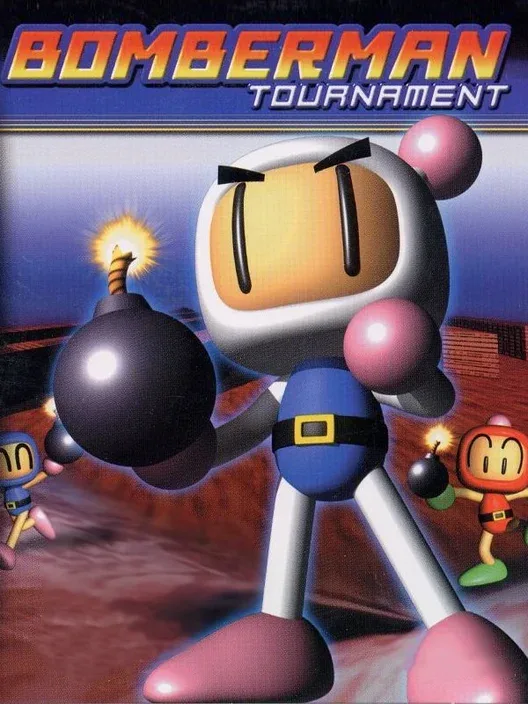
Released in 2001, Bomberman Tournament blended the classic bomb-placing action with an adventure mode featuring creature collecting and puzzle solving. It holds a Metacritic score of 88. The single-player adventure departs from series conventions with Zelda- and Pokémon-influenced elements, while the multiplayer battle mode keeps the classic formula.
21. Rhythm Tengoku#
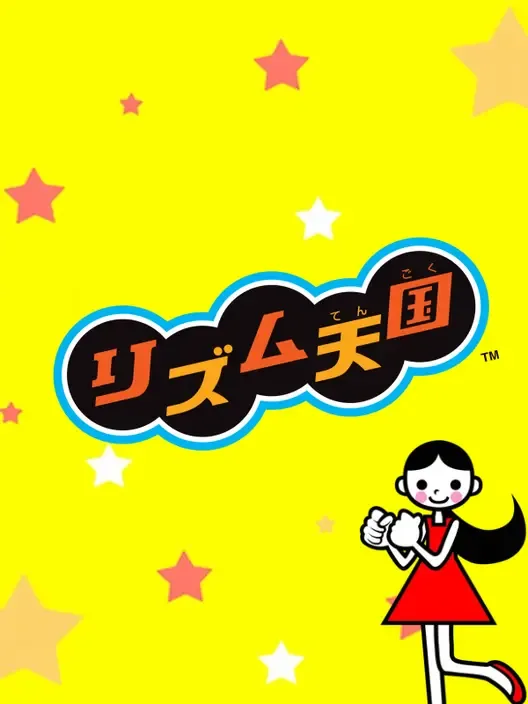
Nintendo SPD developed Rhythm Tengoku, released in Japan in August 2006 as the last first-party Nintendo game for the system. It was never released officially in the west on the Game Boy Advance. The game relies on audio cues more than visual ones: players progress through eight sets of six rhythm games, the last of each set a remix, and must earn at least an OK rating to advance. It won an Excellence Prize at Japan's Media Arts Festival. Its sequel, Rhythm Tengoku Gold, reached the west as Rhythm Heaven in 2009, and its Karate Man minigame appears in every later entry.
22. Final Fantasy Tactics Advance#
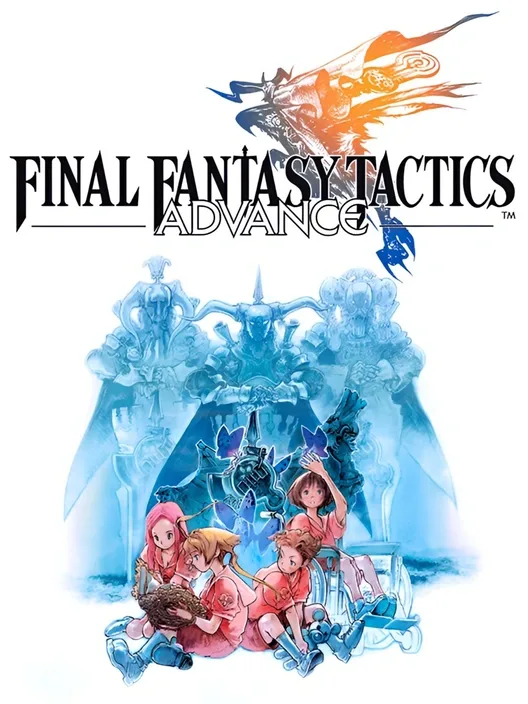
Square developed Final Fantasy Tactics Advance and released it in Japan in February 2003, with Nintendo publishing it in the west later that year. It brought the isometric strategy of the PlayStation classic to the handheld with a lighter story. Players build a clan, assign a wide range of jobs and follow a law system that restricts actions on each battlefield. It holds a Metacritic score of 87 and shipped more than 1.5 million copies. The law system can feel arbitrary, and the story is much less mature than the original Final Fantasy Tactics, but the job system's depth keeps the game engaging for dozens of hours.
23. Castlevania: Harmony of Dissonance#
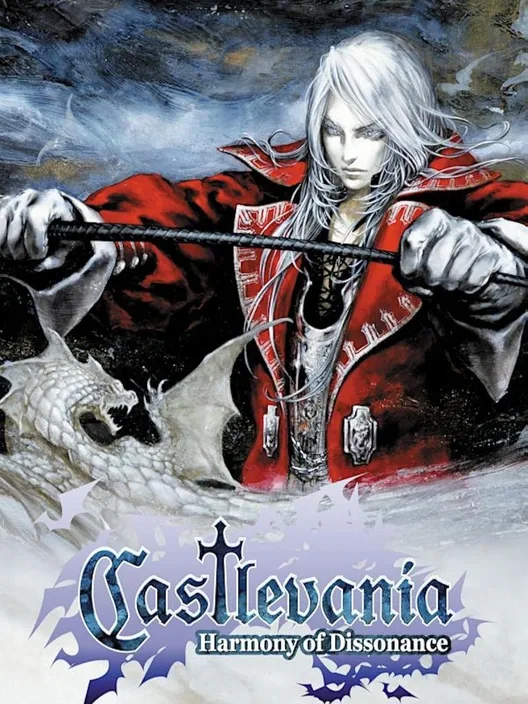
Released by Konami in 2002, Harmony of Dissonance features a castle split into two parallel versions and a book system for magic. It holds a Metacritic score of 87. Critics praised its graphics but criticized the soundtrack as muddy and reminiscent of four-channel NES music, though the dual-castle idea makes exploration engaging. Retrospective opinion is more critical, and it is often seen as a step below the stronger Game Boy Advance Castlevania entries such as Aria of Sorrow.
24. Sonic Advance#
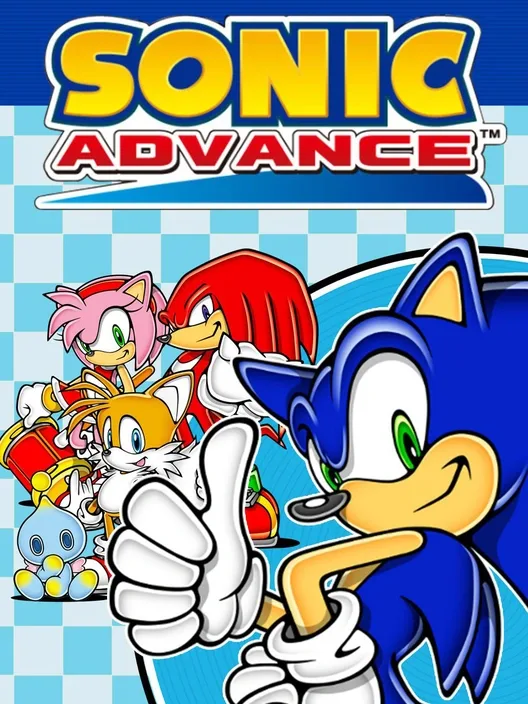
Developed by Dimps and Sonic Team and released in Japan in December 2001, Sonic Advance brought the classic 2D style back in a fast, colorful package with four playable characters. It holds a Metacritic score of 87 and sold about 1.21 million copies in the United States alone. The stages are quick to run through and but the smooth animation and bright visuals made it a success as the first Sonic game on Nintendo hardware.
25. Golden Sun: The Lost Age#
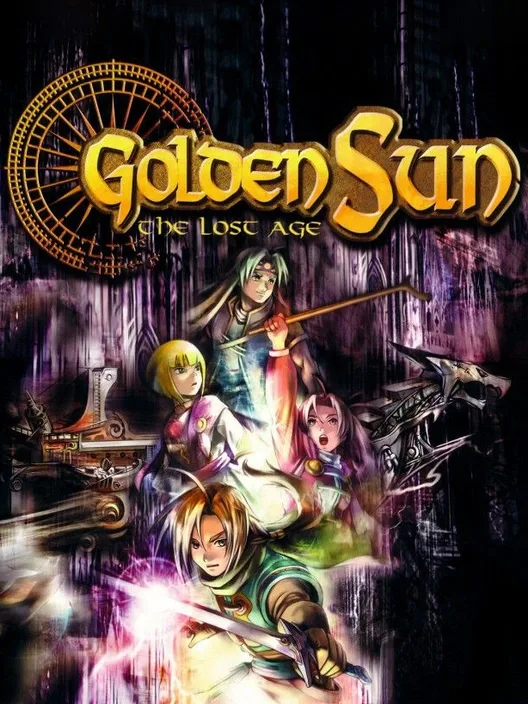
Camelot released The Lost Age in 2002 as a direct continuation, carrying over the first game's progress through a password system. The story flips the perspective to the rival party and expands the world with new puzzles and Djinn. It holds a Metacritic score of 86. It adds more complicated puzzles, but it is best experienced after finishing the original, and some reviewers faulted its unintelligent combat AI. Together, the two games form one of the most complete role-playing adventures on the handheld.
26. F-Zero: Maximum Velocity#
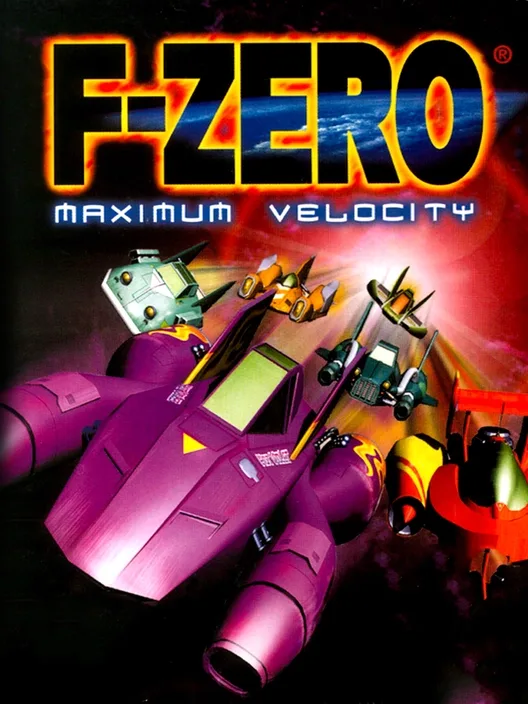
NDcube developed this launch-era racer, released by Nintendo in 2001. It captures the speed of the Super Nintendo original with pseudo-3D scaling and rotation visuals and a demanding sense of control. It holds a Metacritic score of 86. Some critics found it dated, but the sensation of speed and the tight handling made it a standout among the early Game Boy Advance titles.
27. Fire Emblem: The Sacred Stones#
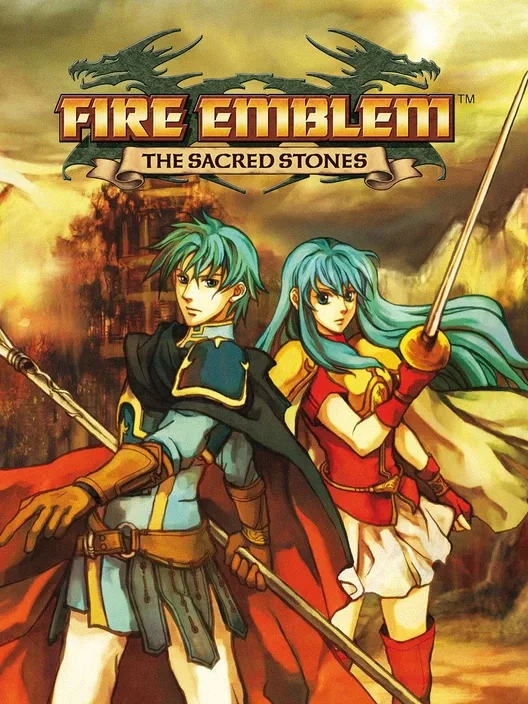
Intelligent Systems released The Sacred Stones in Japan in 2004 and in the west in 2005. It is a friendlier entry with a world map that allows optional battles and a branching promotion system, which made it popular with players who wanted to build up their favorite units. It holds a Metacritic score of 85. The plot is simpler and the difficulty gentler than its predecessor, but the twin-protagonist campaign and the polished presentation ensure that it remains one of the most accessible tactical role-playing games on the system.
28. Astro Boy: Omega Factor#
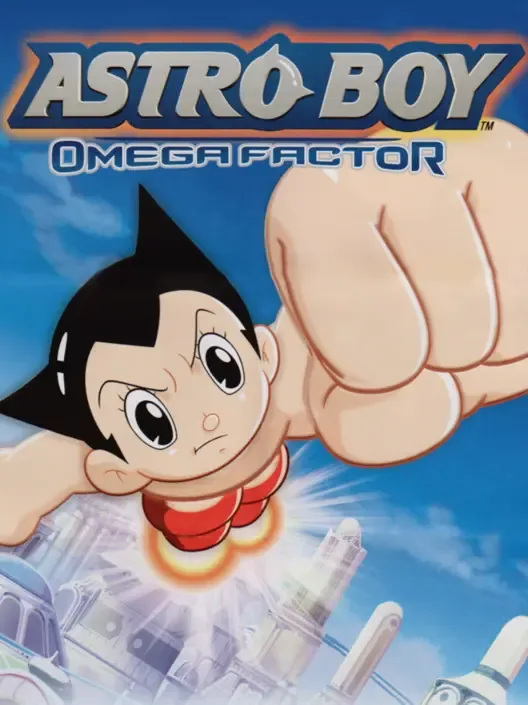
Treasure and Hitmaker developed Astro Boy: Omega Factor, which Sega released in Japan in December 2003 and in North America in August 2004. It is a side-scrolling action game that blends brawling and shooting with characters from Osamu Tezuka's universe in a multi-chapter story. It holds a Metacritic score of 85. It remains a cult favorite among fans of Treasure's work. Reviewers found some stages repetitive, particularly the shooter stages, and some felt out of place, but its variety and polish make it a hidden gem among the system's action games.
29. Final Fantasy IV Advance#
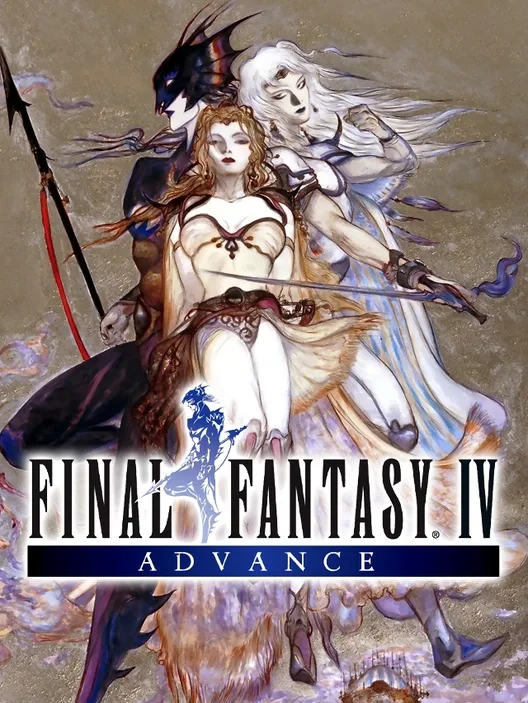
Final Fantasy IV Advance, published by Nintendo outside Japan, arrived in 2005 as a port of the 1991 Super Nintendo role-playing classic, which reached North America as Final Fantasy II. The port adds the Lunar Ruins, a late-game dungeon, along with new equipment. It holds a Metacritic score of 85. The story of Cecil's redemption is simple by modern standards and the battles are old-fashioned, but the drama, the music and the party dynamics are still moving. Critics have long credited the original with pioneering dramatic storytelling in console role-playing games, and this version is a compact way to play it on a handheld.
30. Klonoa: Empire of Dreams#
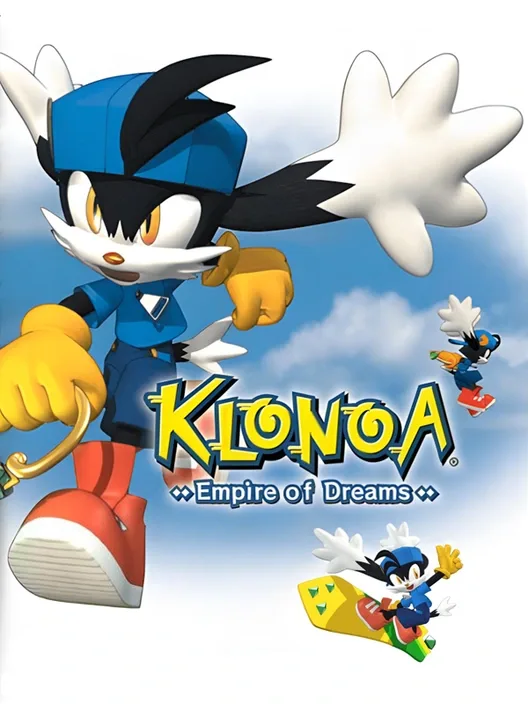
Now Production developed Klonoa: Empire of Dreams, and Namco released it in July 2001 in Japan and August 2001 in North America. This puzzle-platformer gave the popular hero a handheld outing in which his Wind Ring pulls enemies close so they can be thrown as projectiles or used as platforms. It holds a Metacritic score of 85, and IGN named it the best platformer of 2001 for the system. Some critics found it less ambitious than the console entries in the series, but the charming look and clever stage and block-puzzle design make it a small treasure and one of the best early platformers on the Game Boy Advance.
31. Mario Golf: Advance Tour#
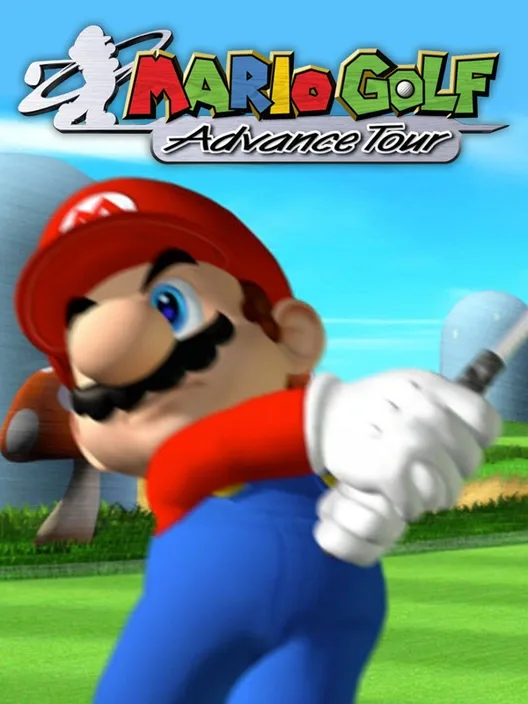
Camelot developed Mario Golf: Advance Tour for Nintendo, releasing it in Japan in April 2004 and in North America in June 2004. Its story mode lets the player choose between two young golfers, Neil, who excels at power, and Ella, who excels at accuracy, and then climb through tournaments across four clubs toward a match against Mario himself. It holds a Metacritic score of 84. Some critics felt it lacked innovation relative to earlier entries in the series, but IGN gave it an Editors' Choice award, and reviewers singled out the addictive leveling system and precise sports mechanics. Players could also transfer Neil and Ella to the GameCube game Mario Golf: Toadstool Tour via link cable.
32. Gunstar Super Heroes#
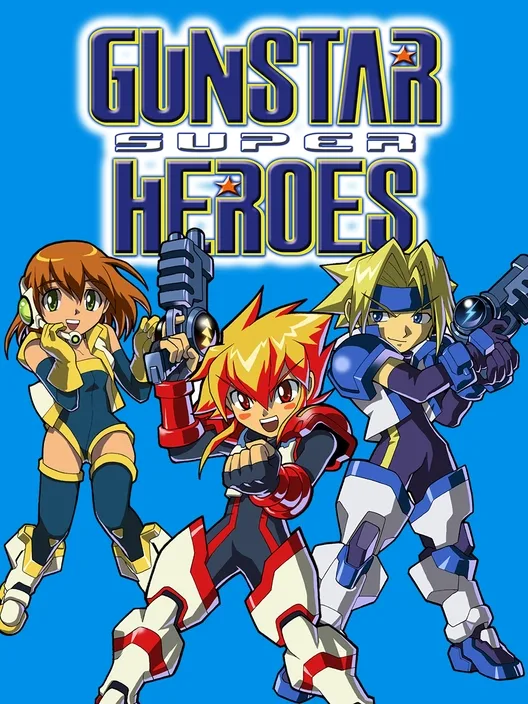
Treasure developed Gunstar Super Heroes as a follow-up to the Genesis classic Gunstar Heroes, and Sega released it in October 2005 in Japan and North America. It revises the original's mechanics: the two heroes now play alike, players choose from three weapon types instead of combining them, and melee attacks replace the throw. The new protagonist Red is a woman, unlike the original's male hero of the same name. It holds a Metacritic score of 83, IGN awarded it 9.0 out of 10 and an Editors' Choice Award, and Nintendo Power gave it 9.5. Despite the acclaim it did not sell very well, and the explosive boss fights and visual spectacle remain a showcase for the developer.
33. Boktai: The Sun Is in Your Hand#
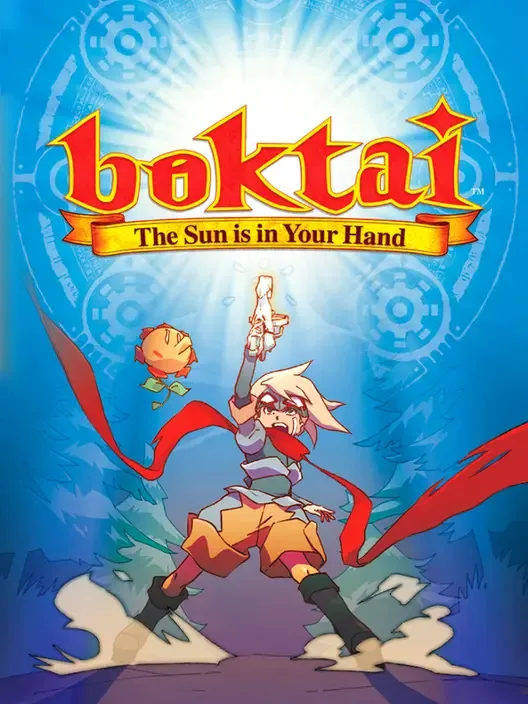
Konami Computer Entertainment Japan developed Boktai, with Hideo Kojima as producer and Ikuya Nakamura as director and writer. It reached Japan in July 2003 and North America in September 2003. Its cartridge contains a photometric sensor, so real sunlight charges the Gun Del Sol that vampire hunter Django uses against the Immortals. If the gun runs out of energy and there is no sunlight, the player must avoid combat. It holds a Metacritic score of 83. The gimmick is not practical for everyone, and playing indoors is difficult, but the stealth and puzzle design are clever and unlike anything else on the system.
34. Sonic Advance 2#
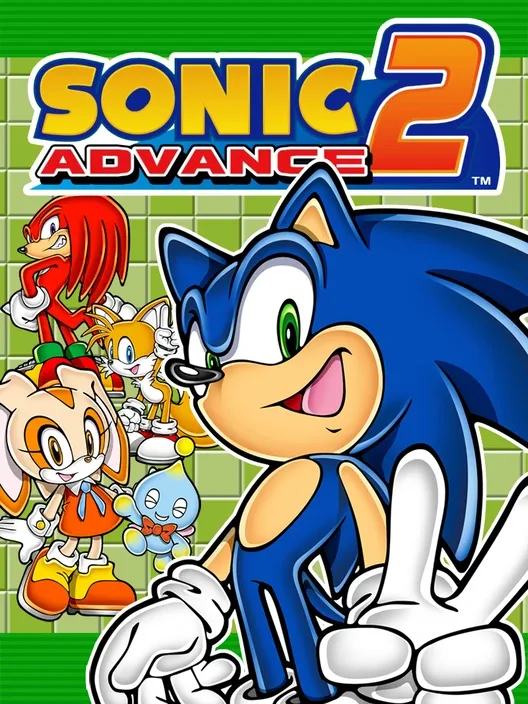
Dimps developed Sonic Advance 2 with help from Sonic Team, releasing it in Japan in December 2002 and in North America in March 2003. It made the levels much larger and faster, and it introduced Cream the Rabbit to the series. It holds a Metacritic score of 83 and sold about one million copies. Critics praised the vibrant graphics and lively soundtrack, and GameSpot called it the hardest game in the series. The speed can lead to trial-and-error moments and the difficulty is uneven, but it is one of the more thrilling entries in the series on a portable.
35. Pokémon Ruby Version#
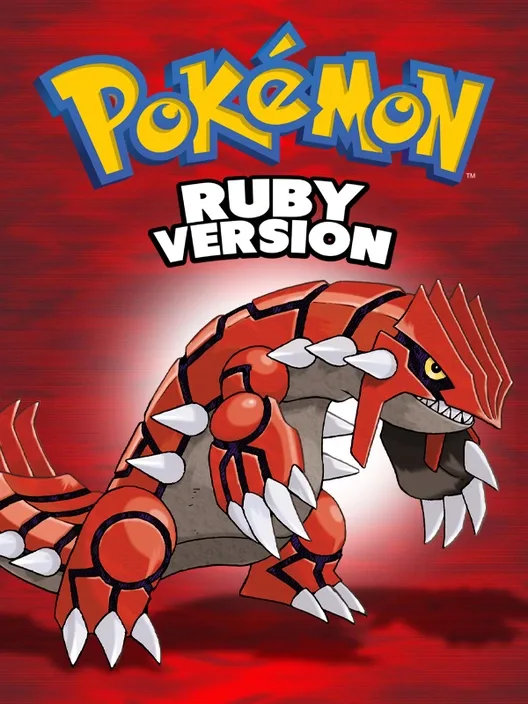
Released by Game Freak in Japan in 2002 and internationally in 2003, Ruby and Sapphire introduced the Hoenn region, double battles, abilities and natures. Ruby holds a Metacritic score of 82, and the pair sold more than 16 million copies, making them the best-selling Game Boy Advance games. Some critics felt gameplay changed little from earlier generations and missed the removed day/night cycle, but the deeper battle mechanics were a landmark for the series.
36. Mega Man Zero#
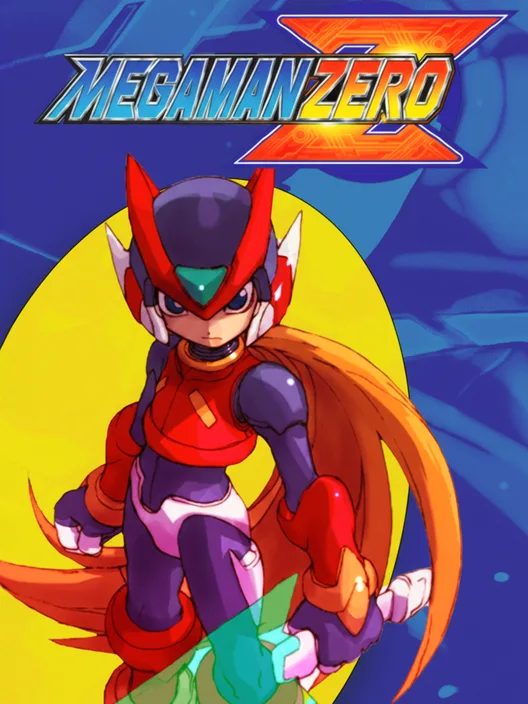
Inti Creates developed Mega Man Zero and Capcom released it in April 2002 in Japan and September 2002 in North America, reviving the action series with a harder edge and a darker story. Zero slashes through fast levels with a saber and buster, and each mission ends with a grade based on completion time, enemies defeated and damage taken. Collectible cyber-elves act as single-use aids that can ease a difficult section, and up to three can be equipped at once. The game holds a Metacritic score of 82. It is widely described as the most difficult entry in the series, and reviewers pointed to blind jumps, hidden deathtraps and occasional slowdown. Its first stages lack the variety of later entries, but it launched one of the strongest handheld action series.
37. Ninja Five-O#
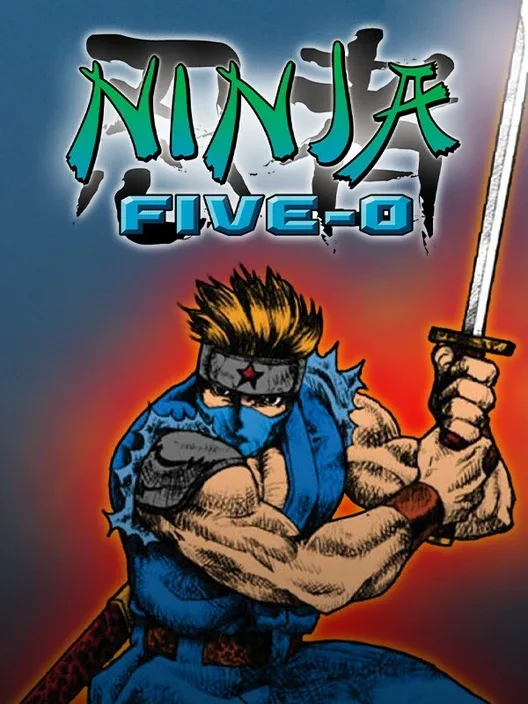
Hudson Soft developed Ninja Five-O and Konami published it in Europe and North America in 2003. It was never released in Japan. The action platformer casts a ninja cop, Joe Osugi, with a grappling hook against terrorists wielding mystical masks, across a series of missions. It holds a Metacritic score of 82, IGN gave it 8.5 out of 10, and GameSpy named it the best platform game of 2003 for the system. Poor sales made it a sought-after collector's item, and it has been called the best game no one played. The controls and level design are solid, making it a genuine hidden gem.
38. Pokémon FireRed Version#
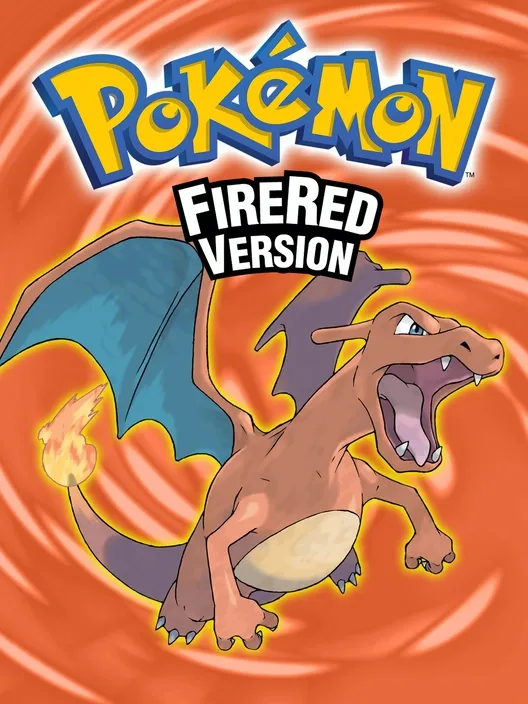
Game Freak released FireRed and LeafGreen in 2004 as remakes of the original 1996 games, updated with the improved mechanics of the Game Boy Advance generation. FireRed holds a Metacritic score of 81, and the pair sold about 12 million copies. The story is a loving return to the Kanto region, and the pared-down structure still makes an excellent introduction to the series. It has less content than Emerald, but for many players it remains the definitive way to experience the first generation.
39. Kirby: Nightmare in Dream Land#
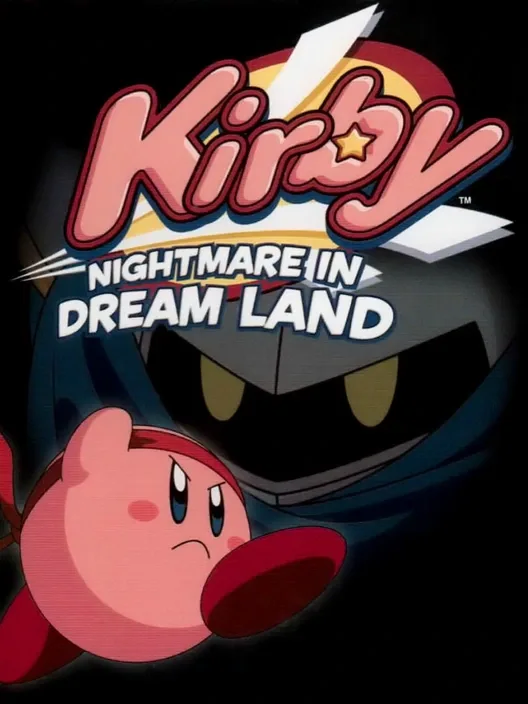
HAL Laboratory released this remake of Kirby's Adventure in 2002, bringing the 1993 Nintendo Entertainment System game to the handheld. It keeps the copy-ability mechanics and charm of the original, with sharper visuals, three new minigames, four-player multiplayer and an unlockable Meta Knightmare mode in which Meta Knight is the playable character. It holds a Metacritic score of 81. Reviewers praised the copy abilities, the tight controls and the enemy design, while noting that it is somewhat short and easy, particularly for players who know the original. The polish of the underlying design still makes it a highly enjoyable platformer.
40. Drill Dozer#
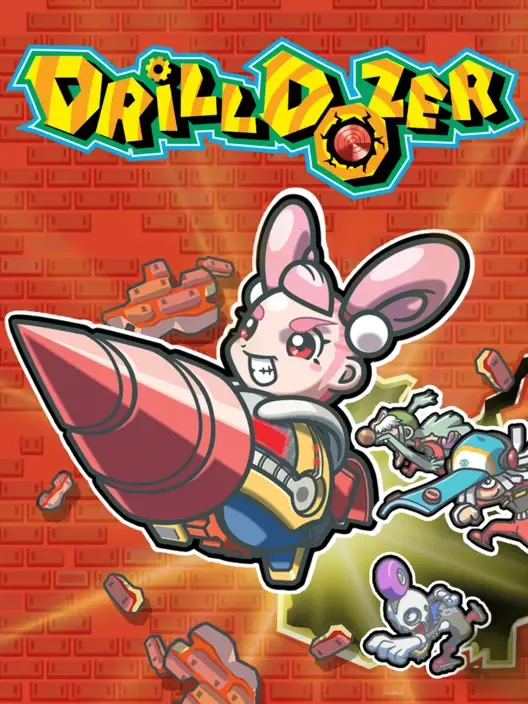
Game Freak developed Drill Dozer and Nintendo released it in Japan in September 2005 and in North America in February 2006. The platformer has a girl pilot a drill-armed robot, with the drill controlled by the shoulder buttons. The cartridge has built-in rumble, added late in development at Nintendo's suggestion, which makes each drill spin tactile. Only one other Game Boy Advance game, WarioWare: Twisted!, also has force feedback in its cartridge. It holds a Metacritic score of 81. It sold poorly at release, in part because it arrived as attention moved to the Nintendo DS, but the mechanics and level design are excellent, and it has become a cult favorite.
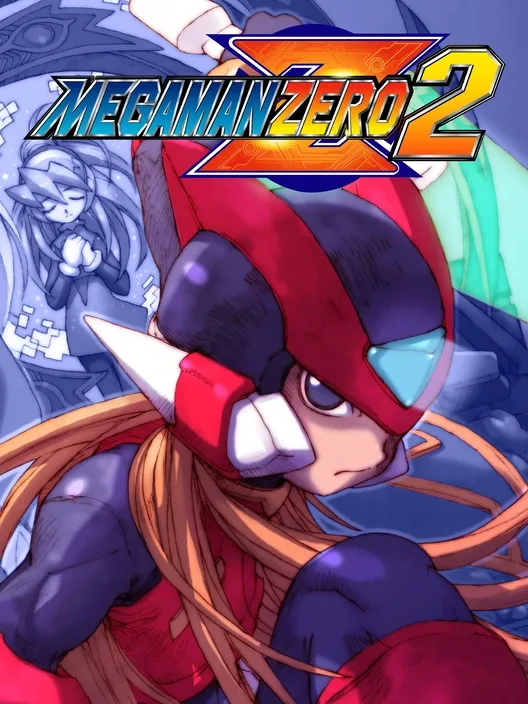
41. Mega Man Zero 2#
Inti Creates developed Mega Man Zero 2 and Capcom released it in May 2003 in Japan and October 2003 in North America. The sequel adds a form system that unlocks by meeting stage-specific goals, and EX Skills, which Zero earns by defeating bosses with an A or S rank and which add new properties to his weapons. Cyber-elves cost less to feed than in the first game. It holds a Metacritic score of 81. The difficulty remains high and reviewers noted that the formula had not changed much, but the extra flexibility makes it more approachable than the original.
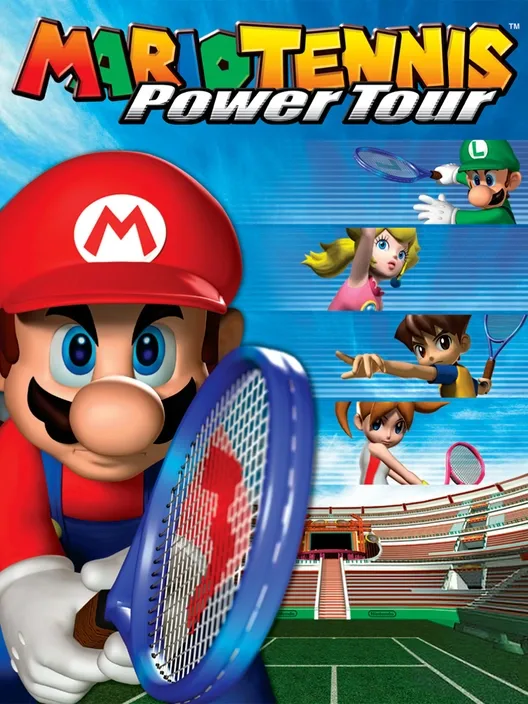
42. Mario Tennis: Power Tour#
Camelot developed Mario Tennis: Power Tour, releasing it in Japan in September 2005 and in North America in December 2005. Its role-playing style academy mode has the player explore a tennis academy, train, win matches to gain ranks and enter tournaments, and characters earn experience and level up their attributes. It holds a Metacritic score of 81. IGN praised the role-playing elements and leveling system, and in 2023 it ranked the game 15th among the best Game Boy Advance games. The story mode can be repetitive, but the tennis mechanics are polished, and it is one of the better sports games on the system.
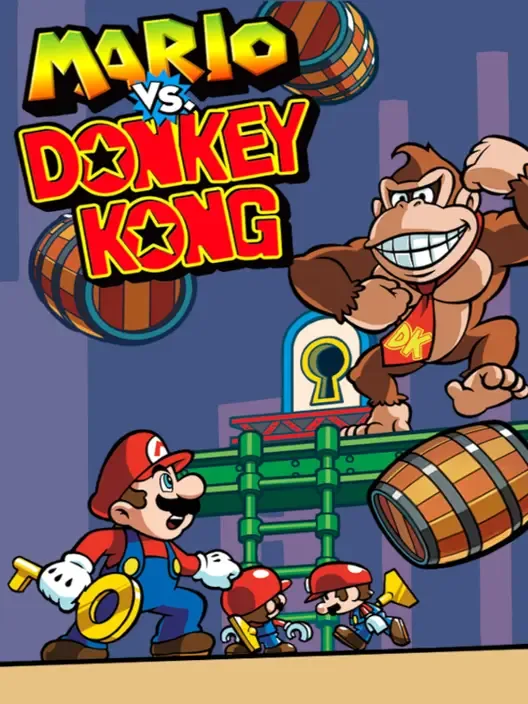
43. Mario vs. Donkey Kong#
Nintendo Software Technology developed Mario vs. Donkey Kong, releasing it in North America in May 2004 and in Japan in June 2004. This puzzle-platformer sends Mario after mechanical toys stolen by Donkey Kong, and its stages involve finding keys and guiding wind-up Mini-Mario toys to safety. Mario has a large set of athletic moves, including a handstand, a sideways somersault and a triple jump. It holds a Metacritic score of 81 and sold about 1.4 million copies. GameSpot named it the best Game Boy Advance game of May 2004. It is short and simple, but the clever level design and stylish presentation suit pick-up-and-play handheld sessions.
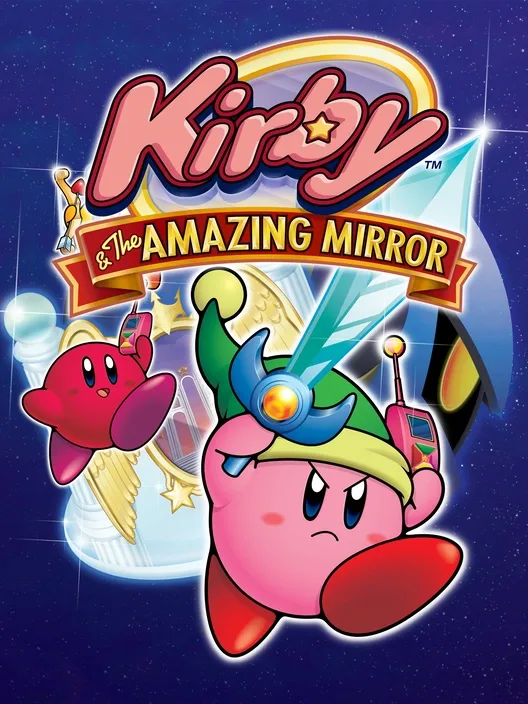
44. Kirby & the Amazing Mirror#
Flagship and Dimps developed Kirby & the Amazing Mirror with HAL Laboratory, and Nintendo released it in 2004, in April in Japan and in October in North America. It trades the linear stages of earlier games for a Metroidvania-style Mirror World of nine themed areas, which Kirby can explore in almost any order as long as he holds the right power. An in-game cell phone summons computer-controlled or human-controlled Kirbys to his location, and it was the first Kirby game with four-player cooperative play. It holds a Metacritic score of 80 and sold about 1.21 million copies in the United States alone. The difficulty is low and the map can feel repetitive, but the copy abilities and cooperative mode give it a distinctive flavor in the series.
45. Kuru Kuru Kururin#
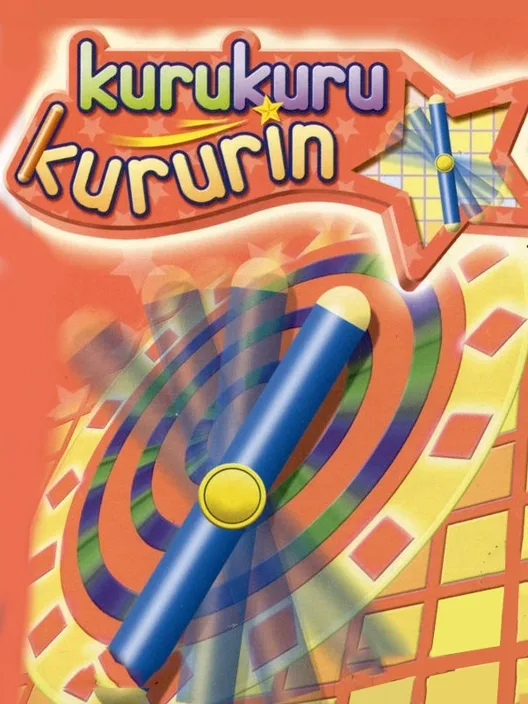
Eighting developed Kuru Kuru Kururin and Nintendo released it in Japan in March 2001 and in Europe in June 2001, although it had no official North American release until a Virtual Console version in 2016. The player steers a constantly rotating, stick-shaped helicopter through winding mazes, where wall contact damages the vehicle and checkpoints restore health. Director Masato Toyoshima has said the idea came from the difficulty of moving furniture through a doorway. Eurogamer wrote that no other puzzle game on the Game Boy Advance at the time could rival it. The difficulty ramps up sharply and the controls take time to master, but the concept is original and the challenge is satisfying. It received two Japan-only follow-ups.
46. Mega Man Zero 3#
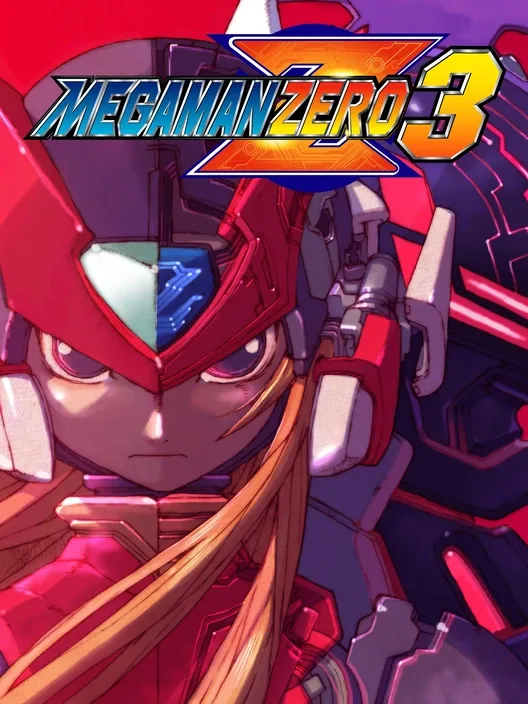
Inti Creates developed Mega Man Zero 3 and Capcom released it in 2004, in April in Japan and October in North America. It replaces the earlier form system with customization chips for head, body and legs, adds the Recoil Rod for tonfa-style combat, and introduces satellite cyber-elves that give constant benefits without affecting mission rankings. It holds a Metacritic score of 77. GameSpot called it the best of the Game Boy Advance Mega Man games, while Game Informer felt it was too much of the same. The difficulty is still steep and some bosses demand memorization, but its polish and speed make it a favorite among action players.
47. Pokémon Emerald Version#
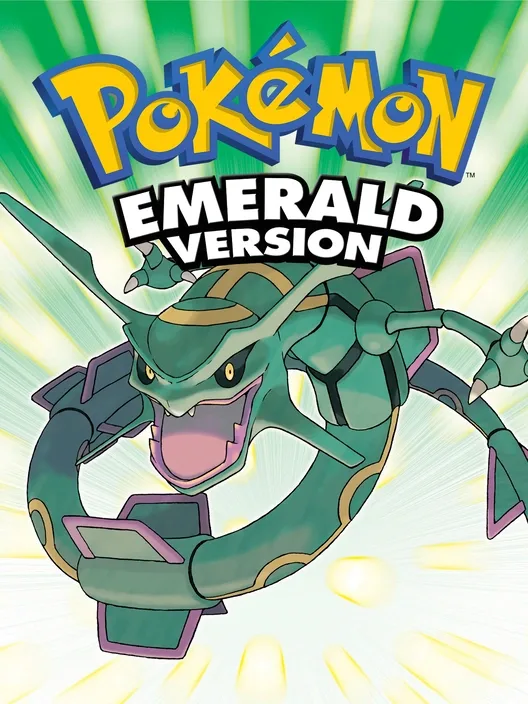
Game Freak released Emerald in Japan in 2004 and internationally in 2005 as an enhanced version of Ruby and Sapphire. It combined the two rival villain teams and added the Battle Frontier, a large post-game challenge area. It holds a Metacritic score of 76, lower than the versions before it, because some critics felt it was a rehash. Even so, it is regarded as the definitive edition of the Hoenn games and sold about 6.8 million copies.
48. Kingdom Hearts: Chain of Memories#
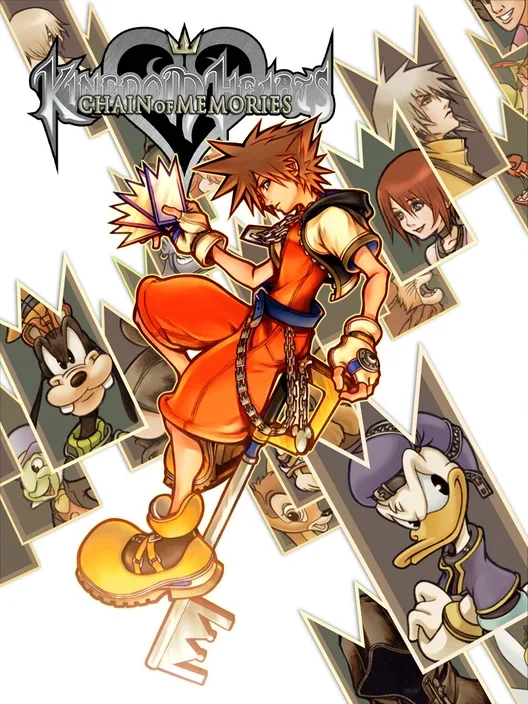
Square Enix and Jupiter developed Chain of Memories, releasing it in Japan in November 2004 and in North America in December 2004. It bridges the first two Kingdom Hearts games with a card-based battle system in which every attack, spell and item is a card. It holds a Metacritic score of 76 and had sold about 1.55 million copies by late 2009. Its combat divided critics: GameSpy found it engaging, while GameSpot called it unwieldy. The storyline, the graphics and the full-motion video sequences drew consistent praise, and the presentation was a technical showpiece for the handheld.
49. Harvest Moon: Friends of Mineral Town#
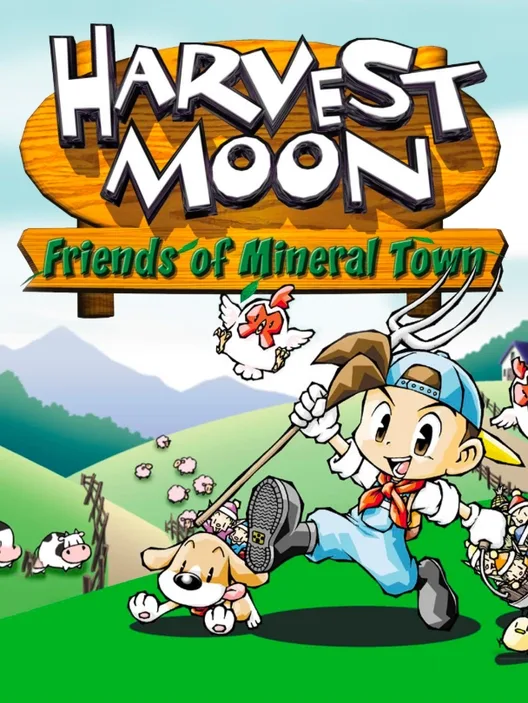
Marvelous developed Friends of Mineral Town, which Natsume published in North America in November 2003, after its Japanese release in April 2003. The farming simulation has the player inherit a neglected farm and restore it through crops, livestock and friendships with the villagers, with six marriage candidates. It could also connect with the GameCube title A Wonderful Life. IGN called it deceptively engrossing and awarded it 8.9 out of 10. The pace is slow and the early days can be limiting, but it helped define the relaxing life-simulation genre on the handheld, and it remains popular.
50. Advance Guardian Heroes#
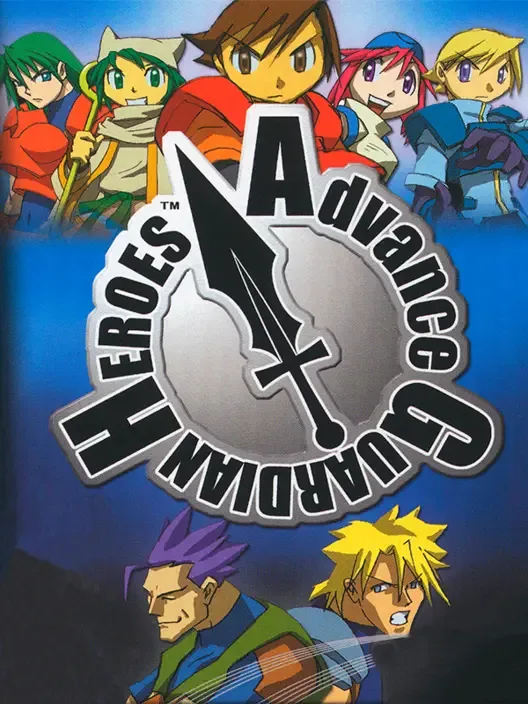
Treasure developed Advance Guardian Heroes as a follow-up to the Sega Saturn cult classic Guardian Heroes, releasing it in North America in September 2004 and, a little later that month, in Japan. It is a side-scrolling beat-em-up with air dashes, counters and magic spells that draw on an MP meter, and defeated enemies drop crystals that are spent on character attributes between stages. A Hyper Mode adds speed and power. It holds a Metacritic score of 65, well below most of the games in this list, because reviews were mixed even though critics praised the visuals and combat. It is celebrated mainly by fans of the developer, who value its fast combat.