
The Game Boy arrived in 1989 and the Game Boy Color followed in 1998, and together they made up the most successful handheld family of their time. A monochrome screen, a tiny speaker and cartridges with very little memory forced designers to be economical, which is why the library is full of tight platformers, puzzle games and pocket-sized role-playing games. Color games are included alongside the originals, and games that only reached the system in enhanced form are judged by their best version. Each entry notes an honest weakness, since many of these games show their age in blurry visuals, short length and simple sound.
1. Metal Gear: Ghost Babel#
Konami Computer Entertainment Japan and Tose developed Metal Gear: Ghost Babel, which reached Japan in April 2000 and North America in May 2000. It is not a port of the PlayStation game but a separate top-down stealth adventure set three years after Metal Gear 2: Solid Snake, with 13 story stages, training missions and multiplayer modes. It holds a GameRankings score of about 96 percent, the highest of any Game Boy Color game on that aggregator, and IGN gave it a perfect 10. Reviewers praised how it captured the tension of Metal Gear Solid in 2D. Its story is a side chapter that sits outside the main series, and the slow, patient stealth is not to every taste. Nintendo Power ranked it 11th and Game Informer eighth on their lists of the best Game Boy games.
2. The Legend of Zelda: Link's Awakening DX#
Nintendo EAD released Link's Awakening in Japan in June 1993, and the Game Boy Color version, Link's Awakening DX, followed in 1998 with color graphics and an extra dungeon. Stranded on Koholint Island, Link must wake the Wind Fish by collecting eight instruments, and the game is a full Zelda adventure with dungeons, items and an offbeat story in the palm of the hand. The original holds a GameRankings score of 90 percent and the DX version 91 percent, and IGN gave DX a 10 out of 10. It sold more than three million copies in its original form. The control scheme requires frequent item swapping between only two buttons, and the original monochrome graphics can be hard to read. It remains the reference point for handheld adventure games.
3. Pokémon Gold and Silver#
Game Freak released Pokémon Gold and Silver in Japan in November 1999 and in North America in October 2000, and they expanded the formula of the original games with two regions, a day-and-night cycle driven by a real-time clock, breeding and 100 new creatures. Critics received them warmly, with GameRankings scores of 89 percent for Gold and 91 percent for Silver, and IGN gave Gold a perfect 10. The pair sold about 23 million copies worldwide and became the best-selling games on the Game Boy Color. Random battles remain slow by modern standards, and trading still has to be done with a link cable to complete the Pokédex. Many players regard them as the strongest games in the series, and they were remade for the Nintendo DS in 2009.
4. The Legend of Zelda: Oracle of Ages#
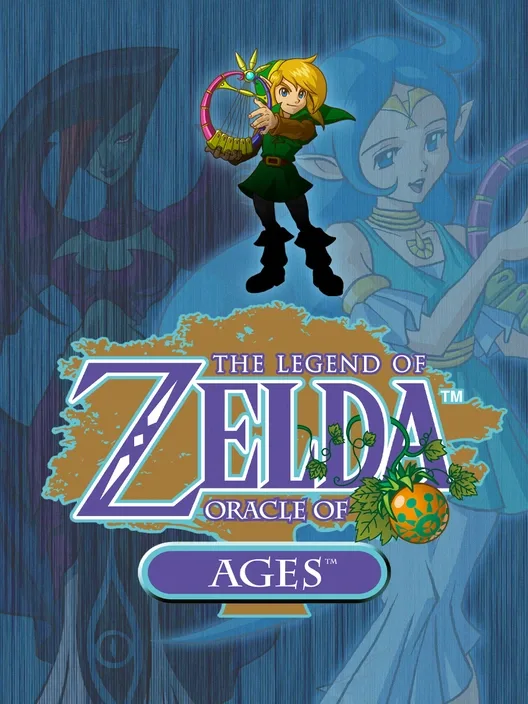
Flagship, a Capcom subsidiary, developed Oracle of Ages and Oracle of Seasons for Nintendo, and both appeared on the Game Boy Color in Japan in February 2001. Ages is the puzzle-focused half of the pair: Link travels between the past and present of Labrynna with the Harp of Ages, and changes in one time affect the other. It holds a GameRankings score of 92 percent, the higher of the two games, and IGN gave it a 10 out of 10. Playing both games in sequence through passwords or the link cable unlocks a linked storyline and an extended ending. Reviews noted that the sound was hampered by the poor quality of the Game Boy Color's speakers, and some sound effects were dismissed as simple beeps. Ages sold roughly four million copies worldwide.
5. The Legend of Zelda: Oracle of Seasons#
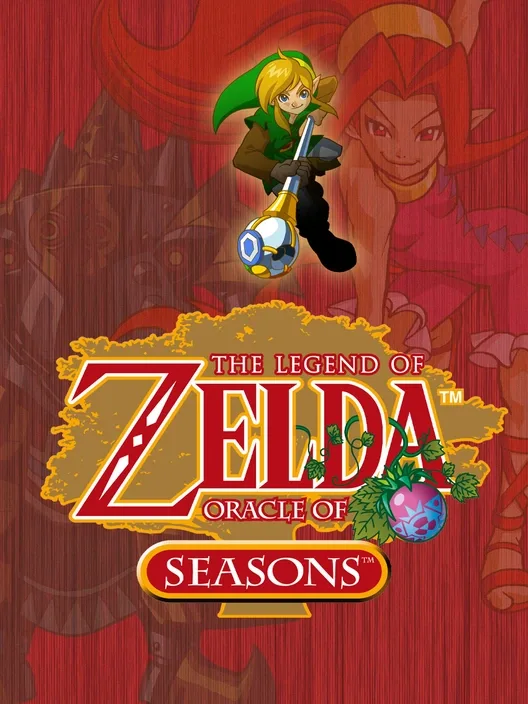
Oracle of Seasons is the action-focused twin of Ages, released by Flagship and Nintendo in Japan in February 2001 and in North America in May 2001. Link uses the Rod of Seasons to change spring, summer, autumn and winter in Holodrum, and each season opens new paths across the overworld. It holds a GameRankings score of 91 percent, and IGN gave it a 10 out of 10. It also sold about four million copies worldwide. Critics praised the bright colors and expressive animation, and called the pair among the best games ever made for the system. Its weakness is the same as its twin: reviews noted the console's poor speakers, which reduce some sound effects to simple beeps. The linked-game system, which lets players carry results between the two carts, remains one of the most unusual Zelda ideas.
6. Wario Land 3#
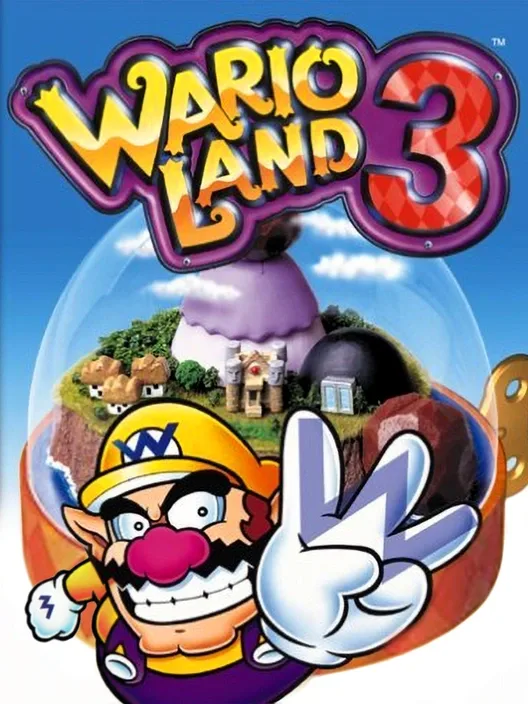
Nintendo R&D1 released Wario Land 3 on the Game Boy Color in March 2000 in Japan and in May 2000 in North America. Wario is pulled into a music box and travels through 25 stages across four zones, using enemy attacks to change his body and open new paths. It holds a GameRankings score of 90 percent, the highest of any Wario game, and GameSpot gave it 9.8 out of 10. Treasures found in chests open new paths and areas, and some grant Wario new abilities. Finding all 100 often means backtracking to earlier stages once you have the right item. The game sold about 2.2 million copies. It is the high point of the handheld Wario series. IGN gave it 9 out of 10, and its 90 percent on GameRankings rests on 15 reviews.
7. Pokémon Red and Blue#
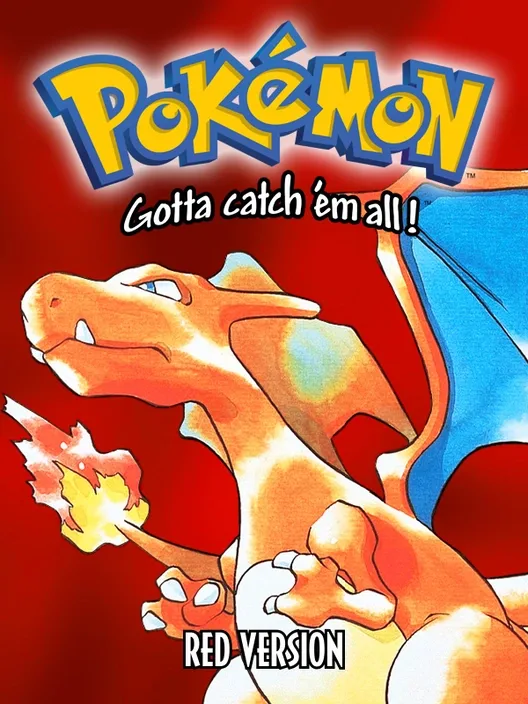
Game Freak released Pokémon Red and Green in Japan in February 1996, and the Blue version followed that October, before the games reached North America in September 1998. Catching and training creatures in a game with version-exclusive Pokémon, and trading them over the link cable to complete the Pokédex, turned a role-playing game into a social event. It holds a GameRankings score of 88 percent for Red and Blue, and IGN gave Red a 10 out of 10. Over 31 million copies of Red and Blue were sold worldwide. Reviewers described the graphics and sound as somewhat primitive, and the original is known for glitches such as the MissingNo. encounter. Its influence on games, television and toys is difficult to overstate.
8. Tetris#
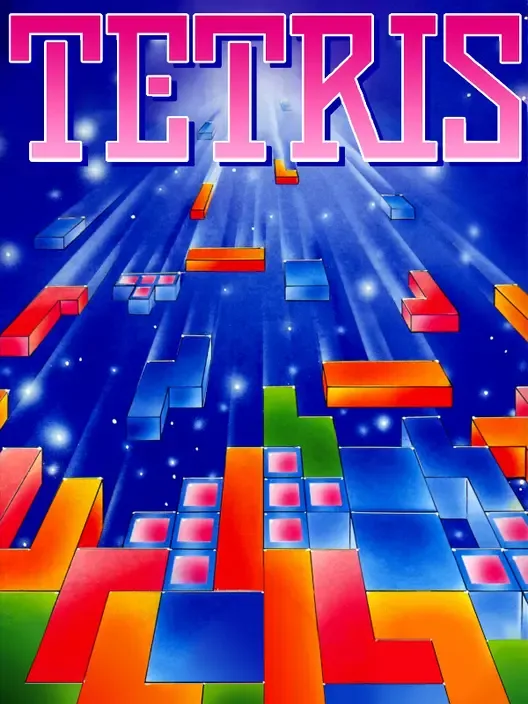
Nintendo R&D1 developed the Game Boy version of Tetris, which reached Japan in June 1989 and North America in July 1989 as a pack-in with the console. It was the first Game Boy game with two-player support through the Game Link Cable and proved that a simple puzzle game could sell hardware to adults as well as children. Its two modes, the endless A-Type and the 25-line B-Type, are all it needs. The game sold over 35 million copies by 2009 and is often called the console's killer app. Designer Alexey Pajitnov has called it his favorite version. It offers no story or progression beyond speed, and its later Game Boy Color version, Tetris DX, added more options. As a piece of design, few games are as pure.
9. Wario Land II#
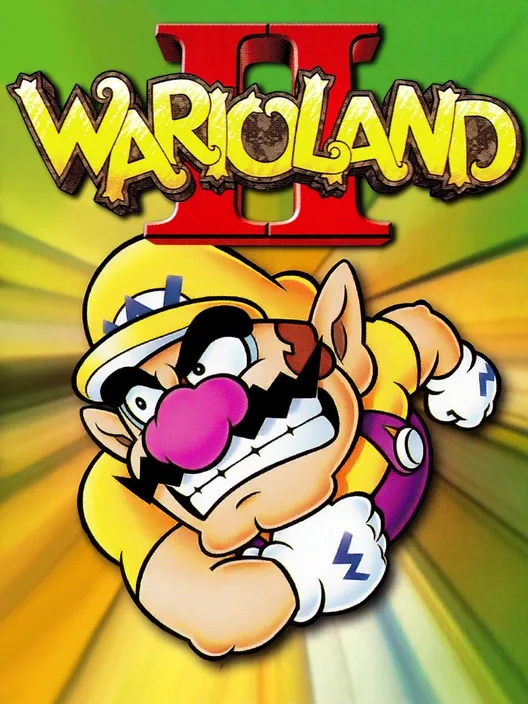
Nintendo R&D1 released Wario Land II on the original Game Boy in North America in March 1998, and a Game Boy Color version followed in Japan in October 1998. Its central conceit is that Wario cannot die: enemies knock away coins or transform him into shapes such as a flat Wario or a flaming Wario that open hidden areas. There is no time limit, so the game rewards exploration. The Game Boy Color version holds a GameRankings score of 88 percent, IGN praised its lastability and replayability, and Electronic Gaming Monthly named it Game of the Month in May 1998. Its main weakness is the lack of any real challenge from enemies, since Wario cannot be killed and progress depends on finding the right transformation. It is a smart platformer that turns failure into a puzzle mechanic. Because there is no time limit, players can explore each level at their own pace, and the Hot Wario form, for example, burns through obstacles and defeats enemies on contact.
10. Mario Golf#
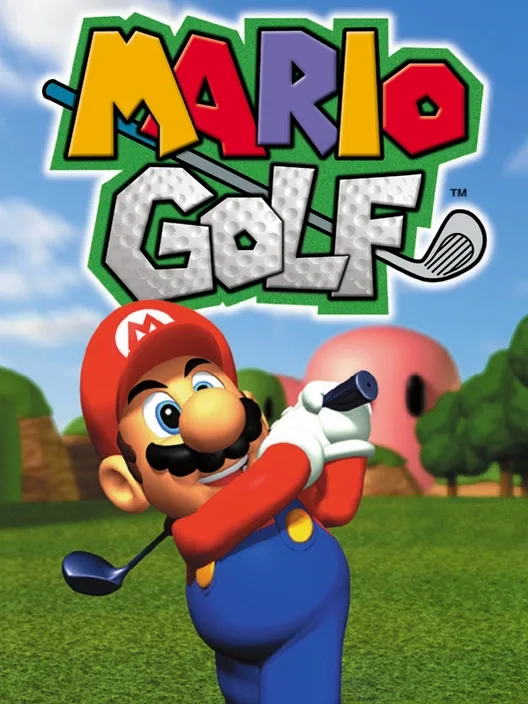
Camelot Software Planning developed the Game Boy Color version of Mario Golf, which followed the Nintendo 64 game in 1999, reaching Japan in August and North America in October. It is a full golf game with Mario characters, but it also includes a role-playing mode in which a young golfer levels up by playing matches and collecting new clubs. A Transfer Pak allowed data to move between the handheld and the console versions. It holds a GameRankings score of 87.65 percent, slightly above the Nintendo 64 version. Its graphics are necessarily simpler than the console game's. IGN called it a brilliant rendition of golf and a perfect game for the go. Its role-playing mode gave the Game Boy Color a sports game with real longevity, and Camelot reused the idea later in Mario Golf: Advance Tour.
11. Donkey Kong#
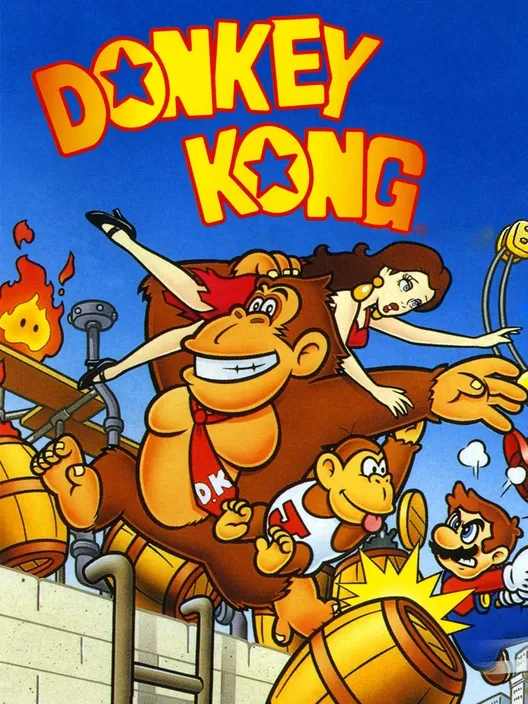
Nintendo and Pax Softnica developed Donkey Kong for the Game Boy, released in June 1994. It begins as a faithful version of the four arcade stages and then continues through more than 100 puzzle-platforming levels in which Mario throws barrels, climbs ropes and finds keys. Critics called the controls exceptionally refined, and it was regarded as a killer app for the Super Game Boy accessory, which added color and a border. It sold about 3.1 million copies. Some reviewers felt Mario's new abilities were hard to use within the time limit, and it was overshadowed by Donkey Kong Country on the Super NES the same year. Retrospective writers count it among the finest Game Boy games. Several outlets named it their Game Boy Game of the Year, and it was the first game developed for use with the Super Game Boy.
12. Super Mario Land 2: 6 Golden Coins#
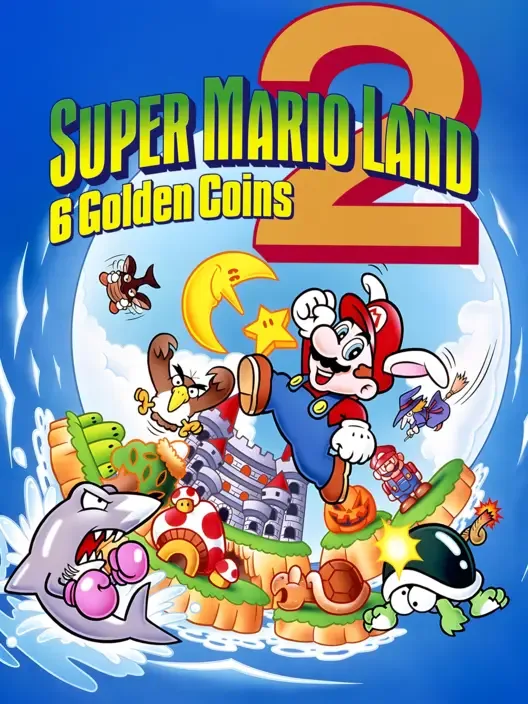
Nintendo R&D1 released Super Mario Land 2 in October 1992 in Japan and November 1992 in North America. Mario must recover six golden coins from Wario, who had taken over his castle, and the game introduced Wario to the world. Its large sprites, hub map and varied levels made it a considerably bigger adventure than the first Super Mario Land. IGN and Nintendo Life both gave it 9 out of 10, and Nintendo Power named it the best Game Boy game of the year. It sold about 11 million copies worldwide, the fifth best-selling title on the system. Its difficulty curve is mild for experienced players, and the small screen leaves little room to see incoming hazards. It is still the best Mario game on the original hardware.
13. Pokémon Crystal#
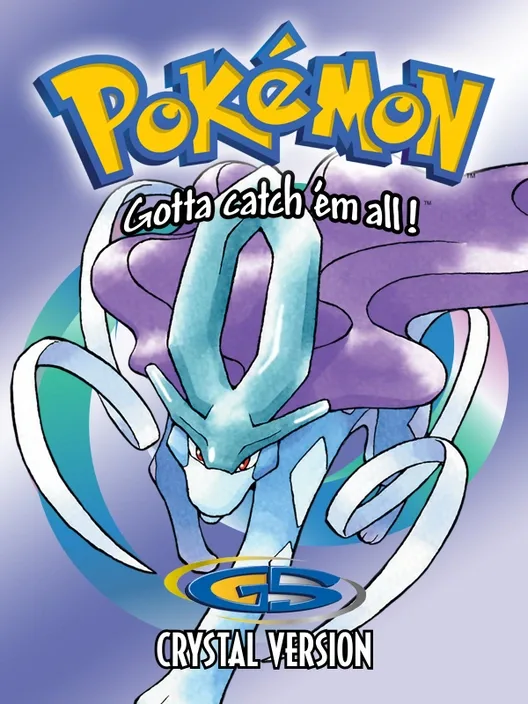
Game Freak released Pokémon Crystal in December 2000 in Japan and July 2001 in North America as a third version of Gold and Silver. It added a female player character, the Battle Tower, animated Pokémon sprites and a new legendary story involving Suicune. It was the first Pokémon game made only for the Game Boy Color, and it sold about 6.3 million copies worldwide, the lowest of any main-series Pokémon game. Reviews were mixed to positive: critics praised the added features but felt the cosmetic changes were minimal. Reviewers also noted that it did not differ enough from Gold and Silver to justify a full purchase for owners of the earlier games. It is generally seen as the definitive version of the second generation.
14. Final Fantasy Legend II#
Square developed and published the second Game Boy SaGa game, released in Japan in December 1990 and North America in November 1991. Its story of a father who disappears and a family of heroes spans multiple worlds, and it made the Game Boy role-playing game more approachable than the first. It scored 33 out of 40 from Famitsu, 8 out of 10 from IGN and 90 percent from RPGFan, and it sold about 850,000 copies. RPGFan called it the best of the Legend games, and reviewers considered it superior to the first. The removal of the experience point system in favor of random stat growth may still confuse newcomers, and the game feels dated next to later role-playing games. It played a major part in making the Game Boy a home for long role-playing adventures.
15. Dragon Warrior Monsters 2#
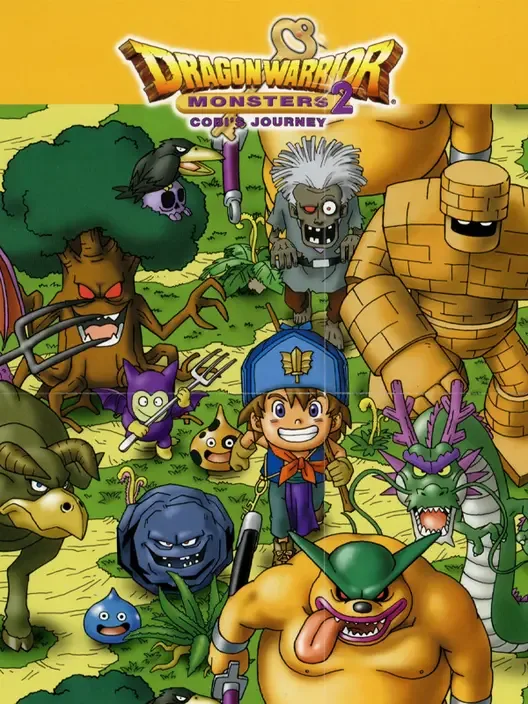
Tose developed Dragon Warrior Monsters 2, published by Enix, which came out in two versions, Cobi's Journey and Tara's Adventure, in Japan in March 2001 and in North America in September 2001. Players collect and breed more than 300 monsters and send them into battle in a role-playing game that took the Pokémon idea in the direction of monster fusion. It holds a GameRankings score of 81 percent, IGN gave it 9 out of 10, and RPGFan called the breeding system incredibly fun. It was the number one seller in Japan on release and sold about 1.59 million copies there, the third best-selling game of 2001. Like the Pokémon games, it ships in two versions, Cobi's Journey and Tara's Adventure, so completing the collection takes effort. IGN compared it with Monster Rancher while calling it more than a mere Pokémon clone. It is the strongest of the early monster-collecting rivals to Pokémon.
16. Pokémon Trading Card Game#
Hudson Soft and Creatures developed Pokémon Trading Card Game for Nintendo on the Game Boy Color. It came out in Japan in December 1998 and in North America in April 2000. Players build 60-card decks from the first three sets, plus some game-only cards, and beat eight Club Masters and four Grand Masters. It holds a GameRankings score of 81.25 percent, and IGN called it a blast to play, offering the tabletop game without the clutter or cost. Two players can battle or trade through infrared or the link cable. GameSpot noted that collecting 226 cards did not satisfy as much as catching every Pokémon in the main games. It is one of the more successful licensed card game adaptations.
17. Wario Land: Super Mario Land 3#
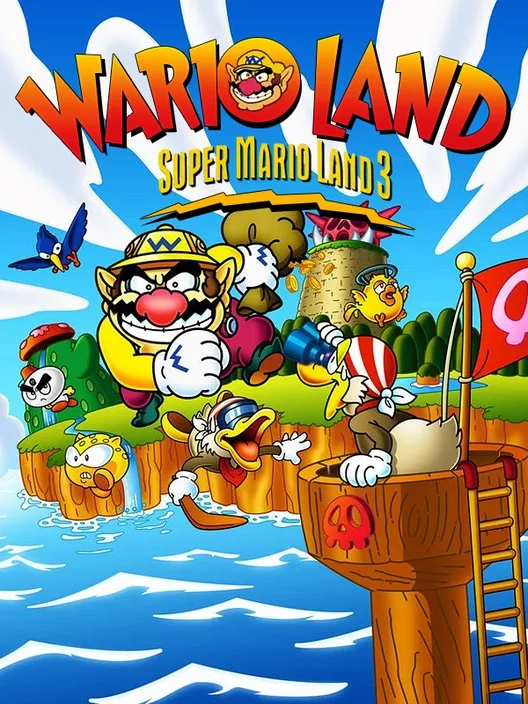
Nintendo R&D1 released Wario Land: Super Mario Land 3 in January 1994 in Japan and March 1994 in North America. Wario, the rival introduced in the second Super Mario Land, becomes the star, using a shoulder charge and hats for power-ups as he searches for treasure to buy back his castle. It holds a GameRankings score of 81 percent, and Nintendo Life called it one of the best platform games on the Game Boy. It sold about 5.2 million copies worldwide and launched the Wario series that led to WarioWare. Critics were split on the difficulty. The helmets give Wario distinct powers, such as a Bull Helmet for ceiling-clinging and a Jet Helmet for horizontal flight, and the quality of the castle he wins at the end depends on the coins he collects. It is a confident, better-looking platformer that gave its lead character a life of his own.
18. Survival Kids#
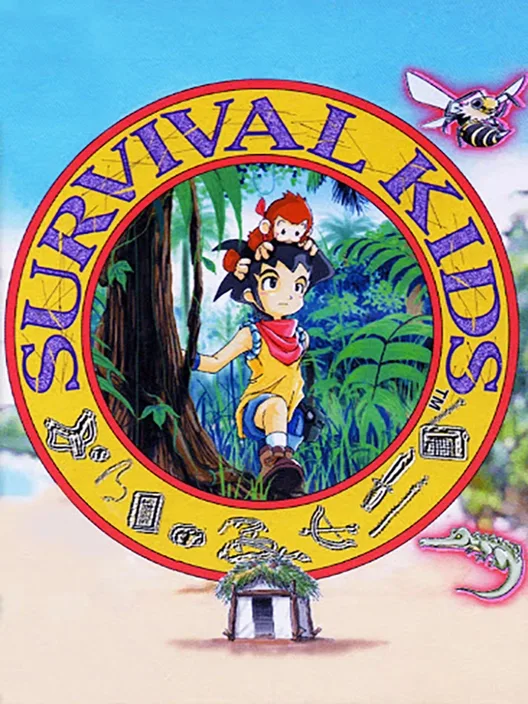
Konami Computer Entertainment Sapporo developed Survival Kids for the Game Boy Color, released in June 1999 in Japan and November 1999 in North America. A child is stranded on a deserted island and must manage hunger, thirst, fatigue and health while combining items into tools and weapons. It is non-linear with multiple possible endings, and its survival elements arrived years before the genre became common. IGN gave it 9 out of 10 and Computer and Video Games gave it 5 out of 5, and Retro Gamer included it among the best Game Boy Color games. Some reviewers found the pace demanding, and Nintendo Power's score was only 7.6 out of 10. It is a genuine original that deserves a second look.
19. Metroid II: Return of Samus#
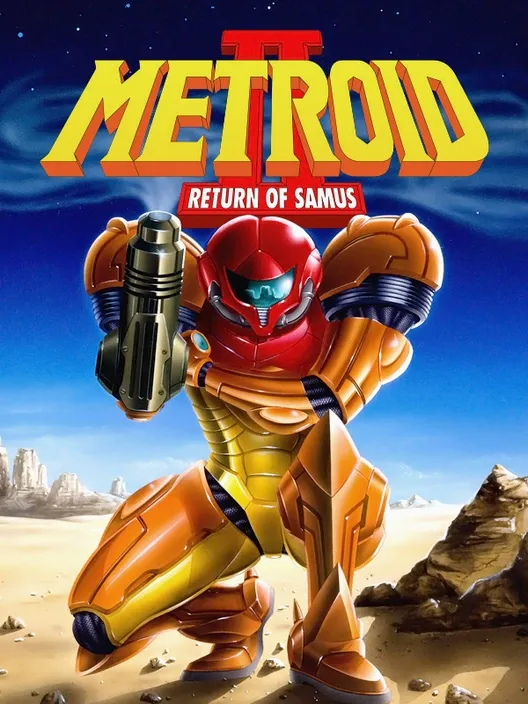
Nintendo R&D1 released Metroid II in November 1991 in North America and in January 1992 in Japan. Samus Aran descends into the caves of planet SR388 with the goal of eliminating 47 Metroids, and the hunt takes the series into a lonelier, more atmospheric form. It introduced the Spider Ball, Space Jump, Spring Ball and Spazer Beam and added a save system. IGN rated it 9 out of 10 in retrospect, praising its suspense, and Nintendo Power placed it 34th on its list of the greatest games. It sold about 1.7 million copies. Critics faulted its graphics and audio, and the zoomed-in perspective hinders exploration. It was remade as Metroid: Samus Returns for the Nintendo 3DS in 2017.
20. Kirby's Dream Land 2#
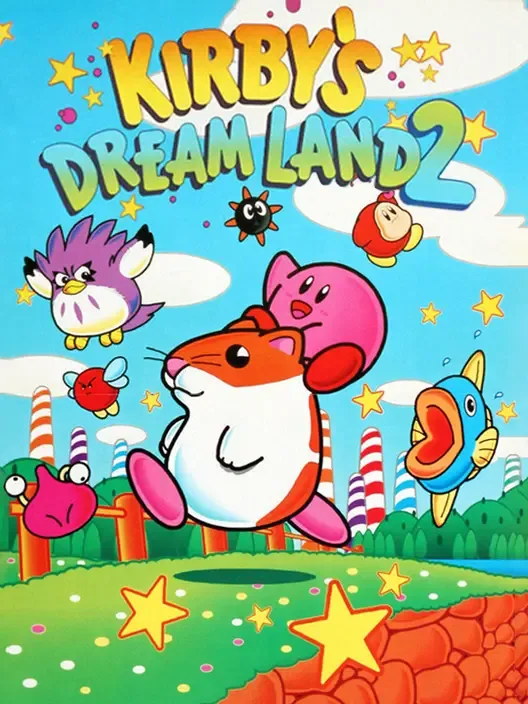
HAL Laboratory released Kirby's Dream Land 2 in March 1995 in Japan and May 1995 in North America. It brought the ability to copy enemy powers to the Game Boy for the first time and added the animal companions Rick, Kine and Coo, each of which changes how Kirby moves. Reviews ranged from 7 to 9.5 out of 10, and Nintendo Power ranked it the tenth best Game Boy or Game Boy Color game. It sold over one million copies. GamePro noted that it recycles too much content from the first Kirby's Dream Land. Its difficult 100 percent completion and charming companion system give it an appeal that has lasted, and it is a good example of how the series found its shape. Electronic Gaming Monthly's reviewers were unanimous in recommending it, singling out the solid graphics and the wide variety of abilities Kirby can acquire.
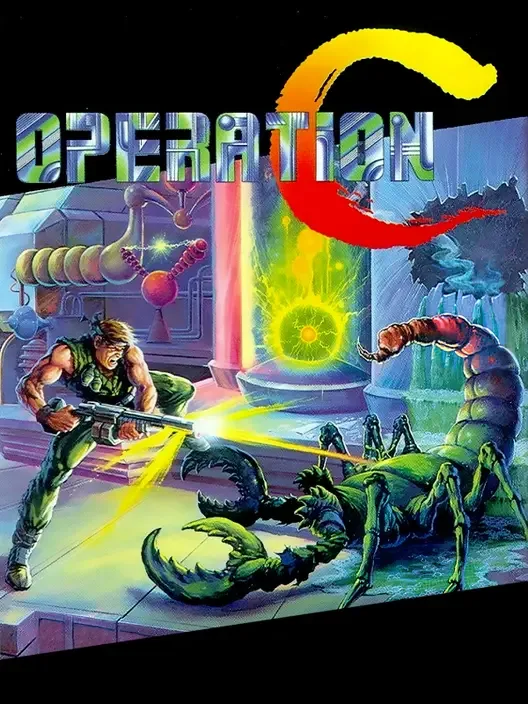
21. Operation C#
Konami developed Operation C, the first portable Contra game, released in Japan in January 1991 and in North America the same month. It has five stages that alternate between side-view and top-down action, auto-fire as standard and weapons such as the Homing Gun and the upgradeable Spread Shot. It holds a GameRankings score of 80 percent, and Nintendo Life gave it 8 out of 10 for its gameplay, controls, enemies, weapons and music. In the North American version the hero is called Lance rather than Bill, and in Europe it was released as Probotector. The reviewer also felt it borrowed too much from Super C. It was included in the 2019 Contra Anniversary Collection. Electronic Gaming Monthly's reviewers each gave it 9 out of 10, while Nintendo Life lamented the absence of multiplayer.
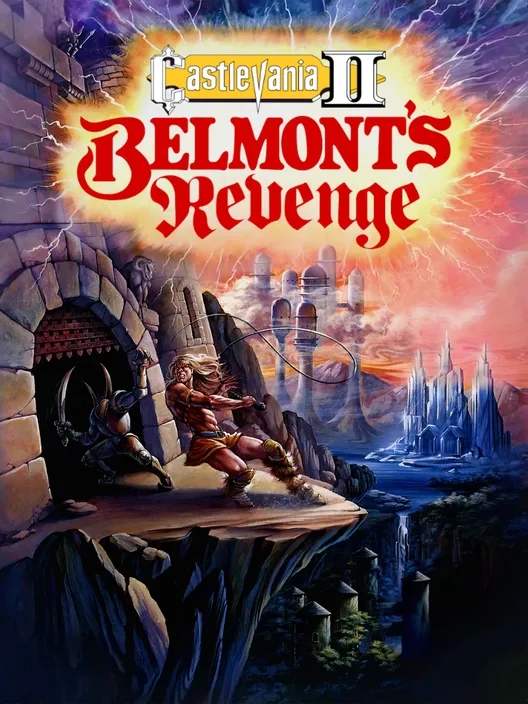
22. Castlevania II: Belmont's Revenge#
Konami released Belmont's Revenge in July 1991 in Japan and August 1991 in North America. It improved on Castlevania: The Adventure with better use of the hardware, subweapons such as holy water and the axe, and four initial castles that can be tackled in any order, similar to Mega Man. It uses a password system and large trap rooms. GameSpy called it one of the best action games on the original Game Boy, and Game Informer's Tim Turi praised its graphics and subweapons. IGN faulted its sluggish character speed and short play time. The North American version replaces the cross with an axe. It is the best of the Game Boy Castlevania games. Set fifteen years after the original adventure, it has Christopher Belmont rescue his son Soleil from Dracula, and the four castles are themed around air, plant, earth and crystal.
23. Final Fantasy Adventure#
Square developed and published Final Fantasy Adventure, released in Japan in June 1991 as Seiken Densetsu: Final Fantasy Gaiden and in North America in November 1991. It is a top-down action role-playing game in the vein of Zelda, with experience levels, magic and a story about a gladiator and a heroine, and it began the Mana series. IGN gave it 9 out of 10, and RPGFan called it one of the best role-playing games on the Game Boy. It sold about 700,000 copies. Its design leans heavily on the original The Legend of Zelda, and IGN praised its strong story, graphics and music. It was remade as Sword of Mana for the Game Boy Advance in 2003 and as Adventures of Mana in 2016.
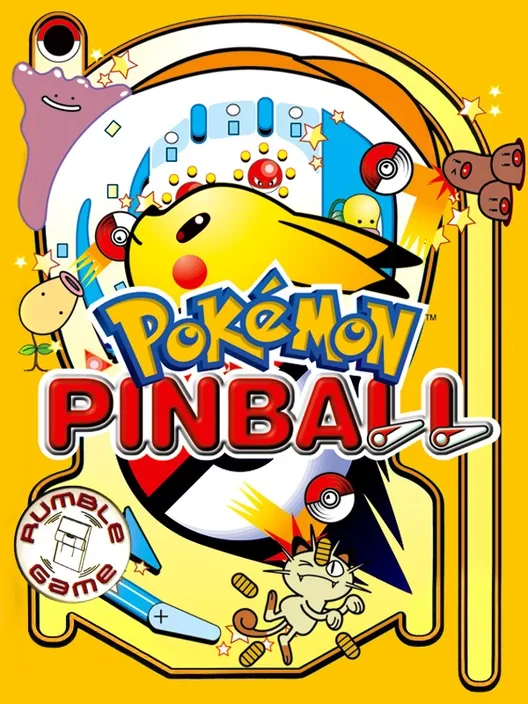
24. Pokémon Pinball#
Jupiter and HAL Laboratory developed Pokémon Pinball, which Nintendo released on the Game Boy Color in Japan in April 1999 and in North America in June 1999. It offers a Red and a Blue table where players catch and evolve Pokémon, and the cartridge included a built-in rumble motor, the first Nintendo Game Pak with that feature. GameSpot gave it 8.7 out of 10. It sold 262,000 units in its first 20 days, the fastest-selling Game Boy title at launch at the time. Critics noted poor physics and limited pinball mechanics, and some reviewers called the rumble a waste of a battery. It is a rare licensed spin-off that stands up as a game. Players can collect all 151 first-generation Pokémon through Catch and Evolution modes, and it ranked as the fourth best-selling game of 1999 in the US, behind only the three Pokémon Red, Blue and Yellow versions.
25. Donkey Kong Land 2#
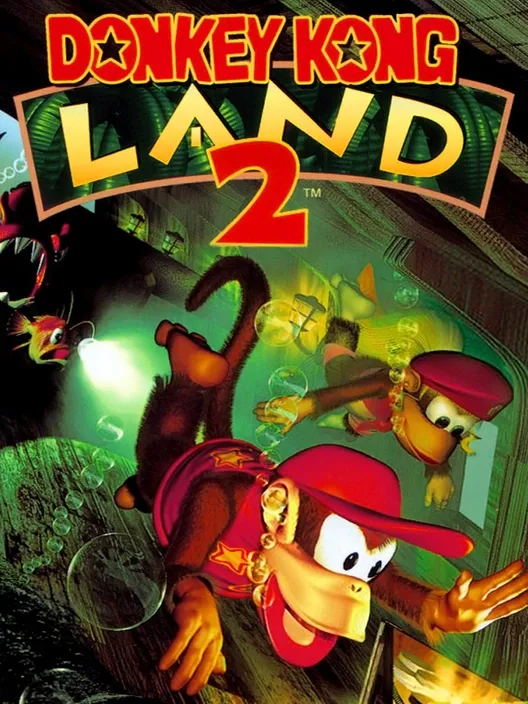
Rare developed Donkey Kong Land 2, which Nintendo released in North America in September 1996 and in Europe in November 1996. It is a Game Boy interpretation of Donkey Kong Country 2: Diddy's Kong Quest, with Diddy and Dixie chasing Kaptain K. Rool through levels that differ from the Super NES original. GamePro gave it 5 out of 5, and GameRankings lists it at 79 percent from retrospective reviews. It sold about 1.5 million copies by 1997. Nintendo Power felt it resembled the Super NES game too closely, and all four Famitsu reviewers scored it only 6 out of 10. Stage names and world themes come from Donkey Kong Country 2, but the level designs differ, with Castle Crush becoming Dungeon Danger. Super Game Boy support added color and a banana-themed border. It is an impressive technical showpiece for a monochrome handheld.
26. Mega Man Xtreme#
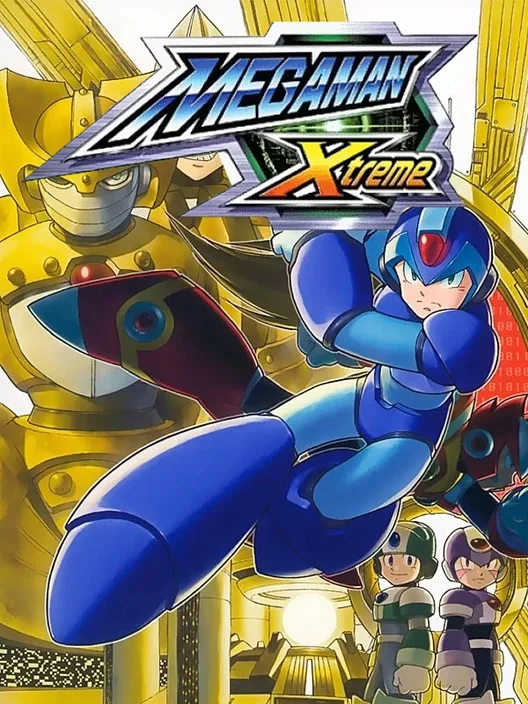
Capcom released Mega Man Xtreme on the Game Boy Color in Japan in October 2000 and in North America in January 2001. It is a condensed version of the Mega Man X games, with the same dash and wall-jump moves in colorful stages. It holds a GameRankings score of 79 percent, and critics appreciated the familiar gameplay and colorful levels. Reviewers criticized graphical flicker, frame-rate problems and tinny sound, and one critic called the transition from the SNES games rough. Difficulty was a near-universal complaint. It is a competent if rough attempt to condense a 16-bit action series onto a Game Boy Color, even if it does not quite hit the mark. Critics singled out the strong protagonist animation and accessible controls, which suit younger players, but the technical limits and steep difficulty keep it below the best of the platform.
27. Gargoyle's Quest#
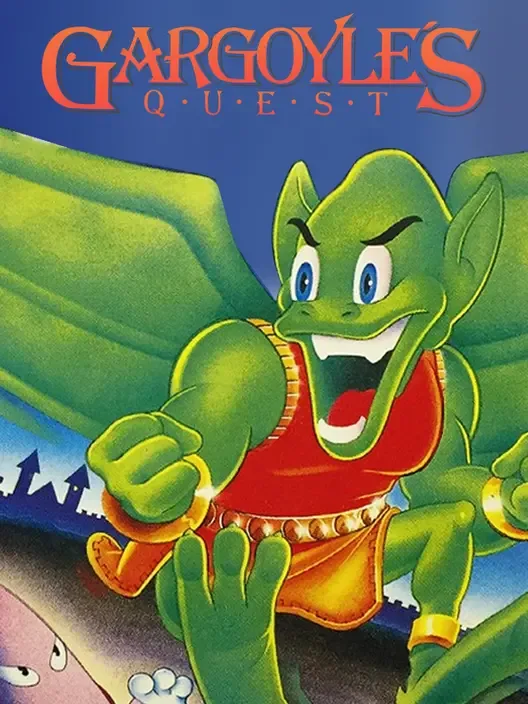
Capcom released Gargoyle's Quest in May 1990 in Japan and in July 1990 in North America. It follows the demon Firebrand through a mix of side-scrolling platforming and top-down role-playing sections, with towns, a world map and random overhead battles. GamePro predicted it would be a system seller, Nintendo Life called it beautiful in its simplicity and satisfying in its depth, and Game Informer ranked it 18th on its list of the best Game Boy games. The game set up the prequel Gargoyle's Quest II and the Super NES sequel Demon's Crest. Its overhead sections rely on random battles, which can slow the pace. Firebrand, known as Red Arremer in Japan, gains abilities such as wall-clinging and hovering as the adventure progresses. It is a distinctive early Game Boy classic.
28. Shantae#
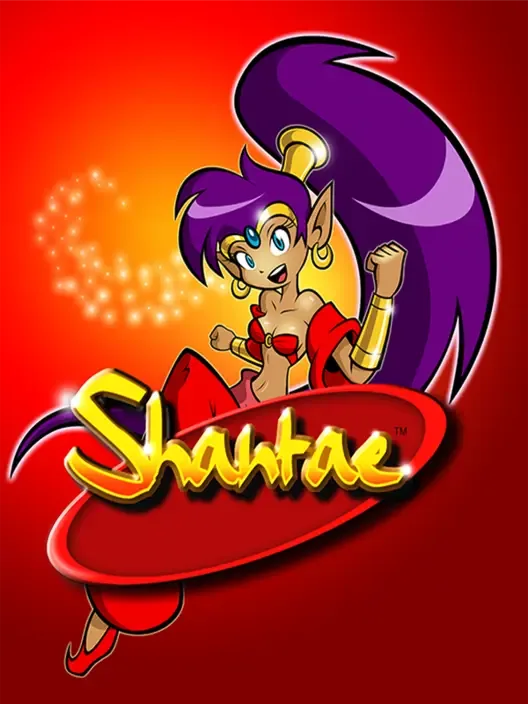
WayForward developed Shantae for Capcom, released on the Game Boy Color in North America in June 2002. The half-genie heroine explores towns and dungeons in a Metroid-style adventure and uses hair whips and dance transformations to progress. It holds a GameRankings score of 78 percent, and IGN gave it 9 out of 10. Nintendo Power noted that it outclasses most Game Boy Advance games. Game Informer, however, gave it only 3 out of 10, and reviewers noted repetitive music. Because Capcom printed only about 20,000 to 25,000 copies and the Game Boy Advance was already established, it was a commercial disappointment and is now one of the most sought-after Game Boy Color cartridges. It turned into a cult classic and a long-running series.
29. Mega Man V#
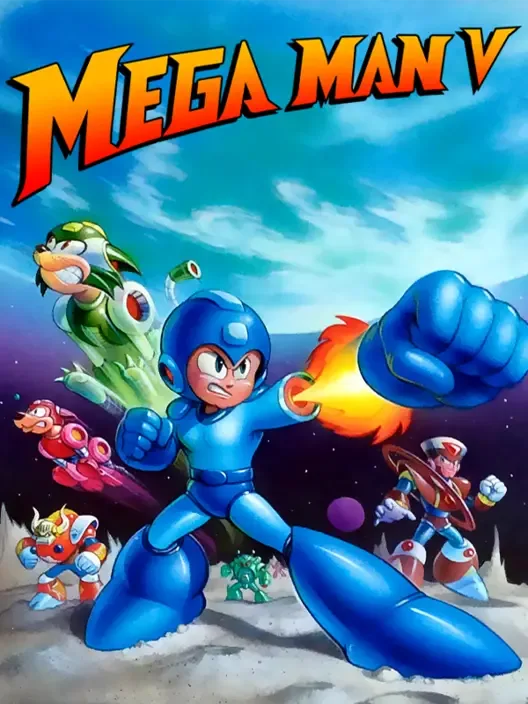
Minakuchi Engineering developed Mega Man V for Capcom, released in Japan in July 1994 and North America in September 1994. It was the first Game Boy Mega Man with entirely original bosses, the Stardroids named after planets, and it introduced the Mega Arm and the cat companion Tango. It holds a GameRankings score of about 76 percent, and Nintendo Power ranked it 14th among the best Game Boy and Game Boy Color games, praising it as the best of a quality series. Critics wrote that it changes very little from earlier installments and one reviewer called it a rehash, though still a pretty fun game. It remains the most ambitious of the five Game Boy Mega Man games. Stages can be tackled non-linearly against bosses named after Mercury through Pluto plus Terra, and the Mega Arm detaches to strike enemies before returning.
30. Blaster Master: Enemy Below#
Sunsoft's British studio developed Blaster Master: Enemy Below for the Game Boy Color, released in Japan in February 2000 and in North America in September 2000. It combines side-scrolling vehicle levels and top-down on-foot levels and requires collecting keys to reach boss encounters. It holds a GameRankings score of 76 percent. Game Informer praised its length and challenge, and GameSpot highlighted the password save function and high-quality visuals. IGN and Hardcore Gaming 101 called it a solid entry in the series but felt it offered little new, and critics consistently faulted the overhead controls. It was a solid return of the series and made good use of the Game Boy Color's palette, with visuals GameSpot found surprisingly strong for the hardware.
31. Super Mario Land#
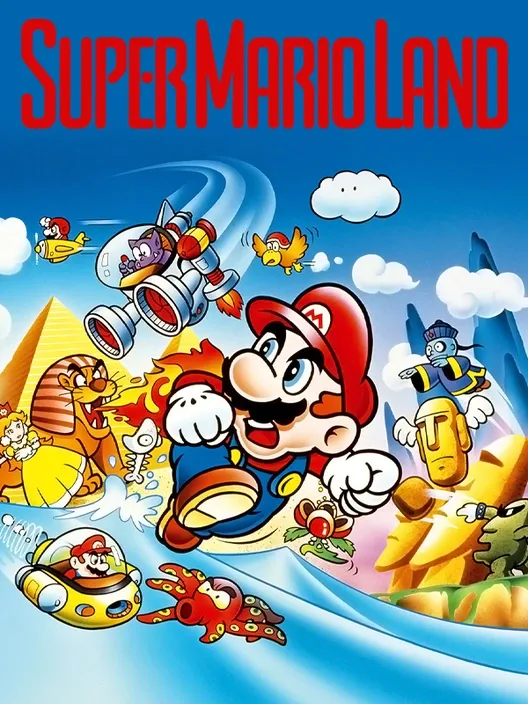
Nintendo R&D1 released Super Mario Land in April 1989 in Japan and July 1989 in North America as one of four launch titles for the Game Boy. It was the first Mario game made without Shigeru Miyamoto directing, and it put Mario in Sarasaland to rescue Princess Daisy, with two shooter stages inspired by Gradius. Contemporary reviewers praised it as an arcade machine in your pocket. It sold over 25 million copies worldwide, making it the fourth best-selling Game Boy game. Retrospective critics found it very short, as it can be finished in under an hour. Its short length and experimental design place it below its sequel, but its historical importance is undeniable. One contemporary reviewer called it easily the best Game Boy cart available at the time, and it outsold Super Mario Bros. 3.
32. Kid Icarus: Of Myths and Monsters#
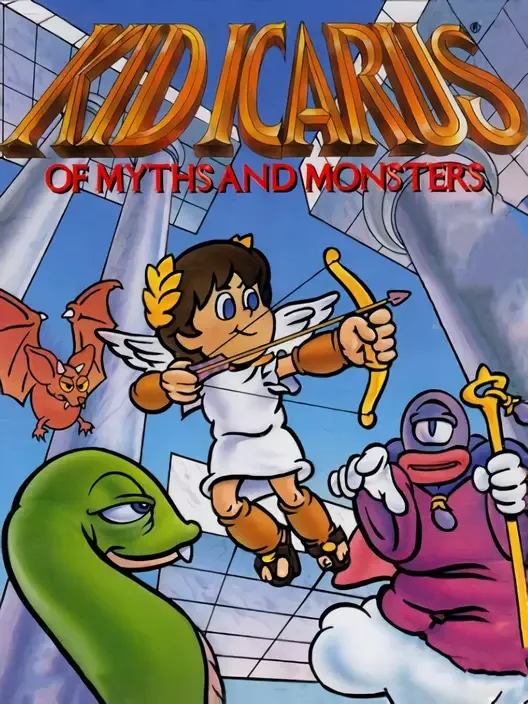
Nintendo and Tose developed Kid Icarus: Of Myths and Monsters, released in North America in November 1991 and in Europe in May 1992. Pit scales stages that can scroll in every direction, shoots with his bow, and visits shops and other chambers on his quest to recover three sacred treasures. It was never released in Japan until the 3DS Virtual Console in 2012. Nintendo Power ranked it 18th among the best Game Boy games, and critics praised its controls and music. It was the last Kid Icarus game for 21 years, until Kid Icarus: Uprising. One reviewer called it a solid title that has been undeservedly all but forgotten, and the free four-directional scrolling was a step beyond the NES original.
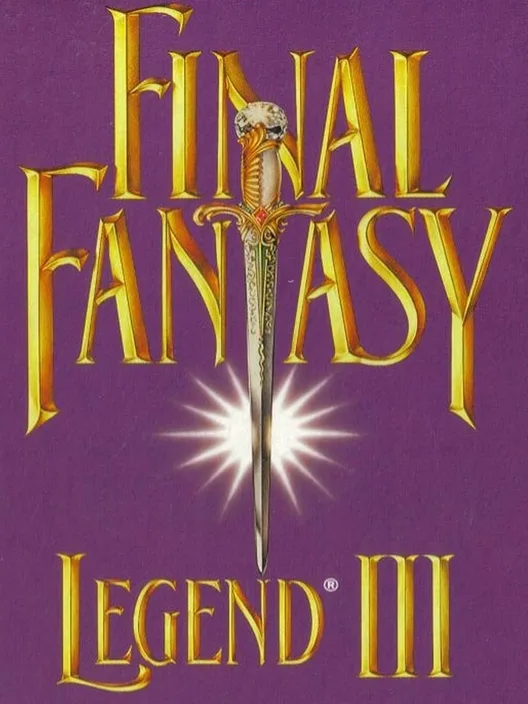
33. Final Fantasy Legend III#
Square developed the third Game Boy SaGa game, released in Japan in December 1991 and North America in August 1993. Its time-travel structure, in which a party jumps between past and future to save the world, was the game's key attraction. Electronic Gaming Monthly gave it an Editor's Choice Gold Award, and IGN found it accessible to newcomers. It sold about 650,000 copies in Japan, the weakest showing among the original SaGa games, though it topped Japanese charts from December 1991 into January 1992. IGN criticized its dated graphics and soundtrack. It was the last of the three original Game Boy Legend games.
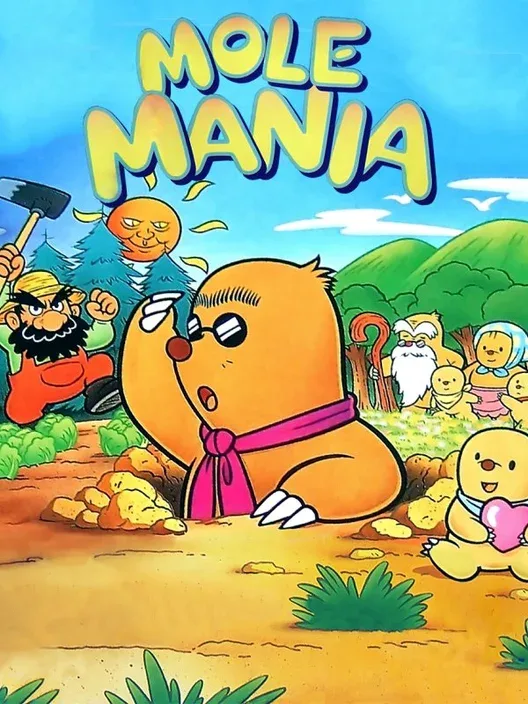
34. Mole Mania#
Nintendo EAD and Pax Softnica developed Mole Mania, which Nintendo released in Japan in July 1996 and in North America in February 1997. Muddy Mole digs tunnels across seven worlds to push, pull and throw a black ball to reach gates. IGN gave it 8.0 out of 10, and Nintendo Power gave it 3.4 out of 5. It sold only 89,407 copies in Japan in its lifetime. Nintendo Life praised its crisp visuals, amusing cutscenes and soundtrack but found the controls troublesome in bonus rounds. It is a sleeper hit for puzzle fans that sold modestly. Muddy is trying to rescue his family from the cabbage farmer Jinbe, and wrongly placed holes can make a level impossible to finish.