

The NES rescued the home console business after the 1983 crash and set the template for almost every genre that followed, from the side-scrolling platformer to the console role-playing game. The list covers its whole life, from the 1985 launch titles to late-era cartridges such as Kirby's Adventure, and it includes a handful of Japan-only Famicom games that shaped the system's legacy. Every game is judged on the NES or Famicom version, and each entry notes what has aged badly, because 8-bit design could be both brilliant and brutal.
1. Super Mario Bros. 3#
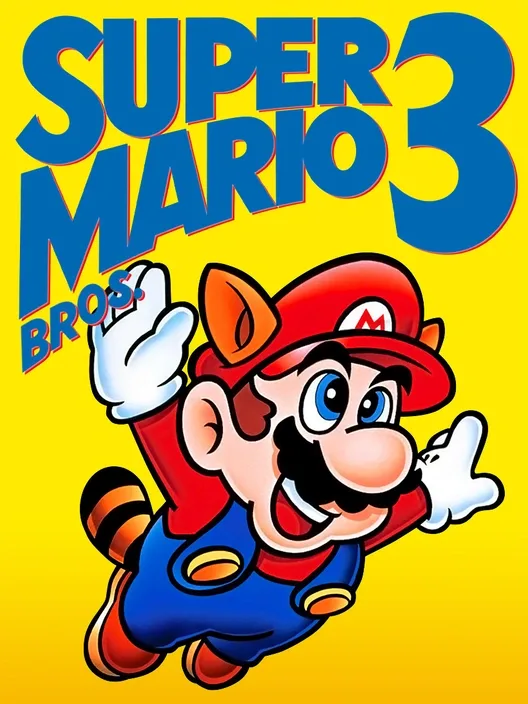
Nintendo's R&D4 team released Super Mario Bros. 3 in Japan in October 1988 and in North America in February 1990. It turned the platformer into an adventure with a world map, a stockpile of power-ups such as the Raccoon Leaf and Frog Suit, and eight distinct worlds full of surprises. Game Informer put it ninth on its top 200 in 2009, and it is frequently cited as the best game released on the NES. It won Best Action Game at Famitsu's 1988 awards and sold more than 17 million copies. The main complaints are minor: a few late stages lean on trial and error, and there is no way to save progress. It remains the standard against which 2D platformers are measured.
2. The Legend of Zelda#
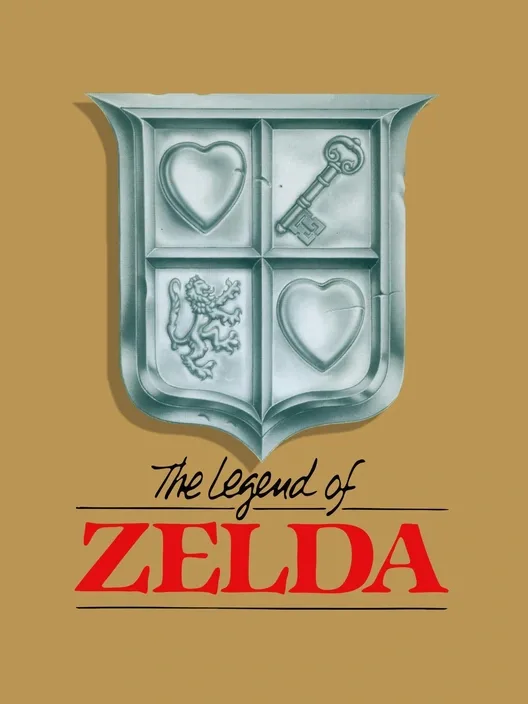
Released in Japan in February 1986 on the Famicom Disk System and in North America in August 1987, The Legend of Zelda gave players an open world and let them decide where to go first. Its secrets, hidden dungeon entrances and tightly designed labyrinths made exploration itself the reward. It was one of the first console games to include a battery so progress could be saved, and it sold about 6.5 million copies. Game Informer ranked it first in its 2001 top 100, and Nintendo Power placed it seventh in its top 200. It was inducted into the World Video Game Hall of Fame in 2016. Some dungeon puzzles are cryptic without a guide, and the combat is simple, but the sense of discovery has rarely been matched.
3. Super Mario Bros.#
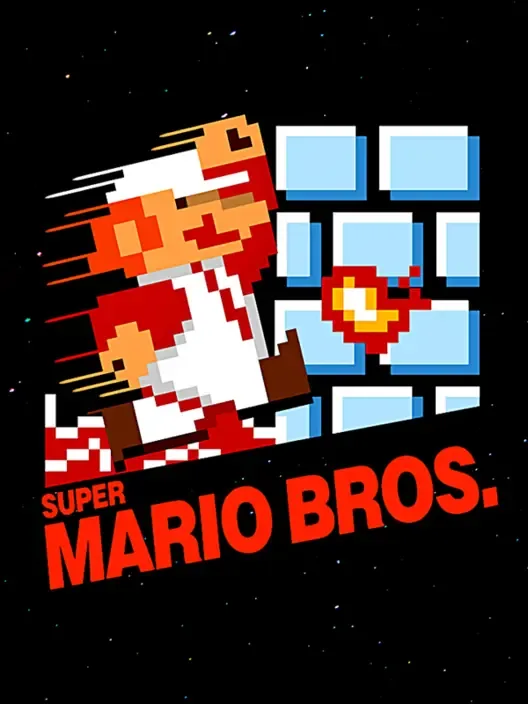
Shigeru Miyamoto and Takashi Tezuka's Super Mario Bros. launched on the Famicom in September 1985 and on the NES a month later in North America. World 1-1 teaches jumping, running and enemy stomping without a single line of instruction, and Koji Kondo's music made the game instantly recognisable. It helped revive the video game industry after the 1983 crash, and the NES original sold over 40 million copies. IGN named it the greatest video game of all time in 2005, and Game Informer called it a monument to brilliant design in 2009. Compared with its sequel it has a small set of power-ups and no way to save, and the Minus World glitch remains a curiosity rather than a feature. As a foundation for the entire genre it is unmatched.
4. Mega Man 2#
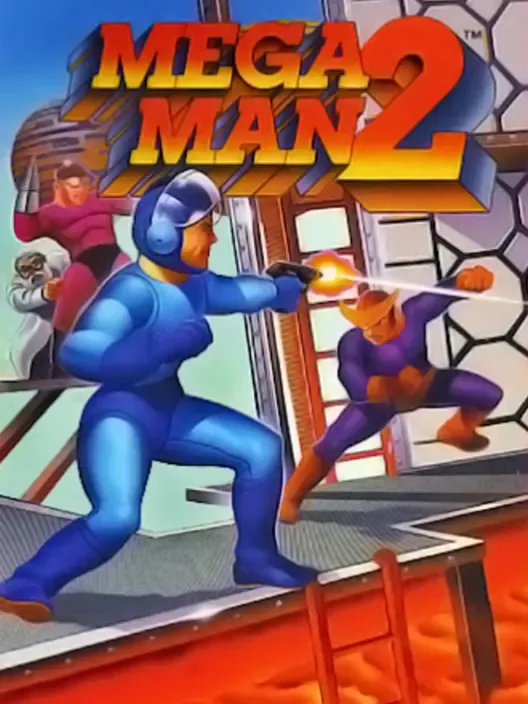
Capcom released Mega Man 2 in Japan in December 1988 and in North America in June 1989. It refined the original with a password system, eight Robot Masters with memorable weapons, and a soundtrack still counted among the best in video games. IGN ranked it fourth on its list of the best NES games and gave it 9.5 out of 10, while Game Informer placed it 32nd in its 2001 all-time top 100 and Nintendo Power put it 33rd in its top 200. It sold over 1.5 million copies. The main criticism is that the game is easier than the first, and some Robot Master weapons are so strong that they trivialise certain fights. It remains the entry many fans consider the series peak.
5. Metroid#
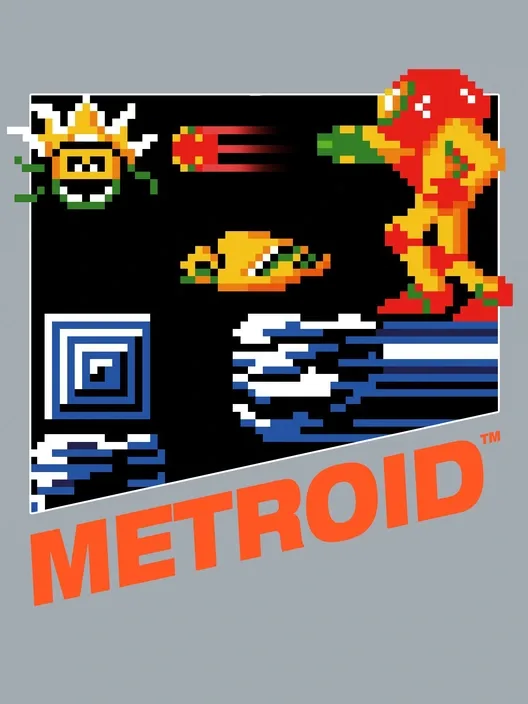
Nintendo R&D1 and Intelligent Systems released Metroid on the Famicom Disk System in August 1986 and on the NES in North America in August 1987. It sent Samus Aran through an interconnected planet where new abilities opened old paths, creating the exploration design later known as Metroidvania. Its lonely atmosphere and the reveal that the bounty hunter is a woman were remarkable in 1986. Nintendo Power ranked it 11th on its top 200 Nintendo games list, Game Informer ranked it seventh in its 2009 top 200, and GameSpot inducted it into its greatest games list. It sold about 2.7 million copies. The lack of an in-game map, the password saves and the repetitive shafts feel dated today, but the game's structure changed action-adventure design for good.
6. Mike Tyson's Punch-Out!!#
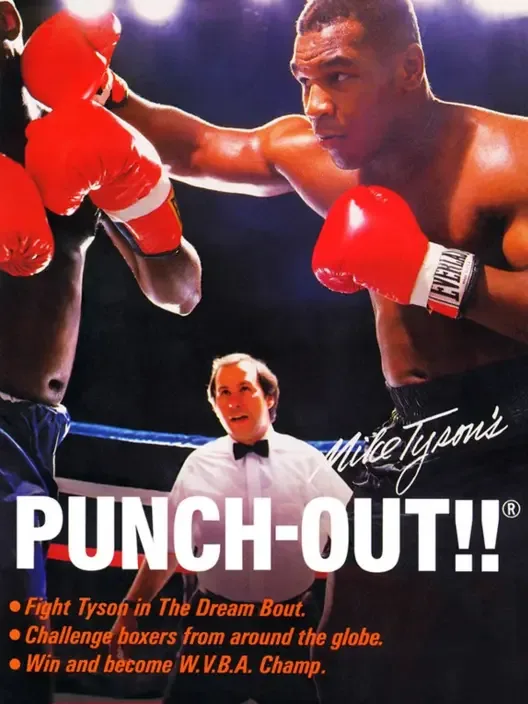
Nintendo R&D3 released Punch-Out!! in Japan in September 1987 and in North America the following month as Mike Tyson's Punch-Out!!. Each opponent is a pattern puzzle disguised as a boxing match, with oversized sprites, cartoon personalities and a punchy rhythm that rewards observation over button-mashing. It sold over two million copies in North America by 1988, one of only two NES games to reach that mark that year alongside The Legend of Zelda. Nintendo Power placed it 17th in its top 200 Nintendo games. Nintendo's licence with Tyson ended in 1990, and the boss was replaced by the fictional Mr. Dream, the version found in later re-releases. The later fights are unforgiving and the game offers no multiplayer, but it is among the most polished action games on the console.
7. Castlevania#
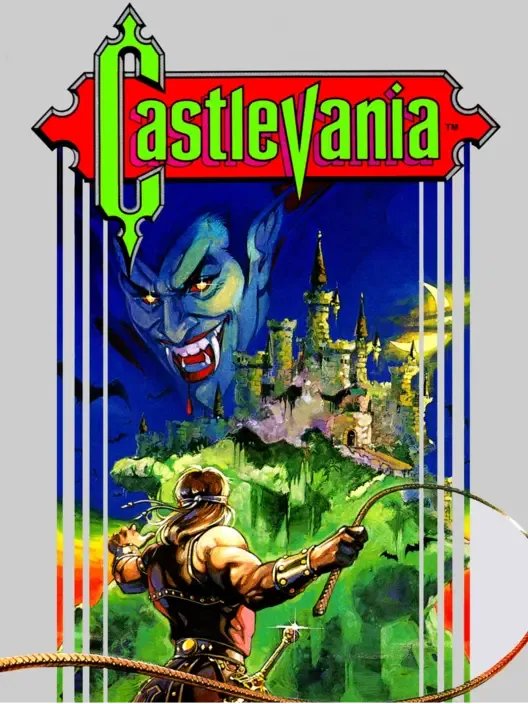
Konami's Castlevania appeared on the Famicom Disk System in September 1986 and on the NES in North America in April 1987. Simon Belmont's whip-driven march through Dracula's castle is defined by deliberate movement, iconic bosses such as Death and Frankenstein's monster, and a gothic soundtrack that still gets covered decades later. IGN ranks it 19th among NES games, Nintendo Power placed it 22nd on its 2006 list of the top 200 Nintendo games, and Game Informer placed it 48th in its 2001 top games list. It sold over a million copies. The rigid jumping, which cannot be altered mid-air, and the knockback that sends Simon into pits are the classic complaints. It remains a benchmark for atmosphere in 8-bit action.
8. Castlevania III: Dracula's Curse#
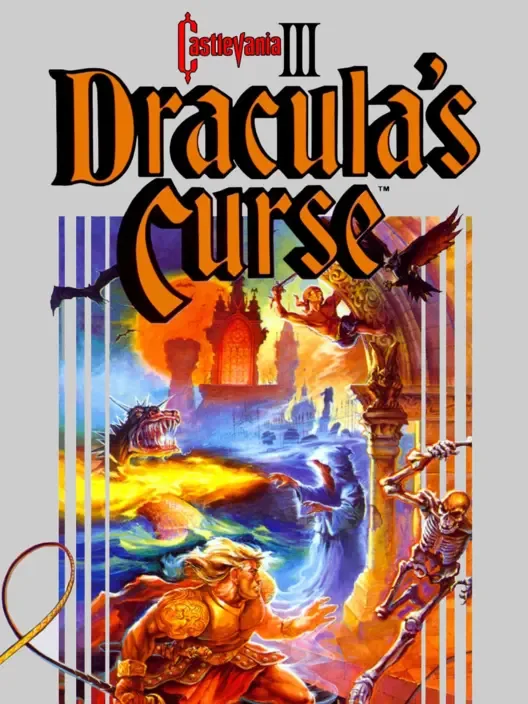
Konami released Castlevania III: Dracula's Curse on the Famicom in December 1989 as Akumajou Densetsu and in North America in September 1990. The prequel stars Trevor Belmont and breaks with the linear structure of its predecessors: after the first stage the player chooses between branching routes, leading to several endings, and can recruit one of three partners, Sypha, Grant or Alucard, each with their own abilities. The Japanese cartridge carried an extra sound chip, while Western releases used Nintendo's MMC5, so the music was adapted to the standard NES channels. IGN ranks it fifth among NES games, and Allgame called it the greatest Castlevania on the console. The difficulty is severe and the knockback is as cruel as ever, but the ambition and the soundtrack make it a peak of 8-bit action.
9. Dragon Warrior#
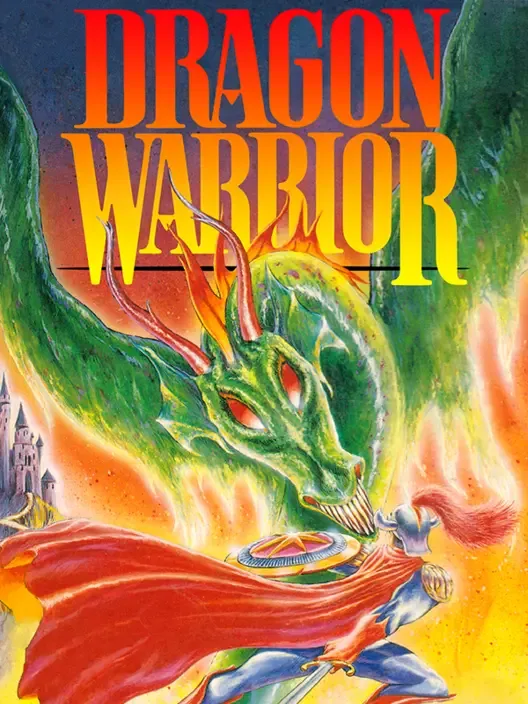
Known as Dragon Quest in Japan, the game was created by Yuji Horii and developed by Chunsoft. It launched on the Famicom in May 1986 and reached North America as Dragon Warrior in August 1989, where Nintendo gave away copies to Nintendo Power subscribers. It sold about 1.5 million copies in Japan and is described as the template for console role-playing games, with its overworld, one-on-one battles and a quest to rescue a princess. Its limitations are obvious today: a handful of spells, one enemy at a time and long grinding sessions in the same fields. As the game that made Japanese RPGs a national obsession, it is essential.
10. DuckTales#
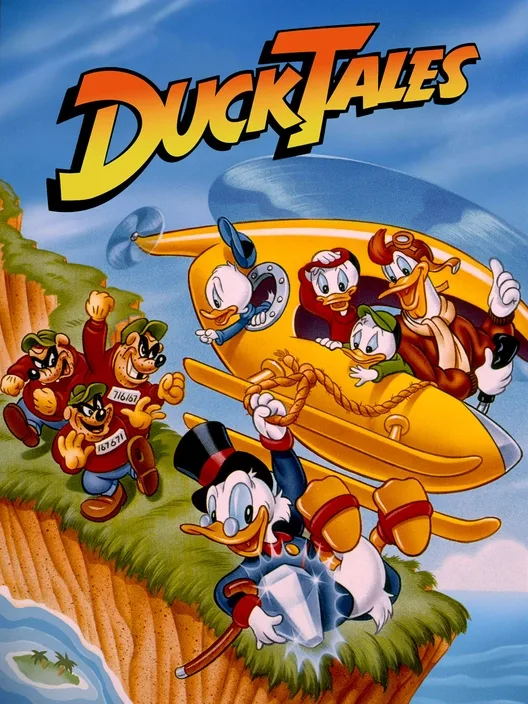
Capcom released DuckTales in North America in October 1989, and a team including Keiji Inafune made it from Mega Man's engine and design ideas. Scrooge McDuck bounces on his cane like a pogo stick across five open-ended levels, choosing his own route in a way most platformers of the time did not allow, and the Moon Theme is among the best pieces of 8-bit music. IGN ranks it tenth among NES games and Nintendo Power ranked it 13th in 2008. It was Capcom's best-selling game on the NES, at roughly 1.67 million copies. The game is short and not especially hard, and its collision is forgiving to a fault. A 2013 remaster from WayForward gave the game new visuals and voice acting for those who want a modern version.
11. Final Fantasy#
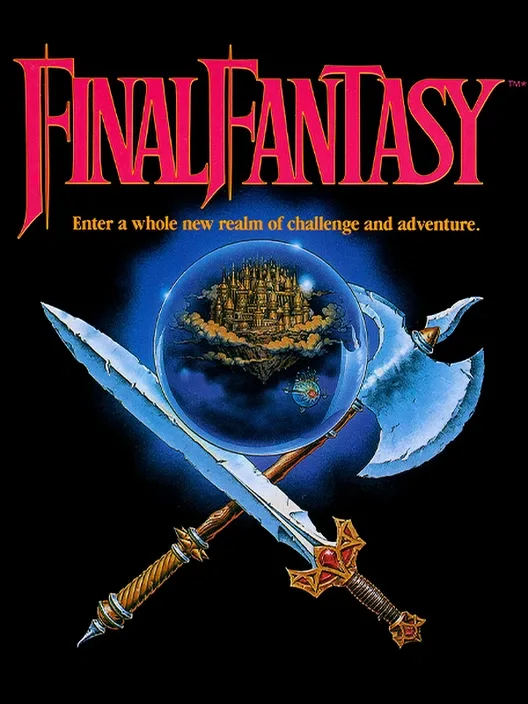
Square released Final Fantasy in Japan in December 1987 and in North America in July 1990. Hironobu Sakaguchi's team put a party of four in a side view with a class system, magic and an airship, and created a fantasy adventure that was surprisingly ambitious for its cartridge. IGN ranks it 11th among NES games and GamesRadar placed it eighth. The game shipped 1.3 million copies worldwide by 1994 and established a series that would define the genre. Critics point to the grinding, the pacing and some spell bugs that make it the roughest entry in the early series. It also had no official European release until Final Fantasy Origins in 2003. Even so, it helped legitimise the role-playing game on consoles alongside Dragon Quest.
12. Contra#
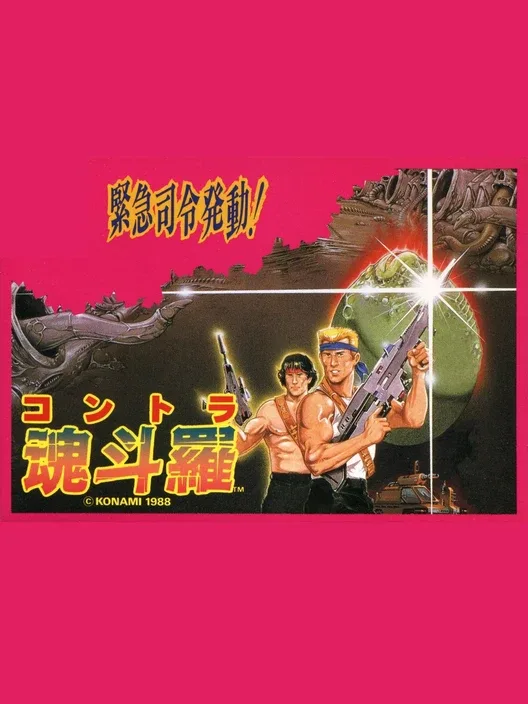
Konami adapted its arcade shooter Contra for the Famicom in February 1988, with the NES version following in North America the same month. The two-player run-and-gun blends side-scrolling and pseudo-3D base stages, a spread gun that feels like a reward for every pickup, and a relentless pace. Electronic Gaming Monthly named it Best Action Game of 1988, and the home version became the standard for the genre. It sold about two million copies, and IGN ranks it 12th among NES games while Nintendo Power placed it seventh on its NES list. It gave the world the Konami Code, which grants thirty lives. Without the code the difficulty is severe, and the European version was released as Probotector with robot characters because of German content rules.
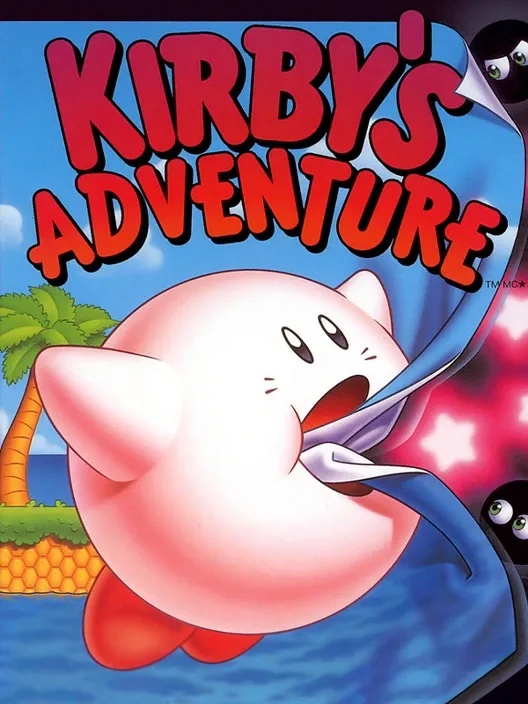
13. Kirby's Adventure#
HAL Laboratory released Kirby's Adventure in 1993, directed by Masahiro Sakurai, at the very end of the NES lifespan. It added the Copy Ability that defined the series, and it made the pink hero a star with a bright, colourful look that pushed the ageing hardware, from the first appearance of Meta Knight to a huge range of powers. GamePro named it NES Game of the Year for 1993, and it topped the Famitsu sales charts in May 1993. IGN ranks it 27th among NES games. Critics noted that the sprites are small and the game is short and easy for experienced players. The 2002 Game Boy Advance remake Kirby: Nightmare in Dream Land is the alternative for those who want a redone version.
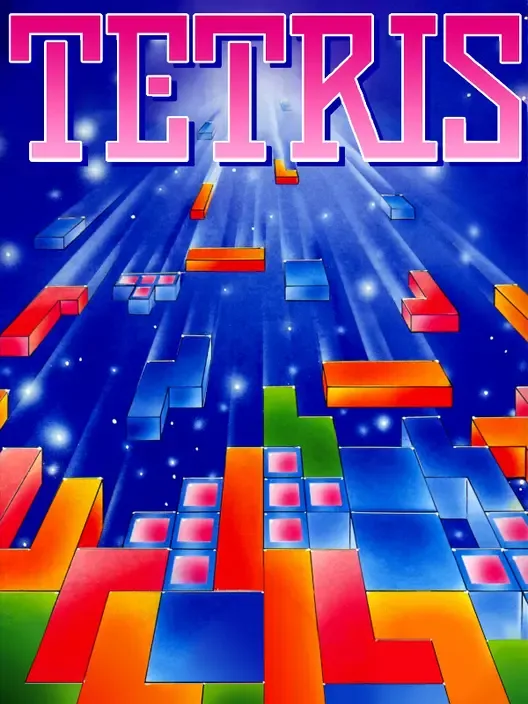
14. Tetris#
Nintendo published its NES version of Tetris in North America in November 1989 and in Europe in February 1990, after the company won the console rights from Soviet authorities and Atari Games' Tengen version was recalled. Alexey Pajitnov's puzzle needs no explanation, and the Nintendo release is a clean, fast version with A-Type and B-Type modes and cheerful music. It sold about 1.5 million copies in its first six months. American reviewers at first preferred the Tengen version, but Nintendo's release went on to sell far more. The Classic Tetris World Championship, established in 2010, has kept it competitive, and in 2023 thirteen-year-old Willis Gibson became the first documented player to crash the game, in December 2023. It lacks two-player play and the level 29 kill screen is harsh, but it is a timeless design.
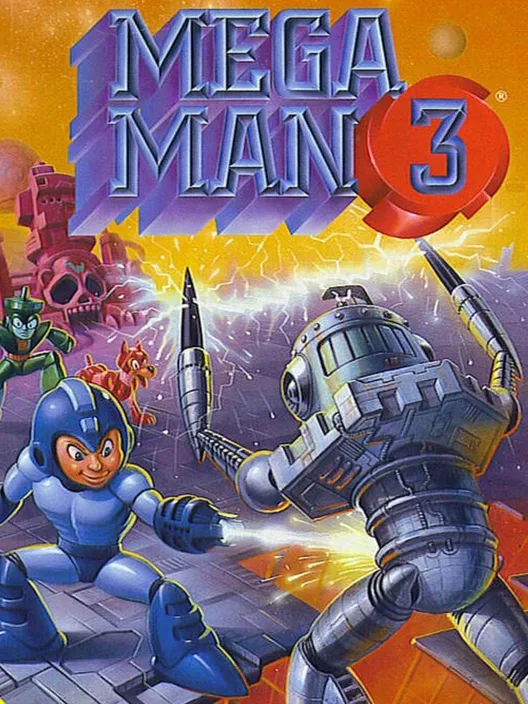
15. Mega Man 3#
Capcom released Mega Man 3 in Japan in September 1990 and in North America in November 1990. It introduced the slide, the robot dog Rush and the rival Proto Man, and its eight Robot Masters are joined by a set of Doc Robot stages that reuse bosses from the previous game. IGN gave it 9.5 out of 10 and ranks it 16th among NES games, and Nintendo Power readers voted it the third-best game of 1990. It sold over a million copies. Difficulty is the main complaint: GamePro joked that it was easier to lift a car than to beat it, and heavy sprite activity brings flicker. Keiji Inafune has said the development was stressful, but the result remains a fan favourite.
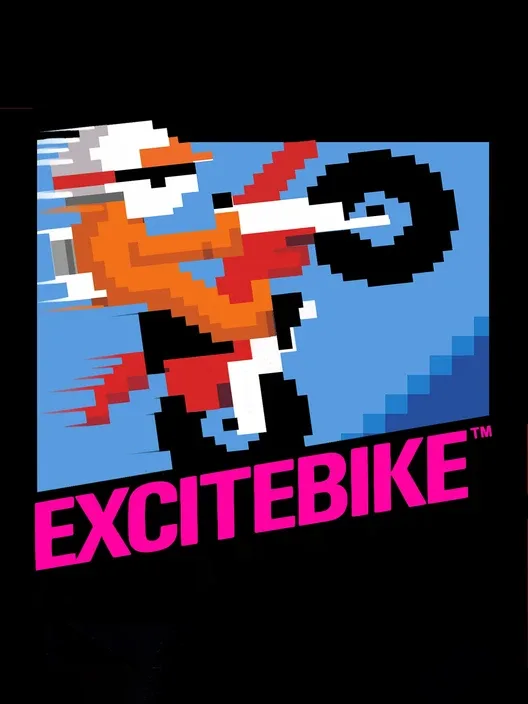
16. Excitebike#
Nintendo R&D4 released Excitebike in Japan in November 1984 and in North America in October 1985. Shigeru Miyamoto's motocross racer let players manage engine heat, land jumps at the right angle and even build their own tracks in Design Mode, which supported 19 types of obstacles. It ranks 14th on IGN's list of the best NES games and 44th on Game Informer's top 100, and AllGame called it a staple of any NES collection. Its side-scrolling engine also helped shape the smooth acceleration of Super Mario Bros. The game is short, has few tracks and lacks a two-player race, so its fun comes from chasing better times. The Design Mode still feels ahead of its time.
17. Ninja Gaiden II: The Dark Sword of Chaos#
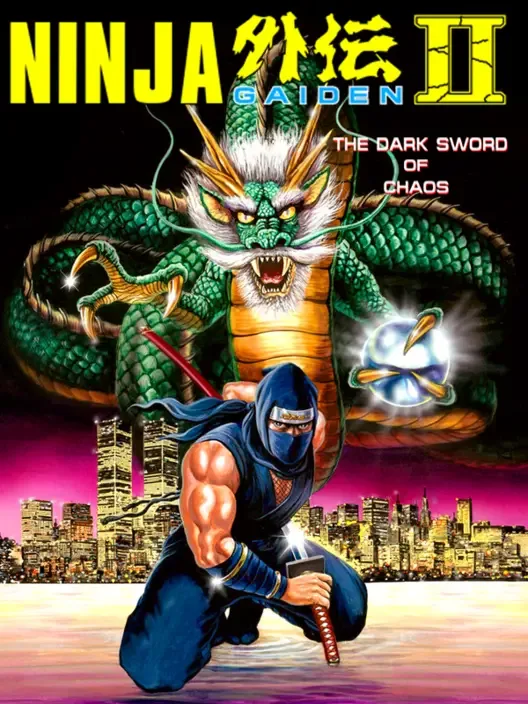
Tecmo released Ninja Gaiden II: The Dark Sword of Chaos in Japan in April 1990 and in North America in May 1990. It took the original's cinematic cutscenes and refined the action with wall-climbing, shadow clones that follow Ryu Hayabusa and a wider range of environments, including a speeding train. Electronic Gaming Monthly reviewers scored it 9, 9, 9 and 8 out of 10, and the magazine placed it 88th in its 1997 list of the 100 best games. IGN gave it 8.5 out of 10 and described it as a challenge of the kind 8-bit players lived and died for. The story is more generic than the first game's, and the difficulty is fierce. The action is still among the sharpest on the NES.
18. Zelda II: The Adventure of Link#
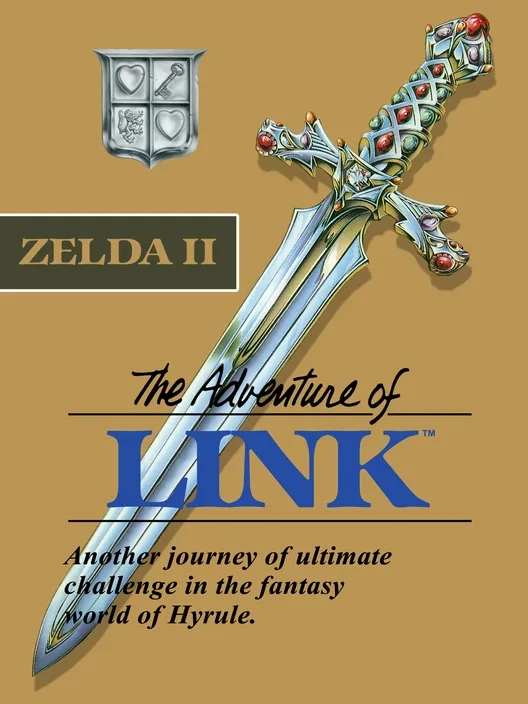
Nintendo R&D4 released Zelda II: The Adventure of Link on the Famicom Disk System in January 1987 and on the NES in North America in December 1988. It swapped the top-down view for side-scrolling combat in dungeons, added experience points and magic, and introduced Dark Link. It sold about 4.4 million copies and was one of the most popular NES games of 1988. Electronic Gaming Monthly ranked it 72nd in its 1997 list of the 100 best games. IGN ranks it 21st among NES games. It is the outlier of the series, and modern players may struggle with its steep difficulty, random encounters and the loss of experience on death. For all that, it is a bold experiment that influenced Faxanadu and other action role-playing games.
19. Kid Icarus#
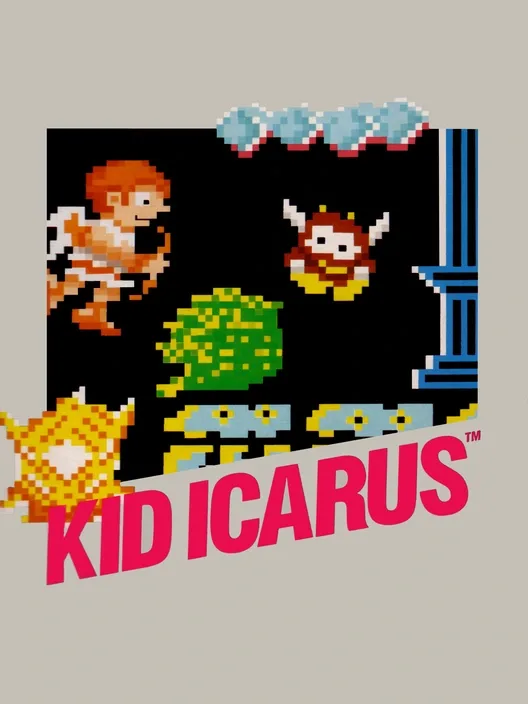
Nintendo R&D1 released Kid Icarus on the Famicom Disk System in December 1986 and on the NES in North America in July 1987. Pit's climb from the Underworld to the Skyworld mixed platforming with role-playing elements, and Hirokazu Tanaka's music is one of the highlights. It sold around 1.76 million copies by 2003 and has a cult following. IGN ranks it 20th among NES games and Game Informer placed it 83rd in its 2001 top games list. Critics acknowledge the unforgiving difficulty, small sprites and frustrating level design, and Famitsu compared it unfavourably with Metroid at the time. The music and the sense of exploring upwards remain fresh, and the game left a clear mark on Nintendo's later work.
20. Blaster Master#
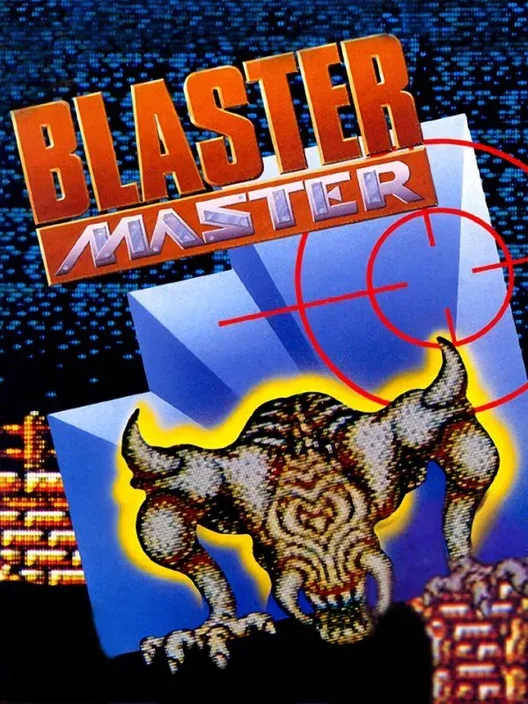
Sunsoft released Blaster Master in Japan as Chou Wakusei Senki Metafight in June 1988 and in North America in November 1988. It alternates between driving a tank through side-scrolling caverns and leaving the vehicle to explore top-down dungeons on foot, with a steady flow of upgrades that open new areas. The mix of exploration, vehicle combat and boss fights was unusually rich for the time, and IGN ranks it 22nd among NES games. It has a bizarre plot involving a runaway frog and a mutant invasion, and the sequel-style reboots in the 2010s show its enduring appeal. The controls feel stiff by modern standards, some upgrades are hidden, and the on-foot sections can be repetitive. It remains one of the most inventive action games on the console.
21. Castlevania II: Simon's Quest#
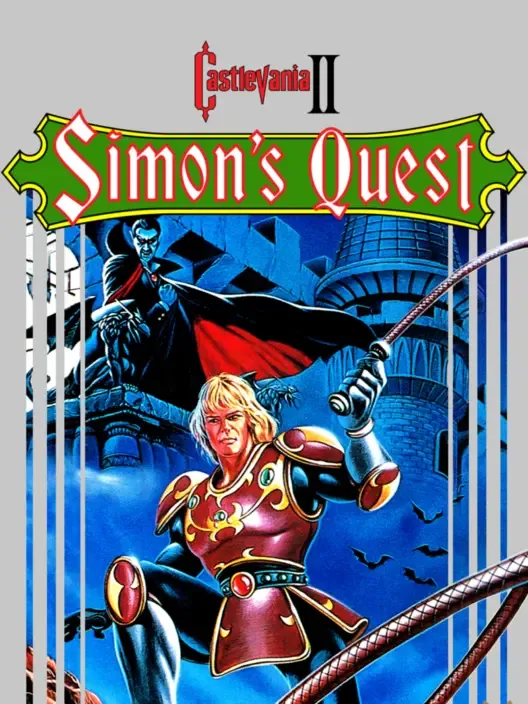
Konami released Castlevania II: Simon's Quest on the Famicom Disk System in August 1987 and on the NES in November 1988. It replaced the linear stage structure with a world to explore, towns with shops, a day and night cycle and experience levels, an approach that influenced Castlevania: Symphony of the Night and the Metroidvania genre. Computer Entertainer wrote that it outdid its predecessor in every way, and the game sold over a million copies. IGN ranks it 25th among NES games. The reputation of the game suffers from cryptic clues and a poor translation, including the infamous advice to hit a cliff with your head, and from grinding for hearts. It is still a fascinating experiment that is best played with a guide beside you.
22. Final Fantasy III#
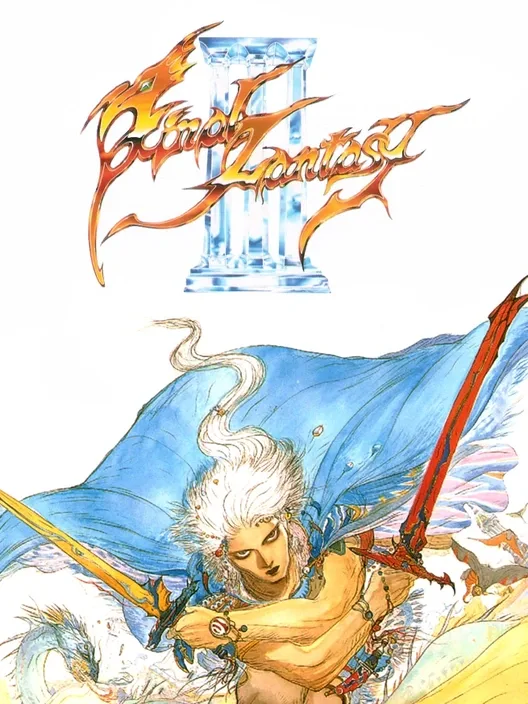
Square released Final Fantasy III on the Famicom in April 1990, and the game stayed in Japan for decades. Its Job System lets characters change classes such as warriors, monks, ninjas, dragoons and summoners, an idea that shaped the series for years. It sold 500,000 copies in its first week, and by 2003 had shipped 1.4 million copies in Japan, outselling the two previous games there. Reviewers praised the job system and combat, but some noted a fast-moving story and the absence of save points in dungeons, which makes the long dungeons tense. The Famicom original never left Japan, and the 2021 Pixel Remaster brought the game to a wider audience on PC and mobile platforms. It is the finest 8-bit chapter of the series.
23. Dragon Warrior IV#
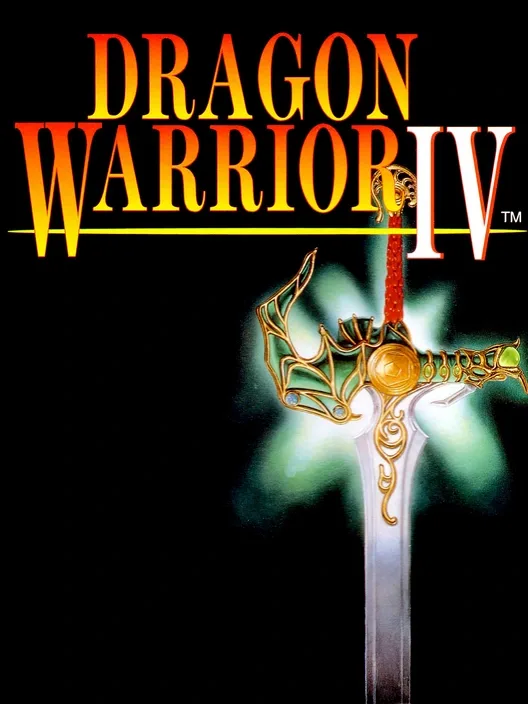
Dragon Quest IV arrived on the Famicom in February 1990, and the NES localisation, Dragon Warrior IV, followed in October 1992 as the last Dragon Quest game Enix America released. Its five-chapter structure gives each party member a story before the hero's own adventure begins, and its AI tactics system lets players give general orders to allies. It won the Best Game Grand Prize and Best RPG at the 1990 Famitsu awards, and Electronic Gaming Monthly called it easily the best RPG ever released for the NES. IGN ranks it 39th among NES games. The pace is slow, random battles are frequent and the AI can waste healing, so the game rewards patience. It is the high point of the series on the console.
24. Dragon Warrior III#
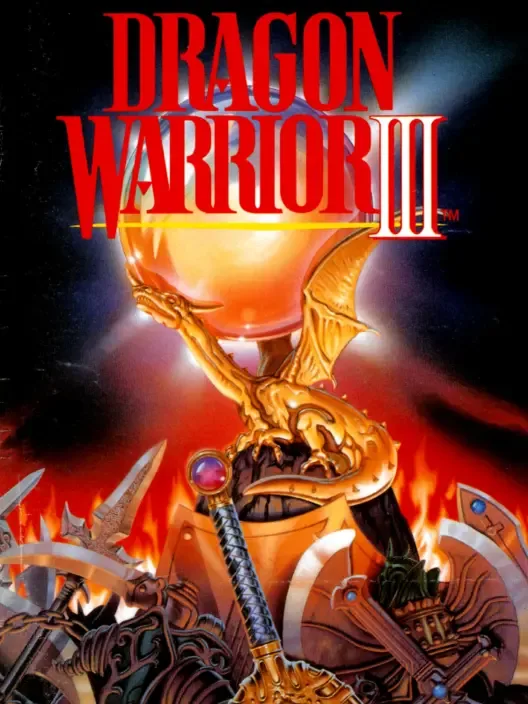
Dragon Quest III came out on the Famicom in February 1988 and reached North America as Dragon Warrior III in March 1992. Yuji Horii's design, with Akira Toriyama's character art, gave players a party of their own creation, a class system and a world with a day and night cycle. In Japan it sold over a million copies on the first day, went on to sell 3.8 million copies and won Game of the Year, Best RPG and Best Character Design at the 1988 Famitsu awards. In the West it arrived after the 16-bit consoles and seemed dated, and its graphics and interface are clumsy. Its reputation has grown since, and IGN lists it among the top 100 NES games. The grand finale still lands.
25. Mega Man#
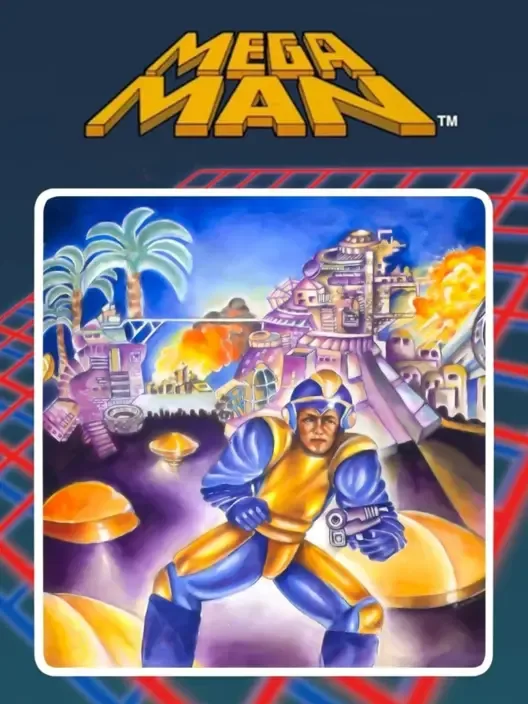
Capcom's original Mega Man arrived in December 1987 in Japan and North America. It introduced the idea of choosing your stage order and taking a defeated boss's weapon, with six Robot Masters . AllGame gave it five stars, and it won the Golden Joystick Award for Best Console Game in the 8-bit category in 1990. IGN ranks it 30th among NES games, It began as a sleeper hit, helped by word of mouth after weak box art hurt early sales. It is very hard and short, and its rough edges were smoothed in the sequels, but it laid the foundation for one of the most beloved series of the era.
26. R.C. Pro-Am#
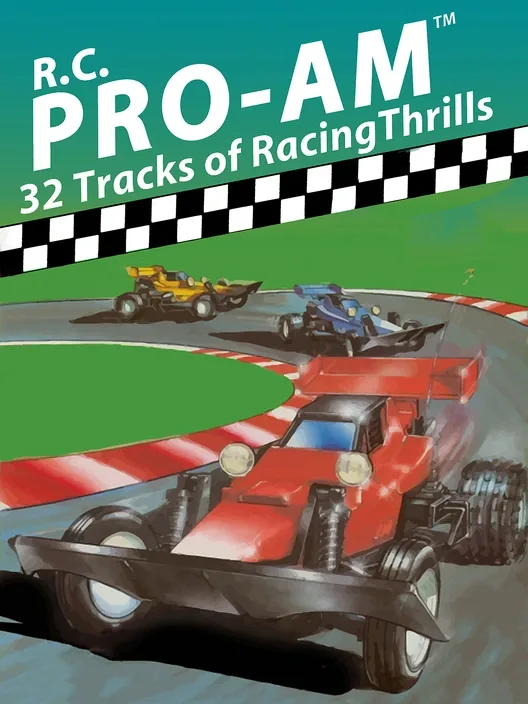
Rare developed R.C. Pro-Am and Nintendo published it in February 1988 in North America. Its isometric radio-controlled car racing, with weapons, upgrades and tracks full of hazards, felt quite different from the first-person racers of the day, and David Wise composed the music. It sold 2.3 million copies worldwide. Nintendo Power placed it sixth in its first NES Top 30 in July 1988, IGN ranks it 13th among NES games and Game Informer placed it 84th in its 2001 top 100. It helped establish Rare as a major NES developer, and it influenced Mario Kart and Rock n' Roll Racing. The difficulty ramps up sharply.
27. StarTropics#
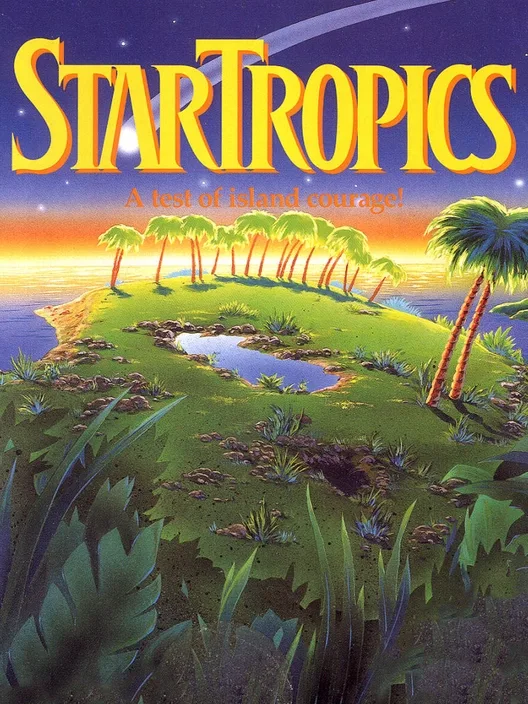
Nintendo R&D3 and Locomotive Corporation released StarTropics in North America in December 1990, with a European release in 1992. It was never officially released in Japan. Genyo Takeda, who created Punch-Out!!, produced this top-down adventure in which Mike Jones travels to a tropical archipelago armed with a yo-yo. Its packaging included a letter with a hidden code that had to be dipped in water, a memorable fourth-wall trick. IGN called it the natural evolution of the original Legend of Zelda, and Nintendo Power placed it 64th in its 1997 list. Critics found it derivative of Zelda at times, and the jumping rooms can frustrate. It is a well-crafted adventure.
28. Baseball Stars#
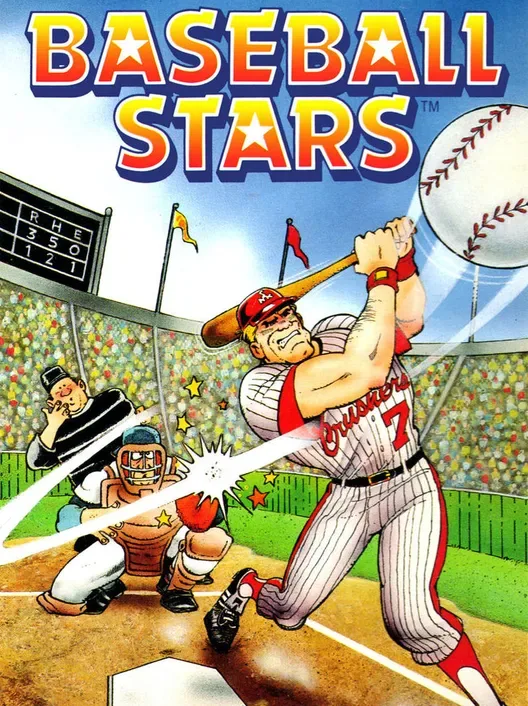
SNK released Baseball Stars for the NES in 1989. It let players create and manage their own teams, spend prize money on training players in RPG-style progression and even recruit female players through a hidden option. It was the first baseball game with a battery backup for season play, and it pioneered the create-a-player idea that later sports games took as standard. It is widely considered the best baseball game on the NES. Electronic Gaming Monthly placed it 87th in its 1997 list of the 100 best games and IGN ranks it 28th among NES games. The graphics are plain and the fielding is basic by later standards, but the depth of the team management makes it a landmark for sports games.
29. Faxanadu#
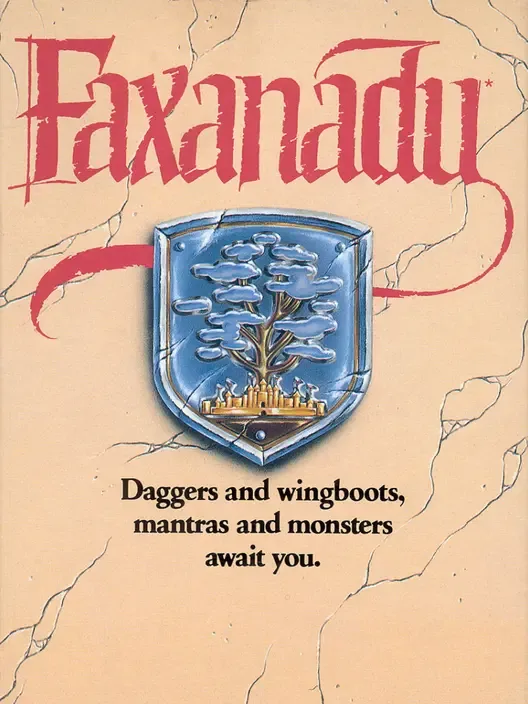
Hudson Soft released Faxanadu in Japan in November 1987, and Nintendo published it in North America in August 1989. This side-scrolling action role-playing game, a spin-off of the Dragon Slayer series, sends the player through the branches of a giant world tree. It borrows from Zelda II and Castlevania II, with towns, shops and gear upgrades, but it is more focused. GameRankings shows an aggregate of 75 percent, and IGN ranks it 36th among NES games and called it a hidden gem. Retro Gamer placed it 16th among NES games. The password save system is inconvenient, and the pace is slow, but the atmosphere is rich and the game is more accessible than many of its peers.
30. Battletoads#
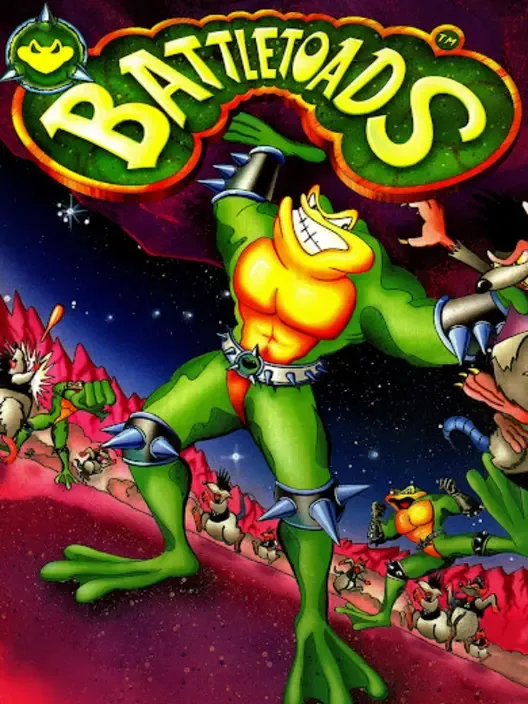
Rare's Battletoads reached North America in June 1991 with Tradewest as publisher, and it was built to rival the Teenage Mutant Ninja Turtles. It mixes beat-'em-up stages with a speed bike chase, a vertical descent and a space-board race, and it won several categories at the 1991 Nintendo Power Awards, including Overall Best Game for the NES. It sold about 1.25 million copies in the US by September 1992. It is also known as one of the most difficult games ever made, and the Turbo Tunnel is the most notorious stage in the NES catalogue. IGN ranks it 40th among NES games. Poor collision detection causes cheap deaths, and the difficulty spikes sharply, but the variety and humour set it apart.
31. Teenage Mutant Ninja Turtles II: The Arcade Game#
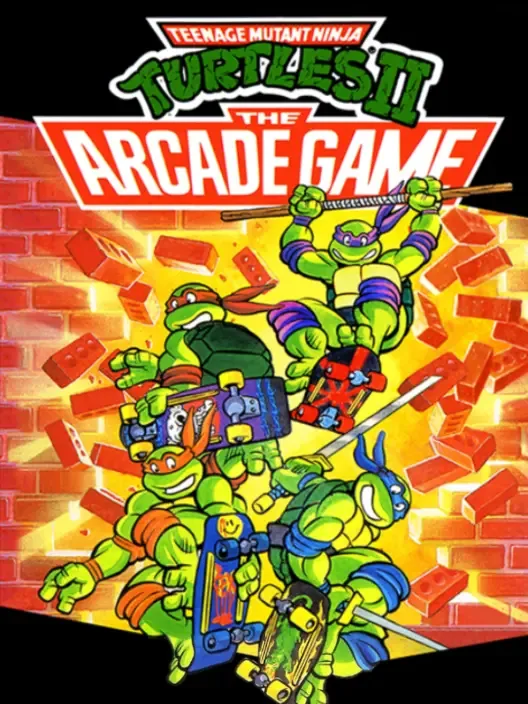
Konami published this NES port of its arcade beat-'em-up in December 1990 under its Ultra Games label. The Western title added the number II to avoid confusion with the 1989 NES game. It kept the four-turtle, two-player brawling of the arcade original and added two extra levels and new bosses, including Tora and Shogun. It sold over 600,000 copies within two weeks before Christmas 1990 and more than a million by 1991. GamePro rated it 23 out of 25, and GamesRadar included it among its top 25 NES games. The attacks are repetitive, and enemies can be cheap in the late stages, but the co-operative fun makes it one of the best licensed games on the console.
32. Batman: The Video Game#
Sunsoft released Batman: The Video Game in Japan in December 1989 and in North America in February 1990. Based on Tim Burton's film, it turned the licence into a tightly designed action platformer with wall jumps, a gadget arsenal and a dark, atmospheric look. Electronic Gaming Monthly awarded it Best Movie to Game in 1989, and IGN ranks it 33rd among NES games. Retrospectives often say that it remains Sunsoft's best Batman game. Critics noted its high difficulty, the cumbersome weapon-switching and some repetition. and it is often counted among the NES's best platformers.
33. Crystalis#
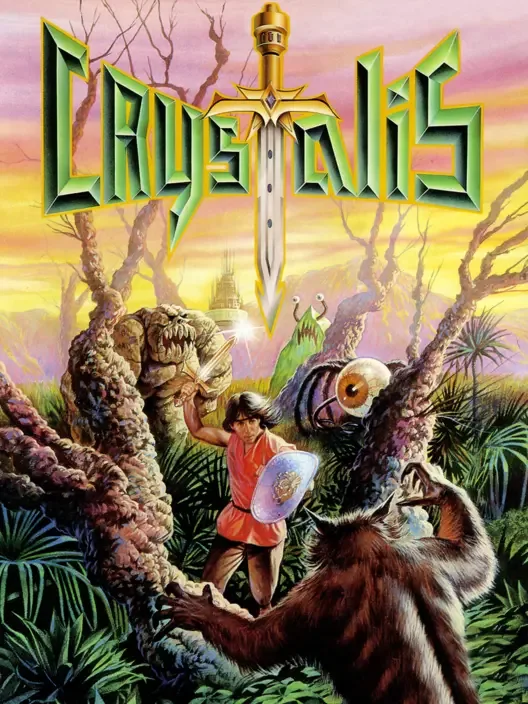
SNK released Crystalis in Japan in April 1990 and in North America in July 1990. Set in a post-apocalyptic 2097, its amnesiac hero wakes from cryogenic sleep and wields four elemental swords against the Draygonian Empire. The game was praised at release for its advanced graphics, high-quality soundtrack and elaborate plot, and it draws visibly on Hayao Miyazaki's Nausicaa of the Valley of the Wind. IGN ranks it 42nd among NES games, and the Game Boy Color port is the weaker of the two versions. A Game Boy Color port followed in 2000, though it was criticised for its reduced resolution and weaker music.
34. Micro Machines#
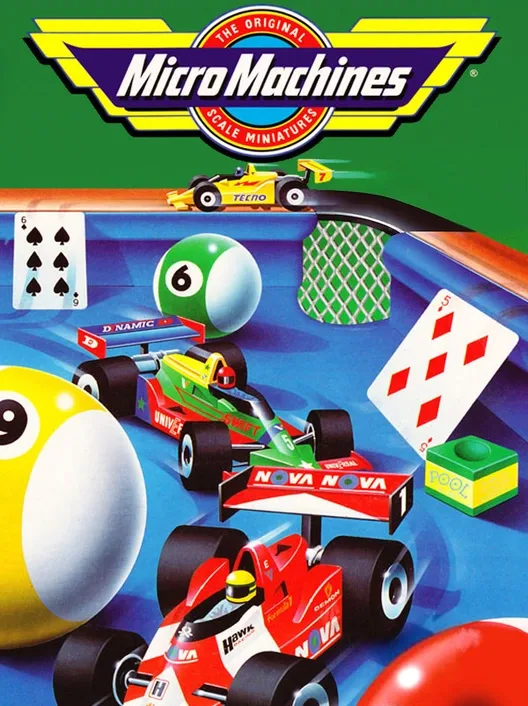
Codemasters developed Micro Machines, and Camerica published the NES version in 1991. Its top-down races on toy cars around breakfast tables, pool tables and desks are simple to grasp, and the two-player mode is a highlight. Mean Machines gave the NES version 93 percent, and the game was widely acclaimed across platforms. IGN ranks it 31st among NES games, the highest-placed unlicensed title on the list. Next Generation placed the series 18th in its 1996 top 100 games. There is no save function and the cars can be hard to read on busy tracks, but the driving and the two-player mode are the highlights.
35. Snake Rattle 'n' Roll#
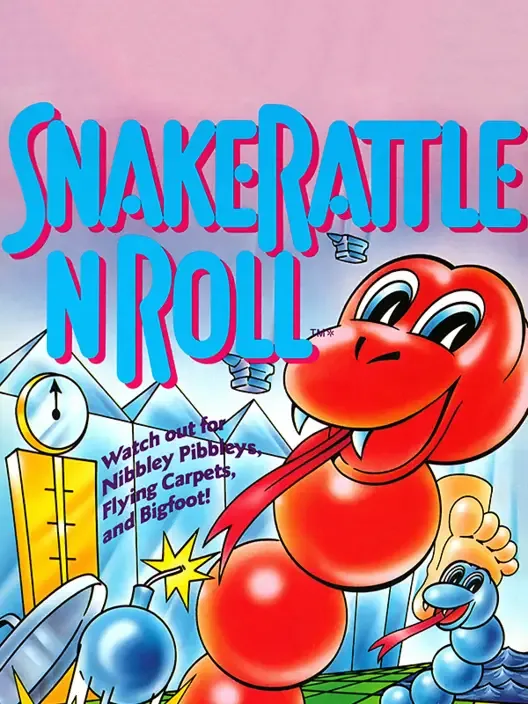
Rare developed Snake Rattle 'n' Roll, and Nintendo published it in North America in July 1990. In this isometric platformer, two snakes eat Nibbley Pibbleys to gain weight and ring a weigh-in bell to progress through 11 levels, and the game supports simultaneous two-player play. David Wise composed a soundtrack inspired by 1950s rock and roll. Mean Machines called it one of the most original games seen in years, Game Players gave it an NES Excellence Award in 1990 and IGN ranks it 32nd among NES games. The isometric jumping can be tricky, but its originality and charm hold up well, and it was included in the 2015 compilation Rare Replay.
36. Chip 'n Dale Rescue Rangers#
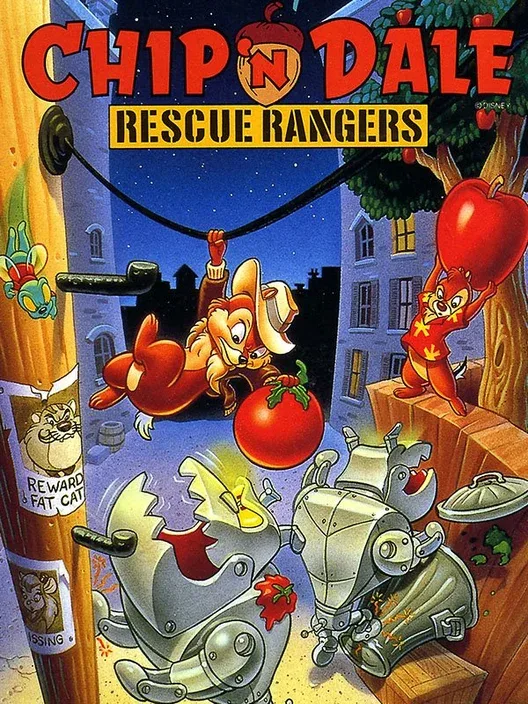
Capcom followed DuckTales with Chip 'n Dale Rescue Rangers in North America in March 1990. Two players can pick up crates and throw them at enemies in this bright platformer, and the support cast of Monterey Jack and Zipper adds variety. It sold around 1.2 million copies and became Capcom's fourth-best-selling NES game. It won a Parents' Choice Award in 1990, and IGN ranks it 71st among NES games in its list, while Nintendo Power placed it 79th in 1997. Reviewers disagreed about its difficulty: Electronic Gaming Monthly found it too easy, while Mean Machines called it tough and enjoyable. It is short, but the cooperative mode makes it one of the best games to play with a friend on the console.
37. Dr. Mario#
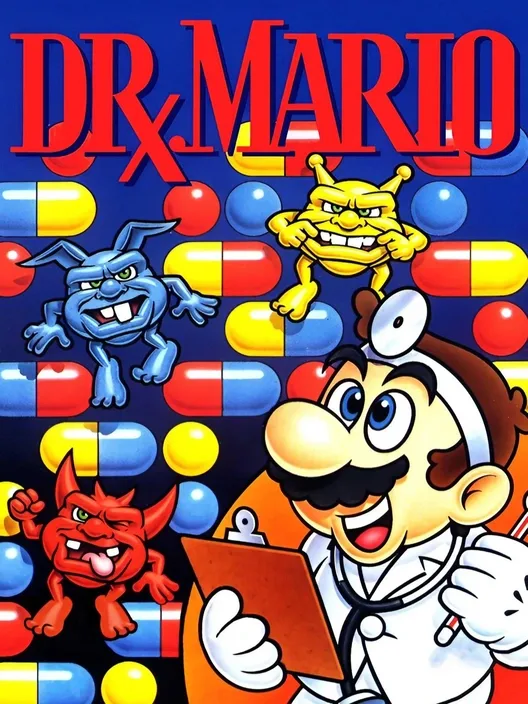
Nintendo released Dr. Mario for the Game Boy and the NES in July 1990, with Gunpei Yokoi as producer and Hirokazu Tanaka composing the music. Players match coloured capsules to clear viruses in a falling-block puzzle, with a two-player mode that turns it into a race. It sold 2.5 million cartridges in North America within six weeks and more than 10 million copies across platforms. IGN ranks it 51st among NES games and Nintendo Power placed it 134th of its list of the best Nintendo games. Some critics saw it as a Tetris imitation, and Henk Rogers called it a blatant attempt at a replacement. The puzzle is nonetheless compelling and easy to learn.
38. Fire Emblem: Ankoku Ryuu to Hikari no Tsurugi#
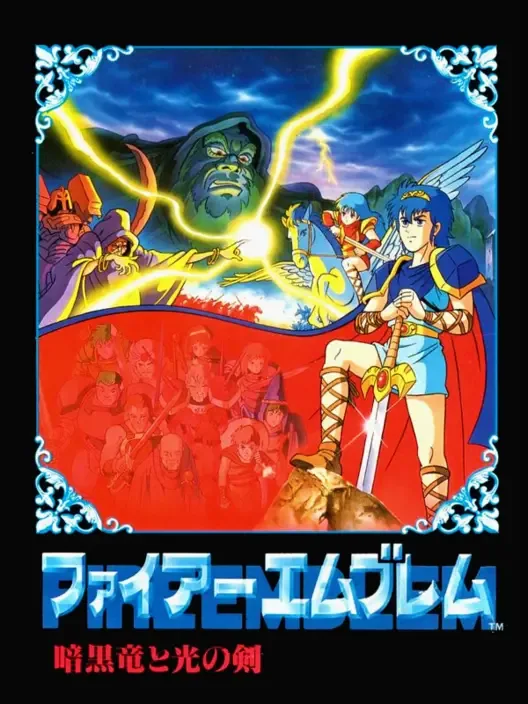
Intelligent Systems and Nintendo R&D1 released this game on the Famicom in April 1990, and it stayed in Japan. Known in English as Fire Emblem: Shadow Dragon and the Blade of Light, it launched the Fire Emblem series and helped establish the tactical role-playing game, with grid-based battles and units that can be lost for good. It sold about 329,000 copies by 2002, and its influence shows in Tactics Ogre, Final Fantasy Tactics and Disgaea. Contemporary critics disliked the difficulty and graphics, though word of mouth helped sales. The first official Western release came in December 2020. Its small maps and limited features are basic today, but this is the origin of a major strategy series.
39. Mother#
Shigesato Itoi, a copywriter inspired by Dragon Quest, directed Mother, which Ape Inc. and Nintendo developed for the Famicom in July 1989 with Shigeru Miyamoto producing. It replaced swords and dragons with a modern American setting, psychic powers and offbeat humour, a tone that defined the series. It sold about 400,000 copies in Japan and was the sixth-best-selling game of 1989 there. A translation was finished in 1990 but shelved, and the game reached the West officially only as EarthBound Beginnings on the Wii U Virtual Console in June 2015. Critics praised its parody of role-playing conventions but noted high difficulty and balance issues. Its personality remains unique.
40. Tecmo Super Bowl#
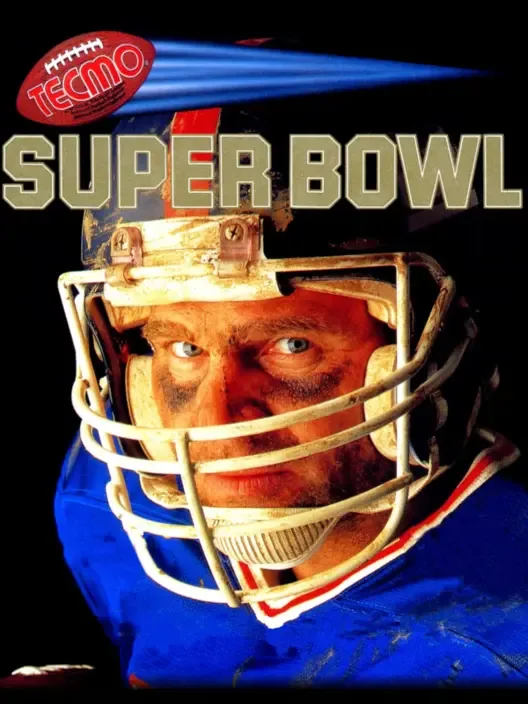
Tecmo's Tecmo Super Bowl followed Tecmo Bowl in 1991 and built on the earlier game's licence with the NFL Players Association, which made Tecmo Bowl the first console game with real NFL players. The cartoonish controls, fast pace and season structure made it a cultural phenomenon in the United States. IGN ranks it 53rd among NES games. Its predecessor placed 30th in Nintendo Power's top 100 in 1997 and 38th on Game Informer's top 100 in 2001, and the series sold 5 million units worldwide by 2007. The players resemble their real counterparts only loosely, and the plays are limited to a small set, but the simplicity is the appeal. It is a lasting fixture of retro sports gaming communities.
41. Shadowgate#
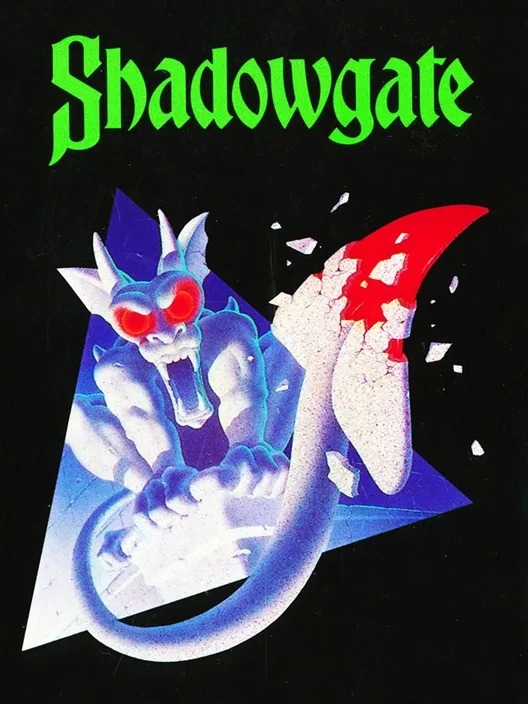
ICOM Simulations created Shadowgate for computers, and Kemco brought the game to the NES, releasing it in Japan in March 1989 and in North America in December 1989 with Mindscape as publisher. Players guide an unnamed hero through a haunted castle in a point-and-click adventure, and must keep at least one torch lit at all times, which adds a constant time limit. AllGame gave the NES version 4.5 out of 5. It is famous for its many creative deaths, which are described with dark humour, and it kept them despite Nintendo's censorship rules. The trial-and-error puzzles can frustrate, but the console version added a hint system and remains an evocative adventure.
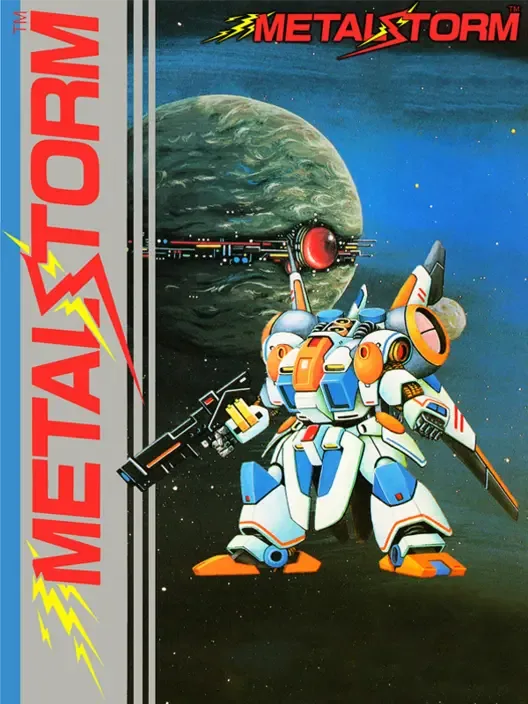
42. Metal Storm#
Irem published Metal Storm, developed by Tamtex, in North America in February 1991 and in Japan in April 1992. Its defining idea is gravity reversal: the M-308 Gunner can flip between floor and ceiling, and every level is built around that ability. IGN ranks it 46th among NES games and credits its simulated parallax scrolling as a technological achievement. It has large, fluidly animated sprites, big mecha bosses and an Expert Mode that unlocks after completion. It was a commercial failure because it appeared as the market moved to 16-bit systems, and it has since been reappraised as an unsung hero of the system. The arsenal is limited, and the difficulty is steep, but the gravity mechanic is a clever twist that few games of its time matched.
43. Klax#
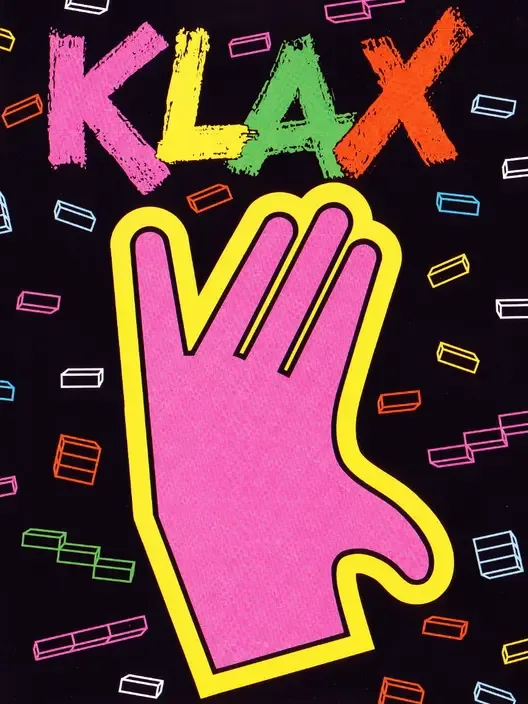
Atari Games' arcade hit Klax came to the NES in July 1990 in North America, published by Tengen, with Hudson Soft releasing it in Japan that December. The player catches coloured tiles from a conveyor belt and arranges them into matching lines, a puzzle with a frantic, hypnotic pace. On the NES, Electronic Gaming Monthly reviewers scored it 6 to 7 out of 10, IGN ranks it 44th among NES games, the Chicago Tribune named it best cartridge of 1990 and the game received a Parents' Choice seal of approval. It was the first game released on all three leading consoles of the time: the NES, Genesis and TurboGrafx-16. The graphics are basic and later stages are demanding, but it is very addictive.
44. Adventure Island II#
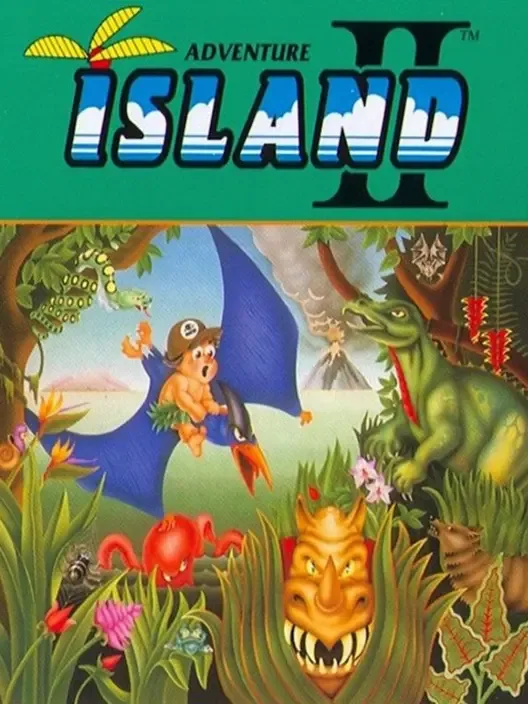
Hudson Soft's Adventure Island II arrived in North America in January 1991, in Japan in April 1991 and in Europe in 1992, developed by Now Production. Master Higgins gained four rideable dinosaur companions, each with a special ability, and the game added a map screen, an inventory, underwater levels and vertical stages. Unlike the original, which adapted Sega's Wonder Boy, this was an original Hudson creation. Contemporary scores were modest, with Electronic Gaming Monthly giving 7 out of 10 and AllGame 3.5 out of 5. The constant food timer and tricky jumps remain punishing, but the dinosaurs and the improved graphics made it a clear step forward for the series.
45. Gargoyle's Quest II#
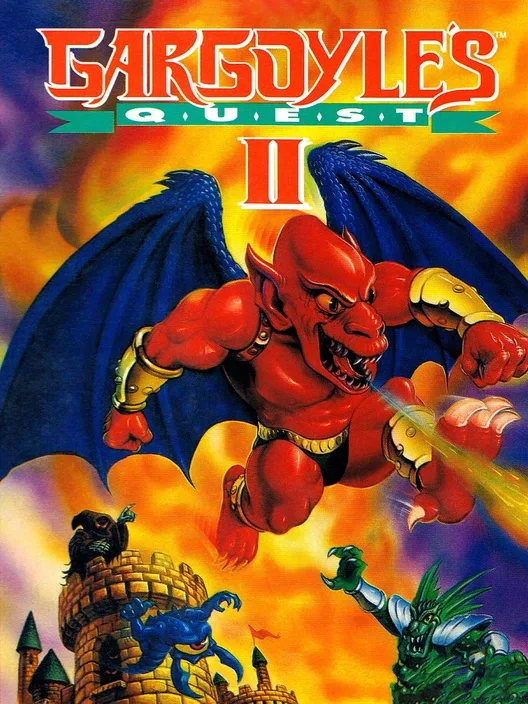
Capcom released Gargoyle's Quest II: The Demon Darkness in Japan in July 1992 and in North America in October 1992. The game follows Firebrand the demon in an overhead map interspersed with side-scrolling action stages, where his wall-climbing and gliding abilities are central. Nintendo Life gave it 8 out of 10 and called it a fine little gem, IGN placed it 63rd on its list of the best North American NES games, and Electronic Gaming Monthly reviewers scored it between 7 and 8 out of 10. Reviewers found it tough but not impossible, and some said it may be too challenging for some players. The password system is cumbersome by today's standards, but it is a charming late-era NES adventure.
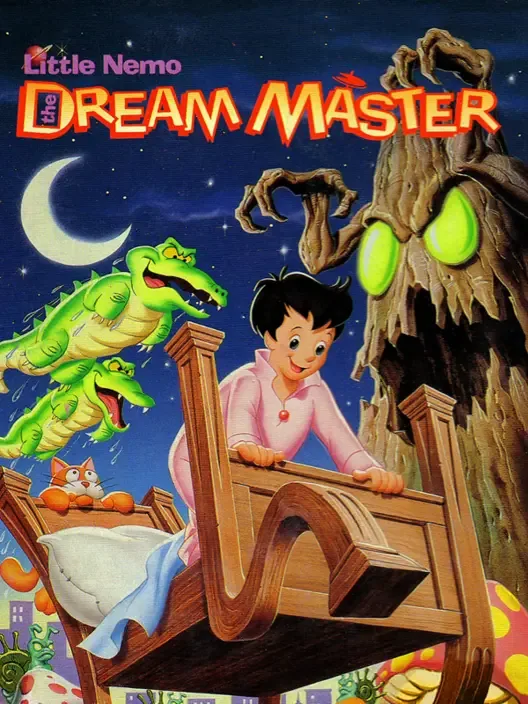
46. Little Nemo: The Dream Master#
Capcom developed and published Little Nemo: The Dream Master in North America in September 1990, and in Japan that December. Nemo collects keys across side-scrolling levels and rides animals that he tames by feeding them candy, each creature having its own ability. Critics praised its pastel graphics and colourful presentation, and one review described it as Rescue Rangers in a dream world. GamePro highlighted its visuals, sound and fun factor. IGN ranks it 68th among NES games, noting its difficulty. Reviewers consistently describe it as punishingly difficult, and there is sprite flicker, occasional collision problems and instant-death traps. The animal-riding mechanic was praised by some and found awkward by others, but it is a distinct and inventive game.
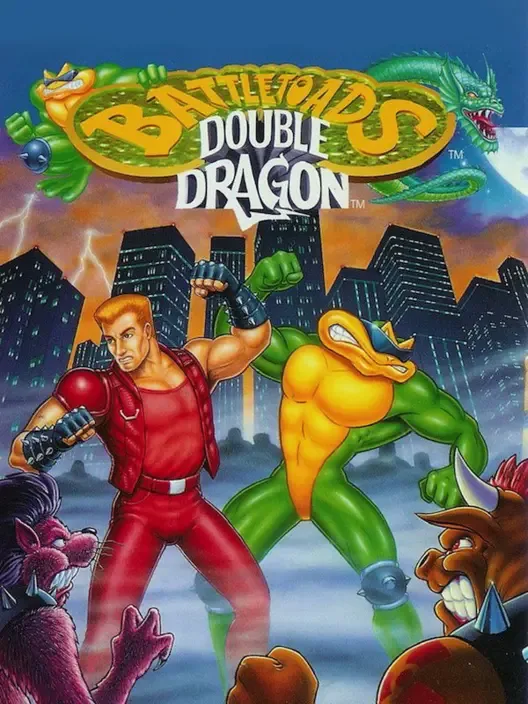
47. Battletoads / Double Dragon#
Rare released Battletoads/Double Dragon: The Ultimate Team in North America in June 1993, published by Tradewest. It was the first Battletoads game in which all three toads can be played, and it combined the toads with the Lee brothers in a crossover. Nintendo Power praised its action, graphics and theme, and IGN ranks it 76th among NES games. Reviewers criticised confusing depth perception and unfair difficulty. The Game Boy and Super NES versions were criticised, so the NES original is the version to play. It is a hectic, funny beat-'em-up for two players.
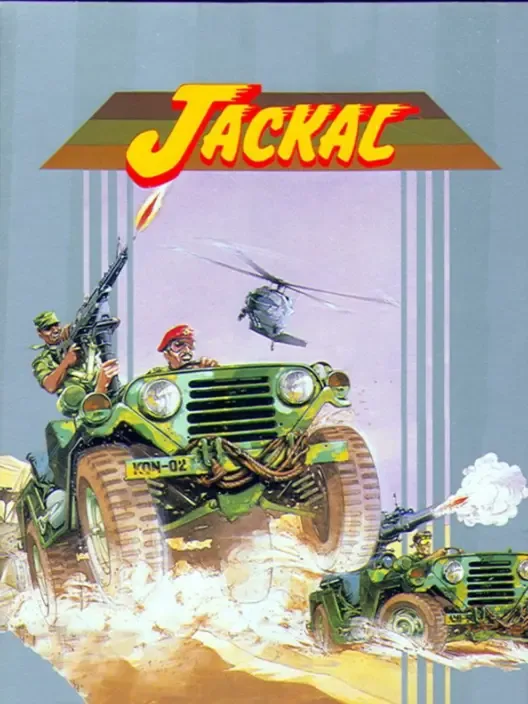
48. Jackal#
Konami's Jackal arrived on the NES in October 1988 in North America, after its arcade release in 1986. Its jeep-driven rescue missions, in which the player collects prisoners of war while blasting through enemy territory, are supported by two-player cooperative play, one player driving and the other firing. The NES port is divided into six areas with distinct bosses. IGN ranks it 37th among NES games, and the arcade original was the third most successful arcade unit in Japan in November 1986. The Famicom Disk System version came in Japan in May 1988 as Final Command: Red Fortress. The jeep can only fire forwards in the international version, which limits tactics, but the cooperative action is very enjoyable.
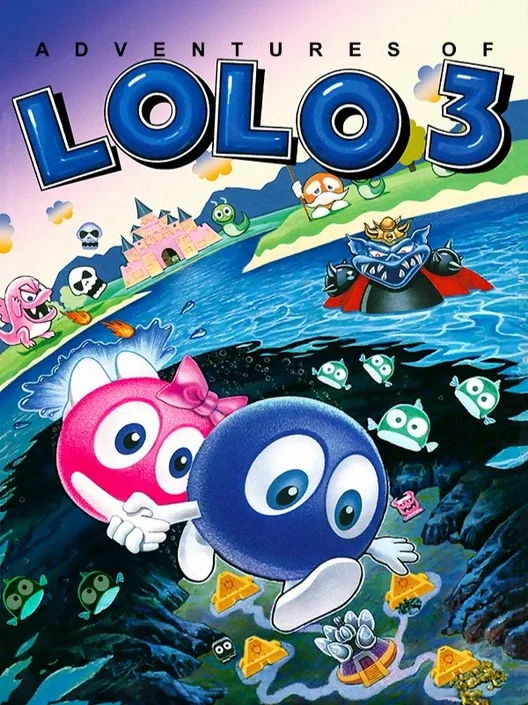
49. Adventures of Lolo 3#
HAL Laboratory released Adventures of Lolo 3 in Japan in December 1990 and in North America in September 1991, as the ninth game in the Eggerland series. The puzzler has 17 levels with 100 puzzle rooms, boss rooms and training rooms, and players can choose Lolo or Lala. It adds crumbling bridges and underwater enemies that use line of sight, plus 16-character passwords and unlimited lives with level restarts. Entertainment Weekly gave it an A and named it the tenth greatest game available in 1991. Electronic Gaming Monthly scores ranged from 7 to 8 out of 10. It is a demanding thinker's game that rewards patience, though the top-down puzzles will not suit everyone.
50. Little Samson#
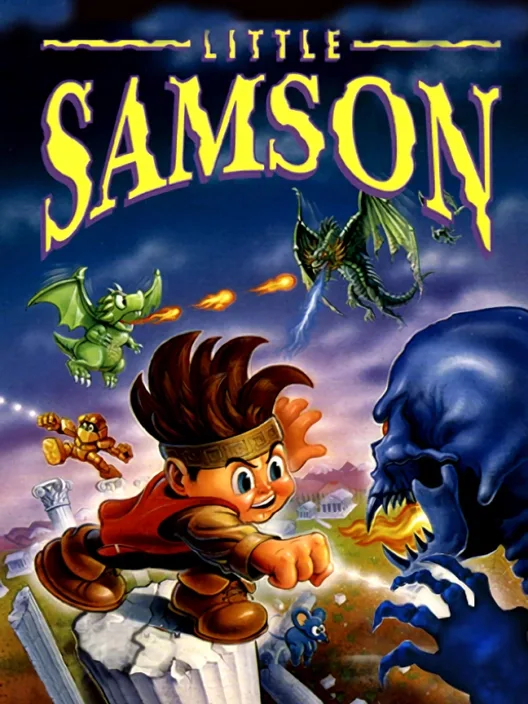
Takeru developed Little Samson, and Taito published it in Japan in June 1992, in North America in November 1992 and in Europe in March 1993. The director was Shinichi Yoshimoto. The player switches between four characters, each with unique abilities, across 20 stages with branching paths and a password system. Critics praised its animation and audiovisual quality. Poor marketing led to low sales in North America, and it became one of the rarest and most expensive NES cartridges. IGN, USgamer and Paste Magazine have listed it among the best NES games, though Famitsu gave it a modest average of 5.75 out of 10. It is a technically impressive and underrated late-era platformer.