
The Wii U lived from 2012 to 2017 and never matched the success of the Wii, yet its library holds some of Nintendo's finest work. Its GamePad enabled asymmetric play and second-screen tricks, and a handful of third-party ports and indie releases filled gaps. The list therefore leans towards Nintendo first-party games, with the best Platinum, Monolith Soft and indie titles alongside. Each entry notes an honest weakness, since many games on the console were limited by the hardware or by the GamePad's constraints.
1. The Legend of Zelda: Breath of the Wild#
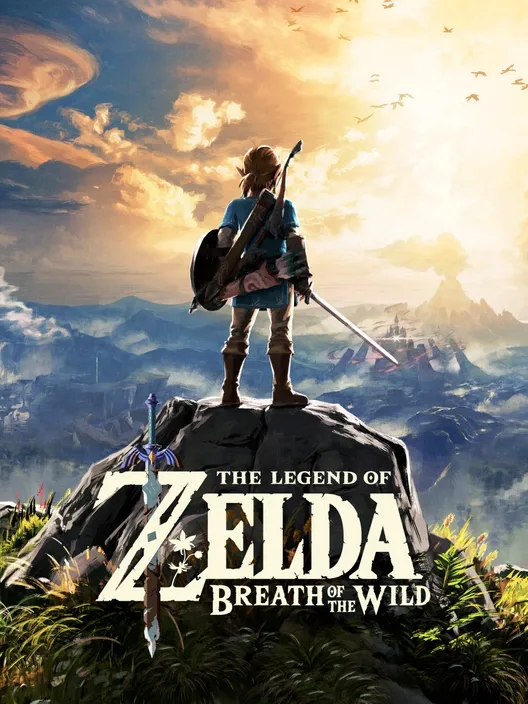
Nintendo EPD released Breath of the Wild in March 2017, launching on Wii U and Switch at the same time, and it rebuilt the open-world formula around physics, climbing and freedom to approach Hyrule in any order. Its Wii U version holds a Metacritic score of 96. Shrines, chemistry-driven systems and a huge map reward curiosity over checklists. Weapons break quickly, which some players find frustrating, and reviewers criticised the game's unstable frame rate and 900p resolution, with the docked Switch version performing better. As the last major first-party game for the console, it is also the strongest argument that the hardware was capable of more than its sales suggested.
2. Super Mario 3D World#
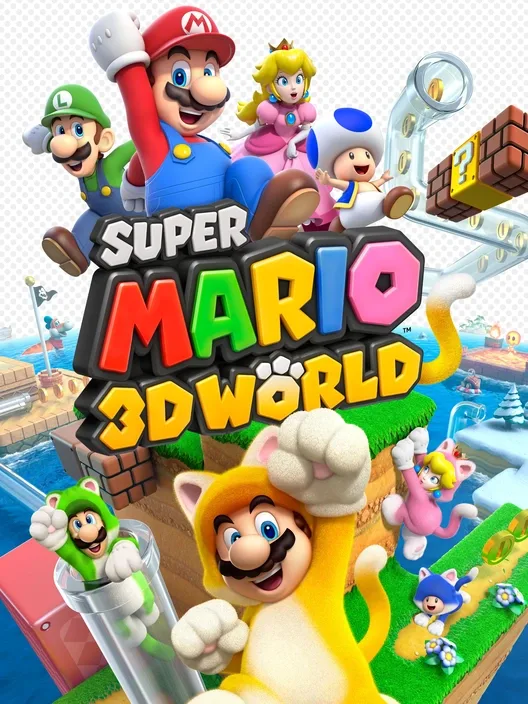
Nintendo EAD Tokyo released Super Mario 3D World in November 2013, combining compact 3D stages with four-player co-op and a cat suit that lets characters climb walls. It holds a Metacritic score of 93. Each level introduces one idea, uses it and moves on, which keeps the pace brisk and the difficulty fair. IGN noted the camera becomes a slight obstacle in four-player play, and the multiplayer chaos can be hard to read on screen. It is among the best-reviewed Mario games of the generation and was later ported to Switch with the Bowser's Fury expansion in 2021. Up to four players can control Mario, Luigi, Peach and Toad, with Rosalina unlockable, and they can pick up, carry and throw each other, which adds cooperative mischief to the platforming. The Switch port scored 89 on Metacritic, slightly below the original.
3. Super Smash Bros. for Wii U#
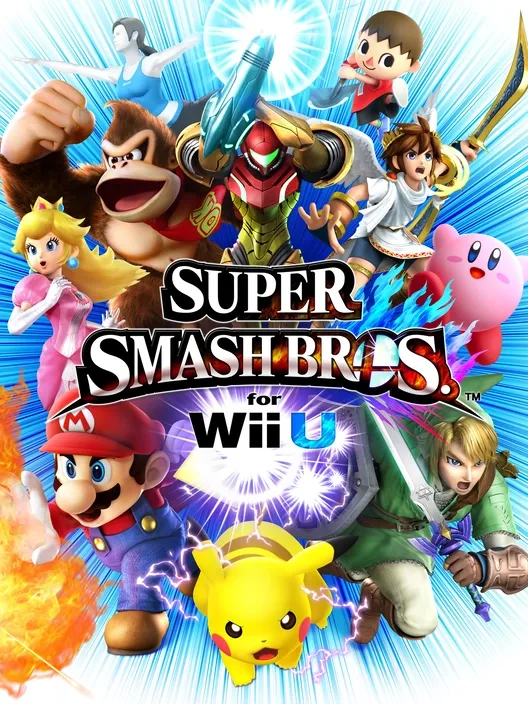
Sora Ltd. and Bandai Namco Studios developed Super Smash Bros. for Wii U under director Masahiro Sakurai, and it arrived in November 2014, weeks after the 3DS version. It holds a Metacritic score of 92. A roster of more than 50 fighters, eight-player Smash, Mii Fighters and a wide range of stages make it a large party game with a deep competitive core. Its single-player content is thin compared with the sprawling Subspace Emissary of Brawl, and competitive players needed a GameCube controller adapter, which added cost. Its stage builder and amiibo support broadened the options, and it remained the most complete version of the series until Ultimate.
4. Rayman Legends#
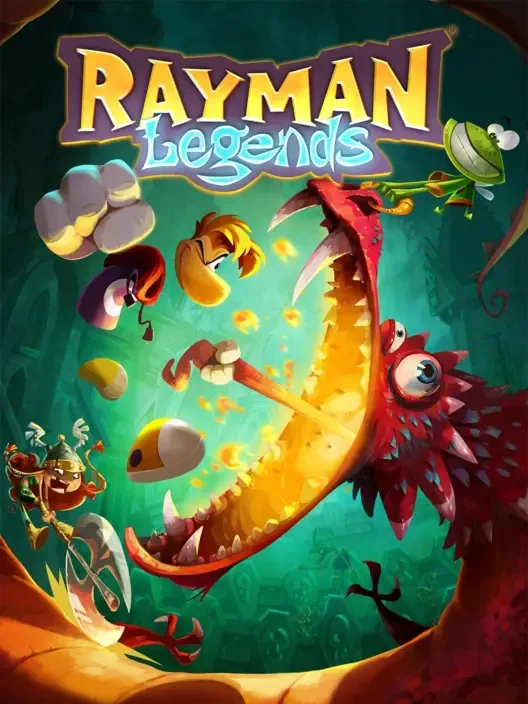
Ubisoft Montpellier released Rayman Legends in 2013, initially planned as a Wii U exclusive before it was delayed and ported. It holds a Metacritic score of 92 on Wii U and is widely regarded as one of the best 2D platformers of the generation. Its hand-drawn art, tightly designed levels and music stages set to songs such as Black Betty make each world feel distinct. On Wii U, an extra player can control the helper Murfy with GamePad touch controls, though co-op play can be chaotic. A few of the later challenge stages are unforgiving. It was originally announced as a Wii U exclusive at E3 2012 before Ubisoft brought it to other platforms.
5. Bayonetta 2#
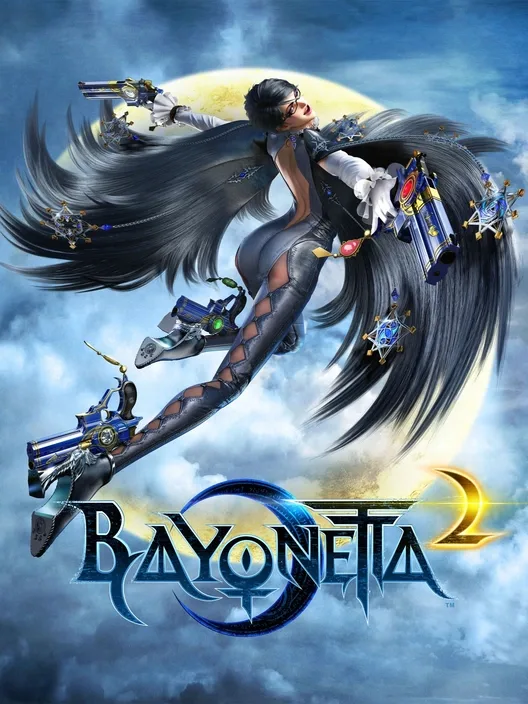
PlatinumGames released Bayonetta 2 in September 2014, published by Nintendo, and it carried Hideki Kamiya's stylish character action to a new level of spectacle. It holds a Metacritic score of 91 on Wii U, and Edge named it its Game of 2014. Witch Time, the dodge mechanic that slows enemies, still defines the combat, and the set pieces keep escalating, and a new two-player cooperative mode was added. The story is thin and gleefully bizarre, and the camera sometimes struggles in enclosed arenas. Special editions included a port of the original Bayonetta, and the game remained a Wii U exclusive until a Switch port in 2018.
6. The Legend of Zelda: The Wind Waker HD#
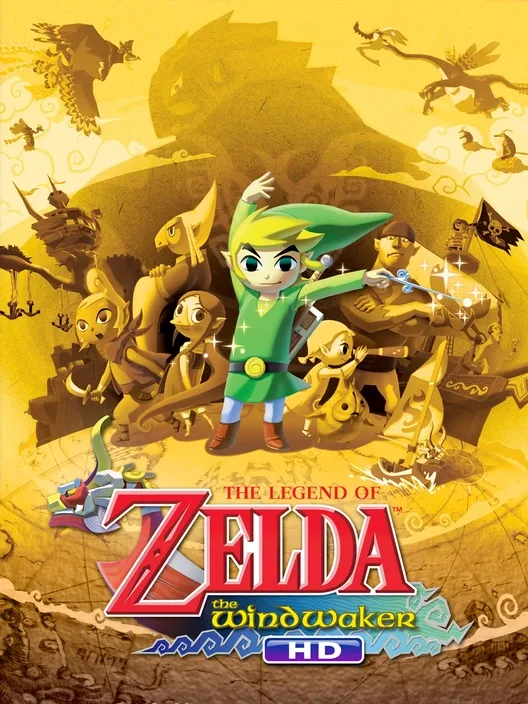
Nintendo EAD released The Wind Waker HD in September 2013 as a remaster of the 2002 GameCube classic. Critics received the remaster warmly. The high-definition update sharpens the cel-shaded art style, adds a faster sail and Off-TV Play on the GamePad, and streamlines the tedious Triforce shard fetch quest. Sailing the Great Sea still feels contemplative, though long-distance travel can slow the pace of the middle chapters. The remaster reintroduced one of the series' most charming entries to a new audience. The GamePad doubles as a map and inventory screen, which avoids menu interruptions, and motion controls can be used to steer the Wind Waker baton.
7. Guacamelee! Super Turbo Championship Edition#
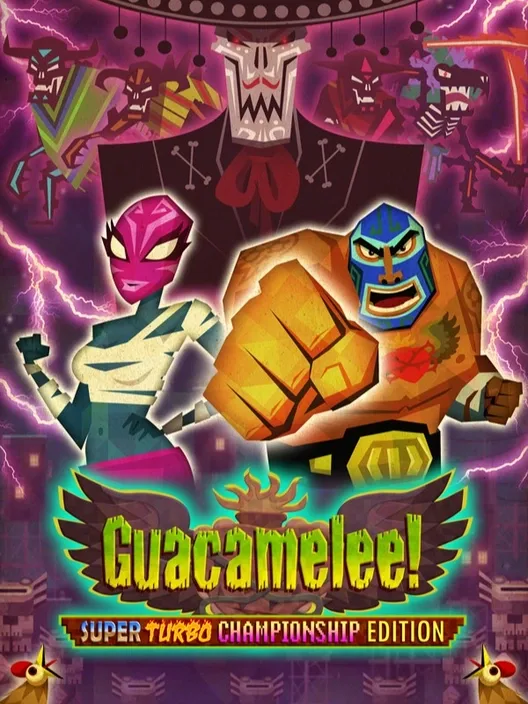
DrinkBox Studios released the Wii U version of Guacamelee! Super Turbo Championship Edition in 2014, following the original 2013 release. It holds a Metacritic score of 90. The Metroidvania blends brawler combat with Mexican folklore humour, and the Super Turbo edition, released across platforms on 2 July 2014, adds extra levels and bosses on top of earlier DLC. Reviews were strong, with IGN awarding 9.0, and the Wii U version scored highest of any platform on Metacritic. The most common complaint was its short length. It is one of the best-reviewed indie games on the console.
8. Axiom Verge#
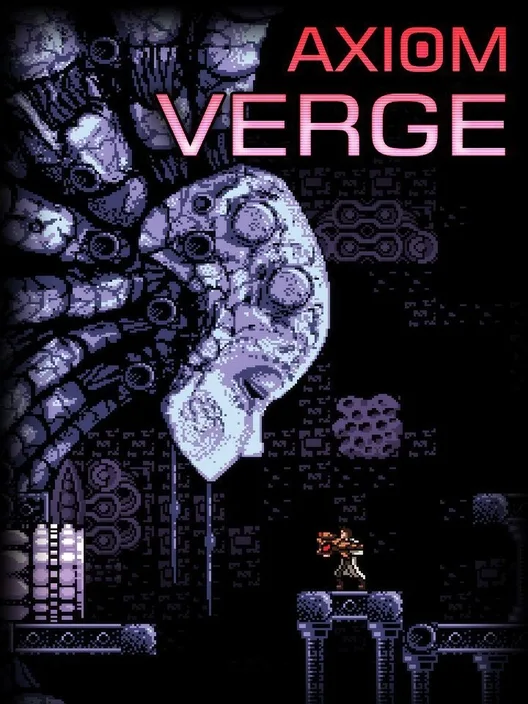
Thomas Happ Games released Axiom Verge on Wii U on 1 September 2016, the work of a single developer. It holds a Metacritic score of 89. The Metroidvania takes inspiration from Metroid and pairs it with an alien world and a distinctive glitch-based toolset. Its Address Disruptor tool and weapon variety drew praise, and the GamePad shows the map and weapons at all times. Critics faulted the map system, which lacks fast travel and objective markers, and noted that only a few weapons are used routinely. The Wii U score is the highest of any platform, and Giant Bomb gave it 5/5.
9. Mario Kart 8#
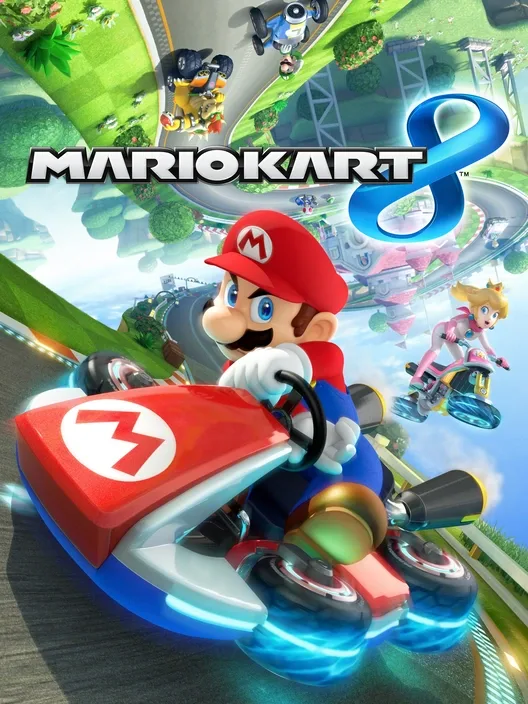
Nintendo EAD released Mario Kart 8 in May 2014, adding anti-gravity racing to the series and introducing HD visuals. It holds a Metacritic score of 88. Its 32 tracks, including retro courses, are carefully designed with vertical sections and hidden shortcuts, and up to four players can race locally. Some items, particularly the blue shell, can punish the leader unfairly, and the battle mode was widely criticised for using race tracks instead of dedicated arenas. Two paid DLC packs added tracks and characters, and the game later returned on Switch as Mario Kart 8 Deluxe.
10. Super Mario Maker#
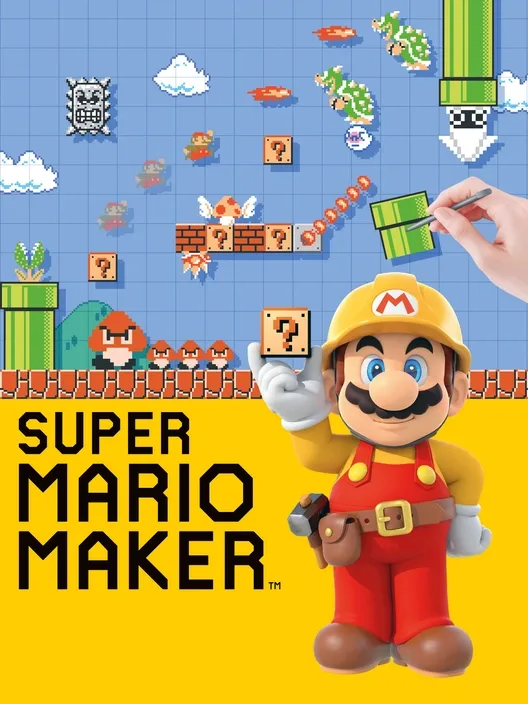
Nintendo EAD released Super Mario Maker in September 2015 with a GamePad-driven level editor that lets players build and share courses in several Mario art styles. It holds a Metacritic score of 88. The touch interface makes placing blocks, enemies and pipes quick, and Mystery Mushrooms unlock costumes. Community levels range from clever puzzles to fiendish kaizo runs. The main weaknesses are limited course discovery and few ways to search the huge library, and the original daily-wait unlock system for editing items, softened by a launch-day patch, frustrated some players. Its concept was carried forward on Switch as Super Mario Maker 2.
11. Shovel Knight#
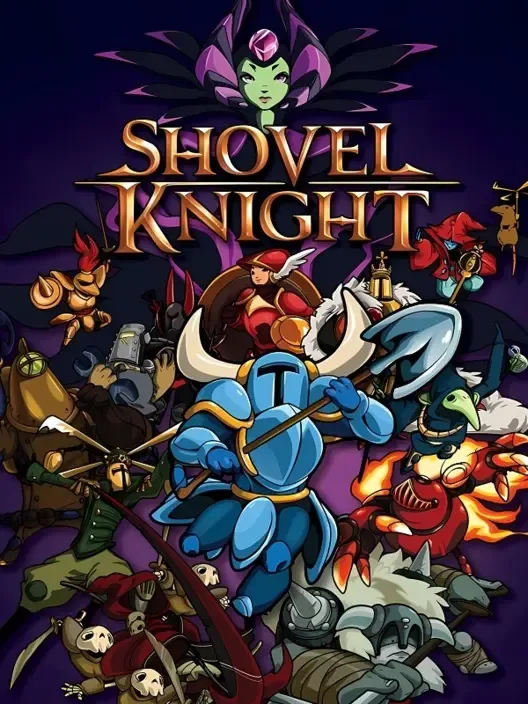
Yacht Club Games released Shovel Knight in 2014, and the Wii U was among its first platforms. It holds a Metacritic score of 88. The 8-bit-inspired platformer borrows from Mega Man, DuckTales and Castlevania while tuning its own courses and shovel-based combat, and Jake Kaufman's soundtrack is one of the era's best. Its boss structure echoes Mega Man's Robot Masters, its items nod to Castlevania III, and Manami Matsumae contributed two tracks. It launched on 26 June 2014 on Wii U, 3DS and PC, and IGN gave it 9/10. The main quibble is that the retro formula can feel familiar.
12. Deus Ex: Human Revolution - Director's Cut#
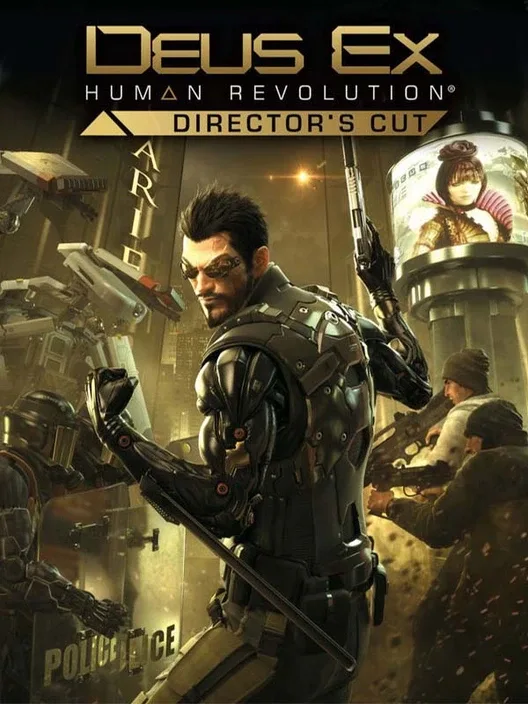
Eidos Montreal, with Straight Right and Snowed In Studios, produced Deus Ex: Human Revolution - Director's Cut, which launched on Wii U in October 2013. It holds a Metacritic score of 88. The cyberpunk immersive sim lets players approach missions through stealth, hacking, social persuasion or combat, and the Director's Cut added alternative strategies for stealth players in boss fights and second-screen GamePad features. Critics praised the improved balance and freedom of choice. The bosses still cannot be beaten non-lethally, and the game is a port of a 2011 release. It scored 88 on Metacritic from 30 reviews.
13. Pikmin 3#
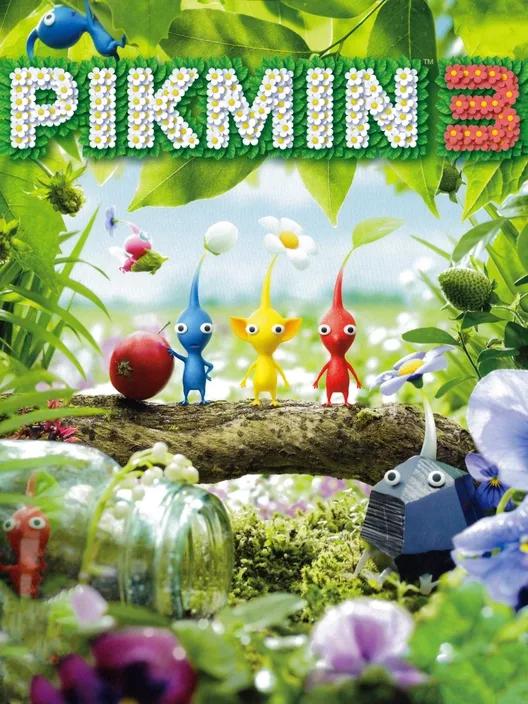
Nintendo EAD developed and Nintendo released Pikmin 3 in July 2013 in Japan and Europe (August in North America), returning to the real-time strategy series with three explorers searching an alien planet for food. It holds a Metacritic score of 87. Managing several Pikmin types against a day-based time limit rewards planning, and the environments and fruit-gathering loop have real charm. Critics noted that it looks more like an HD remake than a ground-up current-generation game and that the multiplayer modes are ordinary. You command up to 100 Pikmin across six types, including the new Rock and Winged Pikmin, to build, fight and solve puzzles. A Deluxe version arrived on Switch in October 2020 with a Metacritic score of 85.
14. The Legend of Zelda: Twilight Princess HD#
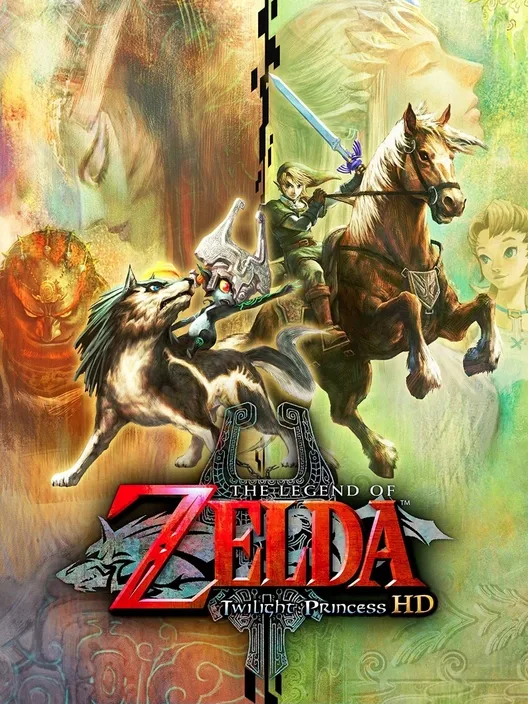
Tantalus Media released Twilight Princess HD in March 2016, a remaster of the 2006 GameCube and Wii adventure. It holds a Metacritic score of 86. The update refines textures and models, adds amiibo support and the Cave of Shadows challenge unlocked with the Wolf Link amiibo, and shortens some cutscenes while keeping the original 30 frames per second. The dark tone and long dungeon sequences are among the best in the series, and the wolf-form sections offer variety. Polygon called it about as straightforward as remakes come, and some players found the pacing slow. It arrived in March 2016, a year before Breath of the Wild launched on the same console.
15. Trine 2: Director's Cut#
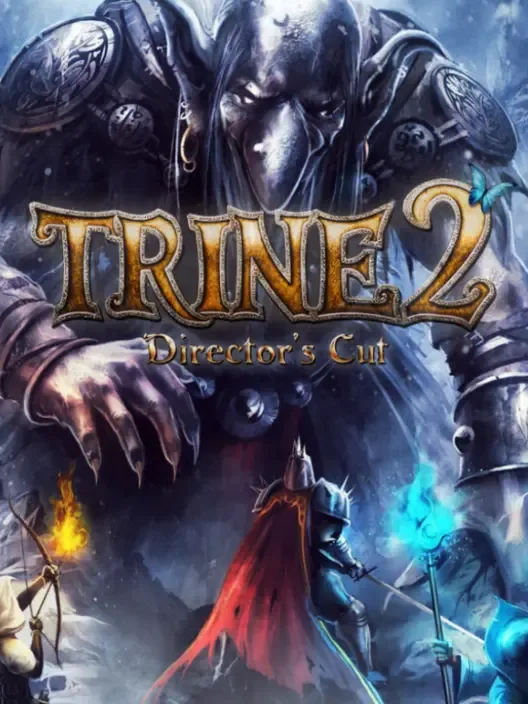
Finnish studio Frozenbyte released Trine 2: Director's Cut on the Wii U eShop in November 2012, as a launch-window title for the console. It builds on the 2011 original with a wizard, a knight and a thief, and the game lets one, two or three players combine their abilities to solve physics puzzles in painterly fairy-tale worlds. The Director's Cut adds the Goblin Menace expansion and a Wii U exclusive level, Dwarven Caverns, and the GamePad can be used for touch controls. Combat is the weakest part, being simple and repetitive next to the puzzle design, and the campaign is fairly short. It remains one of the most beautiful downloadable games on the system and works well in co-op.
16. Darksiders II#
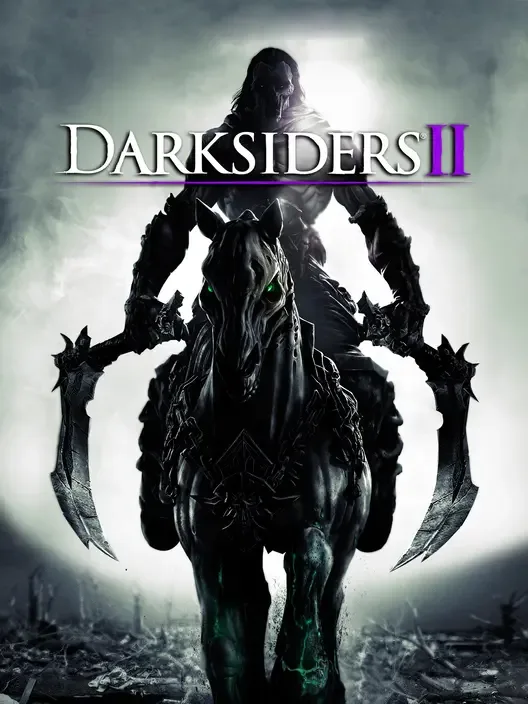
Vigil Games developed Darksiders II, published by THQ, and it reached Wii U in November 2012 as a launch-window port. It follows Death, one of the Four Horsemen, as he tries to clear his brother War's name. It holds a Metacritic score of 85 on Wii U. Its loot system, large dungeons and strong art direction give it depth. The structure is repetitive and the story is muddled at times. The Wii U version's 85 on Metacritic was the highest of any platform, ahead of PS3 at 84. It sold about 1.5 million copies by November 2012, below THQ's expectations.
17. Shantae and the Pirate's Curse#
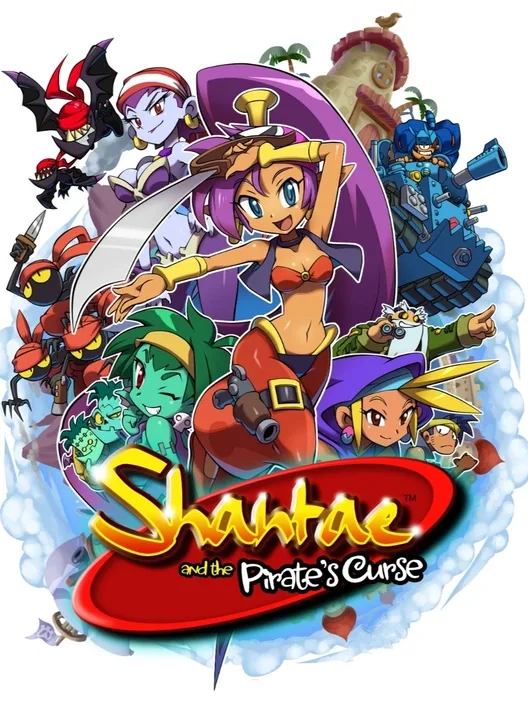
WayForward released Shantae and the Pirate's Curse on Wii U in 2014. It holds a Metacritic score of 85. Shantae uses pirate items such as a pistol, hat, scimitar and boots to fight and solve puzzles, across a Metroidvania-style set of islands. Critics praised the detailed, expressive sprites and the exploration, though some noted backtracking and enemy respawning. It is the third Shantae game and was released on 3DS in October 2014 before reaching Wii U in December 2014.
18. Xenoblade Chronicles X#
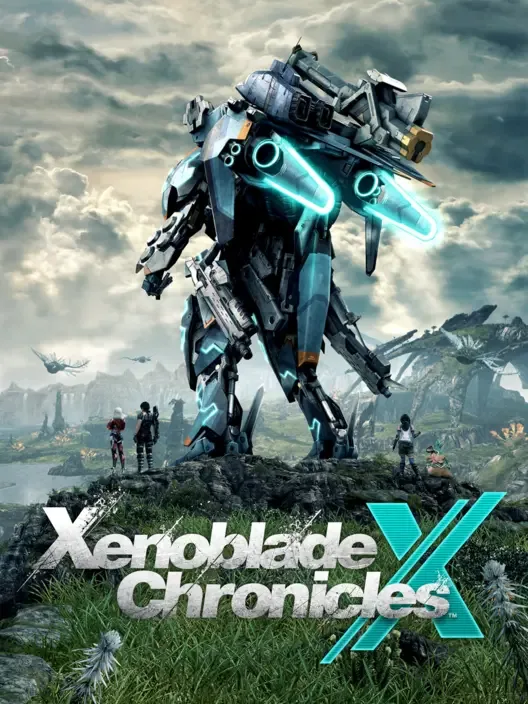
Monolith Soft released Xenoblade Chronicles X in December 2015, sending humanity to the alien planet Mira with a huge open world and customisable Skell mechs. It holds a Metacritic score of 84. Exploration is the core reward, and the mix of ranged and melee combat, class changes and gear crafting gives it depth. Critics found the story weak and the complex combat and other systems poorly explained. It was nominated for Best RPG at The Game Awards 2016 and later reached the Switch as a Definitive Edition in 2025, which scored 87 on Metacritic.
19. New Super Mario Bros. U#
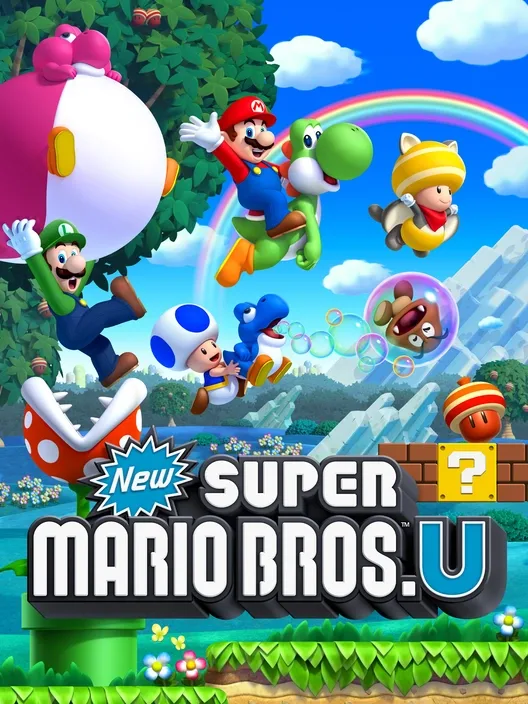
Nintendo EAD released New Super Mario Bros. U as a launch title in November 2012. It holds a Metacritic score of 84. The game offers polished 2D platforming with up to five players, a GamePad Boost Mode and the flying squirrel suit. Game Informer called it the best game in the New Super Mario Bros. series, though other critics found the formula stale. A fifth player can use the GamePad to place blocks and stun enemies. It was reissued on Switch in January 2019 as New Super Mario Bros. U Deluxe, which added Toadette and Nabbit as playable characters. The original Wii U version sold about 5.8 million copies. Its Wii U Metacritic score of 84 was higher than the Switch version's 80.
20. Child of Light#
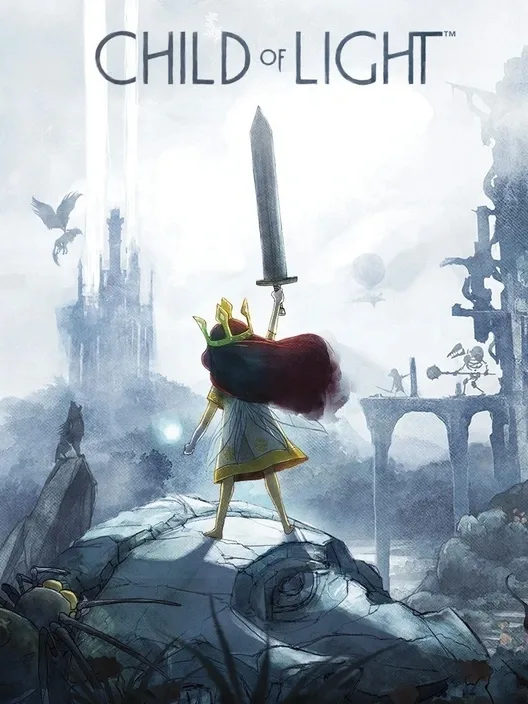
Ubisoft Montreal released Child of Light in 2014. It holds a Metacritic score of 84. The role-playing game uses a watercolour art style, verse dialogue and a turn-based system where speed determines the order of actions. The fairy-tale world shows a lot of inventive art design. Its combat can become repetitive over the full run, and the rhyming dialogue occasionally feels forced. It runs on the UbiArt Framework engine. The story follows Aurora, who wakes in the fictional land of Lemuria and must restore the sun, moon and stars stolen by the Queen of the Night. Jeffrey Yohalem wrote the dialogue largely in rhyming verse, and Béatrice Martin (Cœur de pirate) composed the soundtrack. Critics praised its visuals, presentation and music, and the Wii U version scored 84 on Metacritic.
21. Freedom Planet#
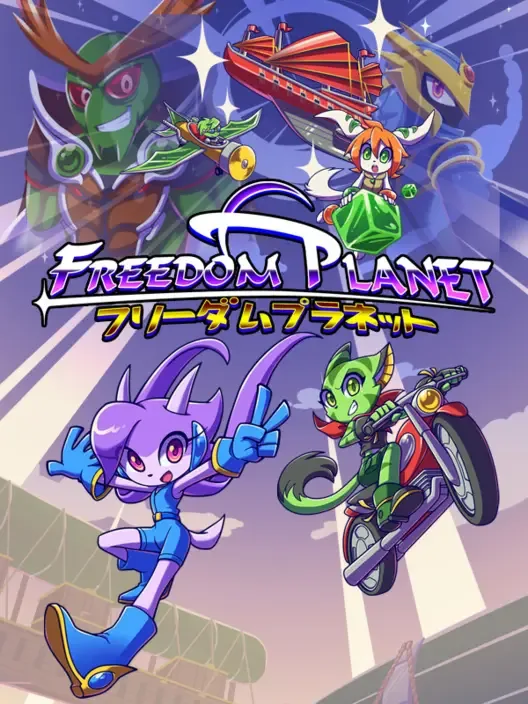
GalaxyTrail developed Freedom Planet, which reached Wii U on 1 October 2015 after its 2014 PC release. It holds a Metacritic score of 84. The platformer borrows Sonic-style speed and adds three playable characters: Lilac the dragon, Carol the wildcat and Milla the basset hound. Reviewers praised the gameplay, visuals and music, but the voice acting drew mixed reactions. One critic called it perhaps the most Sonic game since 1994, though others said it transforms its influences rather than copying them.
22. Donkey Kong Country: Tropical Freeze#
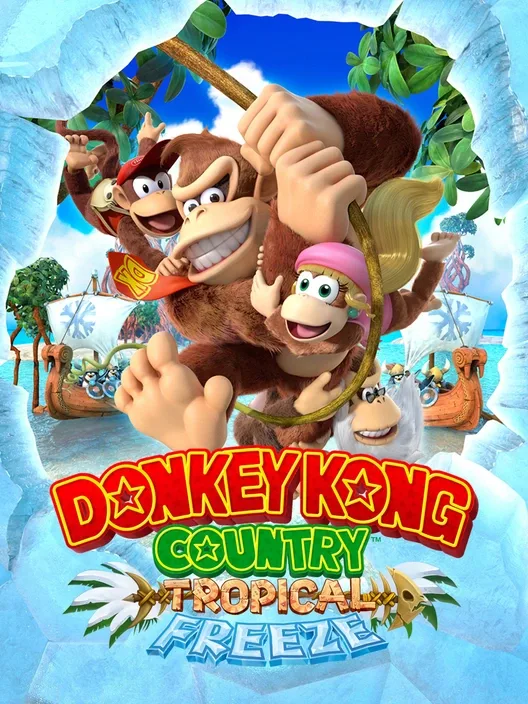
Retro Studios released Donkey Kong Country: Tropical Freeze in February 2014, a demanding platformer that follows Returns with better level design and a widely praised soundtrack composed by David Wise. Its levels feature layered foregrounds and backgrounds, and each of the six worlds brings new hazards and set pieces across the game's seven islands. The partner system adds Dixie, Diddy and Cranky variety. Difficulty is high, with punishing bosses and sparse checkpoints, and the GamePad is barely used. It holds a Metacritic score of 83 on Wii U, with critics praising its level design, gameplay and soundtrack. It was ported to the Switch in 2018 with an easier Funky Mode, where Funky Kong is playable.
23. SteamWorld Dig#
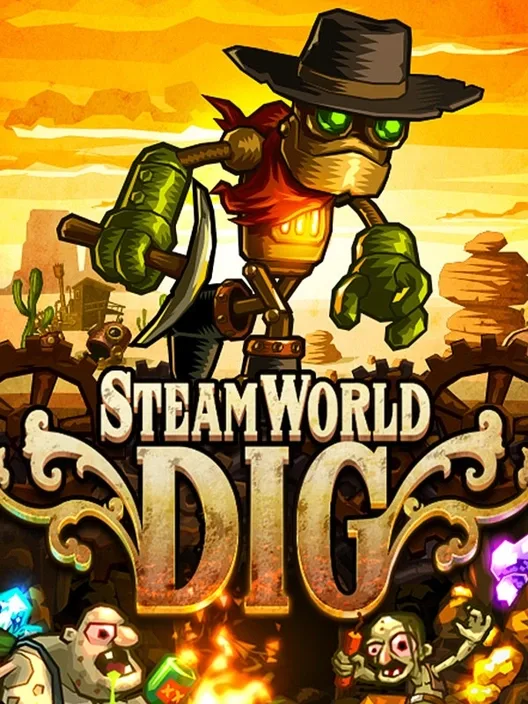
Image & Form released SteamWorld Dig on Wii U in 2014. It holds a Metacritic score of 83. You play Rusty, a steam-powered robot who digs through randomized mine levels, collecting ore and upgrading tools. It first appeared on 3DS in August 2013 and reached Wii U in August 2014. Reviews were strongly positive, and the Wii U version's 83 was among the best of its platforms. It launched a series that includes SteamWorld Heist (2015) and SteamWorld Dig 2 (2017).
24. Monster Hunter 3 Ultimate#
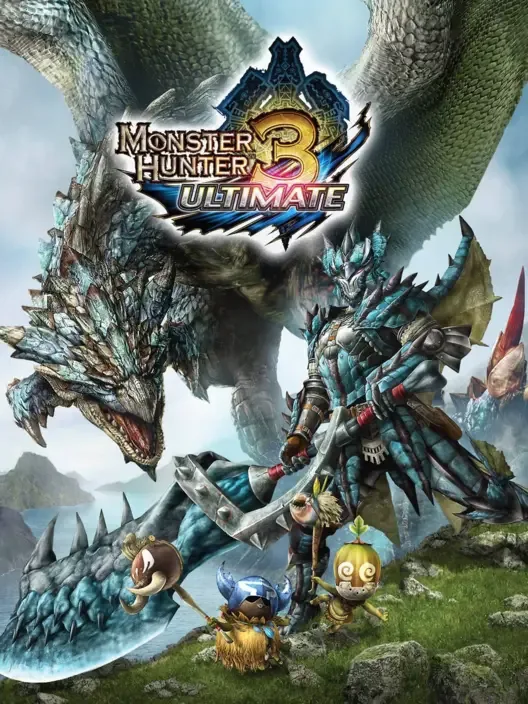
Capcom released Monster Hunter 3 Ultimate on Wii U and 3DS in 2013. It holds a Metacritic score of 82. The hunting loop of tracking, fighting and crafting is deep, with underwater combat and online co-op. It has a steep learning curve and clunky menus. It launched worldwide in March 2013 and let players transfer save data between the 3DS and Wii U versions. Underwater combat, introduced in Monster Hunter Tri, was later dropped by the series.
25. Splatoon#
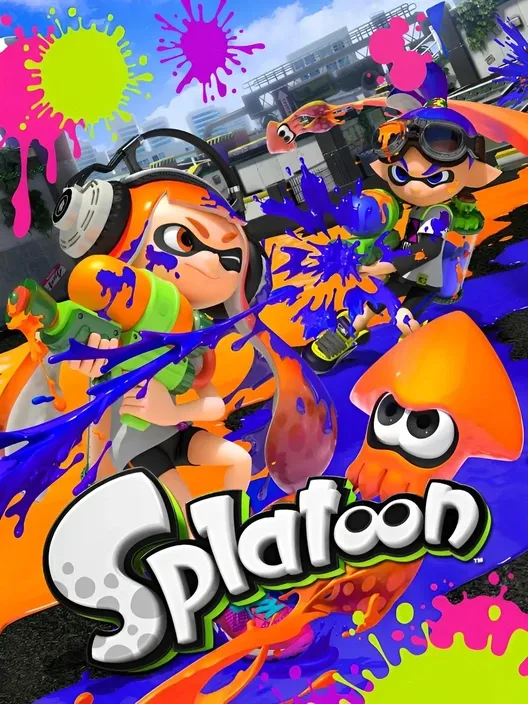
Nintendo EAD released Splatoon in May 2015 as a new franchise built around inking turf rather than eliminating enemies. It holds a Metacritic score of 81. Its colourful team-based Turf War matches are quick to learn, and the weapon variety and squid-form movement gave it a distinct identity. Launch stage variety was limited and voice chat was left out, though free updates added maps, weapons and modes. The single-player campaign, Octo Valley, has boss encounters against Octoweapons and collectible scrolls. Nintendo later raised the level cap from 20 to 50 and added ranked tiers, and the game holds a Metacritic score of 81. Splatoon became the basis of a major Nintendo franchise that continued on Switch.
26. Captain Toad: Treasure Tracker#
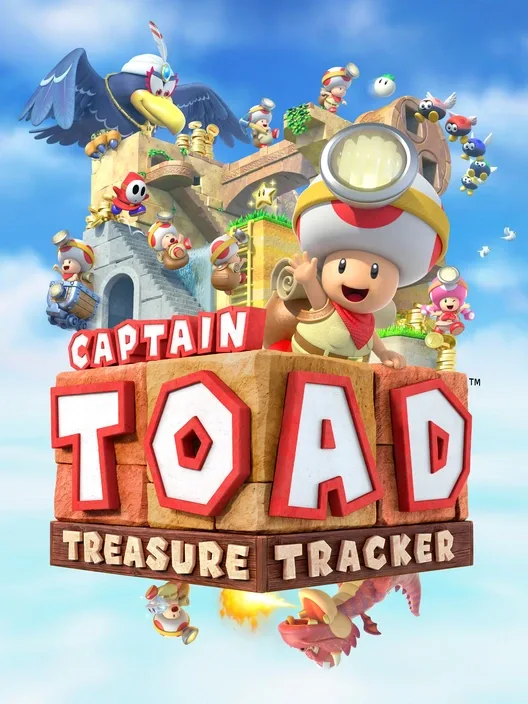
Nintendo EAD Tokyo released Captain Toad: Treasure Tracker on Wii U in November 2014 in Japan and December 2014 in North America. It holds a Metacritic score of 81. The diorama-like levels are rotated to find hidden gems, and the touchscreen adds interactive elements on the GamePad. The camera can be fiddly and the game is short. It is a low-pressure counterpart to the console's bigger platformers. Captain Toad cannot jump, so progress comes from rotating the camera and finding routes. The GamePad microphone and touchscreen move platforms and interact with the levels. Critics praised the visuals and concept but faulted the camera and the always-active motion controls. The Wii U version sold about 1.37 million copies and later reached Switch and 3DS in 2018.
27. FAST Racing NEO#
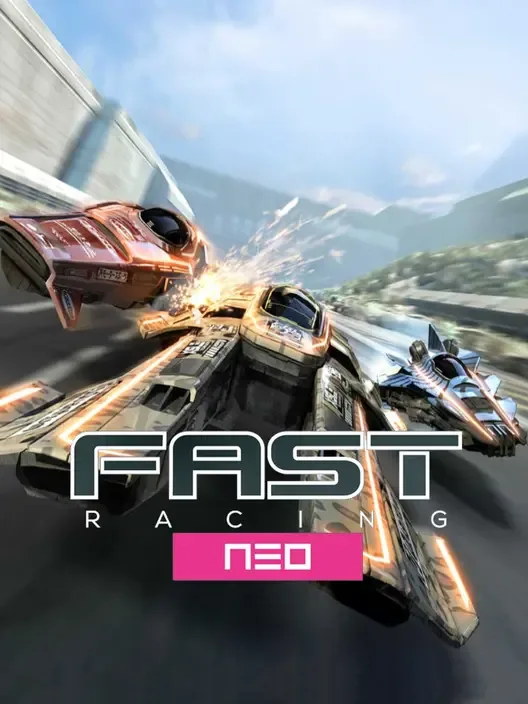
Shin'en Multimedia released FAST Racing NEO on Wii U in 2015. It holds a Metacritic score of 81. The futuristic racer uses a phase-shift mechanic and fast, polished visuals, with its Hero Mode inspired by F-Zero. It is quick and technically impressive, though the modes are limited. Critics frequently compared it to F-Zero, and Destructoid and Nintendo Life both scored it 9/10. Launched digitally in December 2015, it later gained DLC adding eight tracks and ten vehicles, and a sequel, FAST RMX, followed on Switch in 2017.
28. LEGO City Undercover#
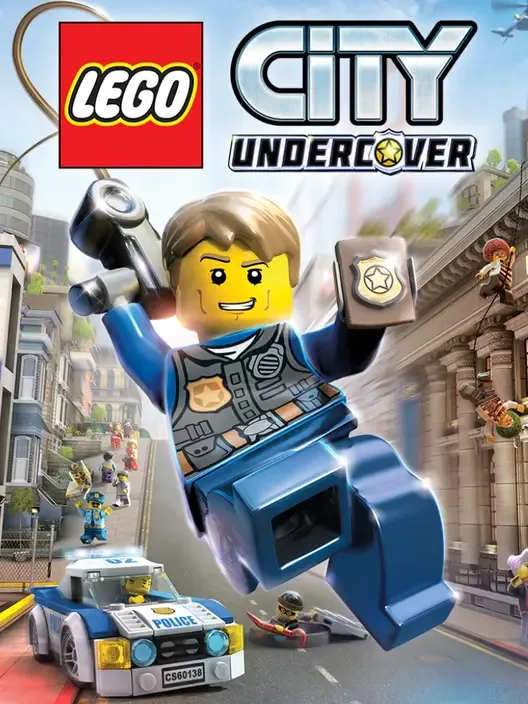
TT Fusion developed LEGO City Undercover, published by Nintendo for Wii U in March 2013. The open-world game is full of humour and references, with the GamePad acting as a scanner. Loading times are long and it has technical issues. It was later ported to other platforms in 2017. It introduced full voice acting to the Lego game series and was the first home-console Lego game not based on an existing licence, and the Wii U version sold over 1.15 million copies. Critics also cited slow loading, a poor frame rate and camera issues.
29. Tokyo Mirage Sessions #FE#
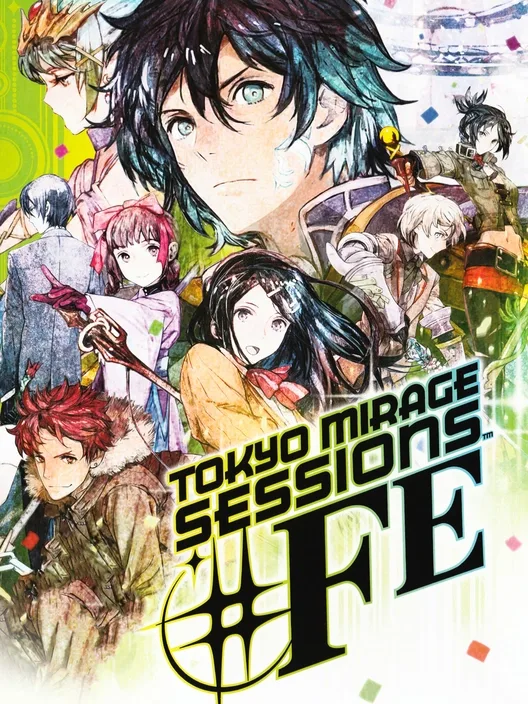
Atlus developed Tokyo Mirage Sessions #FE and Nintendo published it on Wii U, in Japan in December 2015 and in the West in June 2016. It holds a Metacritic score of 80. The role-playing game merges Shin Megami Tensei style and Fire Emblem characters with a Japanese idol setting. The Session combo system links attacks between characters, and the J-pop soundtrack is a strong point. The Western release kept Japanese voice acting with English subtitles, and some revealing costumes and gravure references were removed. Reviewers named the Session Attacks as the best feature. It later reached the Switch as an Encore edition in January 2020.
30. Pushmo World#
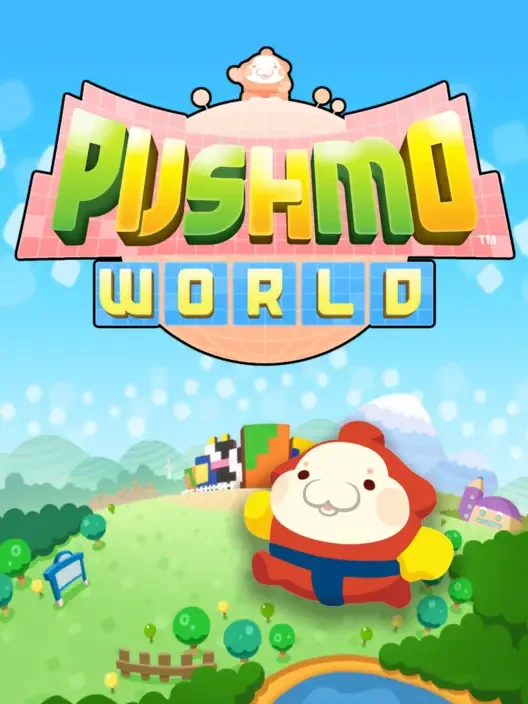
Intelligent Systems developed Pushmo World, published by Nintendo for Wii U in June 2014, as a sequel to the 3DS Pushmo games. It holds a Metacritic score of 80. The puzzle game asks players to push and pull blocks to climb structures, with a level editor and QR sharing. The premise is simple and the puzzles are inventive, but the pace is slow. It is a relaxed puzzle option. It offers around 250 levels, and Polygon scored it 9/10 for its pacing and sense of constant progress, though other outlets ranged down to 7/10.
31. The Wonderful 101#
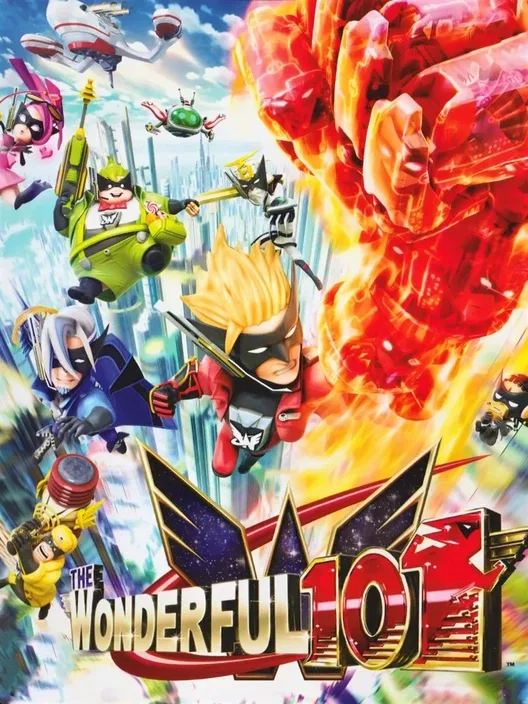
PlatinumGames developed The Wonderful 101 and Nintendo released it in August 2013 in Japan and Europe and September in North America, a superhero action game where players control a crowd of heroes that morph into weapons. It holds a Metacritic score of 78 and critics praised its innovative gameplay and combat depth, though it sold poorly, with about 79,000 copies in Japan and the US by the end of 2013. The unusual control scheme, which requires drawing shapes on the GamePad's touchscreen to form weapons, has a steep learning curve, and critics were divided on the camera positioning during battles. A remaster arrived on Switch, PS4 and PC in 2020, and PlatinumGames acquired the franchise trademark from Nintendo in 2024.
32. Yoshi's Woolly World#
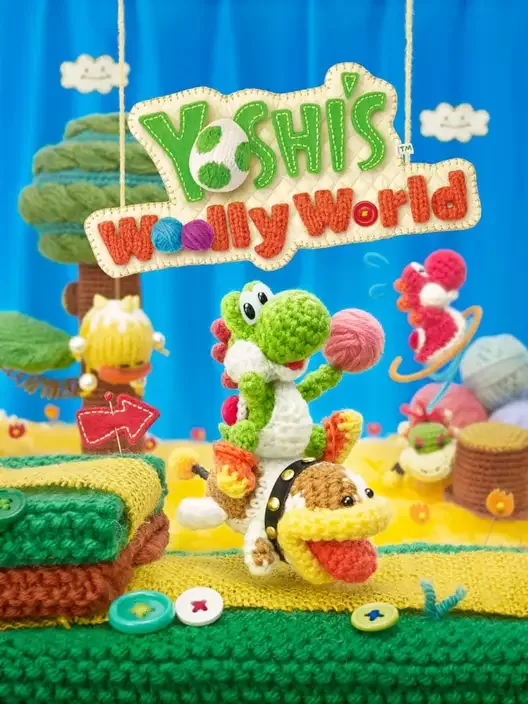
Good-Feel released Yoshi's Woolly World in 2015. It holds a Metacritic score of 78. The platformer is styled entirely from yarn and fabric, with Yoshi producing balls of yarn that tie up enemies and fill platforms. Reviewers praised the art style and co-op play, but consistently found the difficulty too easy. It reached the 3DS as Poochy & Yoshi's Woolly World in early 2017. Nintendo published the Wii U version, which had sold 1.37 million copies by 31 March 2016. Its 78 on Metacritic is lower than most entries on this list.
33. ZombiU#
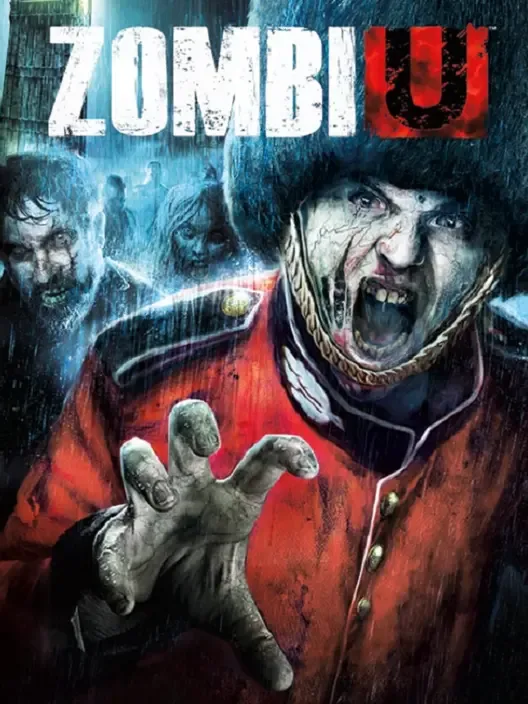
Ubisoft Montpellier's ZombiU, a launch title for Wii U in 2012, is a survival-horror game where death is permanent. It uses the GamePad as a backpack and scanner. Its combat is clunky and it has technical flaws, but critics praised its atmosphere and the tension of permadeath. It holds a Metacritic score of 77. The game was unprofitable for Ubisoft, and it later got a PlayStation 4, Xbox One and PC version as Zombi in August 2015, without multiplayer, to mixed reviews.
34. Hyrule Warriors#
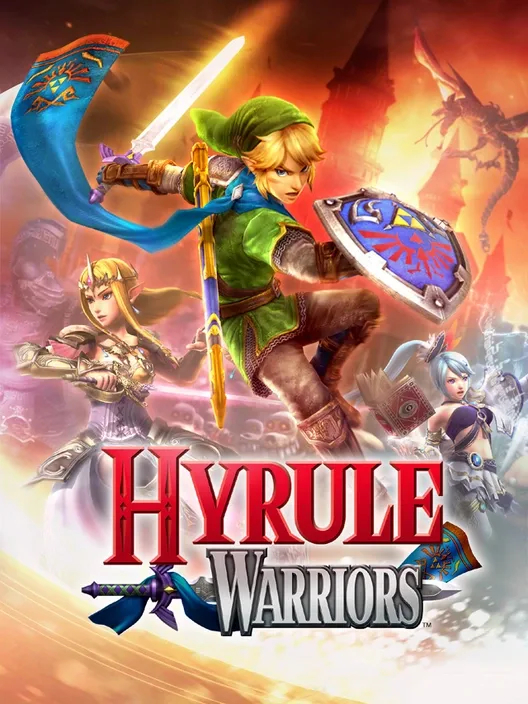
Omega Force and Team Ninja released Hyrule Warriors in 2014 as a crossover between Dynasty Warriors and The Legend of Zelda. It gathers characters from across the series into large battlefield stages. Its action is repetitive and the frame rate drops in co-op play. It has since been expanded with a Definitive Edition on Switch. It holds a Metacritic score of 76 on Wii U, with critics praising the Zelda fan service while finding the combat repetitive. Nintendo published it in the West and it shipped one million copies by January 2015, making it one of the better-selling Wii U games.
35. Kirby and the Rainbow Curse#
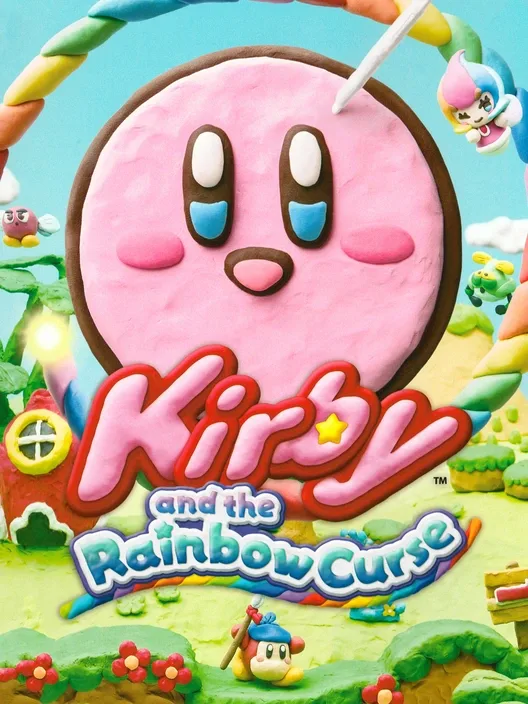
HAL Laboratory released Kirby and the Rainbow Curse in 2015, a clay-styled platformer controlled entirely with the GamePad stylus. Its visuals are among the most charming on the console. It holds a Metacritic score of 73, and reviews were mixed: critics loved the look, but some found the levels overly simple and the stylus controls imprecise. It follows Kirby: Canvas Curse on the DS and supports up to three extra players on Wii Remotes as Bandana Waddle Dees. Amiibo figures unlock special abilities.