
The Wii launched in late 2006 and rewrote the rules of home consoles with the motion-sensing Wii Remote, a pointer and a Nunchuk. It was never a graphics leader, so the best of its library win on design, invention and multiplayer appeal: Nintendo's own platformers and adventures, a strong crop of Japanese cult games, and a handful of downloadable gems. Motion controls dated some of the games, and low-definition visuals are a shared weakness, so each entry below notes one honest drawback.
1. Super Mario Galaxy#
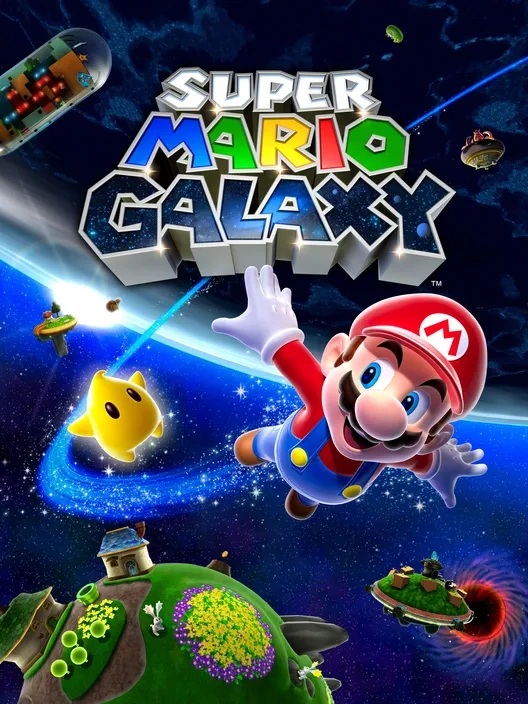
Nintendo EAD Tokyo launched Super Mario Galaxy in November 2007 and brought Mario into space, running across tiny planets where gravity changes with every step. It holds a Metacritic score of 97 and won Game of the Year from numerous outlets. Orchestral music, a central Comet Observatory hub and the story of Rosalina give it a warmth beyond its physics. The Wii Remote pointer collects star bits and freezes enemies. Some players found the motion-controlled sections gimmicky. Its ideas were expanded in the sequel, but the original remains a defining showcase for the console. It was the first Nintendo game to win the BAFTA Award for Best Game, carried the first orchestral score in the Mario series, and sold about 12.8 million copies.
2. Super Mario Galaxy 2#
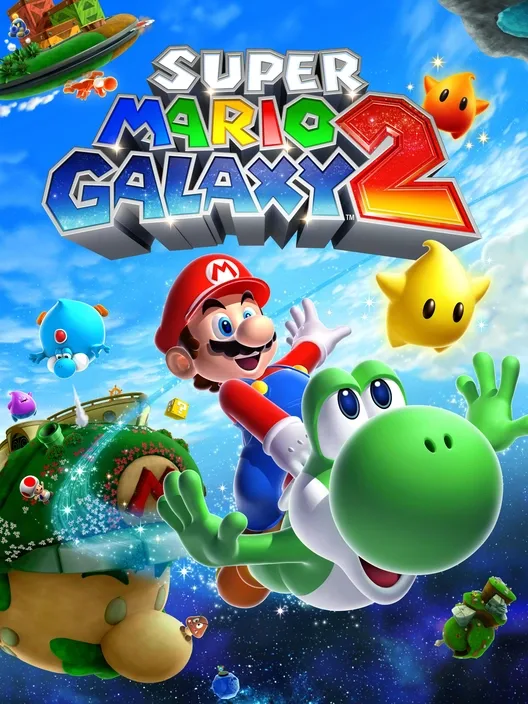
Nintendo EAD Tokyo released Super Mario Galaxy 2 in May 2010 and refined nearly everything about its predecessor. Mario runs around small planetoids with shifting gravity, and the sequel adds Yoshi, a drill, a cloud suit and a steady stream of new ideas, with almost every galaxy introducing a mechanic that is used once and then replaced. It holds a Metacritic score of 98, among the highest ever recorded. Its hub is Starship Mario, a mobile planet that grows as new abilities unlock, rather than the original's observatory. The hardest stars ask for real precision. It is widely seen as one of the best platformers ever made, and it sold over seven million copies worldwide.
3. The Legend of Zelda: Twilight Princess#
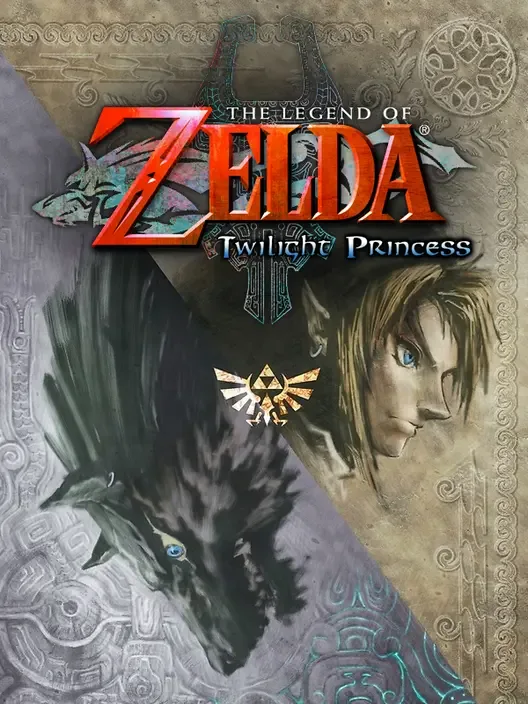
Nintendo EAD released Twilight Princess in November 2006 as a Wii launch title, while a GameCube version followed in December. Link turns into a wolf, the world is split between light and a shadowy Twilight Realm, and the darker tone and elaborate dungeons made it a favorite of fans of Ocarina of Time. On Wii it holds a Metacritic score of 95. Bow and clawshot aiming with the pointer felt natural, though sword swings were mapped to a simple wave. The opening hours are slow, and the overworld can feel empty between dungeons. Its dungeons, including the Arbiter's Grounds and the City in the Sky, remain among the series' most memorable.
4. World of Goo#
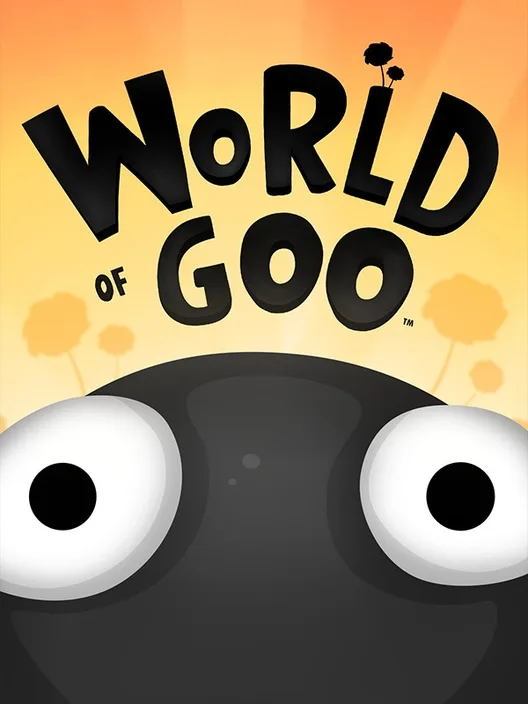
2D Boy released World of Goo on WiiWare in October 2008, and it turned a simple idea into a physics puzzler. Players build towers, bridges and structures from balls of goo to guide them to a pipe. It holds a Metacritic score of 94 on Wii, matching the acclaim of IGN's 9.5/10. The Wii Remote pointer suits grabbing and placing goo balls, and the stylized art and melancholy score give it a character of its own. Some later levels are fiddly because the physics is unforgiving. It began as a Carnegie Mellon student project, won the Design Innovation and Technical Excellence awards at the 2008 Independent Games Festival, and later reached many other platforms, including Switch in 2017.
5. Super Smash Bros. Brawl#
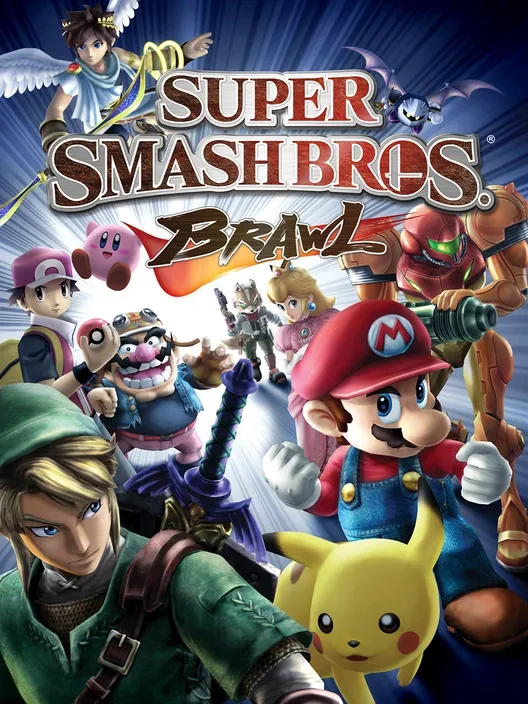
Sora Ltd. developed Super Smash Bros. Brawl under Masahiro Sakurai's direction, and it launched in Japan in January 2008 and North America in March. It holds a Metacritic score of 93. The roster grew to 39 playable characters, including guests such as Solid Snake and Sonic, and the Subspace Emissary adventure mode added a lengthy single-player campaign. Online play and stage builders extended its life. Many players felt the pace was slower than in Melee, and random tripping annoyed competitive players. It sold over 13 million copies and remains a huge party game with a great deal of content, though critics noted long loading times.
6. The Legend of Zelda: Skyward Sword#
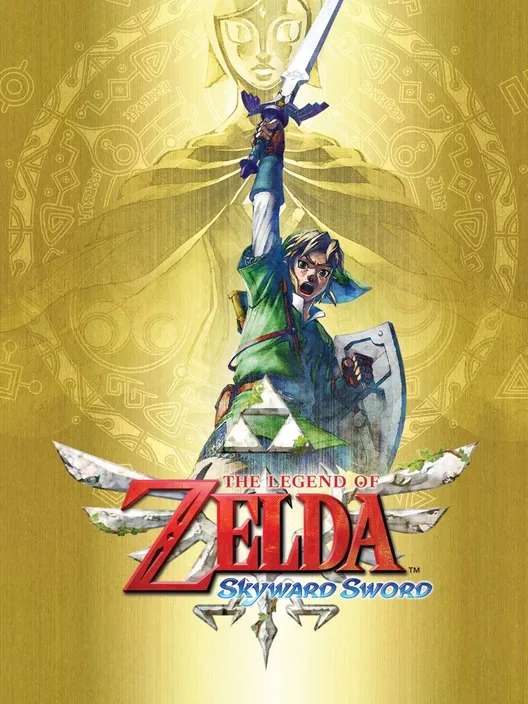
Nintendo EAD released Skyward Sword in November 2011, and it was designed around the Wii MotionPlus accessory, which lets sword strikes follow the direction of the player's swing. It is set in the skies above a cloud-covered world and tells the origin of the Master Sword. It holds a Metacritic score of 93. Dungeons rely on the sword to solve puzzles, and the watercolor-style art has aged well. It was criticized for a slow opening, an overly talkative companion in Fi, and motion control that occasionally needs recalibration. It is a bold, unusual Zelda that divides fans but was praised at release.
7. Xenoblade Chronicles#
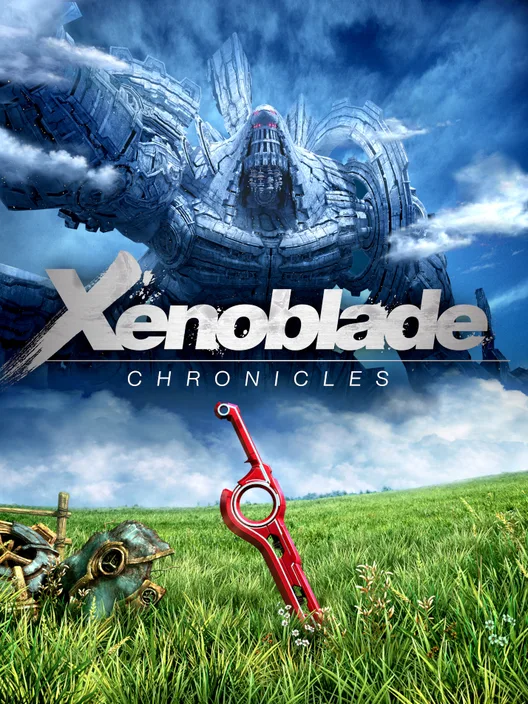
Monolith Soft's Xenoblade Chronicles reached Japan in June 2010, Europe in 2011 and North America in April 2012, after a fan campaign called Operation Rainfall. It holds a Metacritic score of 92. Its world is set on the bodies of two colossal titans, the Bionis and the Mechonis, with large open areas, a real-time combat system with auto-attacks and a story that reveals its twists with confidence. Players can watch the sun move across the sky and change the time of day. Fetch quests are numerous, and textures look muddy at Wii resolution. It is still praised as one of the best Japanese role-playing games of its decade and later got a remaster on Switch.
8. Metroid Prime Trilogy#
Retro Studios and Nintendo released Metroid Prime Trilogy on Wii in August 2009 in North America and September in Europe, collecting Metroid Prime, Metroid Prime 2: Echoes and Metroid Prime 3: Corruption on one disc. The two GameCube games gained widescreen, sharper visuals, faster loading and Wii Remote pointer aiming, and new unlockable rewards were added across the set. It holds a Metacritic score of 91. Samus explores Tallon IV, Aether and the Bryyo region in first-person adventures built on scanning, exploration and atmosphere. Two of the three games were already available on GameCube, and the first-person controls take some adjustment. As a single package, it is arguably the best way to play one of Nintendo's finest series.
9. Rayman Origins#
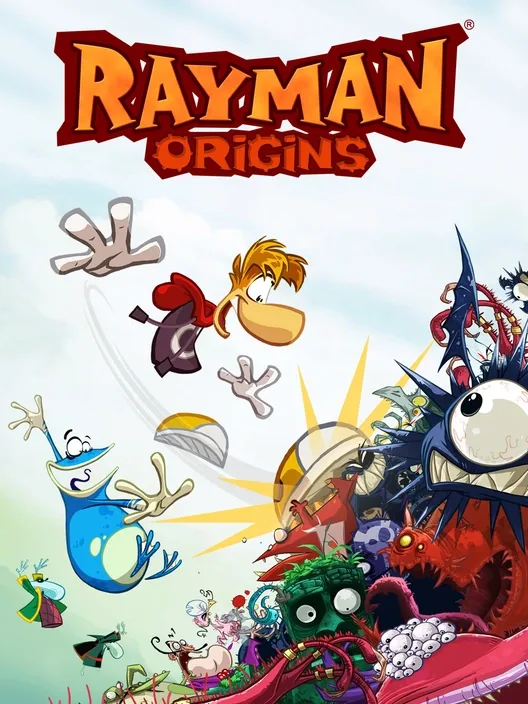
Ubisoft Montpellier revived Rayman as a 2D platformer in November 2011, using the UbiArt Framework to create a hand-drawn look. Up to four players can join in cooperatively, running through levels that turn into chase and rhythm sequences. It holds a Metacritic score of 92 on Wii. Its tight controls and inventive level design earned wide praise. Some late-game levels are demanding, and the Wii version runs at a lower resolution than on other consoles. It is still one of the best 2D platformers of its era, and it proved that the format was far from dead. IGN gave it 9.5 out of 10, though initial sales were disappointing.
10. Rock Band 2#
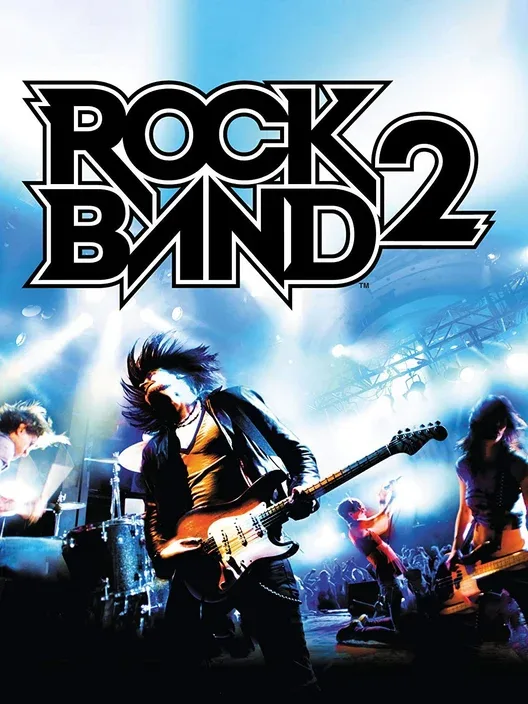
Harmonix developed Rock Band 2, and its Wii version, ported by Pi Studios, reached North America in December 2008 and Europe in October 2009. It holds a Metacritic score of 92. The setlist has 84 songs, and the Band World Tour mode lets a band tour venues while unlocking new items. It improved on the original with a drum trainer, a battle of the bands and support for downloadable songs. It requires plastic instruments that take up room and money. It is one of the best-reviewed music games of the boom. The Wii port dropped some customization options found elsewhere, such as custom tattoos and face paint, and the game's 84 tracks are a mix of 75 featured songs and 9 tracks from lesser-known acts.
11. Metroid Prime 3: Corruption#
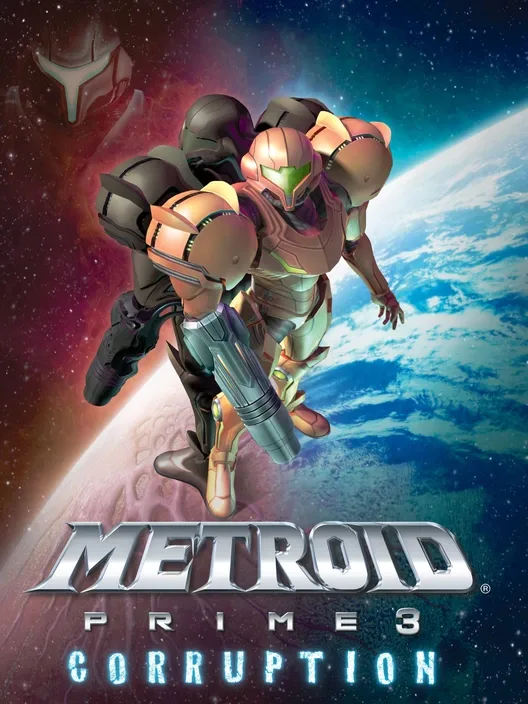
Retro Studios completed the Prime trilogy in August 2007 with Metroid Prime 3: Corruption, and it uses the Wii Remote pointer to aim, grapple and interact with the environment. It holds a Metacritic score of 90. Samus travels between several worlds, including Bryyo and the Pirate Homeworld, and gains a Hypermode for stronger attacks at the cost of health. The pointer aiming feels more precise than a dual-stick shooter for many, and its controls influenced later first-person games. Some found the game more linear and story-heavy than Metroid Prime and Echoes. It is still considered one of the best-controlled first-person games on the system. Nintendo Power gave it 10/10 and IGN 9.5/10.
12. Okami#
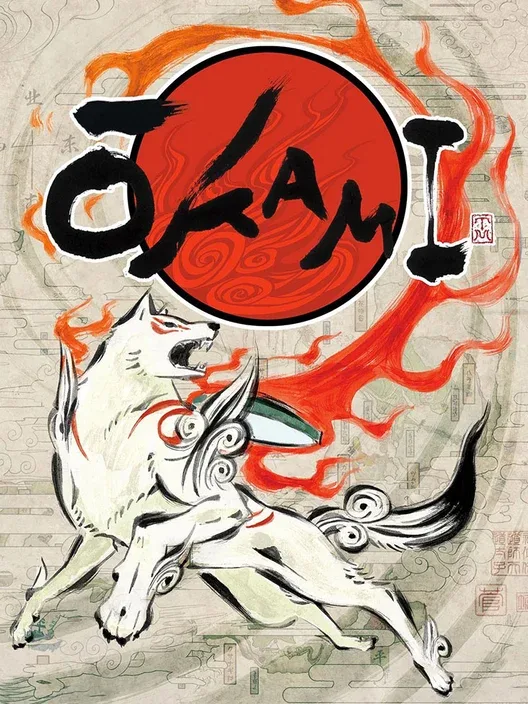
Clover Studio's Okami arrived on the PlayStation 2 in 2006, and the Wii version, ported by Ready at Dawn, was released in April 2008. The player is the sun goddess Amaterasu in wolf form, painting with the Celestial Brush to solve puzzles and fight demons in a world drawn in the style of Japanese ink art. It holds a Metacritic score of 90 on Wii. The Wii Remote suits brush strokes better than a controller stick, and the game gained widescreen support. It is long, and the dialogue can be slow. Even so, the art, the music and the sense of wonder make it a landmark of games as art.
13. Cave Story#
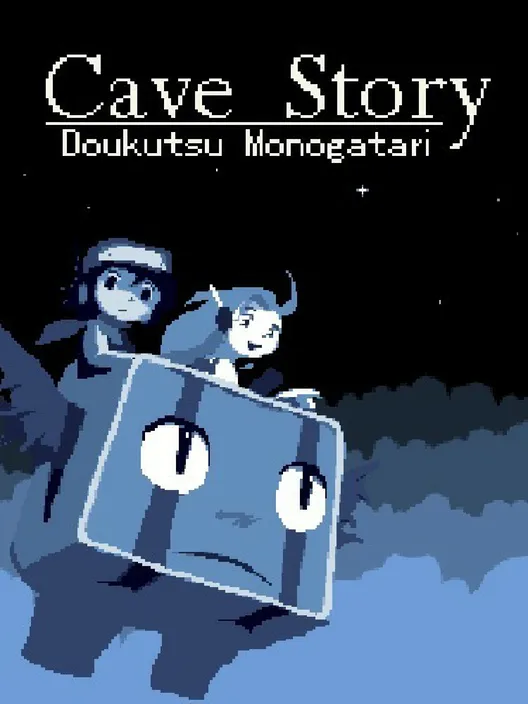
Daisuke Amaya created Cave Story as a free PC game in 2004, and Nicalis brought it to WiiWare in March 2010 with new graphics and music. It holds a Metacritic score of 89. Players explore caves, meet the Mimiga and collect weapons that level up as the player collects crystals. It plays like a mix of Metroid and Mega Man with a moving story. The game is short, and some bosses and secrets demand precision. It is widely credited with showing what one developer could accomplish alone and with reviving interest in 2D platformers. The WiiWare port reached North America on 22 March 2010 and Europe in December 2010, with updated character designs and remixed music, and it keeps an option to switch back to the original graphics.
14. The Beatles: Rock Band#
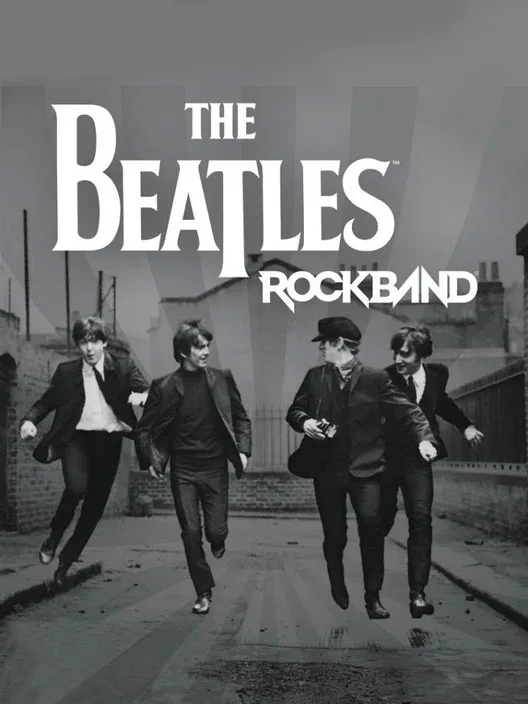
Harmonix released The Beatles: Rock Band in September 2009, with the cooperation of Apple Corps. It holds a Metacritic score of 89. It takes the player through the band's career, from the Cavern Club to the rooftop concert, with dreamscape sequences for the later studio years. It also supports three-part vocal harmonies. The setlist is limited to the Beatles' catalog. It is a loving tribute and one of the most polished music games. Giles Martin, son of producer George Martin, oversaw the audio, and the game sold over 3 million copies worldwide, below analyst expectations during the recession.
15. New Super Mario Bros. Wii#
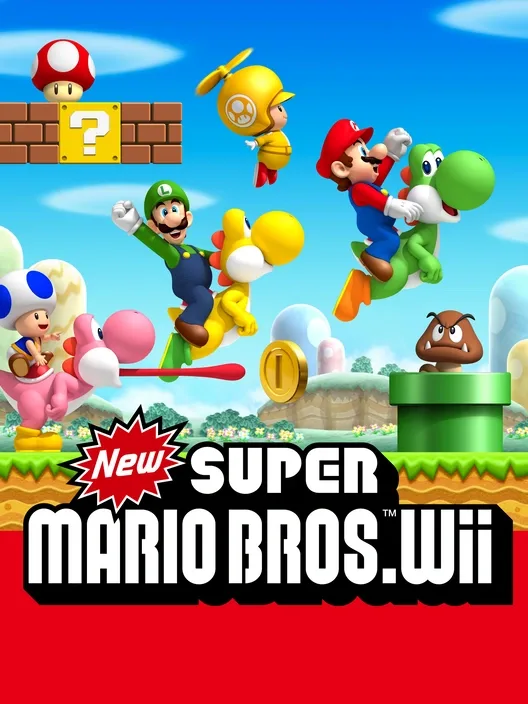
Nintendo EAD released New Super Mario Bros. Wii in November 2009, and it was the first Super Mario game with simultaneous cooperative play for up to four players. Players can bounce, throw and bubble each other, and the game supports co-op through eight worlds. It holds a Metacritic score of 87. Power-ups like the propeller suit and ice flower keep levels fresh. Multiplayer can descend into chaos, and single-player is comparatively tame. The Super Guide, which plays a level for players who fail repeatedly, drew comment. Famitsu gave it a perfect 40/40, and it has sold over 30 million copies, making it the fourth-best-selling Wii game.
16. Donkey Kong Country Returns#
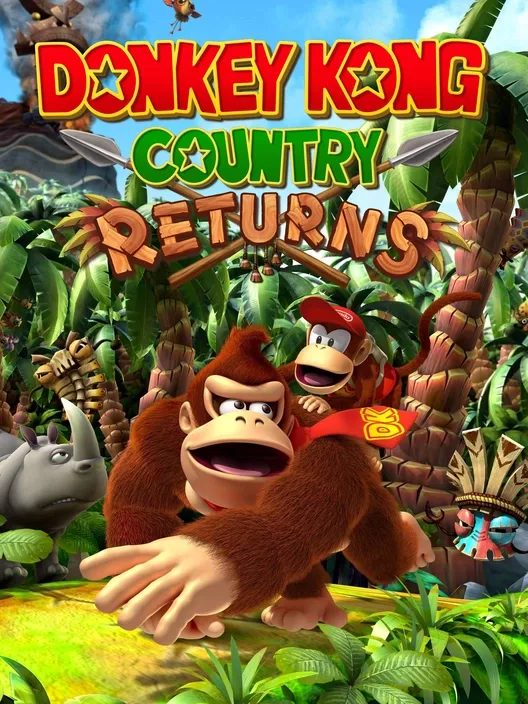
Retro Studios revived Donkey Kong Country in November 2010, and it returned the series to its roots as a 2D platformer with barrel cannons, mine carts and rocket barrels. It holds a Metacritic score of 87. Diddy Kong rides on Donkey Kong's back for a hover jump, and a second player can join for cooperative play. The difficulty is high, and the game rewards mastery with secret Kong letters and puzzle pieces. Critics found the motion controls and high difficulty divisive, and some found the hardest levels punishing. It was later ported to Nintendo 3DS in 2013 and released as Donkey Kong Country Returns HD on Switch in January 2025. It sold over 6.5 million copies and was widely praised as a return to form.
17. Sin & Punishment: Star Successor#
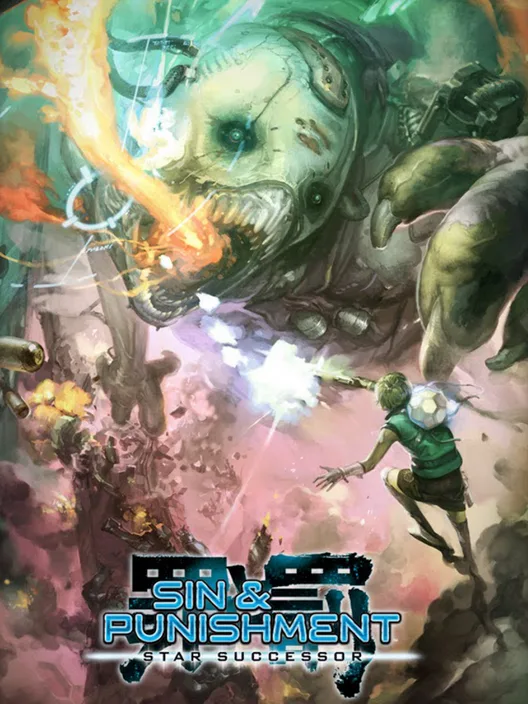
Treasure's Sin & Punishment: Star Successor came out in Japan in October 2009, in Europe in May 2010 and in North America in June 2010. It is a rail shooter in which players use the Wii Remote pointer to aim while the Nunchuk moves the character. It holds a Metacritic score of 87. Boss fights, a fast pace and a strong sense of style make it a highlight for fans of arcade action. It requires some practice to feel natural, though it also supports the Wii Zapper, the Classic Controller and the GameCube controller. It is a worthy successor to the 2000 Nintendo 64 original, which was released only in Japan, and Nintendo published this sequel worldwide.
18. Zack & Wiki: Quest for Barbaros' Treasure#
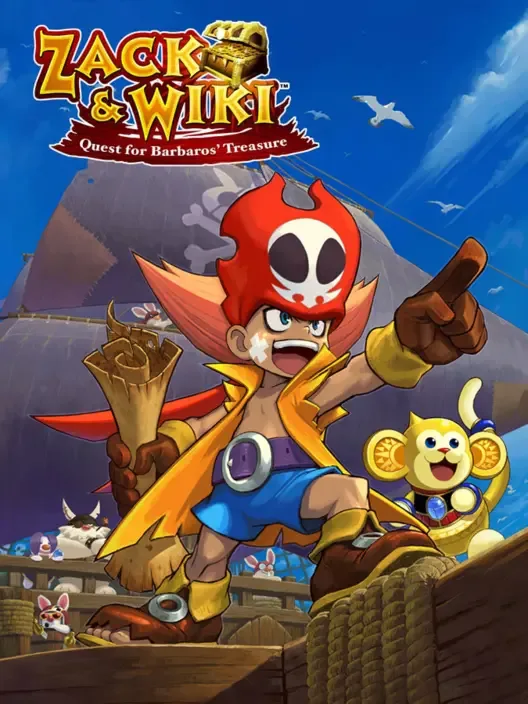
Capcom released Zack & Wiki: Quest for Barbaros' Treasure in October 2007. It is a point-and-click adventure in which a pirate boy and his monkey Wiki solve elaborate puzzles using the Wii Remote to swing, shake and twist. It holds a Metacritic score of 87. Each puzzle has multiple steps and the game rewards experimentation. Some solutions rely on trial and error, and the game sold poorly despite the reviews. It is fondly remembered as one of the Wii's most inventive and least appreciated games. IGN gave it 9/10 and GameSpot named it Adventure Game of the Year, yet it sold only about 300,000 copies worldwide by the end of Capcom's fiscal 2008, and no sequel followed.
19. Little King's Story#
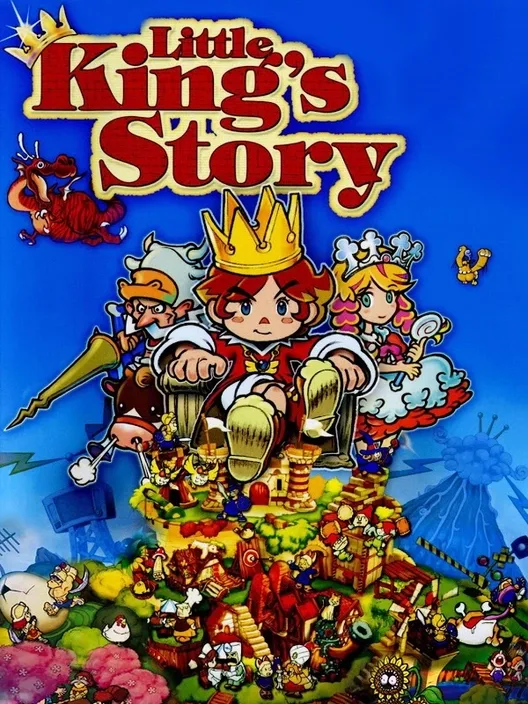
Cing and Town Factory developed Little King's Story, released in July 2009 in North America. Players command a small king who leads followers through a whimsical kingdom, and it mixes real-time strategy with life-simulation and role-play. It holds a Metacritic score of 87. The pointer is used to throw followers at enemies and obstacles. Edge gave it 9/10 and it won a Satellite Award for Outstanding Puzzle/Strategy Game. It has a distinct storybook look and a witty script that give it a cult following, though initial sales were modest, at roughly 130,000 units by November 2009.
20. Guitar Hero III: Legends of Rock#
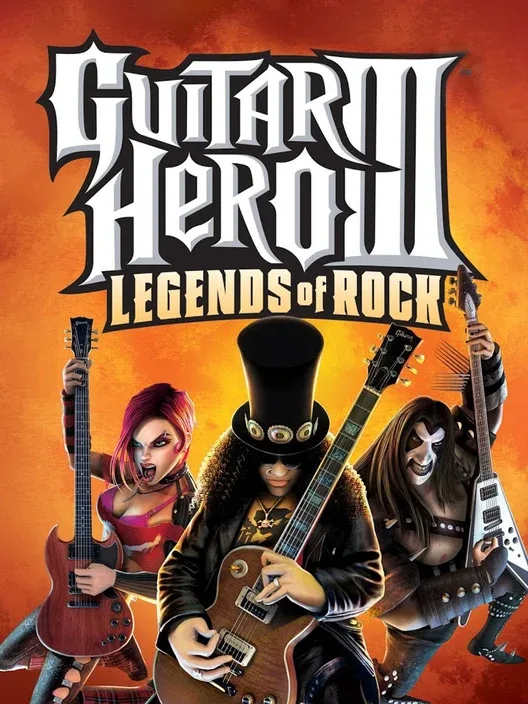
Neversoft developed Guitar Hero III: Legends of Rock, and the Wii version, ported by Vicarious Visions, launched in North America on 28 October 2007 alongside the other consoles. It holds a Metacritic score of 86. It added online competitive play (Face Off, Pro Face Off, Battle) and career-mode boss battles against Slash, Tom Morello and Lou the Devil. It sold over 2 million copies on Wii, the system's best-selling third-party game, and became the first retail game to top one billion dollars in sales.
21. Punch-Out!!#
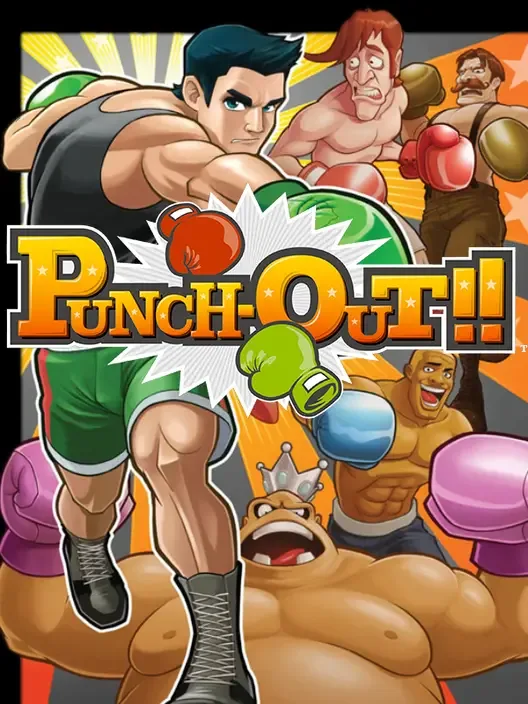
Next Level Games released Punch-Out!! in May 2009 as a reimagining of the NES classic, with Little Mac working through the circuit against exaggerated fighters. It holds a Metacritic score of 86. Each opponent has patterns and tells that must be learned, and both a Wii Remote and Nunchuk control scheme and a Balance Board option are available. Cel-shaded visuals and voice acting give it personality. Some found the campaign short, and some critics felt the character stereotypes have not aged well. It is a loving update of a classic formula. It reached North America on 18 May 2009, offers a sideways Wii Remote scheme as well, and sold about 1.27 million copies.
22. Kirby's Epic Yarn#
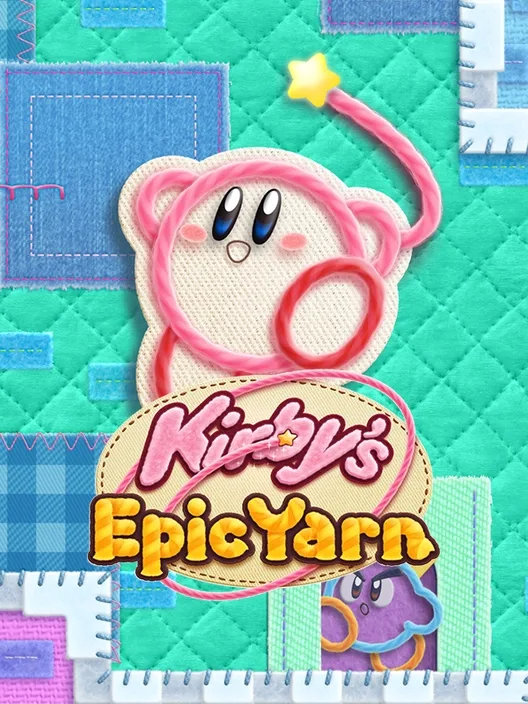
Good-Feel developed Kirby's Epic Yarn, which was released in October 2010. The whole world is made of fabric and yarn, and Kirby uses a yarn whip to grab and wind up enemies and transforms into a parachute, car, submarine or tank. It holds a Metacritic score of 86. The stitched art style and gentle soundtrack are among the most charming on the console. It cannot be failed in the usual sense, since Kirby only loses beads, so the challenge is minimal. Seeking every bead and treasure gives it depth for completionists. It is a gorgeous and relaxing platformer.
23. LostWinds: Winter of the Melodias#
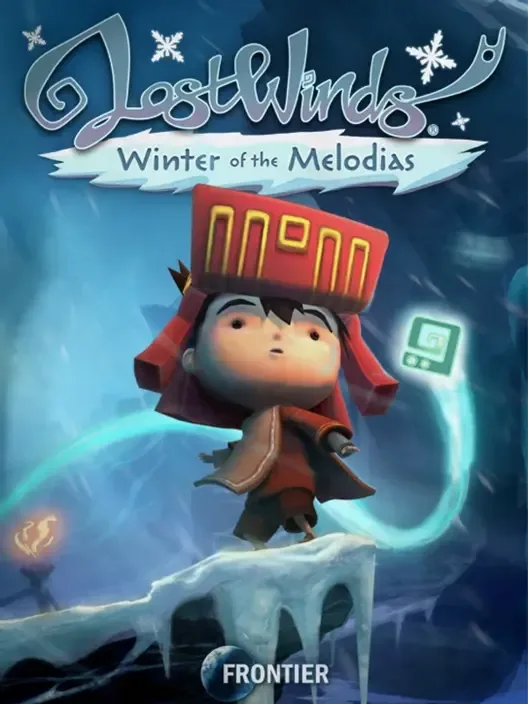
Frontier Developments released LostWinds: Winter of the Melodias on WiiWare in October 2009. It is a platformer in which the player controls the wind with the pointer while guiding the boy Toku. It holds a Metacritic score of 86. It is a sequel to LostWinds, and its key tool is a magic item that flips the world between winter and summer to solve puzzles. Reviewers found it bigger and longer than the original, and Eurogamer compared its tight design to A Link to the Past. It is a strong example of what WiiWare could offer.
24. Super Paper Mario#
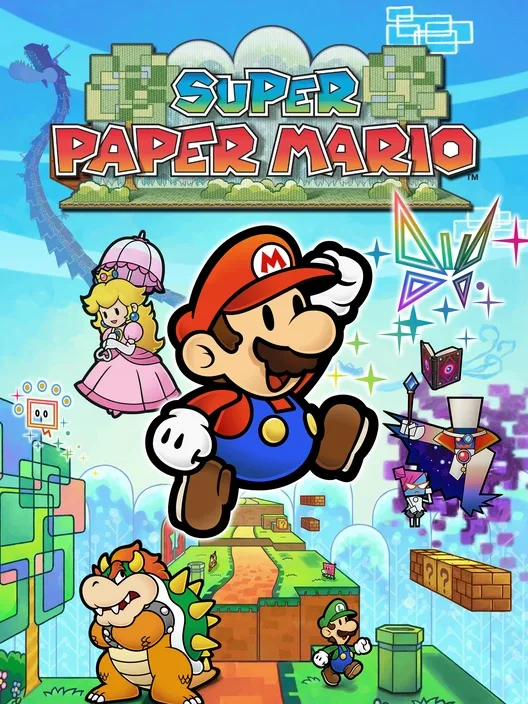
Intelligent Systems released Super Paper Mario in April 2007, mixing the series' role-playing elements with 2D platforming that can flip into 3D. Mario can flip the dimensions to reveal hidden paths, and critics praised the creative writing. It holds a Metacritic score of 85. It is more of a platformer than a traditional role-playing game, and long stretches of text slow the pace. Some fans of the earlier titles missed turn-based combat. It remains a bright and clever adventure. It sold over 4 million copies, making it the best-selling Paper Mario game, and it won the Satellite Award for Outstanding Role Playing Game.
25. Tatsunoko vs. Capcom: Ultimate All-Stars#
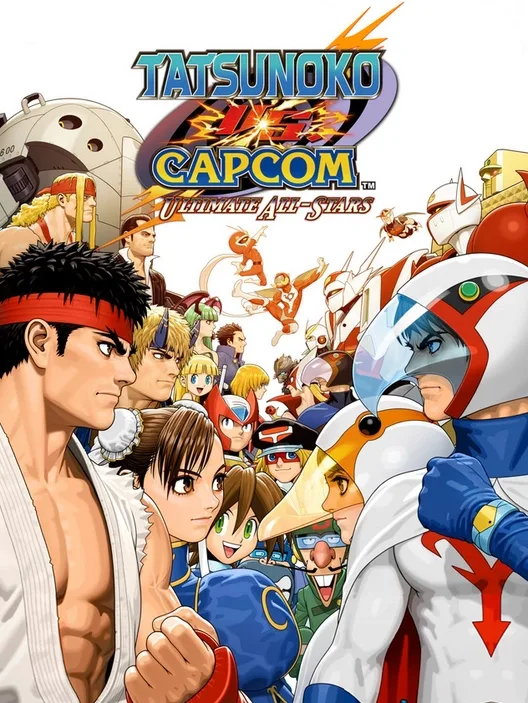
Eighting developed Tatsunoko vs. Capcom: Ultimate All-Stars, which was released in January 2010 for the Wii. It is a fighting game that pits Capcom characters against Japanese anime heroes from Tatsunoko Productions. It holds a Metacritic score of 85. Two-versus-two tag fights and simple controls make it approachable, and it supports online play. The 26-character roster is split evenly between Tatsunoko and Capcom, and some Tatsunoko heroes are unfamiliar to Western players. It expands the 2008 Japanese release Tatsunoko vs. Capcom: Cross Generation of Heroes, and critics praised its balance of accessibility and depth, though online performance drew mixed reviews.
26. Boom Blox#
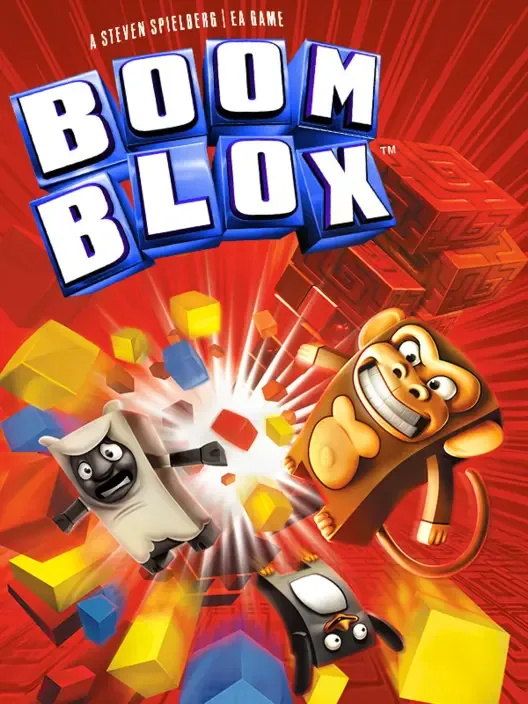
EA Los Angeles developed Boom Blox with Steven Spielberg's involvement, and it was released in May 2008. Players throw balls and use the Wii Remote to knock down and rebuild structures made of blocks, using a physics engine. It holds a Metacritic score of 85. It offers many puzzle types and multiplayer modes. The pointer can be fiddly and some puzzles are repetitive. It is a family-friendly puzzler that showed how the Wii could be used for physics play. It has over 300 single-player levels, more than 100 multiplayer levels and a level editor, and Spielberg said he wanted a non-violent game to play with his kids. A sequel, Boom Blox Bash Party, followed in 2009.
27. Monster Hunter Tri#
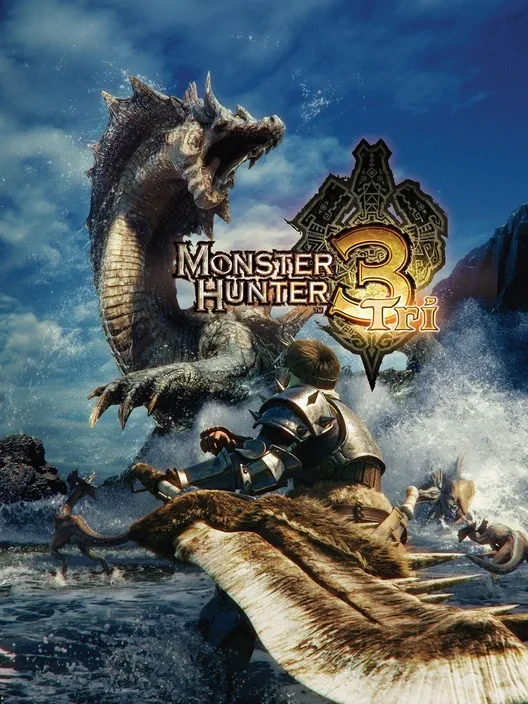
Capcom released Monster Hunter Tri in Japan in August 2009 and in the West in April 2010. It holds a Metacritic score of 84. It brought hunting to the sea with underwater battles and added online play for four players. Famitsu gave it a perfect 40/40, and it became the best-selling third-party Wii game in Japan. Its learning curve is steep. It is still admired as an entry point to a series that has become a global brand. It was originally planned as a PlayStation 3 game, and Wii Speak support gave Western players built-in voice chat.
28. No More Heroes#
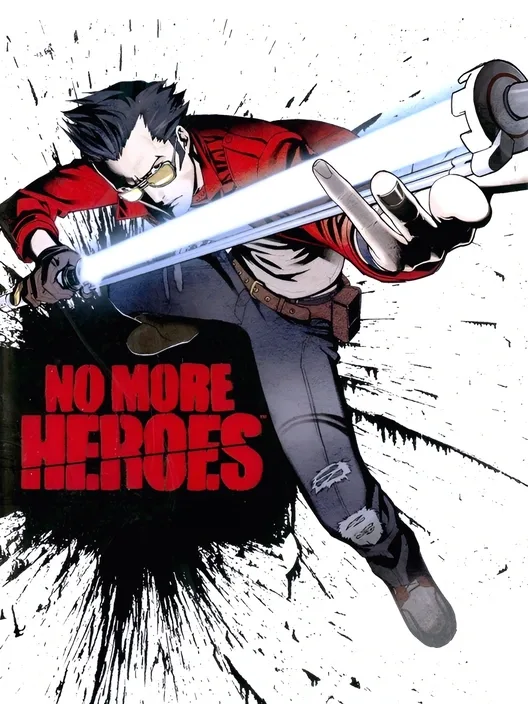
Grasshopper Manufacture released No More Heroes in Japan in December 2007 and in the West in early 2008, directed by Goichi Suda. Travis Touchdown fights to become the top assassin, using a beam katana controlled with the Wii Remote to finish enemies. It holds a Metacritic score of 83. The stylish presentation and offbeat humor set it apart. Critics found the open-world city limited and repetitive. It sold modestly in Japan but did well in the West, with about 208,000 copies in the US alone, and it is a cult favorite that later spawned sequels and ports to Switch and PC.
29. No More Heroes 2: Desperate Struggle#
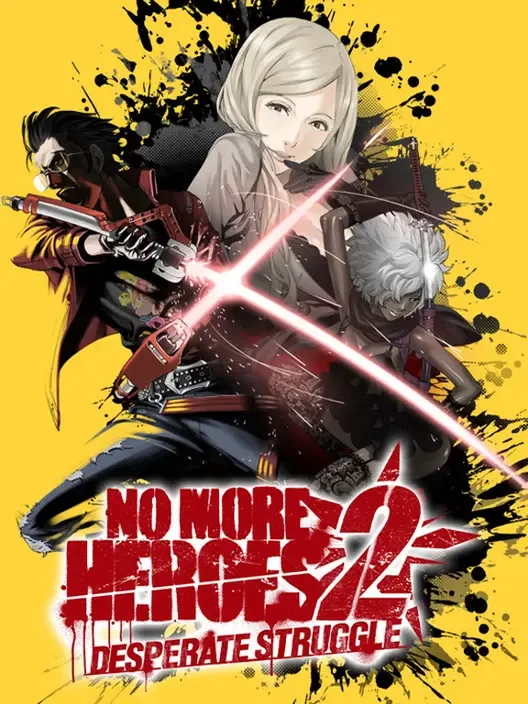
Grasshopper Manufacture followed up in January 2010 in North America (mid-2010 in Europe, October 2010 in Japan) with No More Heroes 2: Desperate Struggle. It holds a Metacritic score of 84. It drops the open-world city for a menu-driven structure and adds 8-bit-styled minigames, and players can skip paying entry fees for ranked battles. Some players missed the open city. Suda handed the lead director role to Nobutaka Ichiki, the only game in the series without him in that role. It is a sharper and more focused sequel, though its sales were disappointing.
30. WarioWare: Smooth Moves#
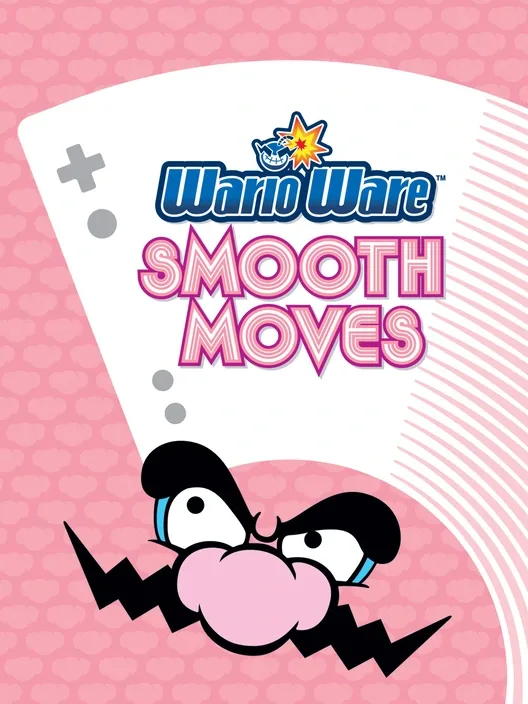
Nintendo SPD and Intelligent Systems developed WarioWare: Smooth Moves, which came out in Japan in December 2006 and in North America, Europe and Australia in January 2007. It is a collection of very short microgames that require unusual Wii Remote poses, such as holding it like a fishing rod or an umbrella. It holds a Metacritic score of 83. Its humor and speed are delightful. It is short and best in groups. It remains one of the funniest party games on the system. It packs roughly 200 five-second microgames and a hotseat multiplayer mode for up to 12 players sharing one remote, and it earned a Family Game of the Year nomination from the AIAS.
31. Rhythm Heaven Fever#
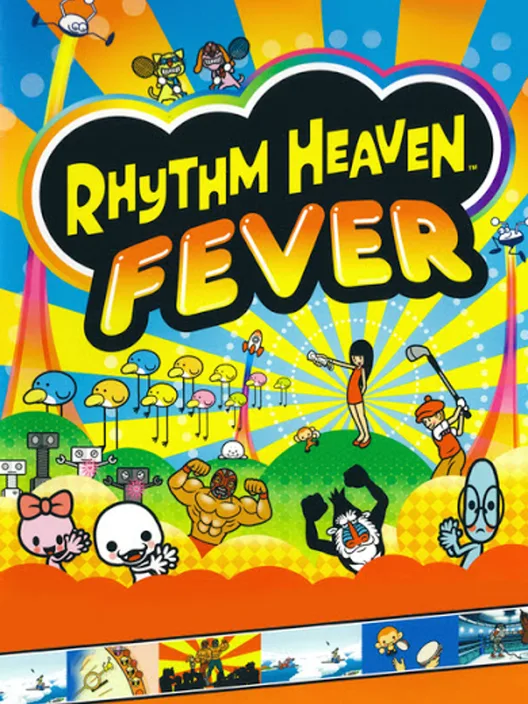
Nintendo SPD released Rhythm Heaven Fever in Japan in 2011 and in North America in February 2012. It is a rhythm game where players tap and flick in time to charming scenes. It holds a Metacritic score of 83. It has about 40 quirky minigames played with just the A and B buttons, and some support cooperative play. It is challenging to earn a perfect score, and it is short. It is a quiet gem in the Wii library. It is Wii-exclusive, came out in Europe in July 2012, and its soundtrack was produced with Tsunku's studio TNX; reviewers praised the music, art style and variety.
32. Mario Kart Wii#
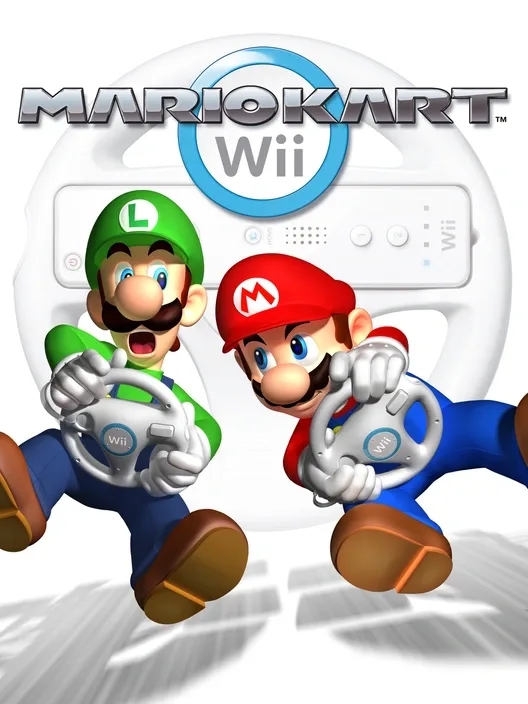
Nintendo EAD released Mario Kart Wii in April 2008, packaged with the Wii Wheel accessory. It has 32 tracks, 12 racers at a time, motorbikes for the first time and online play through Nintendo Wi-Fi Connection. It holds a Metacritic score of 82. Motion steering works as an easy entry and the Classic Controller offers more control. Many players felt the item system's catch-up mechanics were unfair. Critics also faulted its rubber-band AI and unbalanced items as leaving too much to chance. It was the best-selling game worldwide in 2008 and has sold over 37 million copies, and its retro tracks from earlier Mario Kart games are a highlight.
33. Muramasa: The Demon Blade#
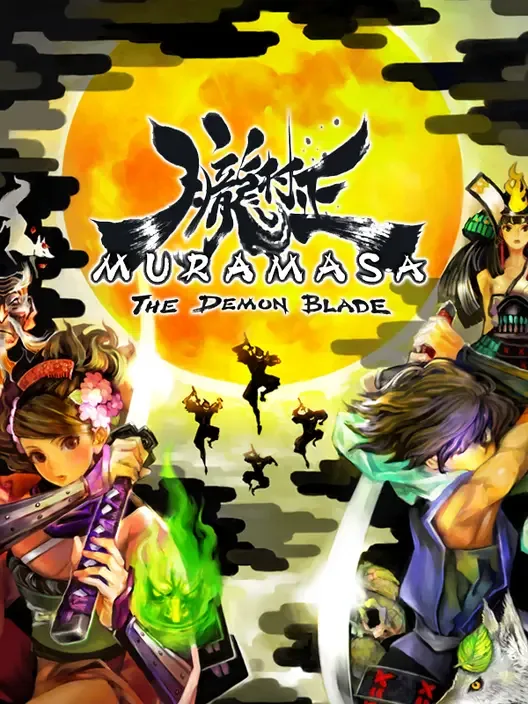
Vanillaware developed Muramasa: The Demon Blade, released in April 2009 in Japan and in September and November 2009 in North America and Europe, and it is a side-scrolling action game with hand-painted art set in feudal Japan. Players play as Kisuke or Momohime and collect more than 100 swords with different attributes. It holds a Metacritic score of 81. Its beauty and music were widely praised. Combat lacks depth and the story has no proper climax. Critics called the combat fun but shallow. Initial sales exceeded expectations, and the game later returned on PlayStation Vita as Muramasa Rebirth in 2013.
34. Wii Sports Resort#
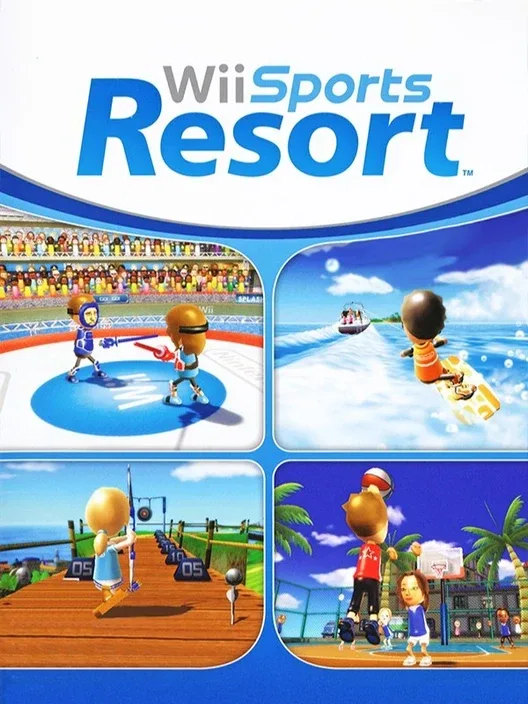
Nintendo EAD released Wii Sports Resort in Japan in June 2009 and in the West in July 2009, bundled with the Wii MotionPlus accessory. It offers 12 activities, including swordplay, archery, wakeboarding and basketball, in a tropical setting. Reviews were favorable, with a Metacritic score of 80, and praised the precise motion control. Some activities are shallow, and it does not offer a strong single-player campaign. It is best played with friends and it demonstrated the accuracy of the new motion sensor. It sold about 33 million copies, making it the third best-selling Wii game.
35. Wii Sports#
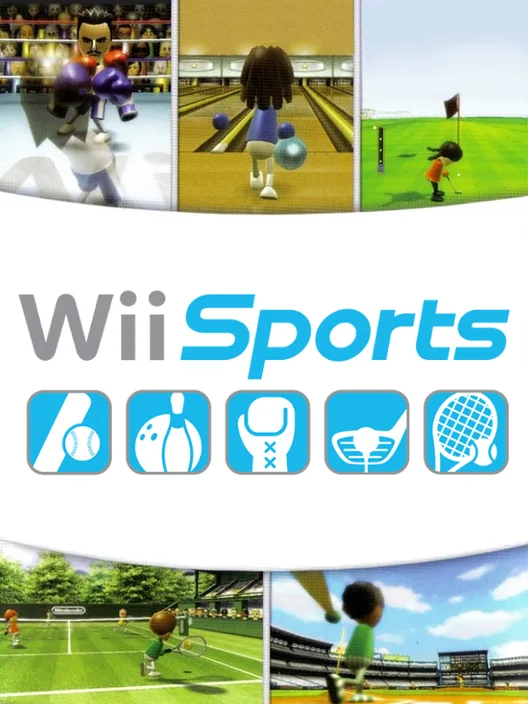
Nintendo EAD released Wii Sports in November 2006, and it was bundled with most Wii consoles outside Japan and Korea. It has five sports: tennis, bowling, baseball, golf and boxing. It holds a Metacritic score of 76 and has sold more than 82 million copies, making it one of the best-selling games ever. Its simple controls brought non-gamers into gaming. Graphics and depth are basic, and its long-term appeal is limited. It is placed here for its cultural influence and its role as the console's calling card. It launched in North America on 19 November 2006, with Japan and Europe following in December, and it was inducted into the World Video Game Hall of Fame in 2023.
36. Kirby's Return to Dream Land#
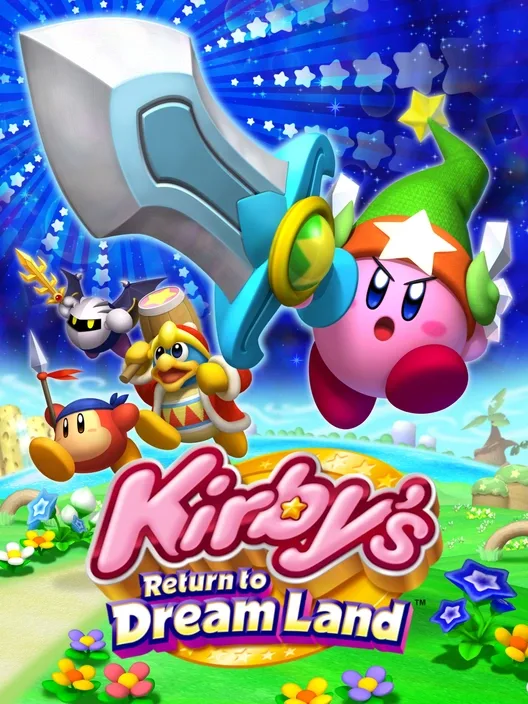
HAL Laboratory released Kirby's Return to Dream Land in October 2011 in North America. It holds a Metacritic score of 77. Players can copy abilities and play cooperatively with up to four players, and it features Super Abilities. Its return to the classic formula was praised, and its visuals and level design earned appreciation. The game is easy, especially in multiplayer. It is a charming, colorful platformer that is a high point for the series. It is Wii-exclusive in its original form, sold about 1.31 million copies by March 2012 and was remade for Switch as Kirby's Return to Dream Land Deluxe in February 2023.