
The Super Nintendo was the home of the 16-bit role-playing game, of Nintendo's most inventive platformers and of some of the finest arcade conversions of its day, and the list reflects that range. Nintendo's own classics share space with Square's golden run, Capcom and Konami action games, and multiplatform titles that were at their best on the SNES. Several entries were released only in Japan or only in Europe at the time, and each one is listed under its original release. Because the console's games were made for cartridges and CRT televisions, the write-ups also note where they feel dated today.
1. Chrono Trigger#
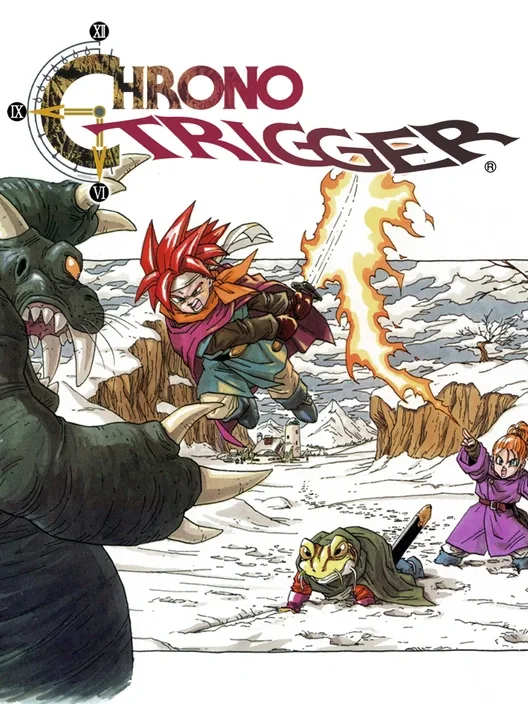
Square released Chrono Trigger in March 1995 in Japan and in August in North America, assembled by a team that Square publicised as a dream group: Hironobu Sakaguchi, Yuji Horii and Akira Toriyama, with music by Yasunori Mitsuda and Nobuo Uematsu. Its time-travel story sends Crono and his friends across prehistory, the Middle Ages and a ruined future, and the double and triple techniques make its active-time battles unusually inventive. Enemies are visible on the map, there are no random encounters, and the New Game+ mode unlocks around a dozen different endings. It is regularly named the best Super Nintendo game and one of the best role-playing games ever made. The main story is short by the genre's standards, and some side content feels thin. It is best played on the original hardware or through Square Enix's later re-releases.
2. Super Metroid#
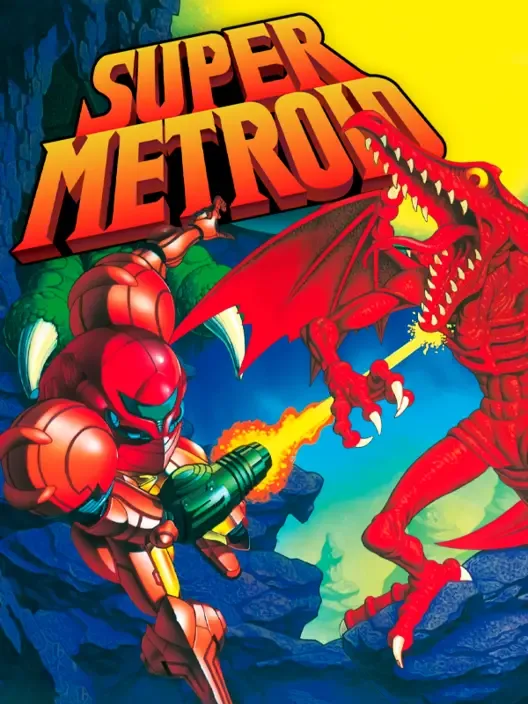
Nintendo R&D1 and Intelligent Systems released Super Metroid in March 1994 in Japan, with North America following in April and Europe in July. Samus Aran returns to the planet Zebes in a huge, interconnected map where every new ability reopens old areas, and the game trusts the player to find a route with almost no instruction. Its atmospheric music, animated environments and near-silent storytelling set the standard for exploration games, and it is one of the two titles that gave the Metroidvania genre its name. It appears at or near the top of nearly every retrospective list of the best games of the console, and critics have kept praising it for decades. The one caveat is that a few progression gates are cryptic, and first-time players may need a map or a hint to avoid getting stuck.
3. The Legend of Zelda: A Link to the Past#
Nintendo EAD released A Link to the Past in November 1991 in Japan, and it defined the top-down Zelda formula for a generation. Link travels between the Light World and a twisted Dark World, and swapping between the two maps turns puzzle-solving into a clever exercise in spatial thinking. Dungeons are tight, every item has several uses, and the overworld is packed with secrets. The Master Sword and the Magic Mirror both became series staples. Critics received it as an immediate classic, and it has repeatedly appeared in lists of the greatest games of all time. Its age shows in occasional vague objectives and in a few slow stretches of item hunting, but the design still feels sharper than many modern open-world adventures.
4. Super Mario World#
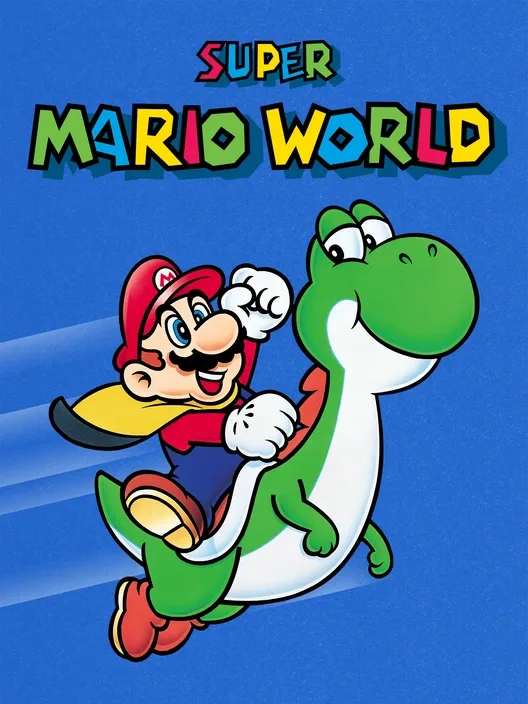
Super Mario World arrived with the Super Famicom in November 1990 and reached North America in August 1991, developed by Nintendo EAD under Shigeru Miyamoto and Takashi Tezuka. It added Yoshi, the cape feather and the hidden exits that turn a straight run through ninety-six goals into a map full of secrets, and it finishes in the demanding Special Zone. The controls are so precise that the game remains a speedrunning staple. Critics of the time and later retrospectives treated it as the peak of 2D Mario and one of the finest launch games in history. Its difficulty is gentle compared with the NES entries, and the story is a single sentence, but the level design remains exemplary.
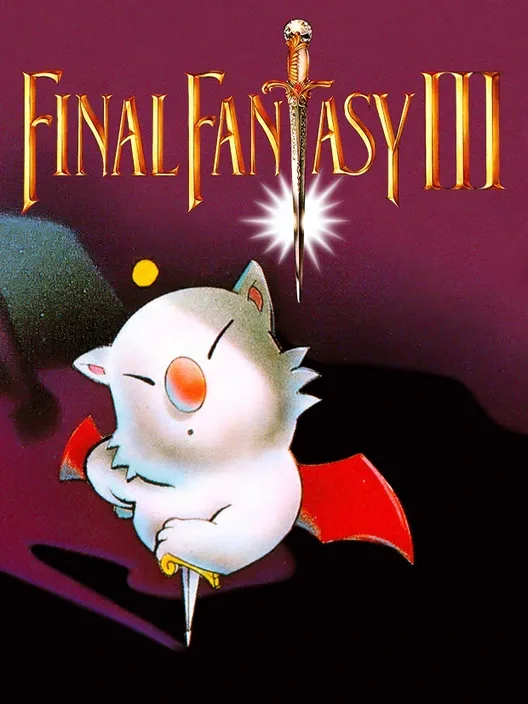
5. Final Fantasy VI (released in North America as Final Fantasy III)#
Square released Final Fantasy VI in April 1994 in Japan, and Western players received it as Final Fantasy III in October of the same year. Directed by Yoshinori Kitase and Hiroyuki Ito with a score by Nobuo Uematsu, it drops the single hero of earlier entries for an ensemble of fourteen playable characters, opposed by the memorable villain Kefka. Its opera scene, the World of Ruin turning point and the steampunk setting are often cited as high points of the series. It regularly appears near the top of lists of the best role-playing games. The Western localisation of the time softened some text and the magic-and-esper system can make characters feel too alike, but the storytelling is still remarkably ambitious.
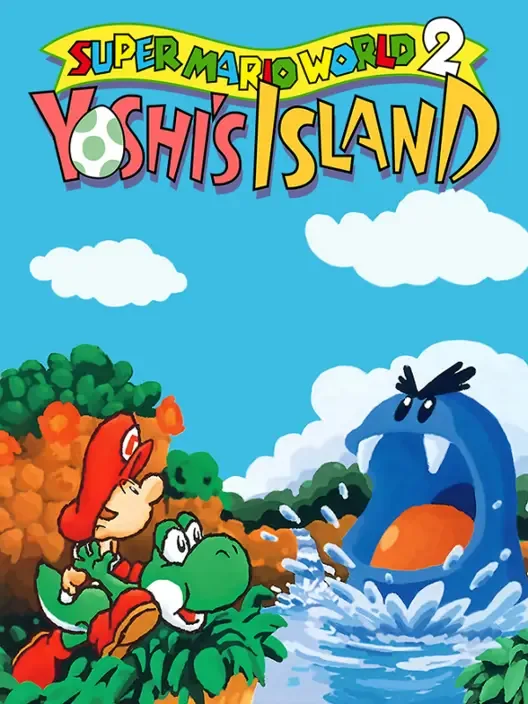
6. Super Mario World 2: Yoshi's Island#
Nintendo EAD released Yoshi's Island in August 1995 in Japan and in October in North America, with Shigeru Miyamoto producing and Takashi Tezuka among its directors. Instead of Mario, players control a team of Yoshis carrying a baby Mario, and the hand-drawn, crayon-like art was a dramatic break from the pre-rendered look popular at the time. The Super FX 2 chip powers rotating, scaling and morphing sprites that would have been impossible on the base console. Yoshi's flutter jump and egg throw make each level a puzzle in traversal, and boss fights are highly inventive. Critics praised it as one of the greatest platformers, and it is often called a rival to Super Mario World. The crying baby's countdown timer, which can become stressful, is the most common complaint.
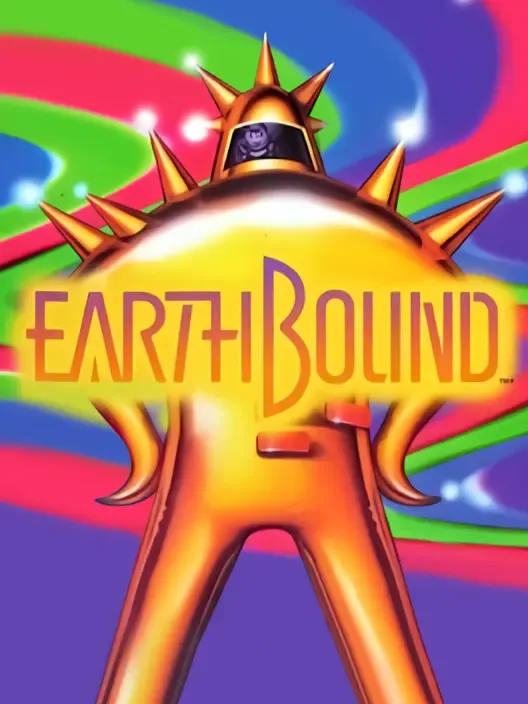
7. EarthBound#
HAL Laboratory and Ape released EarthBound in August 1994 in Japan as Mother 2, and Nintendo brought it to North America in June 1995. Written by Shigesato Itoi, it swaps swords and dragons for a modern American suburb, where four kids fight taxi cabs, hippies and cults with baseball bats and psychic powers. Its rolling HP meter, which lets a player heal before damage lands, and its wry humour and surreal music make it stand apart from other role-playing games of the period. It sold poorly on release in the West despite an offbeat marketing campaign, but critical reputation has grown enormously since, and it is regularly listed among the best games of the console. Random encounters, slow battles and an unforgiving inventory system are the main flaws.
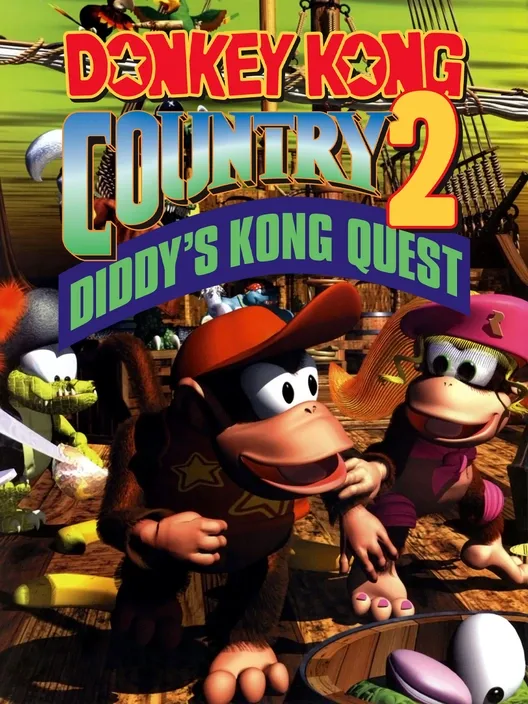
8. Donkey Kong Country 2: Diddy's Kong Quest#
Rare released Diddy's Kong Quest in November 1995 in Japan and December in North America, and many fans and critics consider it the best of the Donkey Kong Country trilogy. Diddy and Dixie Kong chase the kidnapped Donkey Kong through pirate ships, bramble mazes, storm-lashed cliffs and beehive interiors, with levels that grow from simple runs into multi-layered challenges. David Wise's soundtrack, especially the melancholy Stickerbush Symphony, is regarded as one of the best video-game scores ever written. Rare's pre-rendered visuals still hold up impressively, and the level design is more varied than in the first game. It is a demanding game with a hard late stretch and a fair number of frustrating bonus rooms, but its polish and ambition are rarely matched.
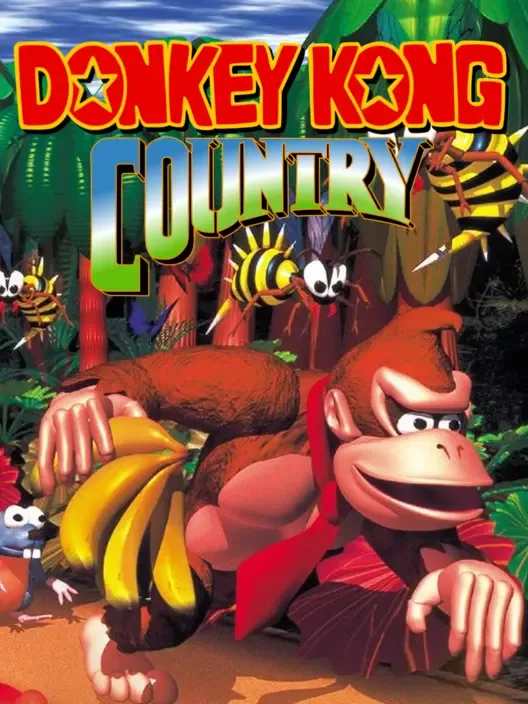
9. Donkey Kong Country#
Rare's Donkey Kong Country arrived in November 1994 and showed that the Super Nintendo could produce visuals that looked closer to a 32-bit console. The pre-rendered 3D models, converted to sprites, gave the jungle levels a lush depth, while the rolling attack, buddy-swapping with Diddy Kong and mine-cart stages kept the action tight. It was a huge commercial success and a landmark for how the console was marketed in the middle of the generation. David Wise's atmospheric soundtrack was widely praised. Critics later noted that its graphics-first approach sacrificed some variety compared with its sequels, and the difficulty spikes can be harsh. It remains a benchmark platformer and a technical marvel of the era.
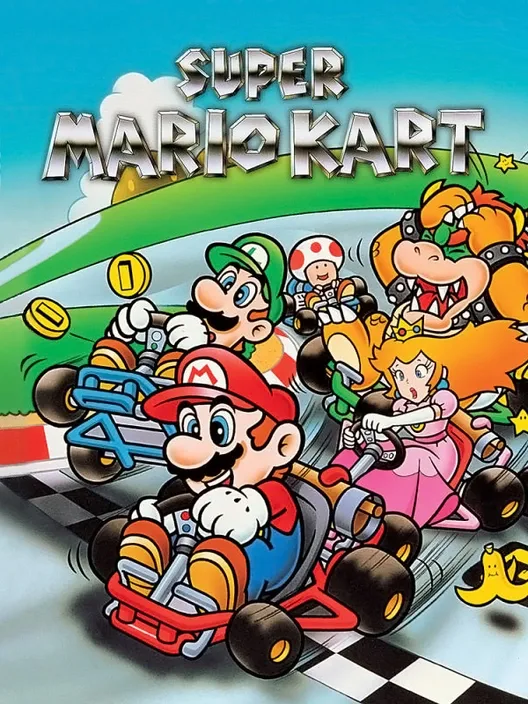
10. Super Mario Kart#
Nintendo EAD released Super Mario Kart in August 1992 in Japan, with North America following the same year and Europe in 1993. Using the console's Mode 7 graphics to draw flat tracks in perspective, it introduced the item-based kart racer and a formula that Nintendo has repeated ever since. The balloon-battle mode was a competitive classic in many households, and the tight handling of the drifting-hop mechanic rewards practice. Critics of the time praised its blend of speed and personality, and the series it spawned made it one of the most influential racing games. The rubber-banding of computer opponents and the small track count feel limited today, but split-screen races remain a delight.
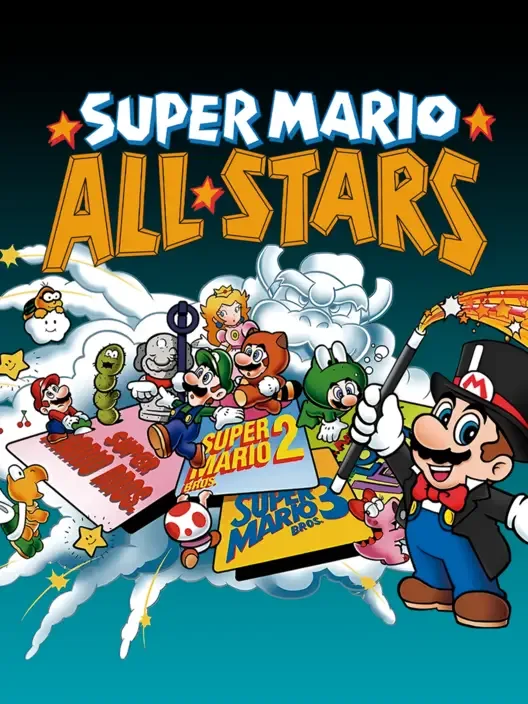
11. Super Mario All-Stars#
Nintendo EAD released Super Mario All-Stars in Japan in July 1993, with North America and Europe following later that year. It bundles remakes of Super Mario Bros., The Lost Levels, Super Mario Bros. 2 and Super Mario Bros. 3, all rebuilt with 16-bit graphics and new music while keeping the original level designs. It gave a whole generation an easy way to play the NES trilogy on a new console, and the later cartridge added Super Mario World. Critics praised the generous value and polish, and it remains one of the best-selling SNES titles. The Lost Levels is punishingly hard, and the physics stay true to the 8-bit originals, so it feels older than Super Mario World, but the package is outstanding.
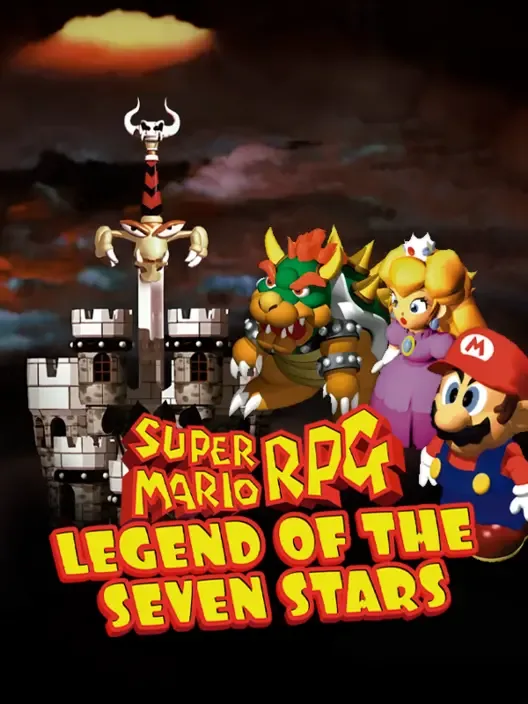
12. Super Mario RPG: Legend of the Seven Stars#
Square and Nintendo released Super Mario RPG in March 1996 in Japan, and the game reached North America later that year. It gave Mario a full role-playing adventure with isometric pre-rendered-style graphics, timed button presses that make battles more active, and a cast that includes Geno and Mallow. The witty script and colourful world turned the mushroom kingdom into something new. Critics praised its charm and accessibility, and it is often listed among the best role-playing games on the console and as an important gateway to the genre. The isometric platforming sections can be fiddly and the story is lighter than many contemporaries. Nintendo released a full remake in 2023, though the original remains the reference version.
13. Secret of Mana#
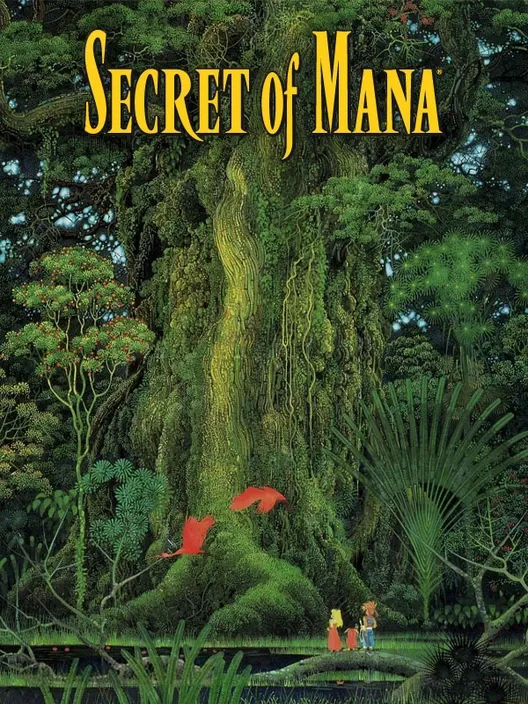
Square released Secret of Mana in August 1993 in Japan and in October in North America. Its real-time combat and ring-shaped menus broke from the turn-based role-playing formula, and with a multitap up to three players could explore together, a rarity on the console. Hiroki Kikuta's soundtrack is a fan favourite, and its lush visuals gave the fantasy world a storybook feel. Critics of the era rated it highly, and it remains a cult classic. The artificial intelligence of computer partners is unreliable, the western translation was compressed and some bugs are well known. Square Enix later produced a 3D remake and included the original in a Switch collection, but the SNES version has a charm those do not replicate.
14. Final Fantasy IV#
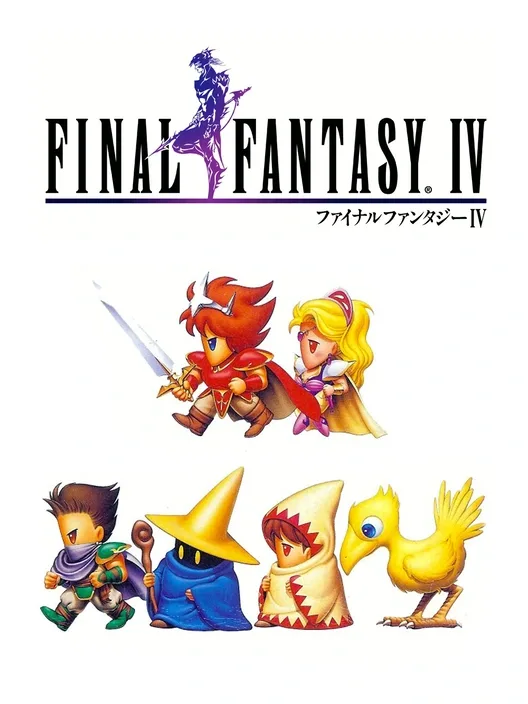
Square released Final Fantasy IV in July 1991 in Japan, and in North America it appeared in November 1991 as Final Fantasy II, with an easier adjusted version. Directed by Hironobu Sakaguchi with music by Nobuo Uematsu, it introduced the Active Time Battle system and put a character-driven story at the centre of the game. The tale of Cecil, a dark knight who turns paladin, was regarded as unusually emotional for its time, and the party members join and leave in dramatic ways. It was a key title in establishing the console's role-playing reputation. Modern players may find its combat simple, and the original Western release was heavily simplified, but its narrative ambition was a landmark.
15. Mega Man X#
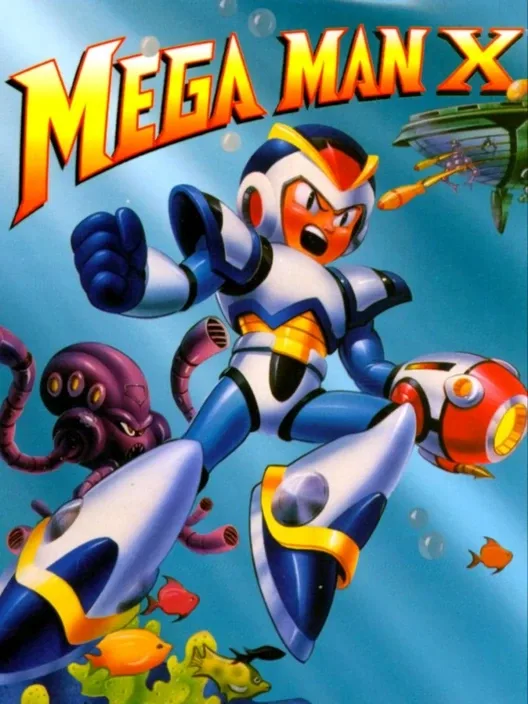
Capcom released Mega Man X in December 1993 in Japan and in January 1994 in North America, and it took the series to the 16-bit era with a faster, sleeker hero. The wall-jump and dash turn stages into fluid runs, capsule upgrades reward exploration, and the eight boss choices retain the classic weakness-chain structure. The soundtrack and visual polish were widely praised, and critics rank it as one of the best action platformers of the console. It is compact and short, and its later sequels expanded on the formula, but the original remains the tightest and most influential entry. The opening highway stage is one of the most memorable introductions of the period.
16. Star Fox#
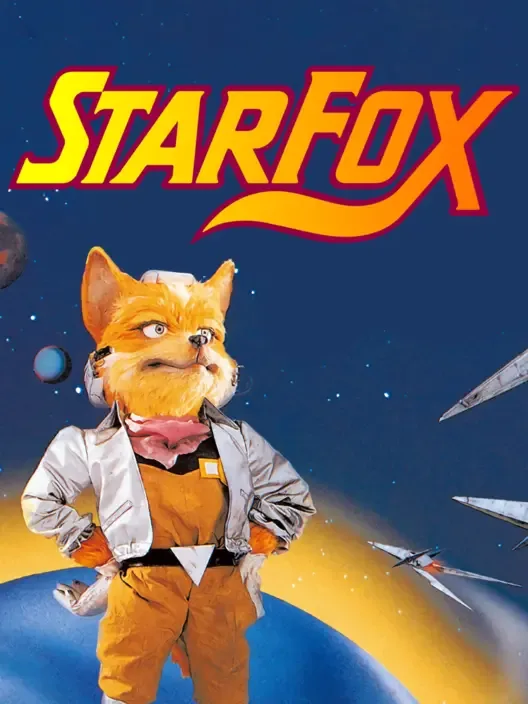
Nintendo EAD and Argonaut Software released Star Fox in February 1993. It used the custom Super FX chip to render polygon 3D graphics on a 16-bit console, and the cartridge became a technical showpiece. Fox McCloud and his squadron fly through branching routes in the Lylat system, with a rail-shooter structure that encourages replay for alternative paths. Critics at the time were astonished by its visuals, and it launched a long-lived Nintendo franchise. By modern standards the frame rate is low and the polygon models are rough, and the game is short. Still, the sense of speed and the memorable characters explain its lasting reputation.
17. F-Zero#
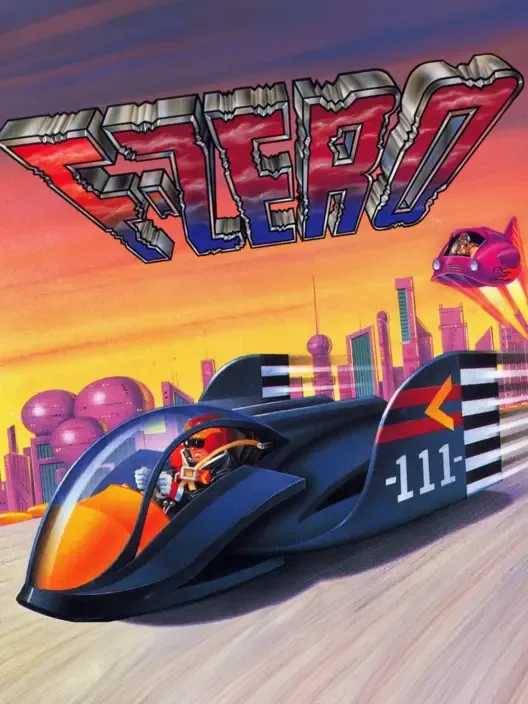
Nintendo released F-Zero in November 1990 as one of the Super Famicom's launch games. It used the console's Mode 7 scaling and rotation to make a track appear to rush toward the player at high speed, and the futuristic hovercraft racing felt like nothing on previous systems. The four machines have distinct handling, the tracks are demanding, and the short races keep runs quick. Critics of the time treated it as a system-selling showcase, and it is remembered as the origin of a franchise that later influenced many racing games. It is single-player only, but the sense of momentum remains thrilling.
18. Kirby Super Star#
HAL Laboratory released Kirby Super Star in March 1996 in Japan and September 1996 in North America (Europe followed in 1997 as Kirby's Fun Pak; the Japanese title is Hoshi no Kirby Super Deluxe). It collects several games in one cartridge, from the short Spring Breeze to the lengthy Milky Way Wishes and the story-driven Revenge of Meta Knight, plus mini-games such as Samurai Kirby and The Arena. Kirby can copy enemy abilities and then turn them into a helper controlled by a second player, which makes co-op simple and fun. Critics praised its variety, charm and colourful visuals, and it is often named one of the best Kirby games. It is generally easy, and some sub-games are much shorter than others, but the value is excellent.
19. Super Castlevania IV#
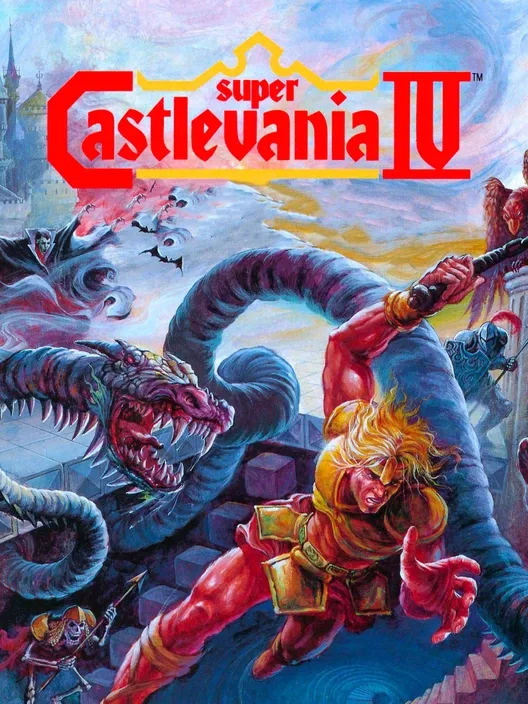
Konami released Super Castlevania IV in October 1991 in Japan, remaking the first Castlevania with the power of the new console. Simon Belmont can whip in eight directions and swing from grapple points, which gave the platforming and combat far more freedom than in earlier entries. Rotating rooms and stretching corridors used Mode 7 effects impressively, and the gothic soundtrack is among the best on the console. Critics praised its atmosphere and refined controls, and it is often listed among the best of the series. The pace is slower and more deliberate than in later Castlevania games, and some players find Simon's floaty jump awkward.
20. Contra III: The Alien Wars#
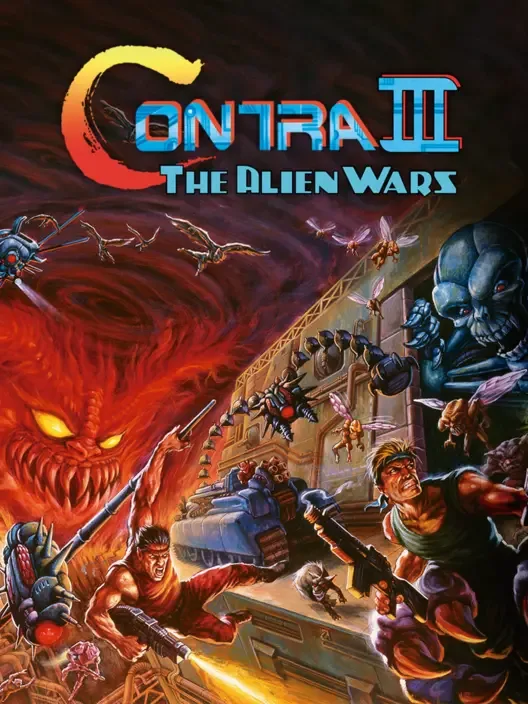
Konami released Contra III: The Alien Wars in February 1992 in Japan, and in Europe it was retitled Super Probotector. It brought the run-and-gun formula to the SNES with huge bosses, exploding city backdrops and rotating Mode 7 stages, and it added the option to carry two weapons at once. The top-down levels break up the side-scrolling action. Critics praised its intensity and spectacle, and it is often named as one of the best action games of the generation. It is brutally difficult, and the limited lives are unforgiving, but the co-operative play is superb.
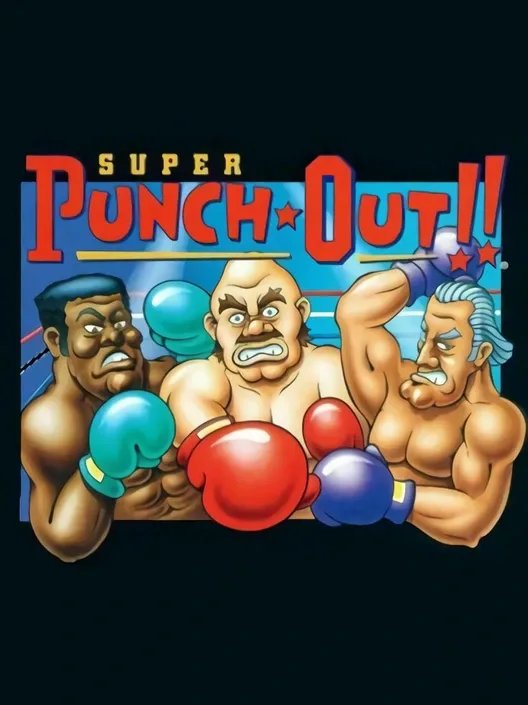
21. Super Punch-Out!!#
Nintendo released Super Punch-Out!! in 1994 for the SNES, taking the arcade-style boxing series to a larger scale. Players learn opponents' patterns and dodge, counter and time their punches through a circuit of cartoonish fighters. The graphics were sharp and animated, and each fighter has a distinctive personality. Critics recognised it as a refined pattern-based game with an approachable feel, and it has been remembered fondly for its fun and difficulty. The game is short and relies heavily on memorisation, but it is a perfect example of Nintendo's design.
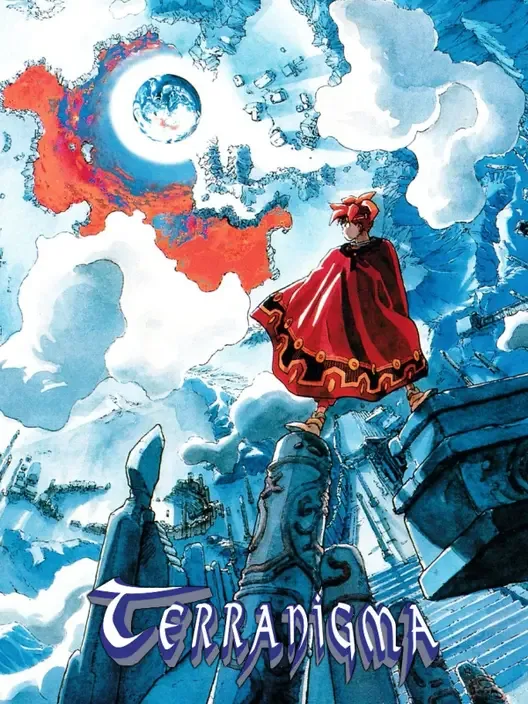
22. Terranigma#
Quintet developed Terranigma, which Enix released in Japan in October 1995 and Nintendo published in Europe and Australia in 1996, but it never reached North America. It follows Ark, who revives the world of the earth after it has been destroyed, and the action role-playing game spans an ambitious narrative of life and civilisation. The combat is fast and the world evolves as the player restores it, an unusual structure that made it stand out. Critics, particularly in Europe, treated it as one of the best role-playing games on the console, and it developed a strong cult following. Some sections are linear, but the story is highly memorable.
23. Illusion of Gaia#
Quintet developed Illusion of Gaia, released by Enix in Japan in November 1993 and released in North America in 1994. Will, a boy with the power of flute, travels the world to visit real-life landmarks such as Angkor Wat and the Great Wall. The action role-playing game blends light puzzle-solving with fast combat and transformations into powerful forms. Critics praised its atmosphere and storytelling, and it remains fondly regarded as part of an unofficial trilogy with Soul Blazer and Terranigma. The dungeon design is simple compared with the biggest role-playing games, and it is short, but its imagination is distinctive.
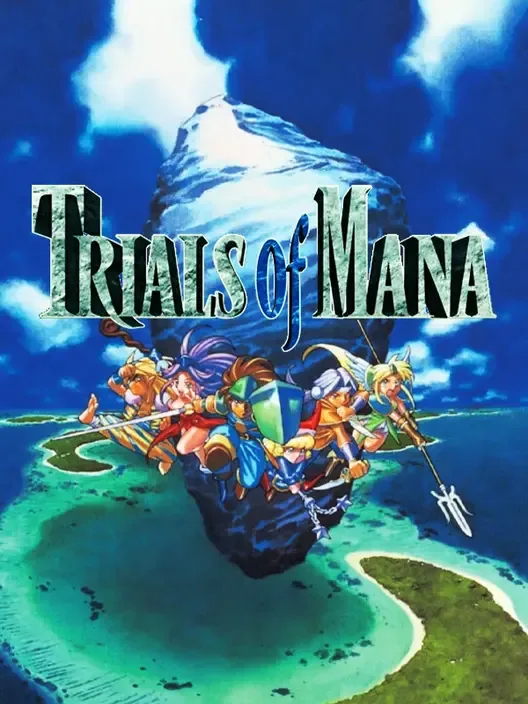
24. Trials of Mana#
Square released Trials of Mana, known in Japan as Seiken Densetsu 3, in September 1995. It let players choose from six heroes and combine them in three-character parties, giving several distinct storylines that make replay valuable. Its real-time combat is paired with visuals that reviewers called among the best on the Super Famicom. It was never released in the West at the time, but became a cult favourite through fan translations and was finally released worldwide in a 2019 collection and remade in 2020. The original suffers from a few bugs and some complex systems, but it remains one of the most beautiful games on the system.
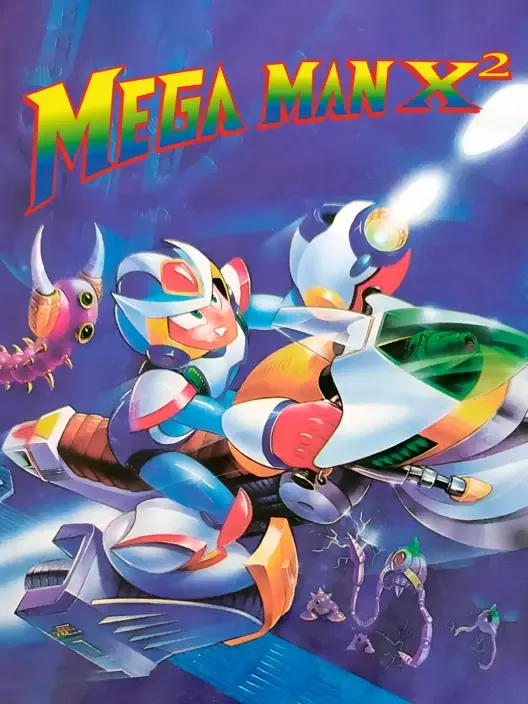
25. Mega Man X2#
Capcom released Mega Man X2 in December 1994 in Japan and in 1995 in the West, and it used the Cx4 chip to draw impressive wireframe effects. It refines the formula of the original with the storyline of Zero's return and more enemies and hidden locations. Critics regarded it as a worthy sequel, though some saw it as slightly more of the same. It has fewer surprises than the first game, but the level design and soundtrack are excellent.
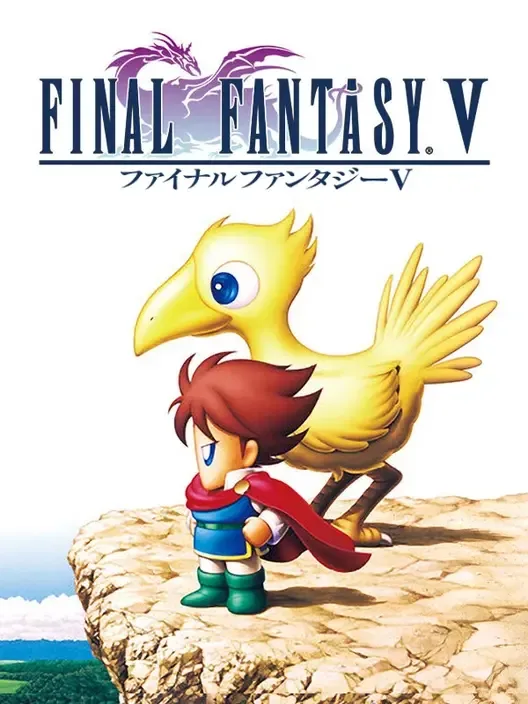
26. Final Fantasy V#
Square released Final Fantasy V in December 1992 in Japan, and it did not reach the West on the SNES; English-speaking players first got it in the late nineties on the PlayStation. Its Job system, in which characters can learn and combine abilities from a range of classes, provides an enormous amount of tactical freedom and remains one of the most praised character-building mechanics in the series. The lighter story follows four heroes and the villain Exdeath, with Gilgamesh as a memorable comic rival. Critics and fans regard it as one of the strongest Final Fantasy games for gameplay depth. The plot is less emotionally weighty than that of the neighbouring entries, but the systems are deeply rewarding.
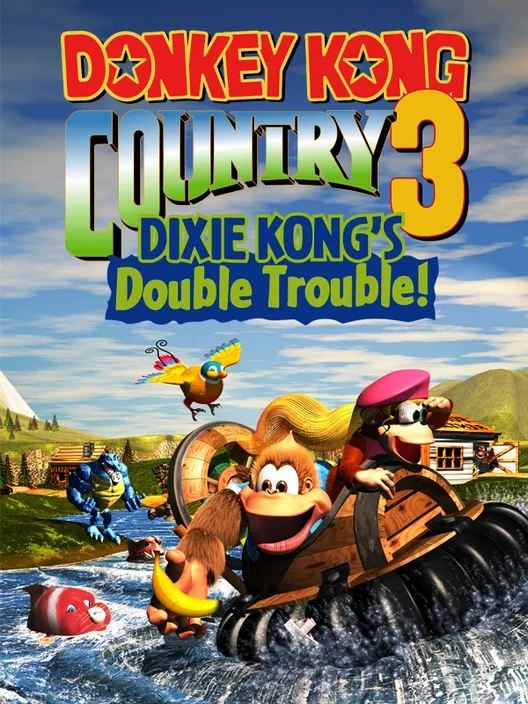
27. Donkey Kong Country 3: Dixie Kong's Double Trouble!#
Rare released Donkey Kong Country 3 in November 1996, at a time when the Super Nintendo was nearing the end of its life. Dixie Kong and her cousin Kiddy Kong search for the missing Donkey and Diddy across a new northern setting, with a brighter look. It mixes platforming, swimming and on-rails levels, and the visuals push the pre-rendered style further than before. Critics generally rated it a strong finale to the trilogy, even if it lacked the impact of its predecessors. The tone is lighter, which some players found less atmospheric.
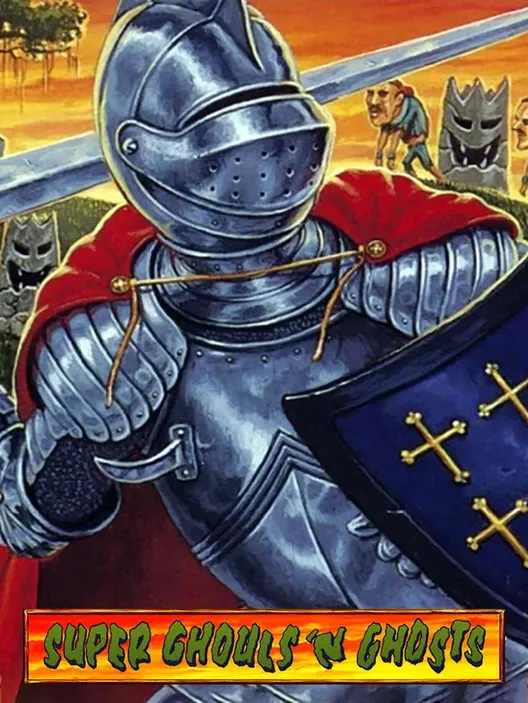
28. Super Ghouls'n Ghosts#
Capcom released Super Ghouls'n Ghosts in 1991 for the SNES, and it brought the punishing arcade knight adventure to the console with larger sprites and Mode 7 effects. Arthur throws lances through graveyards, haunted forests and demon castles, and can now double jump. Its magical armour system adds strategic depth and its soundtrack is brooding. Critics praised the spectacle and the rich visual detail, and it is remembered as one of the best action games on the console. It is notoriously hard, and slowdown occurs in busy scenes, but the challenge is part of its charm.
29. Teenage Mutant Ninja Turtles IV: Turtles in Time#
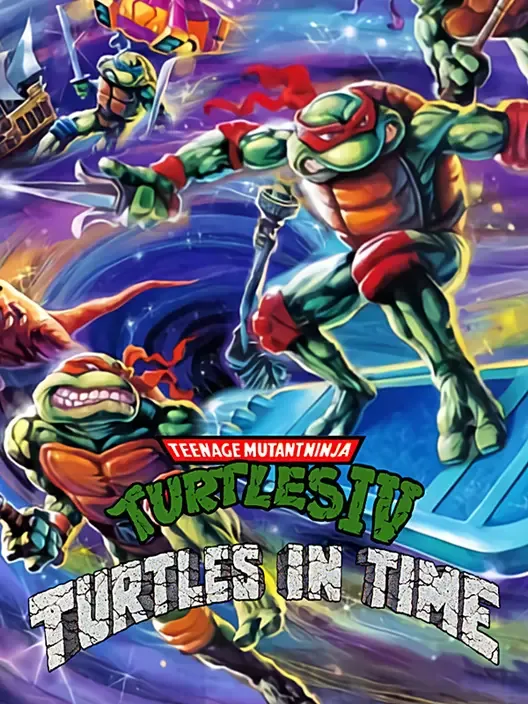
Konami released Turtles in Time in 1992 for the SNES, adapting its arcade game of the same name with extra levels and content. Up to two players brawl through time periods from prehistoric times to the Old West, with fast, colourful animation. It has a good soundtrack and boss encounters, and is often remembered as one of the best beat-'em-ups ever made. Critics praised its faithful conversion and added stages. As with most games in the genre, it is repetitive and reviewers found it easy, but the cooperative fun is undiminished.
30. ActRaiser#
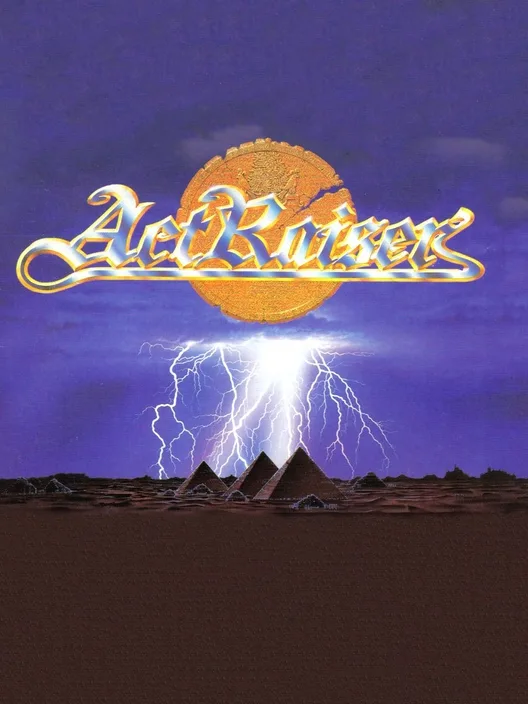
Quintet developed ActRaiser for Enix, which released it in 1990 in Japan. It is an unusual hybrid that combines side-scrolling action stages, where the player controls a divine warrior, with city-building simulation stages, where the player guides a growing civilisation. Yuzo Koshiro's orchestral soundtrack was among the most admired of the early years. Critics at the time praised its originality and presentation, and it is regarded as one of the most distinctive launch-era games. The action segments are somewhat simple and the simulation sections can feel repetitive, but the concept and music have lasted.
31. Demon's Crest#
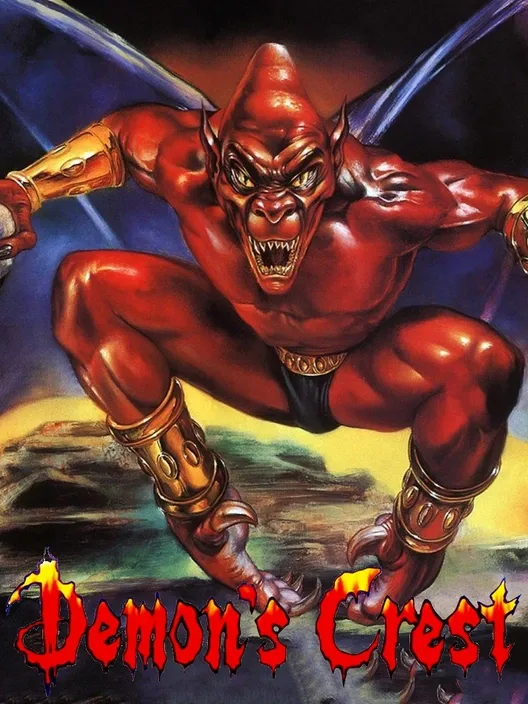
Capcom released Demon's Crest in 1994 as a spin-off of the Gargoyle's Quest series, starring the demon Firebrand. It blends side-scrolling action with exploration and collectible crests that change Firebrand's powers, and its dark visuals and moody soundtrack are among the most striking on the console. Critics were positive on release but its sales were modest, and it became an established cult classic over time. It is short and the player has little guidance, but the atmosphere and the inventive design make it one of the most treasured hidden gems.
32. Axelay#
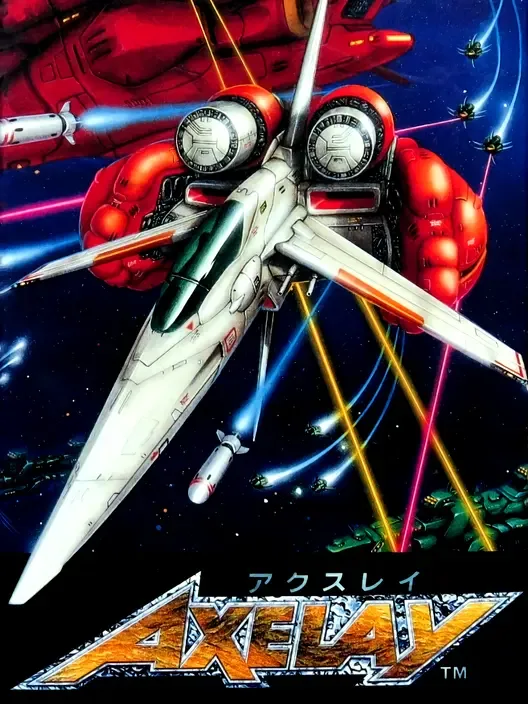
Konami released Axelay in 1992, a horizontal and vertical shoot-'em-up that uses Mode 7 to create impressive scaling backgrounds. A weapon selection screen lets players choose their loadout before each stage, and the alternating scroll directions keep the pace lively. Its detailed artwork and moody soundtrack helped it stand out, and critics praised its visuals as some of the finest of the generation. It is a short game, and the difficulty is fairly high, but it is widely considered one of the best shooters on the console.
33. Lufia II: Rise of the Sinistrals#
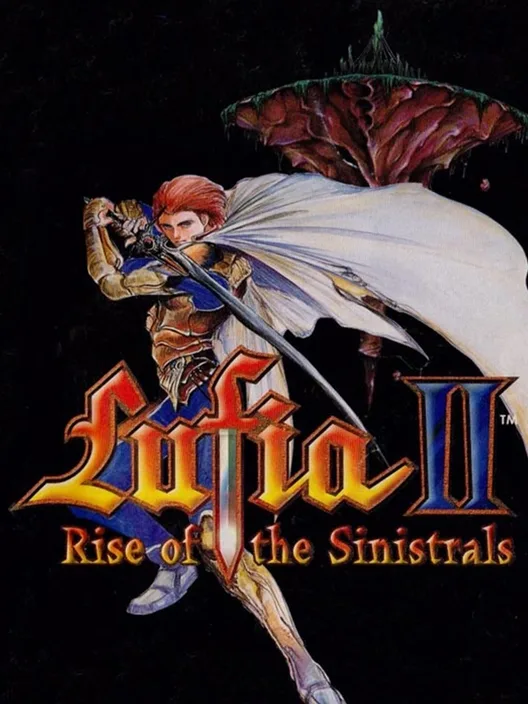
Neverland developed Lufia II for Taito, releasing it in Japan in 1995 as Estpolis Biography II and in North America the following year. It is a prequel to the first game and follows a hero facing the Sinistrals, with a party full of characters and a moving story. Its distinguishing feature is the puzzle-heavy dungeons, in which players must solve block and switch challenges in order to advance, and its capsule monsters add depth. Critics praised its story and music, and it is often ranked among the finest role-playing games on the console. The frequent puzzles are not to everyone's taste.
34. Tactics Ogre: Let Us Cling Together#
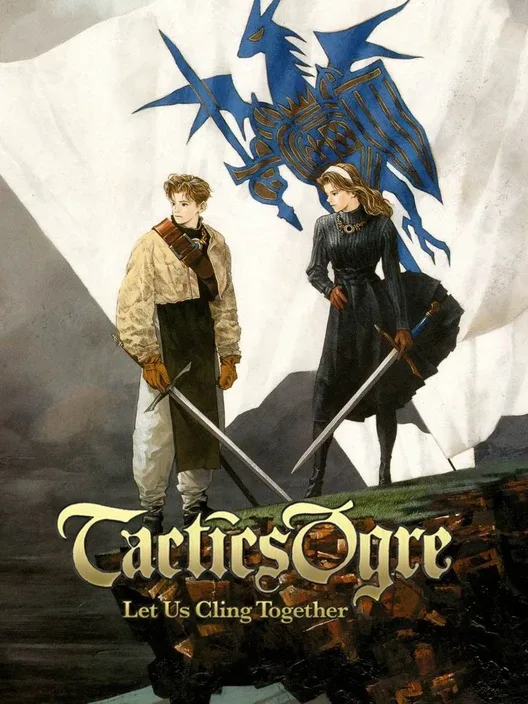
Quest released Tactics Ogre in October 1995 in Japan for the Super Famicom, and it was never released in the West on the console. It is a tactical role-playing game with branching paths, morally difficult decisions and an isometric battlefield, a mature story of ethnic conflict that stood apart from its peers. Its influence on the genre was significant and it is often cited as an important step towards Final Fantasy Tactics. Critics and fans have long treasured it, and it later received updated versions. The original is text-heavy and its pace is slow, but its writing and depth are impressive.
35. Soul Blazer#
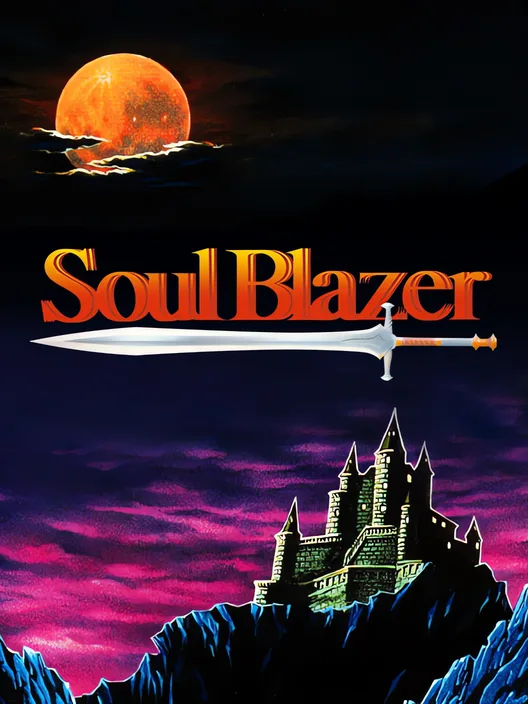
Quintet developed Soul Blazer, which Enix released in 1992, and it is often grouped by fans with Illusion of Gaia and Terranigma. Playing as a hero sent to restore souls to a lifeless world, players fight monsters to free the trapped inhabitants, who then repopulate the towns. It was an early example of the console's action role-playing genre, and its music and presentation were strong. Critics were positive and it is remembered fondly. The combat is straightforward and repeated, but the idea of rebuilding communities gives it heart.
36. Fire Emblem: Seisen no Keifu#
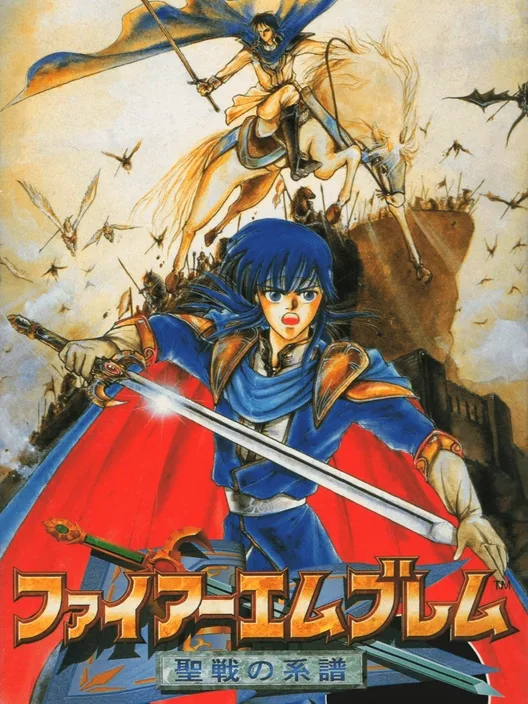
Intelligent Systems released Fire Emblem: Genealogy of the Holy War in Japan in 1996, and it was never released in the West at the time. Spanning two generations, it lets the player see the children of the first heroes inherit their parents' strengths, in a dramatic tale of political intrigue. The large maps and relationship systems were a marked expansion of the series formula. Critics and the series' fans regard it as one of the most ambitious entries. It is complex and difficult, with an unusual structure that can frustrate newcomers, and the lack of an official English version limited its reach.
37. Live A Live#
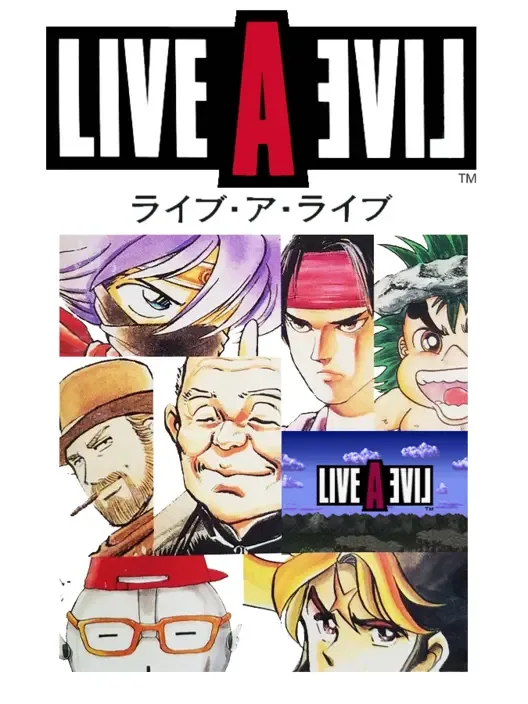
Square released Live A Live in 1994 in Japan, a role-playing game divided into seven separate chapters set in different eras, from prehistory to the far future, with a final chapter that brings them together. Each chapter has its own mechanics and tone, and the score by Yoko Shimomura is highly praised. It was only released in Japan for many years, until an updated HD-2D remake appeared in 2022. Critics and fans have treated it as an inventive cult classic. The original chapters vary in quality and some are very short, but the sense of experimentation is remarkable.
38. Super Bomberman#
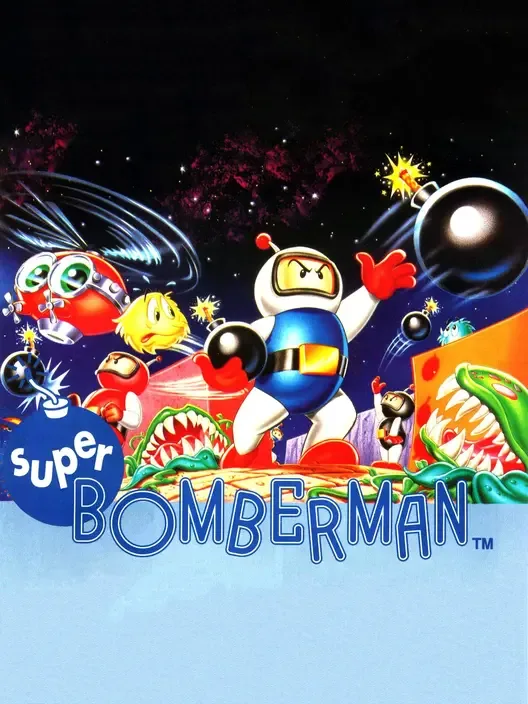
Hudson Soft released Super Bomberman in 1993 in Japan. It brought the maze-based bomb-placing series to the SNES and made its multiplayer mode a legend, with a multitap allowing up to four players to battle on a single screen. The tension of placing bombs and dodging blasts is easily understood and lasts for hours, and the single-player levels offer good practice. Critics regarded it as one of the great party games of the era. The single-player campaign is somewhat basic, and it is best experienced with friends.
39. Mortal Kombat II#
Acclaim released the SNES version of Mortal Kombat II in September 1994 as a heavily anticipated arcade conversion. It kept the digitised fighters and expanded the roster with characters such as Kitana and Baraka, plus new finishing moves. The SNES version retained the blood that was missing from the console's first Mortal Kombat, which made it a top seller. Contemporary critics praised the faithful port and fast gameplay, and it is often regarded as one of the best entries in the series. The cartridge loads instantly, but the controls are less deep than those of dedicated one-on-one fighters.
40. Kirby's Dream Land 3#
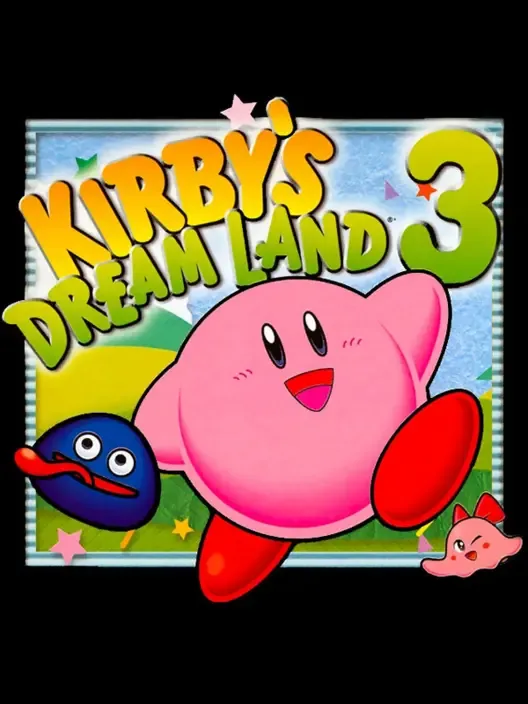
HAL Laboratory released Kirby's Dream Land 3 in North America in 1997 (Japan followed in 1998), one of the last major first-party games on the console. Its hand-drawn, watercolour-like art was a notable change of style, and Kirby can team up with animal friends to gain new abilities. Two players can play cooperatively, and hidden goals unlock the true ending. Reviews were mixed overall, but the visuals and music drew praise. It is gentle and easy, and the copy abilities are less elaborate than in some other Kirby games, but its charm is very strong.
41. Wild Guns#
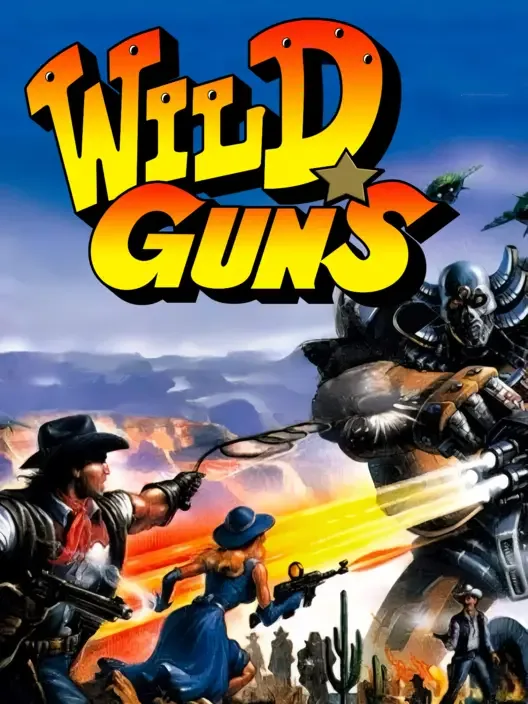
Natsume released Wild Guns in 1994, a gallery shooter set in a steampunk Wild West. Players move around a fixed screen, aiming at enemies in the foreground and background, with a good variety of bosses and a cooperative mode. Its visual style and fast pace gave it a distinct identity, and it has since become a highly valued cult classic, praised by critics and collectors alike. It is short and difficult, and the controls take some time to master, but it is superbly designed.
42. Ogre Battle: The March of the Black Queen#
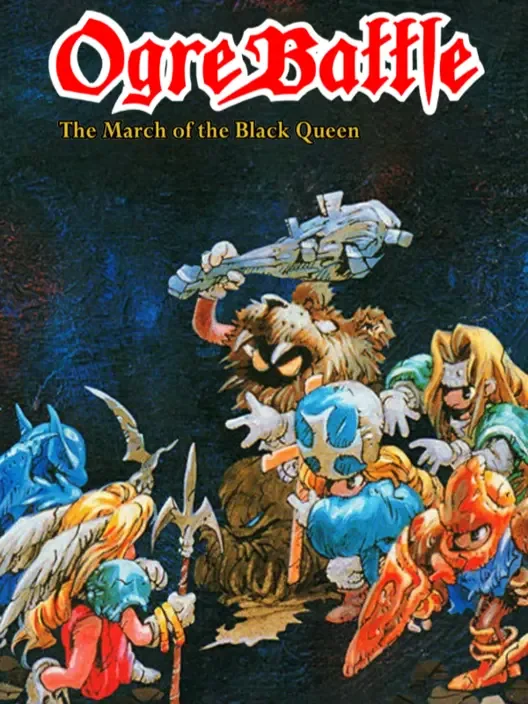
Quest released Ogre Battle in Japan in 1993, with Enix bringing it to North America in 1995. It is a real-time strategy game in which the player leads groups of units across a map, with an alignment system and reputation that influence which of several endings is reached. It mixes strategy and role-playing in an unusual way, and its fantasy world is atmospheric. Critics recognised its depth and it became a cult favourite that led to Tactics Ogre. The systems are opaque and the learning curve steep, but it rewards patience.
43. Disney's Aladdin#
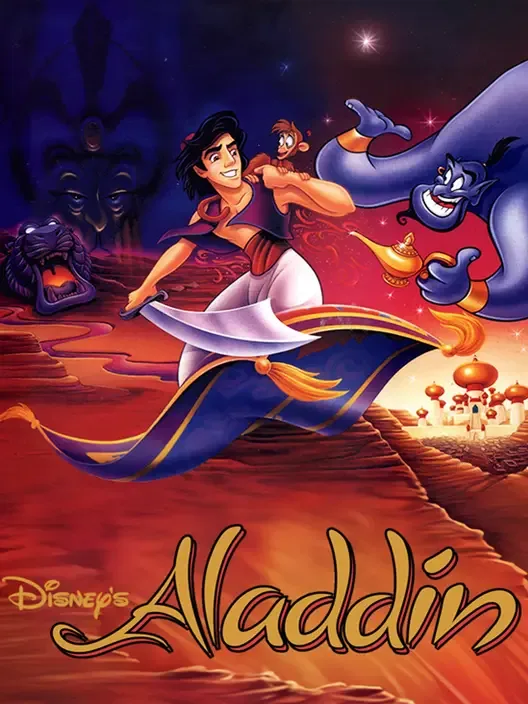
Capcom released its Aladdin game for the SNES in November 1993, separate from the Virgin Interactive version released on other systems. It is a platformer in which Aladdin jumps on enemies or throws apples, with colourful levels based on the film and a magic-carpet escape sequence. It has smooth animation and polished level design, and critics praised its strong controls. It is generally regarded as one of the best licensed games and was among the best-selling licensed games on the system. It is short, but it has aged well.
44. Breath of Fire II#
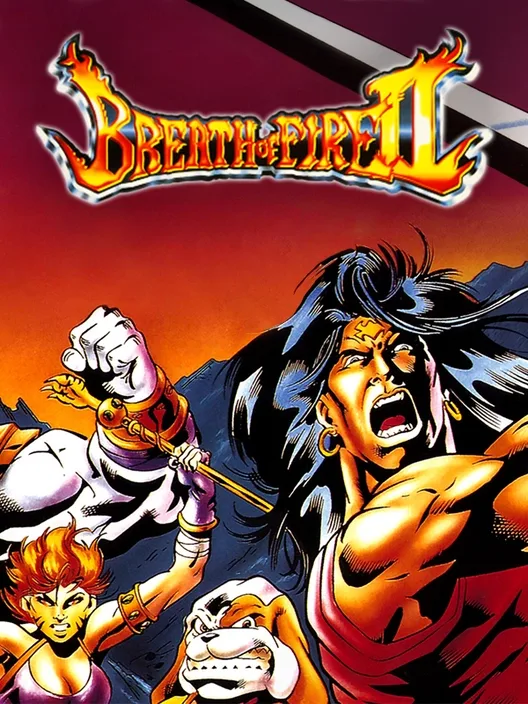
Capcom released Breath of Fire II in Japan in December 1994 and in North America in December 1995. It is a role-playing game about Ryu, the dragon-transforming hero, who moves through an expanded world with a town-building system and a larger group of allies. The story has memorable twists. Critics gave it fair reviews, and fans have kept it as a favourite. The pace of random encounters and the awkward translation are drawbacks, but the emotional storyline and design are appealing.
45. Pilotwings#
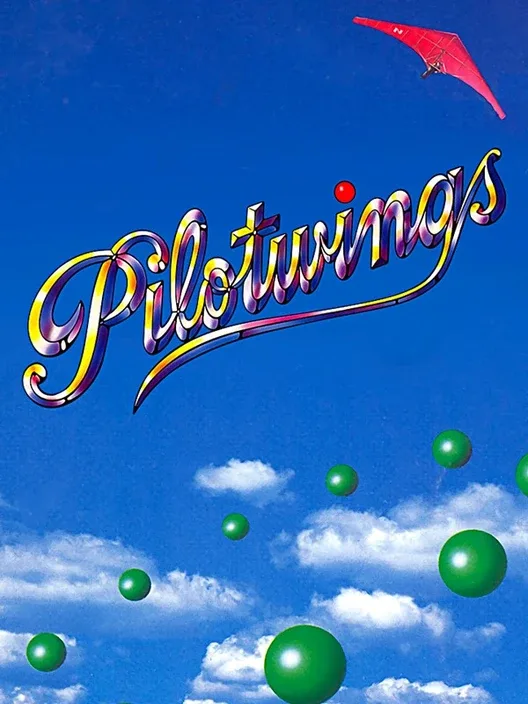
Nintendo released Pilotwings in Japan in December 1990, shortly after the Super Famicom launched. It made showy use of Mode 7 to represent a flight over an island, with flying events involving a light plane, skydiving, a rocket belt and hang gliding. The learning of each vehicle's controls is the main activity, and the tests offer a pleasing sense of progression. Critics regarded it as a striking technical showcase, and it directly led to the later Pilotwings 64. It is short and the game can feel sparse today, but it remains a pleasing calm counterpoint to the console's action games.
46. Super Star Wars: The Empire Strikes Back#
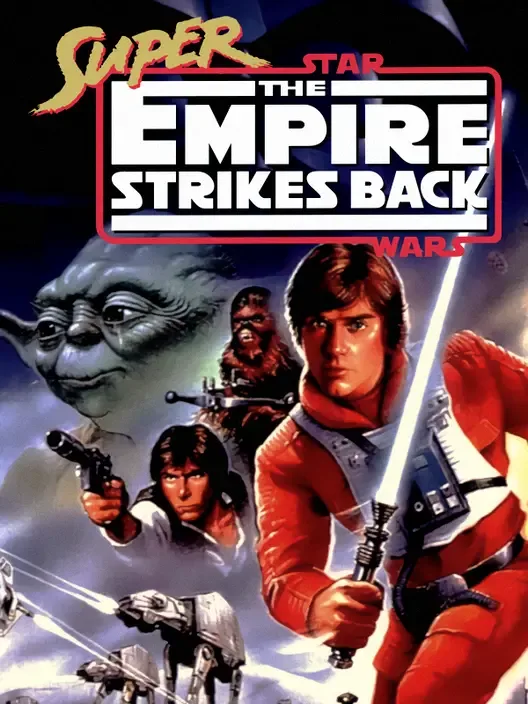
LucasArts and Sculptured Software developed The Empire Strikes Back for the SNES, which JVC released in 1993, following on from the first Super Star Wars game. Playing as Luke, Han and Chewbacca, players run and gun through Hoth, Dagobah and Cloud City, including speeder and Millennium Falcon sections. Its sound and music are faithful to the film and it gave many players their favourite Star Wars gaming moment of the era. Critics rated it as one of the best licensed titles of the time. It is very hard, and a small number of vehicle stages are frustrating, but the atmosphere is authentic.
47. Clock Tower#
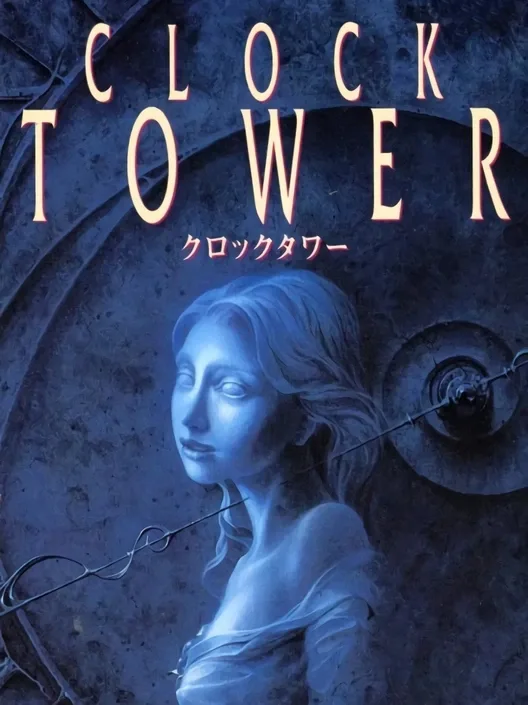
Human Entertainment released Clock Tower in September 1995 in Japan. It is a point-and-click horror adventure in which a young woman, Jennifer, is chased through a mansion by a relentless stalker known as Scissorman, and she has no means of fighting back. The tension of hiding and escaping, along with the many possible endings, made it a pioneer of the survival horror style. Critics and horror fans regard it as a cult classic that influenced later games. It was released only in Japan on the SNES, and the interface is dated, but the sense of dread endures.
48. Front Mission#
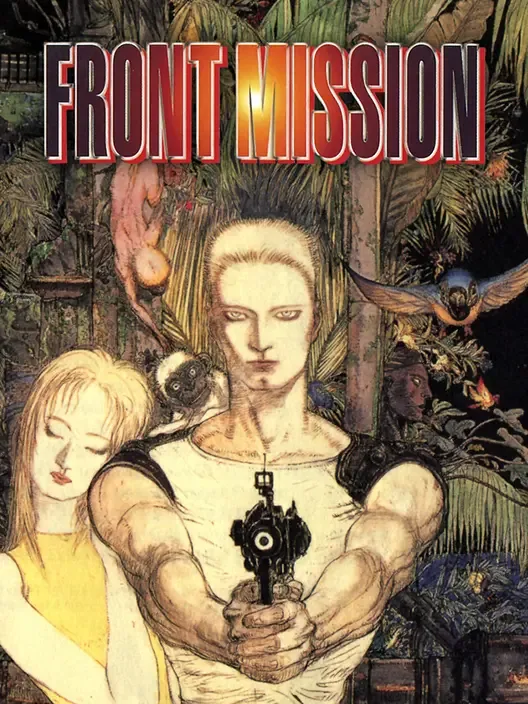
Square released Front Mission in February 1995 in Japan. This tactical role-playing game features giant walking machines called wanzers, which can be customised part by part before turn-based fights on grid maps. A political story of rival nations and intrigue accompanies the strategic gameplay. Critics and strategy fans admired its depth and customisation, and it started a series that continued for many years. The original was only released in Japan for some time, and its presentation is austere, but the mech tactics remain compelling.
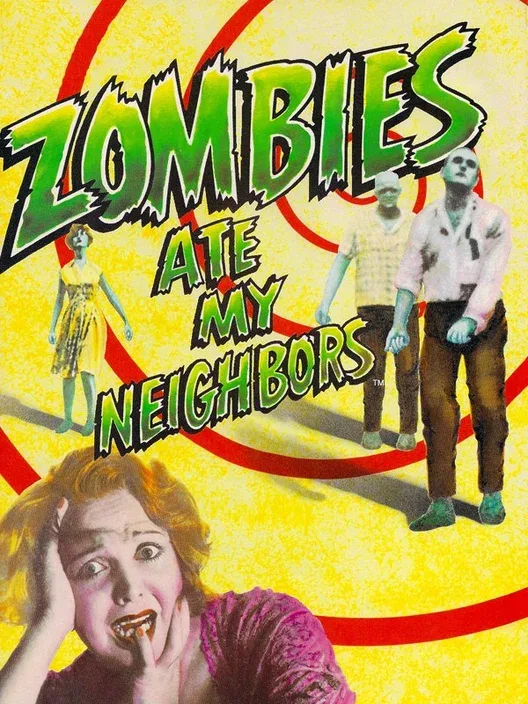
49. Zombies Ate My Neighbors#
LucasArts developed Zombies Ate My Neighbors, which Konami published in North America in 1993, a run-and-gun action game inspired by B-movie horror. Zeke and Julie rescue neighbours from monsters using squirt guns, weed whackers and other odd weapons, in levels ranging from suburban lawns to shopping malls. Its humour, monster variety and cooperative play were highly praised, and it has gathered a strong cult following. Critics were positive at the time, and it is admired for its imagination. It becomes very hard later on, and progress is saved only through level passwords, which limits its accessibility.
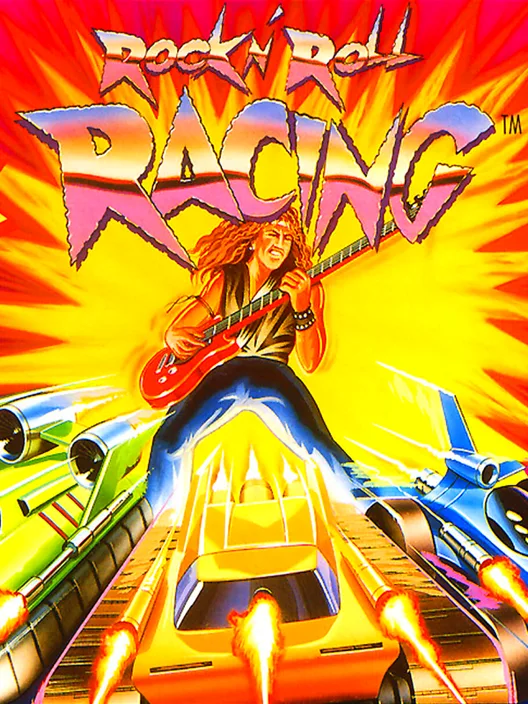
50. Rock n' Roll Racing#
Silicon and Synapse, the studio that later became Blizzard Entertainment, developed Rock n' Roll Racing, which Interplay released in 1993. It is an isometric combat racer in which armed vehicles fight for position while a commentator delivers jokes over licensed rock songs. Upgrades to the vehicles and weapons give the campaign a sense of progress, and two players can compete together. Critics praised its energy and personality, and it is fondly remembered. The tracks are limited in number and the difficulty can be uneven, but the fun and attitude are irresistible.