
The Nintendo 64 lived from 1996 to 2002 and was the console that taught the industry how to build games in three dimensions. Its analog stick, four controller ports and cartridge format shaped a library heavy on platformers, racers and multiplayer shooters, and light on the long role-playing games that flourished on PlayStation. The list therefore leans towards Nintendo and Rare, but it also makes room for the third-party games that were best on this hardware. Each entry notes an honest weakness, since many of these games show their age in frame rate, camera and draw distance.
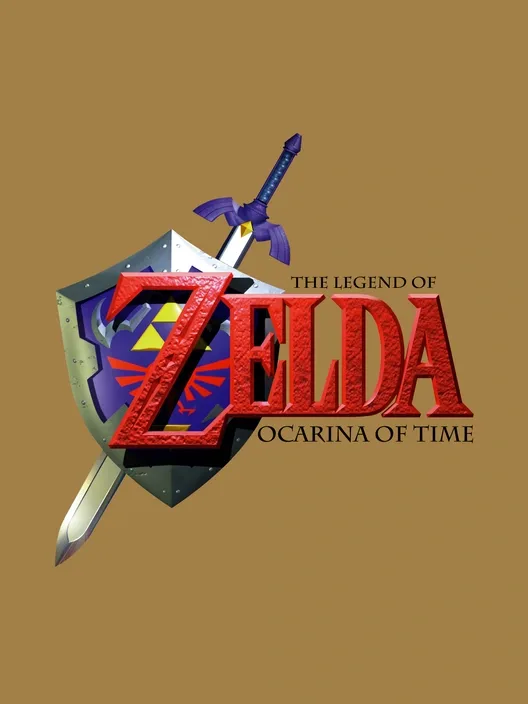
1. The Legend of Zelda: Ocarina of Time#
Nintendo EAD released Ocarina of Time in November 1998, and it carried Zelda into 3D while establishing much of the grammar that later action-adventure games borrowed. Z-targeting made melee combat readable in three dimensions, and the jump between child and adult Link gave Hyrule a sense of time and consequence. It holds a Metacritic score of 99 and a GameRankings score of 98 percent, making it the highest-rated game on both aggregators, and it won Game of the Year at the second Interactive Achievement Awards. Its age shows in blocky character models, a low frame rate and menu-heavy dungeons such as the Water Temple, where swapping boots on the pause screen interrupts the flow. It later reached the GameCube, the Wii Virtual Console and, as a remake, the Nintendo 3DS, and it still tops most retrospective lists of the greatest games ever made.
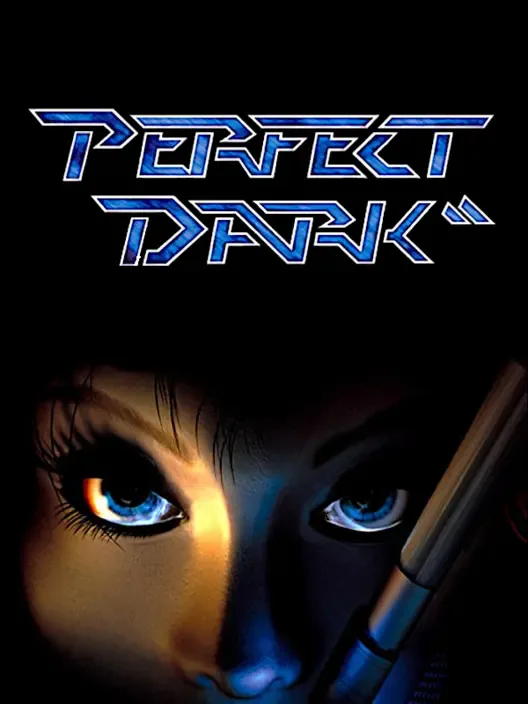
2. Perfect Dark#
Perfect Dark, Rare's spiritual successor to GoldenEye 007, launched in May 2000 and pushed the hardware to its limit. The campaign follows agent Joanna Dark through sci-fi missions with alternate weapon functions and difficulty-dependent objectives, while the multiplayer offers an extensive customizable arena with AI bots that can be tuned to different personalities. It holds a Metacritic score of 97 and a GameRankings score of 95 percent, and it won a BAFTA award. The Expansion Pak was required for the campaign and most multiplayer options. Its greatest weakness is an uneven frame rate that can undermine higher difficulties, especially in four-player matches. An updated version arrived on Xbox 360 in 2010 with a smoother frame rate, but the original remains the definitive study of what the N64 could do.
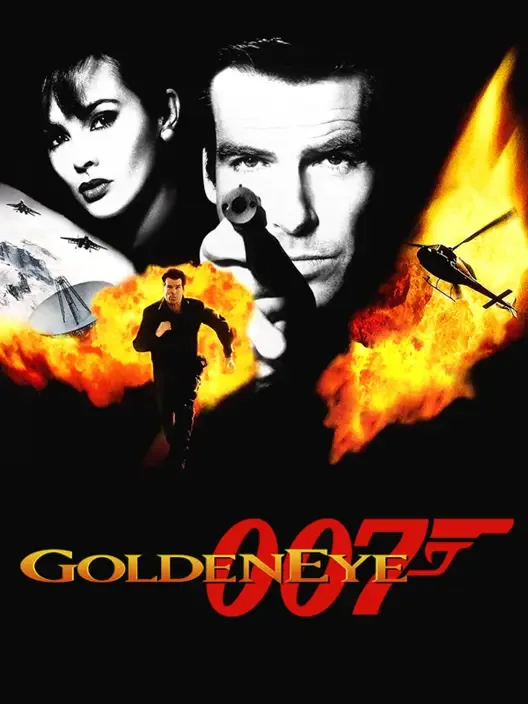
3. GoldenEye 007#
Rare's GoldenEye 007 arrived in August 1997 and proved that a first-person shooter could thrive on a console. Its missions have layered objectives that change with difficulty, stealth and sniping matter, and the four-player split-screen deathmatch became the social heart of the console. It holds a Metacritic score of 96 and won a BAFTA Interactive Entertainment Award along with several Interactive Achievement Awards, including Console Game of the Year. It sold over eight million copies, making it one of the best-selling games on the system. It is also visibly dated: the frame rate becomes choppy in multiplayer, aiming with the analog stick takes practice, and the campaign assumes familiarity with the film. Its influence on later shooters, from Halo to Perfect Dark, is hard to overstate, and its multiplayer setup of weapon sets, character picks and slappers-only rounds is still a template for couch play.
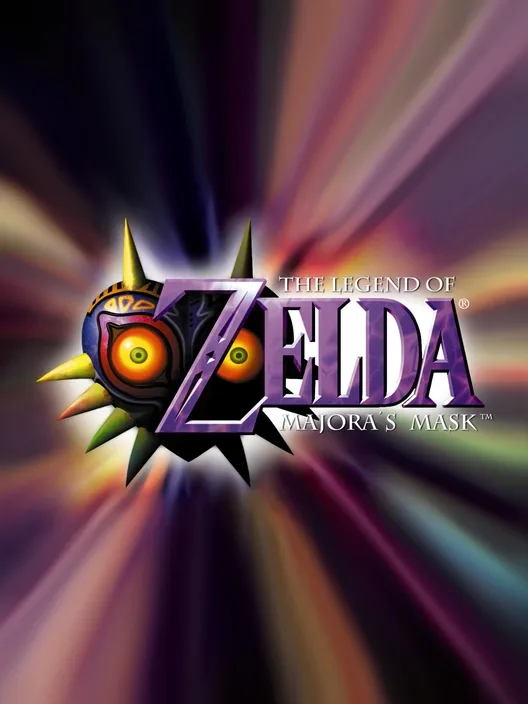
4. The Legend of Zelda: Majora's Mask#
Nintendo EAD released Majora's Mask in 2000, in Japan in April and North America in October, only about a year and a half after Ocarina of Time. Rather than repeating that formula, it trapped Link in a three-day loop before the moon falls on Termina, and it turned the time limit, the transformation masks and the schedules of the townspeople into an emotional, melancholic adventure. It holds a Metacritic score of 95 and drew a 9.9 out of 10 from IGN. It required the 4MB Expansion Pak, which allowed larger draw distances and richer lighting. Its side quests, such as the Anju and Kafei storyline, give the world a human scale that few games have matched. The three-day structure can feel restrictive to players who dislike deadlines, and the dungeon count is small. Many later fans rank it above its famous predecessor.
5. Super Mario 64#
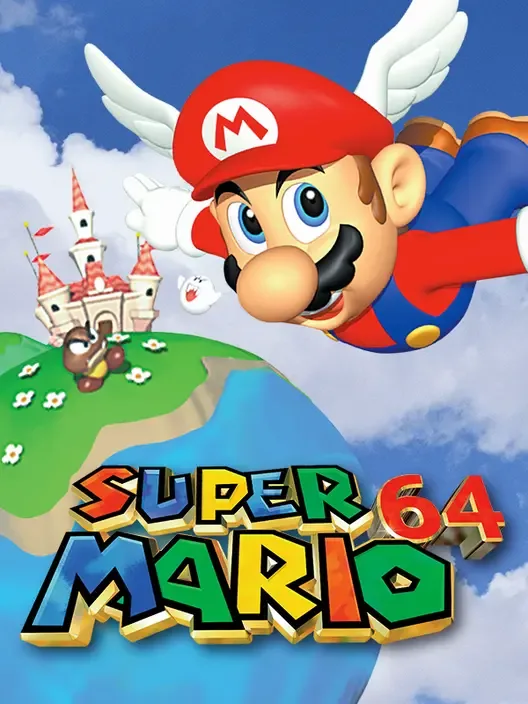
Nintendo EAD launched Super Mario 64 alongside the console in Japan in June 1996, and it defined how a 3D platformer should control. Mario's analog-stick movement, the flexible jumps and the hub-and-painting structure of Peach's castle gave players a playground rather than a corridor, and the camera experiment pointed the way for the whole industry. It holds a Metacritic score of 94 and a GameRankings score of 96 percent, and it collected Game of the Year honors from several outlets. It became the best-selling Nintendo 64 game. Each of the 120 stars rewards a different skill, from precise long jumps to exploring the hidden corners of a level. The camera, controlled with the C-buttons, can still fight the player in tight spaces, and the polygon art is very basic today. It was later included in the 2020 Super Mario 3D All-Stars collection.
6. Paper Mario#
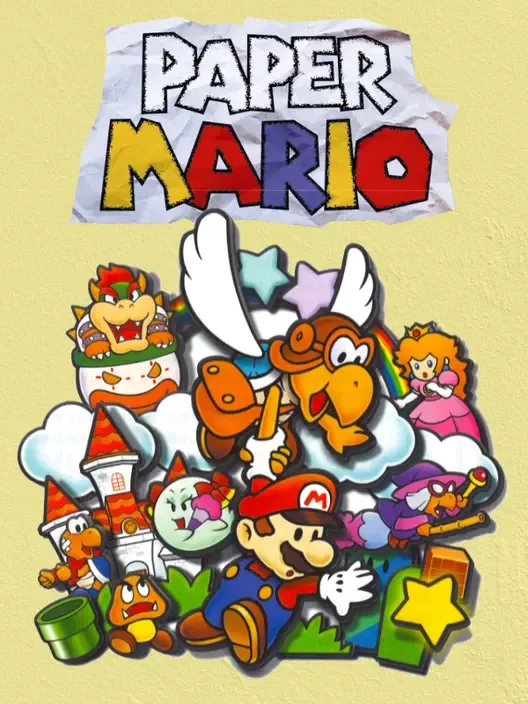
Intelligent Systems released Paper Mario in Japan in August 2000 and in North America in early 2001, late in the console's life. Its turn-based role-playing combat uses timed button presses, its partner system gives each ally a distinct function in and out of battle, and its writing is among the funniest Nintendo has produced. It holds a Metacritic score of 93. The storybook-style chapters, each built around a new location and a star spirit to rescue, keep the pacing brisk, and the flat, papercraft characters against a 3D world give the game a look of its own. It is not a long or particularly hard role-playing game, and the visuals are simple, but the charm and the puzzle-like use of partners have kept it well loved. It is often named as the high point of a series that later changed direction.
7. Banjo-Kazooie#
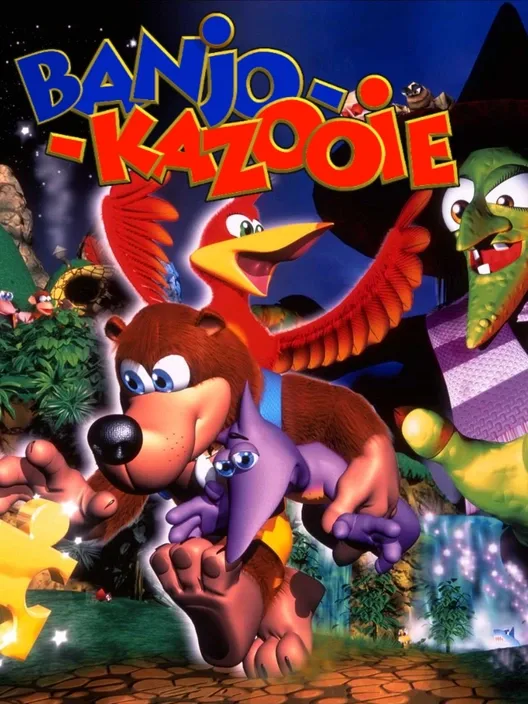
Rare's Banjo-Kazooie appeared in June 1998 and answered Super Mario 64 with a collectathon of its own. Its nine large worlds are full of Jiggies and musical notes, the bear-and-bird duo's moveset expands steadily, and the humor and orchestral-style score by Grant Kirkhope gave the game a personality all of its own. It holds a Metacritic score of 92 and sold more than three million copies worldwide. The score reacts dynamically to where the player stands, so a swamp theme can shift into an underwater variant as Banjo dives. The pursuit of collectibles can become repetitive, and the frame rate dips in busier scenes. It remains the reference point for the collect-a-thon genre and inspired the spiritual successor Yooka-Laylee in 2017.
8. Wave Race 64#
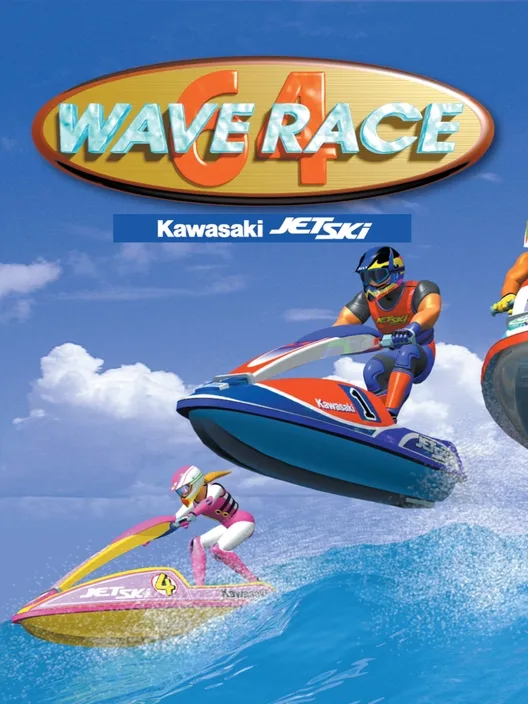
Nintendo EAD's Wave Race 64 arrived in Japan in September 1996 and in North America that November, and it showed off the console's 3D power early in its life. Its water is simulated with rolling waves and tides that affect the jet skis, so racers must read the swell to find the best line, and the jet skis react to every chop with a convincing sense of weight. It holds a Metacritic score of 92. Stunt and time-trial modes add variety, and the game supports two-player split screen. The course selection is limited, the split-screen areas are small and the music divides opinion. Even so, it is still admired as one of the best-feeling racing games of its generation, and its water technology influenced other racing games of the late 1990s.
9. Conker's Bad Fur Day#
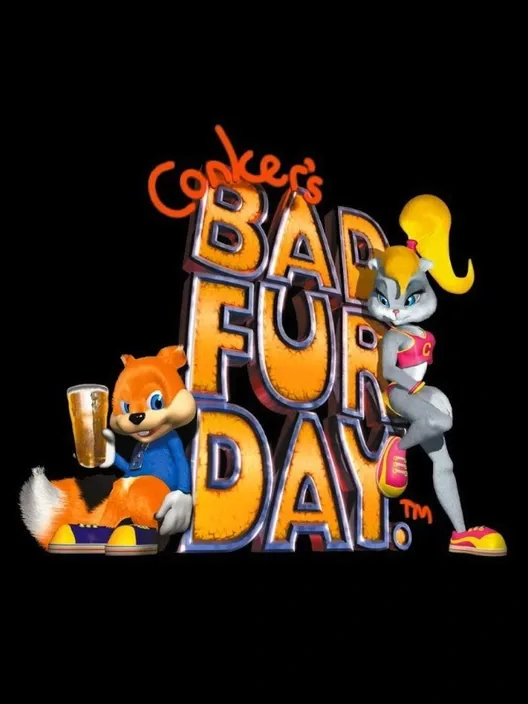
Rare's Conker's Bad Fur Day arrived in March 2001, at the end of the console's life, and deliberately took the mascot-platformer formula in a crude, adult direction. A drunken squirrel moves through parodies of films such as A Clockwork Orange and Aliens, with context-sensitive actions, remarkable lip-sync and dynamic lighting that pushed the hardware. It holds a Metacritic score of 92. The game also ships with a surprisingly full multiplayer suite, including a war mode, that sits oddly next to the single-player humor. The camera can snag on the scenery, some puzzles rely on trial and error, and the game sold poorly because of its late release and mature content. It has become a cult classic and was remade for the original Xbox in 2005 as Conker: Live & Reloaded.
10. Mario Golf#
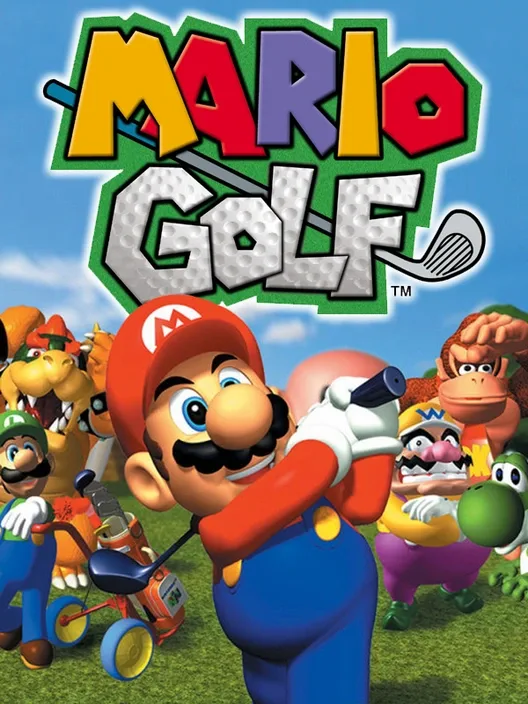
Camelot's Mario Golf reached Nintendo 64 in 1999, June in Japan and July in North America. It simplifies golf with a three-click swing meter and adds courses that mix realistic golf with Mario touches, plus modes such as Ring Shot and Speed Golf. It holds a Metacritic score of 91. Shot spin, wind and lie all matter, so there is depth under the friendly cast and bright courses, and a wide range of characters with distinct strengths keeps replay value up. Purists may find the simulation shallow, but the accessible design is the point. The Transfer Pak let players move characters between the console version and the Game Boy Color version, an early example of Nintendo's link between console and handheld.
11. Mario Tennis#
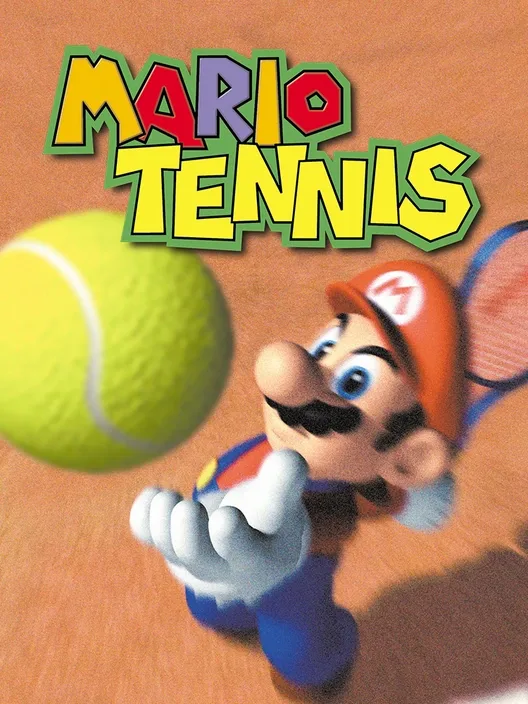
Camelot's Mario Tennis was released for the Nintendo 64 in July 2000 in Japan and August in North America, and it was developed by Camelot. It has easy-to-learn controls with a depth of shot types, a friendly cast that introduced Waluigi and a set of modes including Ring Shot and Piranha Challenge. It holds a Metacritic score of 91 and a GameRankings score of 87 percent, and it was one of the strongest sports games on the system. It also supports linking with the Game Boy Color version through the Transfer Pak to unlock content. Its single-player content is thinner than its multiplayer, but four-player doubles matches are excellent. Serves, lobs and topspin shots each require different timing, which lets skilled players separate themselves from beginners without making the game hard to pick up.
12. Donkey Kong 64#
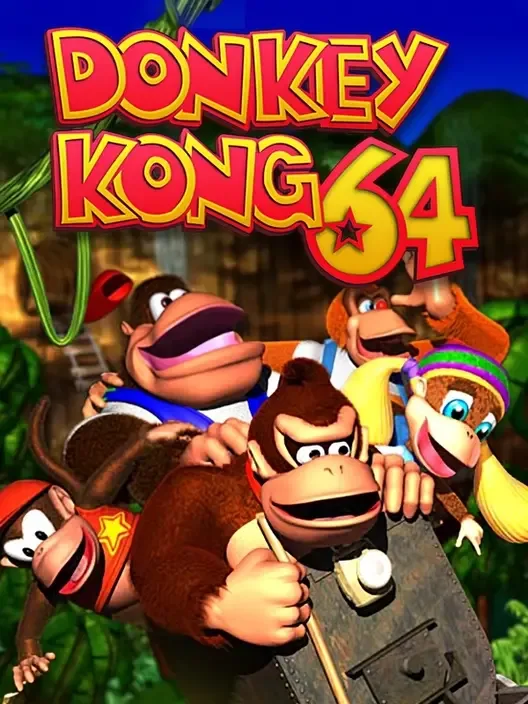
Rare's Donkey Kong 64 came out in November 1999 and made the ape's first 3D adventure a huge collectathon with five playable Kongs, each with their own moves and collectibles. It required the Expansion Pak, which was packed in with the game, and holds a Metacritic score of 90. It sold more than five million copies. Each Kong has a color-coded set of bananas and weapons, and the switching between characters gives the levels a layered puzzle structure. It also drew criticism for the amount of backtracking and item hunting, and its opening rap became an enduring joke. It is the largest collectathon on the console for players who enjoy the format, and it holds a large, dedicated fanbase.
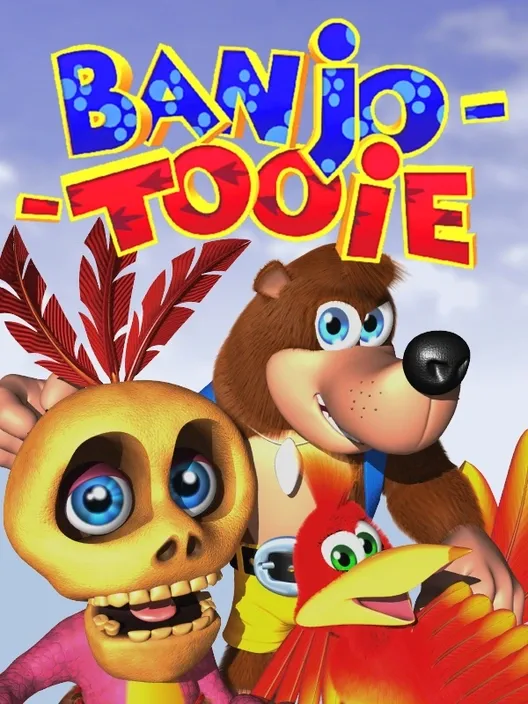
13. Banjo-Tooie#
Rare's Banjo-Tooie followed in November 2000 in North America and trades the tighter design of its predecessor for sprawling, interconnected worlds, new characters and split-up moves for both bear and bird. It holds a Metacritic score of 90 and sold more than a million copies. The worlds are much larger than in the first game and connect back to each other through trains and shared story beats, while a wide set of vehicles and playable characters keeps variety high. It also includes multiplayer minigames for up to four players. The frame rate can be inconsistent, and the amount of backtracking and collecting divides players who prefer the focus of the first game. It is treasured by fans as one of Rare's most ambitious games.
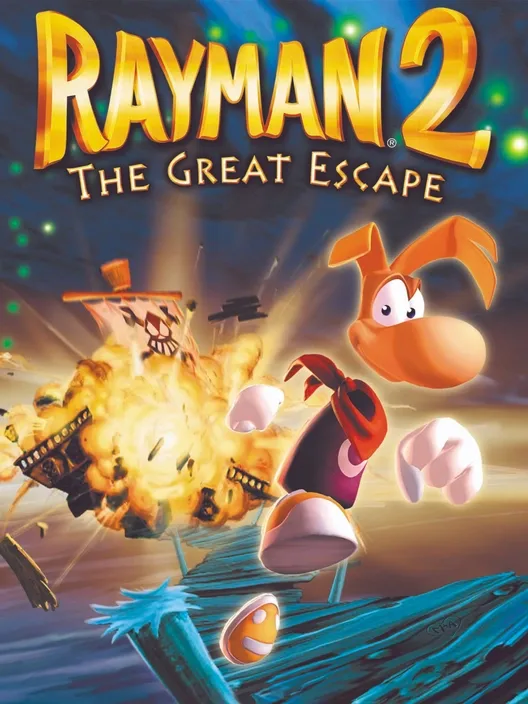
14. Rayman 2: The Great Escape#
Ubisoft's Rayman 2 came to the Nintendo 64 in late 1999, in Europe in October and North America in November, and the console version was well received. Its platforming mixes exploration with imaginative set pieces such as riding a rocket and swinging on ropes. The N64 release holds a Metacritic score of 90 and a GameRankings score of 89 percent. Levels move from swamps to caves and a pirate ship with steady variety, and Rayman's helicopter-hair glide gives the platforming a light, fluid feel. Because the console became the lead platform late in development, textures are simpler than on the Dreamcast version, and the soundtrack is sequenced rather than streamed. It remains one of the best third-party platformers on the system.
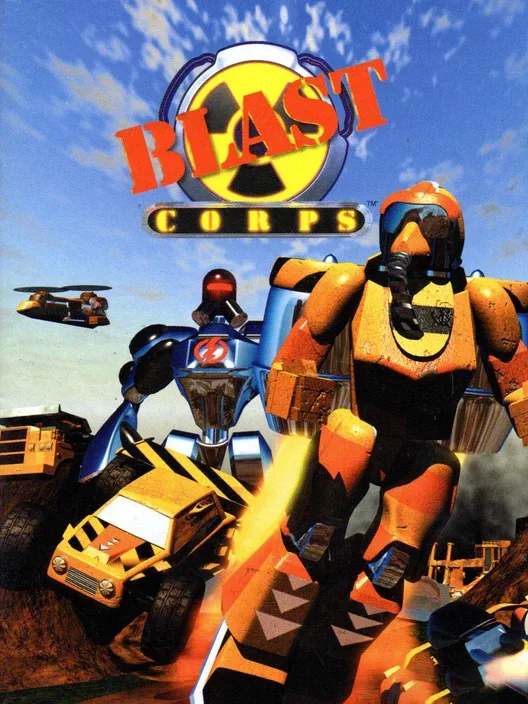
15. Blast Corps#
Rare's Blast Corps, released in March 1997, is a puzzle-action game in which players demolish buildings to clear a path for a runaway nuclear missile carrier. It was one of Rare's earliest hits on the console, and it asks players to use bulldozers, mechs and other vehicles under time pressure. It holds a Metacritic score of 90. Levels vary between pure demolition, rescue missions and vehicle-based puzzles, so the pace keeps shifting. Vehicle handling takes time to master, the fixed camera feels restrictive and some players find the later levels repetitive. It was later included in Rare Replay in 2015, which gave a new audience a chance to see how inventive Rare's design could be.
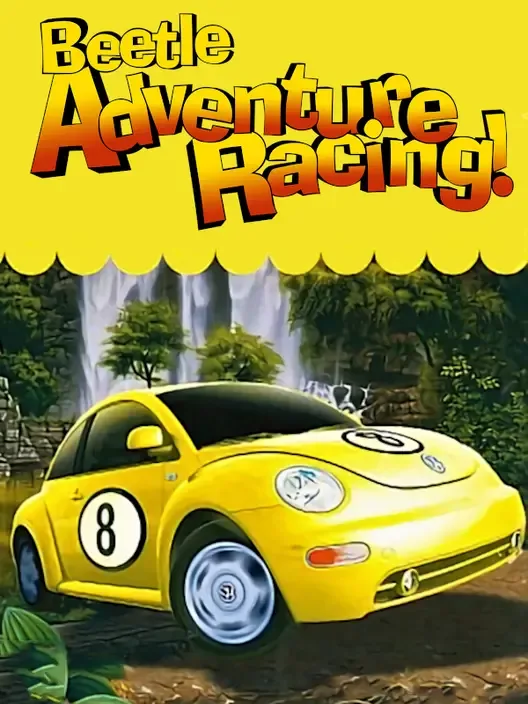
16. Beetle Adventure Racing!#
Beetle Adventure Racing! reached the Nintendo 64 in March 1999, developed by Paradigm Entertainment and EA Canada and published by Electronic Arts, and it centers on the then-new Volkswagen New Beetle. Its tracks contain shortcuts and collectible items, and its handling and multiplayer mode earned widespread praise. It holds a Metacritic score of 90. Hidden routes, stunt-like jumps and bonus objects give the tracks a treasure-hunt feel, and a battle mode extends the multiplayer. The car and track counts are small, and the presentation is plain compared with rival racers. It sold modestly, but it is now a favorite among N64 enthusiasts who prize its handling and its imaginative track design.
17. WWF No Mercy#
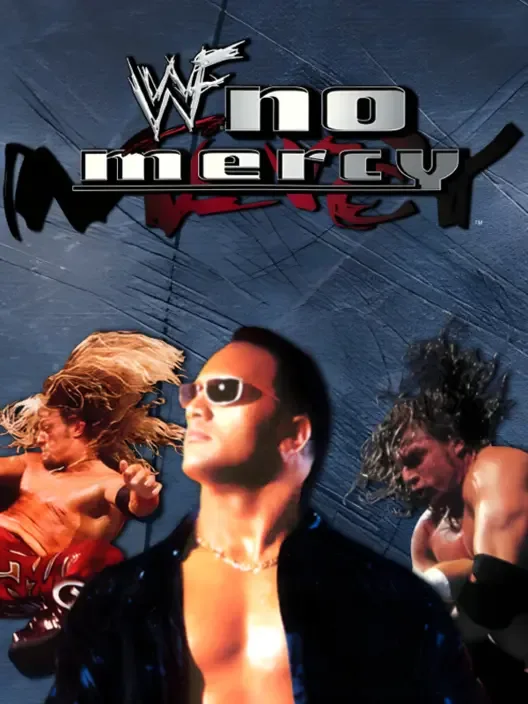
AKI Corporation's WWF No Mercy, published by THQ in November 2000, is widely regarded as the peak of the N64 wrestling era. Its grappling system is easy to use and has depth, its Championship mode branches with storylines and the create-a-wrestler tools let players build their own fighters. It holds a Metacritic score of 89. The engine also supports a wide range of match types, from ladder and cage matches to tag teams and hardcore bouts, and the combination of a deep roster with flexible editing kept players coming back. The graphics are blocky, the frame rate slows with four wrestlers on screen and the computer opponents reverse moves too often. Fans still create roster mods for it decades later.
18. International Superstar Soccer 64#
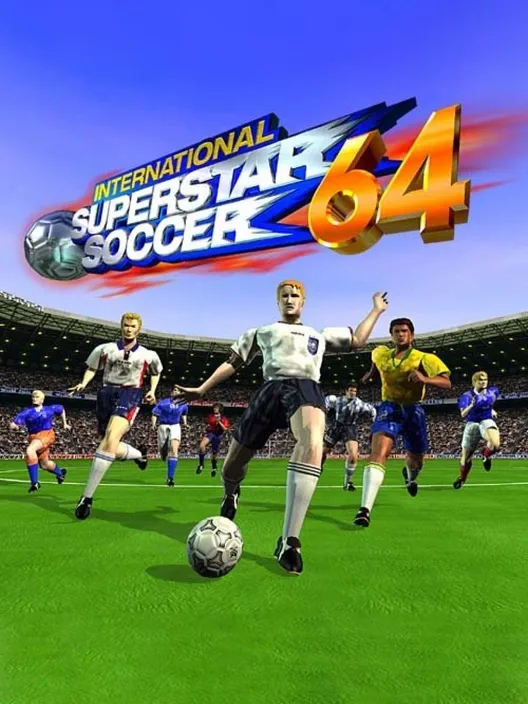
Konami Computer Entertainment Osaka's International Superstar Soccer 64 was released in December 1996 in Japan and in 1997 elsewhere, and it took soccer games in a fast, arcade-like direction that suited the analog stick. Motion-captured animations, plenty of modes and four-player support made it a standout, and it holds a GameRankings score of around 89 percent. The tournaments, league play and scenario modes give it depth, and its pace and passing feel gave it a devoted following, particularly in Europe. It is fondly remembered as one of the best third-party games on the N64, and a strong rival to FIFA of the period.
19. Star Fox 64#
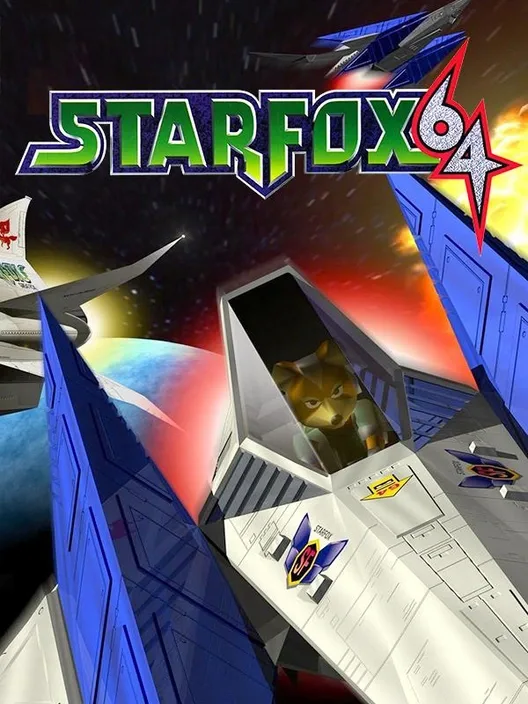
Nintendo EAD's Star Fox 64 arrived in 1997, in Japan in April and North America in June, and reimagined the rail shooter with branching routes, voice acting and squad-mates who call out warnings. It was the first game to use the Rumble Pak, which shipped in the box. It holds a Metacritic score of 88 and sold more than four million copies. The routes reward replay because performance and secret triggers open different paths through the Lylat System, and the All-Range Mode dogfights against rivals break up the on-rails action. The most common criticism is that the gameplay remains on rails and is not a large leap over the SNES original, and the campaign is short. Its quotable dialogue has made it a fixture of gaming culture, and a barrel roll has become shorthand for the series.
20. Diddy Kong Racing#
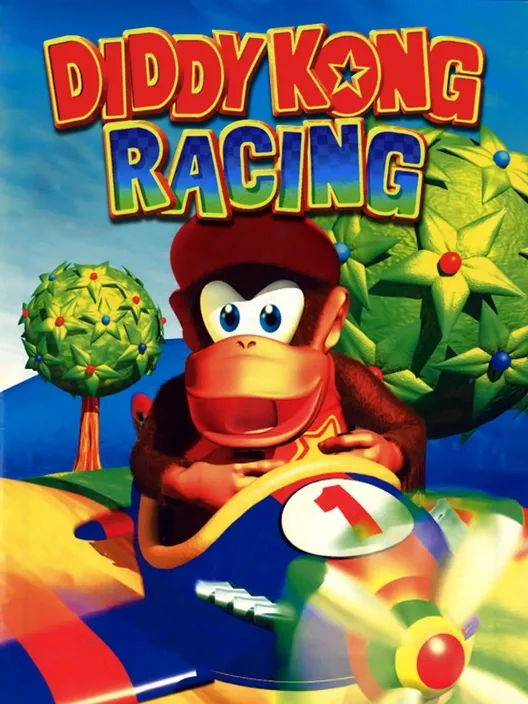
Rare released Diddy Kong Racing in November 1997, and it took the kart racer in a new direction by adding an adventure hub, boss races, and planes and hovercraft alongside karts. It holds a Metacritic score of 88 and sold about 4.5 million copies. Players roam an island overworld, collect balloons to unlock new tracks and face the wizard Wizpig in a series of boss races. Its worlds and progression make it feel like a racing adventure rather than a series of cups, and the multiplayer battle modes are a strong extra. Some critics found the repetition of courses in the adventure mode wearing, and the character roster is odder than Mario Kart's. A Nintendo DS remake in 2007 was received far less warmly than the original.
21. 1080° Snowboarding#
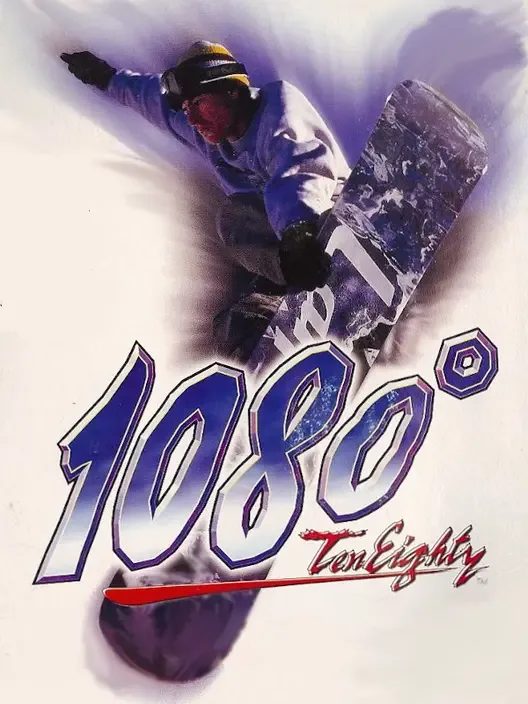
Nintendo EAD released 1080° Snowboarding in 1998, in February in Japan and April in North America, and it applied the racing knowledge from Wave Race 64 to the slopes. Its snow behaves differently depending on the surface, its motion-captured animations look natural and its trick system rewards practice. It holds a Metacritic score of 88 and won an Interactive Achievement Award. Modes include match races, time attack, a contest mode for tricks and a trick-based scoring mode. The course variety is limited, the computer opponents can feel like they cheat to catch up, and the controls take time to master. It sold about 1.23 million units in the US, and its atmosphere of icy peaks and an electronic, drum-and-bass-flavored soundtrack helped make it a defining N64 sports game.
22. Star Wars: Rogue Squadron#
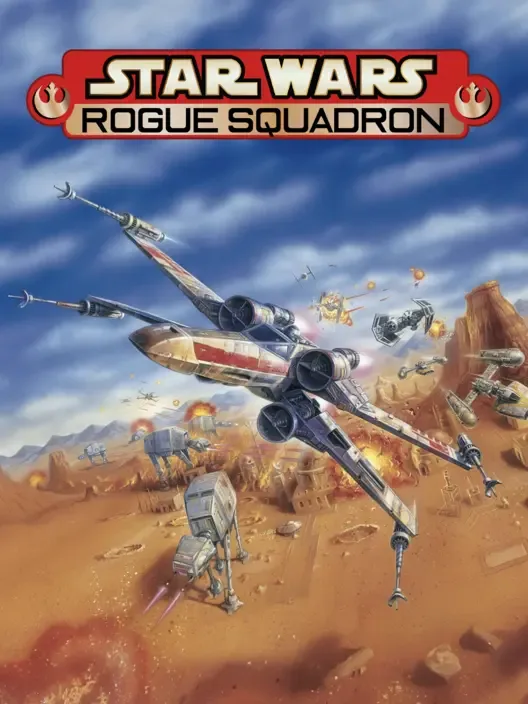
Factor 5's Rogue Squadron reached the Nintendo 64 in December 1998, and it gave Star Wars fans a way to fly the X-wing, Y-wing and other craft in 16 missions. The flight controls are responsive, the score is lavish, and the Expansion Pak enabled a high-resolution mode. Missions vary between escort, rescue and assault objectives, and medals reward strong performances. Critics complained about its heavy use of fog to hide the draw distance and about the lack of a multiplayer mode. It sold more than a million copies by August 1999 and spawned two GameCube sequels. Its sense of scale over Tatooine and Hoth-like snow fields made it one of the more impressive-looking third-party games on the console.
23. Excitebike 64#
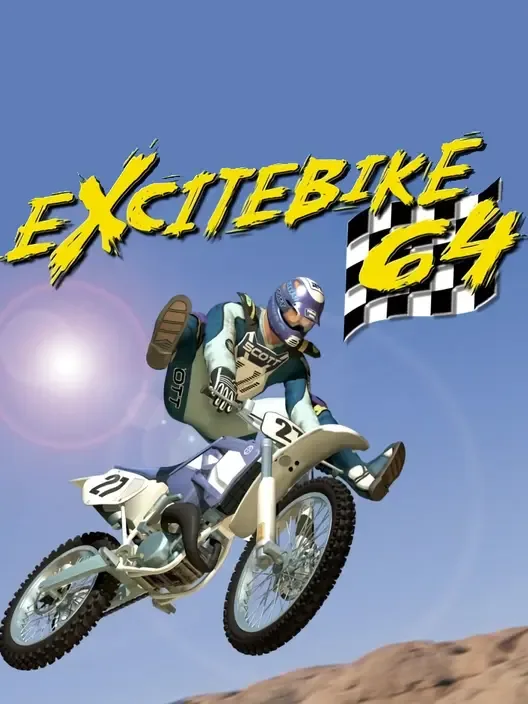
Left Field Productions' Excitebike 64 launched in May 2000 in North America and brought the NES series into 3D with realistic physics and an intuitive control scheme. It has a season mode, a track editor and minigames such as soccer, plus the original NES game as an unlockable. Riders must manage pre-load and mid-air balance to keep their landings clean, and tracks cover dirt, mud and indoor stadiums. It was received warmly for its engine, physics and controls. Critics wished for more tracks and licensed riders, noticed frame-rate issues, and the game reached Europe more than a year after North America, in 2001. It remains one of the better sports racers on the system and a rare example of a retro series revived well.
24. Space Station Silicon Valley#
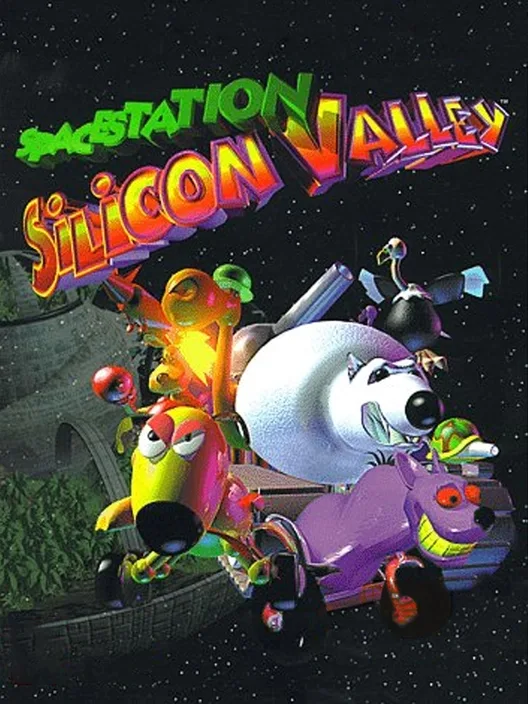
DMA Design's Space Station Silicon Valley, published in October 1998 in North America, let players control a microchip that can inhabit different animals, each with its own abilities, to solve puzzles on a space station. It has distinct British humor and a clay-like art style, and it was critically acclaimed for its originality. Possessing a sheep, a dog or a fish changes how a level plays, and the world reacts to the animals in believable ways. Camera problems and some technical glitches are on the negative side, and it was overshadowed by Ocarina of Time, which came out at almost the same time. It sold poorly, but it has a loyal cult following and remains one of the most inventive games on the platform.
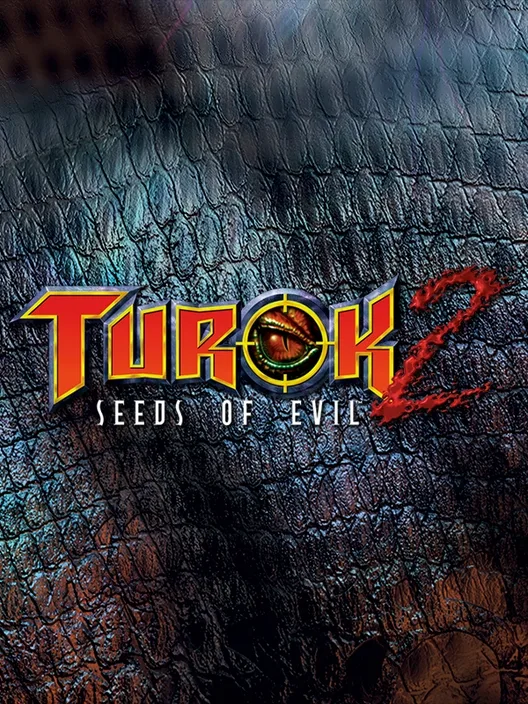
25. Turok 2: Seeds of Evil#
Iguana Entertainment's Turok 2: Seeds of Evil, published by Acclaim in December 1998, pushed the console harder than any earlier shooter. It offers large non-linear levels, smarter enemies, an inventive arsenal including the Cerebral Bore and, with the Expansion Pak, a high-resolution mode. It holds a Metacritic score of 86. It shipped on a 32-megabyte cartridge, up from early plans for a much smaller one, and it sold about 1.4 million copies by January 1999. Multiplayer modes were added late in development and give it a broader appeal. The frame rate is choppy and the fog is heavy, and the level design can frustrate players who want straightforward action.
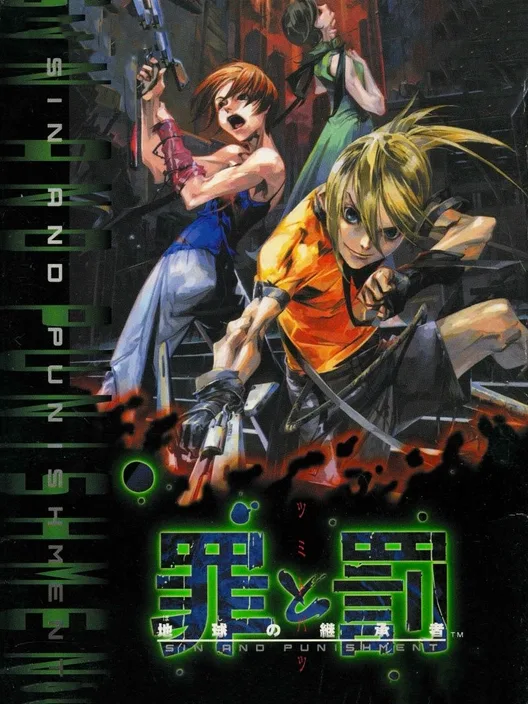
26. Sin and Punishment#
Treasure's Sin and Punishment, made together with Nintendo R&D1, was released only in Japan in November 2000. It is an intense rail-style shooter in which players dodge and shoot at once. It holds a GameRankings score of 86 percent. Aiming the reticle with the analog stick while moving separately gives it a unique feel, and the boss fights are inventive. It became a cult favorite among import players, since no Western release existed at first. Western players officially received it through the Wii Virtual Console, which also paved the way for its sequel on the Wii.
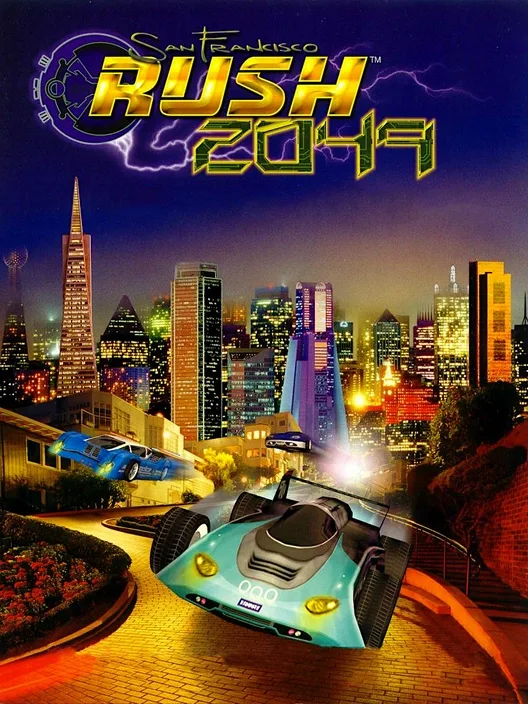
27. San Francisco Rush 2049#
Midway's San Francisco Rush 2049 arrived on the Nintendo 64 in 2000, adapted from the arcade game and adding stunt wings that let cars glide through the air. Its futuristic tracks, four-player battle arenas and stunt mode gave the racer variety. It holds a Metacritic score of 86 and a GameRankings score of 85 percent. Shortcuts abound, and coins hidden on the tracks unlock new cars and paint jobs, so the campaign rewards exploration as much as raw speed. It remains one of the better arcade-style racers on the console, especially for players who like the freedom of its track design.
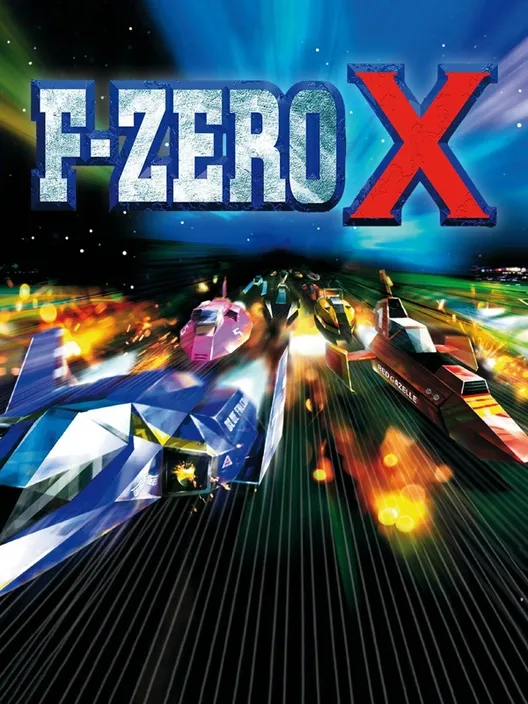
28. F-Zero X#
Nintendo EAD's F-Zero X launched in Japan in July 1998 and in North America that October, and it traded graphical detail for speed. Thirty machines race simultaneously at a steady 60 frames per second, a technical feat that is still cited today, and the game adds a Death Race mode and randomly generated tracks in the X Cup. It holds a Metacritic score of 85 and a GameRankings score of about 88 percent. Tracks twist through loops, pipes and half-pipes at very high speeds, and a boost mechanic that costs energy adds risk to every lap. Its sparse textures and backgrounds were the most common criticism, and there is no story mode of the kind that other racers offered. The game is remembered for its uncompromising sense of speed.
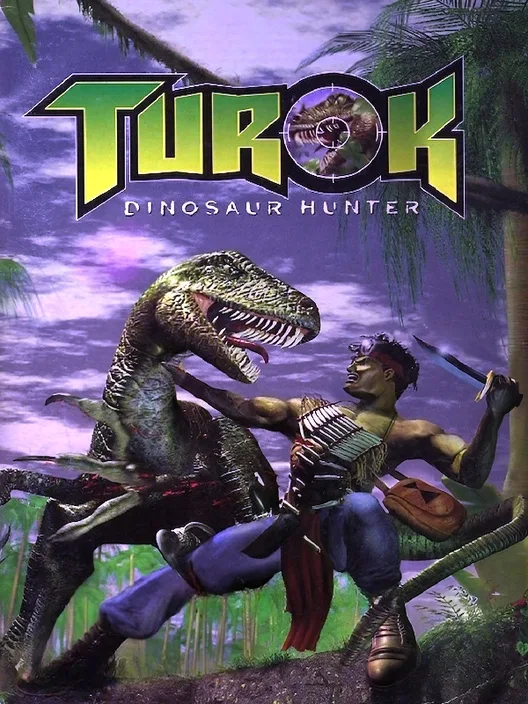
29. Turok: Dinosaur Hunter#
Iguana Entertainment's Turok: Dinosaur Hunter, released by Acclaim in March 1997, was one of the first big third-party hits on the console. It adapted the Valiant comic into a first-person adventure with real 3D movement, jumping and exploration that was not common in shooters of the time. It sold about 1.5 million copies and helped Acclaim show that the platform could support strong third-party software. The player hunts across jungle levels with an increasingly ridiculous arsenal, facing dinosaurs and a menagerie of enemies. Its frame rate slows when many enemies are on screen, and the developers used distance fog to hide the draw distance, which sometimes makes navigation confusing. It is the start of a franchise that shaped the console shooter.
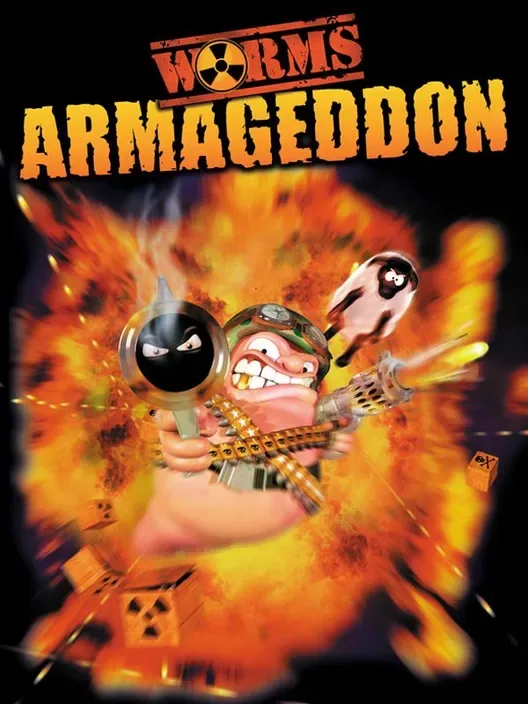
30. Worms Armageddon#
Team17's Worms Armageddon was ported to the Nintendo 64 by Infogrames Lyon House, reaching Europe in December 1999 and North America in March 2000. This turn-based artillery game with its explosive weapons is a natural fit for a four-player party, and the port was among the first on the console to offer a terrain generator and editor. It holds a GameRankings score of 84 percent. Weapons such as the Holy Hand Grenade and the Banana Bomb lend the game its absurd humor, and custom teams with named worms add personality. Some reviewers felt that it is better as a party rental than as a daily game, and the solo experience is limited. It remains a fine choice for a group.
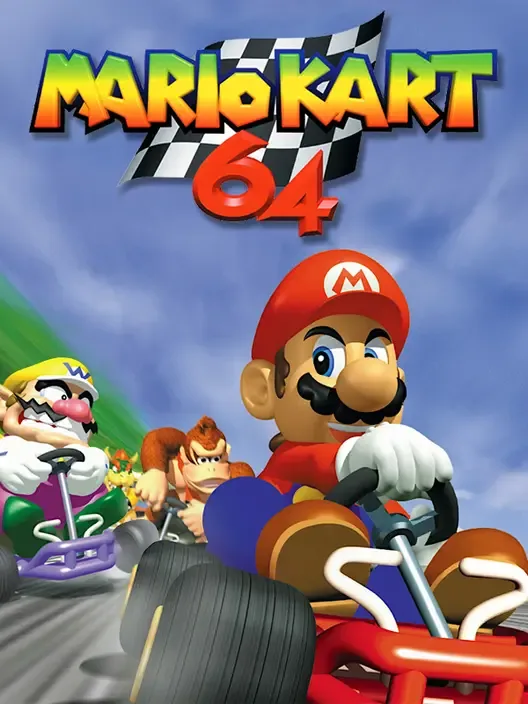
31. Mario Kart 64#
Nintendo EAD released Mario Kart 64 in December 1996 in Japan and February 1997 in North America. It moved the kart series into 3D with 16 courses, the debut of the blue shell and a four-player split screen that became a fixture of living rooms. It holds a Metacritic score of 83 and sold about 9.87 million copies worldwide, the second highest of any N64 game. The mini-turbo slide and the option to hop out of a corner give skilled players real room to improve, and time trials with ghost data extend the game beyond the cups. Critics noted that the characters are 2D sprites on 3D tracks, that the collision detection is rough, and that the computer opponents use rubber-band catch-up. As a multiplayer game it remains remarkably strong, and its tracks such as Rainbow Road and Wario Stadium are still recognized today.
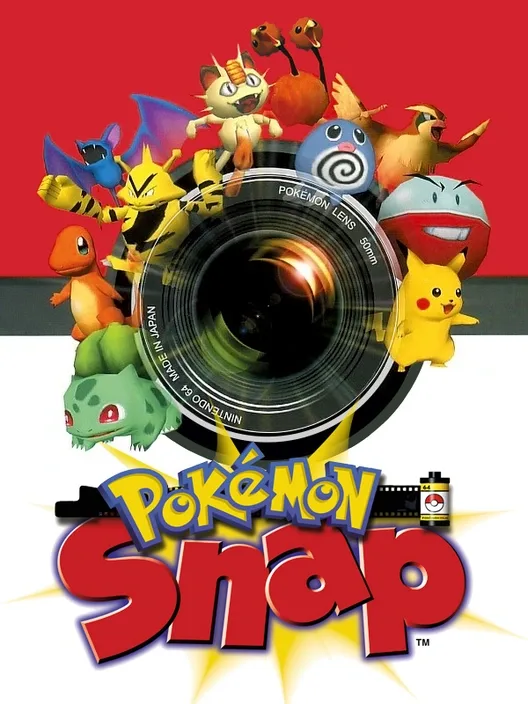
32. Pokémon Snap#
HAL Laboratory's Pokémon Snap was released in Japan in March 1999 and North America in July of the same year. Players ride an on-rails vehicle through island courses and photograph wild Pokémon, and the professor grades the photos on pose and size. It is inventive and calm, and critics called it addictive and surprisingly fun. Items such as apples and a pester ball can change how Pokémon behave, which opens hidden reactions and rewards experimentation. The game is short, and only around 63 of the original 151 Pokémon appear. It was rereleased on the Wii Virtual Console in December 2007, and its photo-printing side, which let players print stickers at retail kiosks in the US, was one of the most memorable promotions of the era.
33. Pokémon Stadium#
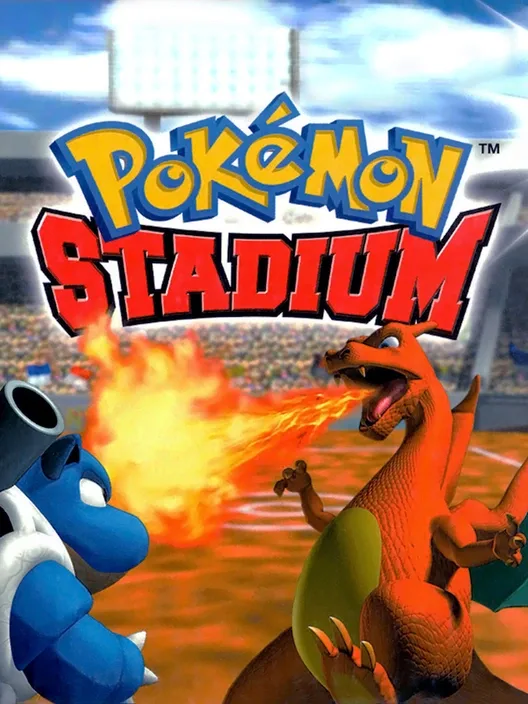
Nintendo EAD's Pokémon Stadium reached North America in March 2000 with all 151 original Pokémon, after earlier versions in Japan. The 3D battles let players see their monsters fight, and the Transfer Pak, bundled with the game, allowed players to connect their Game Boy cartridges. The Kids Club offers a set of multiplayer minigames, and a Gym Leader Castle mode lets players face familiar opponents in a structured tournament. Critics praised the visuals and the Game Boy connectivity, but criticized the repetitive gameplay and audio. It was a commercial success for Nintendo, and it gave fans a new way to see the creatures that they had grown used to on a handheld screen.
34. Shadow Man#
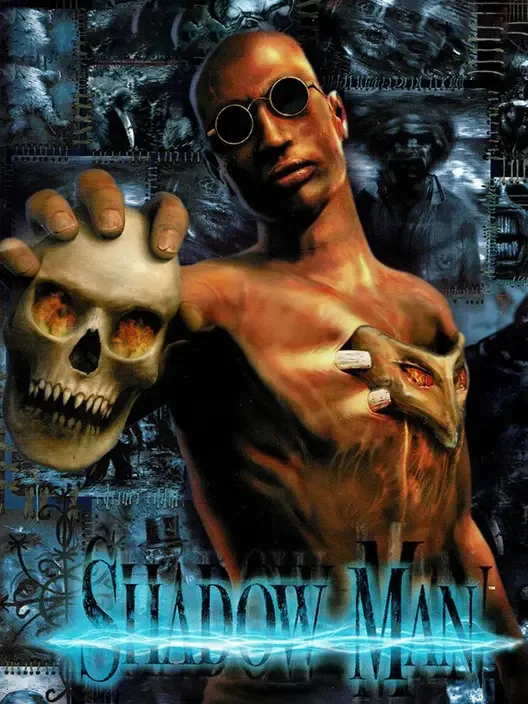
Acclaim Studios Teesside released Shadow Man in August 1999 across several platforms, and the Nintendo 64 version was among the best received. This dark action-adventure, loosely based on the Valiant comic, is sometimes described as a 3D metroidvania because of its large world and ability-gated exploration. The N64 version was well reviewed, and the PlayStation version was seen as the weaker of the two. Players move between the living world and Deadside, collecting Dark Souls and unlocking new abilities as they go. Its mature tone was unusual on Nintendo hardware, and some players found its pace slow and its plot dense. It has since developed a following, particularly for its atmosphere and sense of place.
35. Ogre Battle 64: Person of Lordly Caliber#
Quest's Ogre Battle 64: Person of Lordly Caliber came to Japan in July 1999 and to North America through Atlus in October 2000. It brings the series' real-time strategy and tactical role-playing combination into 3D, with a 320-megabit cartridge, an elaborate story and a soundtrack by several noted composers. It holds a Metacritic score of 82. Players lead units across the map, and a system of reputation and alignment affects which characters join and how the story develops. It has a slow pace and an intimidating interface. It later reached the Wii Virtual Console in PAL regions in 2010 and the Wii U Virtual Console in 2017.
36. Mystical Ninja Starring Goemon#
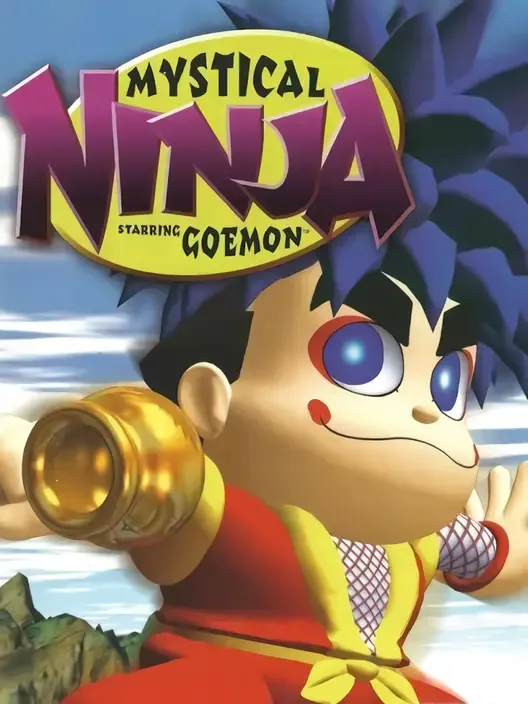
Konami Computer Entertainment Osaka's Mystical Ninja Starring Goemon appeared in Japan in August 1997 and North America in April 1998. It mixes traditional Japanese and modern themes, with varied gameplay styles including giant robot battles, and its 128-megabit cartridge carried high-quality audio. It pairs Japanese humor with varied gameplay, and towns full of minigames and side stories give it a distinctive character. Critics were divided, and the camera is troublesome. It sold about 200,000 copies worldwide but developed a cult following that still celebrates its quirks. It is included here as an example of the console's more unusual third-party output.
37. Wetrix#
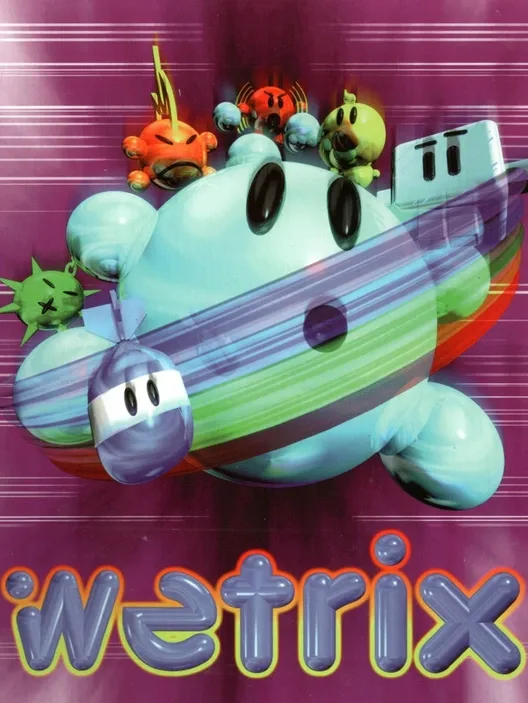
Zed Two's Wetrix, released in North America in June 1998, is a puzzle game that combines Tetris-like pieces with water physics. Players build basins to hold water and use fireballs to evaporate it, and the water animation was praised as technically impressive. It holds a Metacritic score of 81 and a GameRankings score of about 79 percent. Mines, ice cubes and earthquakes disturb the water and force quick decisions, so an ordered board can fall apart in seconds. Its limited camera angles and steep learning curve are drawbacks, and the game can be repetitive. It sold modestly, but it is a distinctive puzzler that stands apart on the console.
38. Super Smash Bros.#
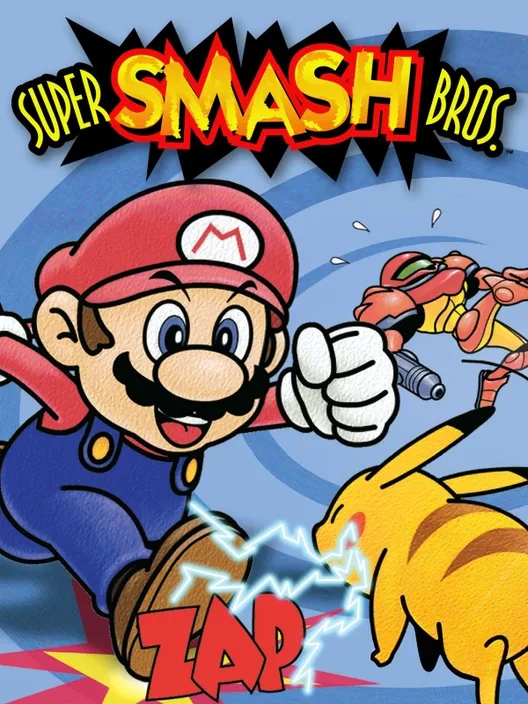
HAL Laboratory's Super Smash Bros. reached Japan in January 1999 and North America that April, with Masahiro Sakurai directing. Instead of draining health bars, players raise a damage percentage and knock opponents off the stage, which made the game easy to learn and hard to master. It gathers Nintendo mascots such as Mario, Link and Pikachu in a four-player brawler with items that swing a match at any moment, and it earned a Metacritic score of 79 with praise for its multiplayer. It sold more than five million copies. Twelve characters, of which eight are available from the start, keep the roster manageable and each fighter distinct. The single-player mode is short and the roster and stage count are modest. Every sequel has grown from this foundation, and this entry is placed here for its influence and its lasting party appeal.
39. Pilotwings 64#
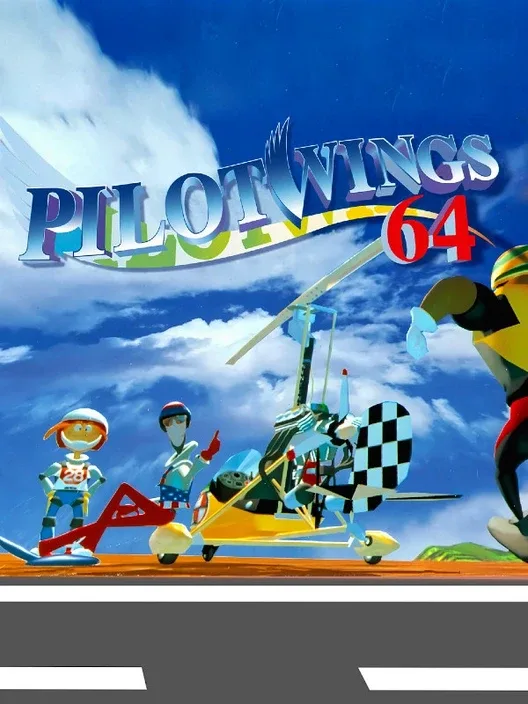
Paradigm Simulation, together with Nintendo EAD and R&D3, launched Pilotwings 64 in Japan in June 1996 as a launch title. Its miniature United States, including landmarks such as Mount Rushmore, is explored by hang glider, jet pack and gyrocopter, with bonus challenges including skydiving and a human cannonball. It holds a Metacritic score of 80 and a GameRankings score of about 88 percent. Tasks are graded, and performance earns bronze, silver or gold licenses, while free-flight exploration rewards curiosity. Some critics called it more of a graphical showcase than a deep game, and the soundtrack was divisive. It showed what the new hardware could do, and its serene, exploratory tone stayed unique on the console.
40. Doom 64#
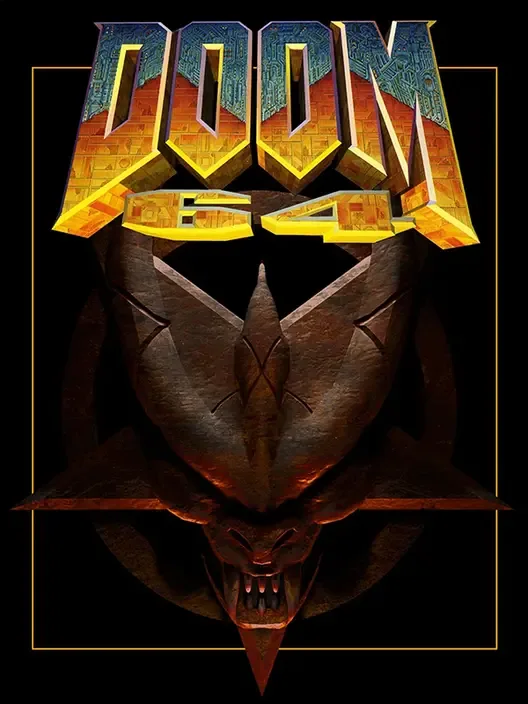
Midway Studios San Diego developed Doom 64 under id Software's supervision, and it launched in North America in April 1997. It is not a port but a new game with redesigned levels, more atmospheric lighting and a moody soundtrack. Its darker, quieter tone marks it out from earlier entries in the series, and new enemy designs and weapons such as the unmaker keep it fresh. It received mixed-to-positive reviews at release, mainly because of its familiarity to players who had already played other versions. Nightdive Studios released a remaster in March 2020 with an additional set of levels called The Lost Levels. It is a cult classic among fans of the series and a good example of a console-only Doom.
41. Jet Force Gemini#
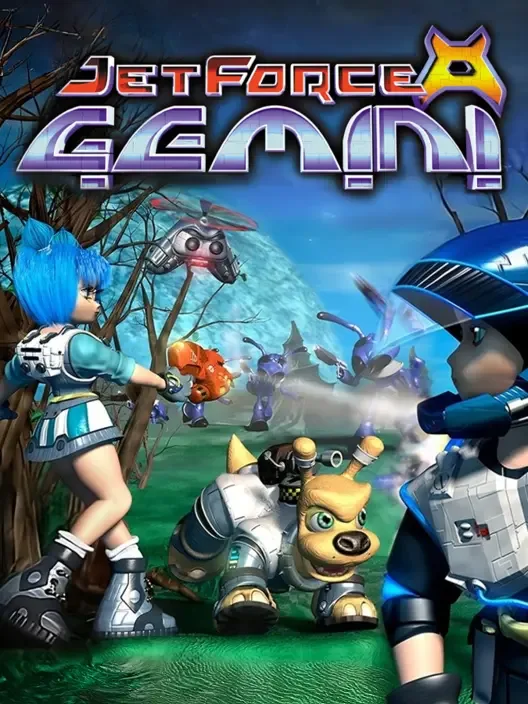
Rare's Jet Force Gemini, released in October 1999, is a third-person shooter that mixes arcade action with platforming, inspired by Super Mario 64, Super Metroid and 1980s arcade games. Three characters explore non-linear worlds against a horde of insectoid enemies, and there is a deathmatch mode for up to four players. It holds a Metacritic score of 80, and reviewers praised the graphics and sound. Free aiming with a lock-on option and a large arsenal give the combat a distinctive feel. The rescue of Tribal survivors is a large chore, the control scheme is complicated and the frame rate drops during heavy action. It is a bold, unusual release that was later included in Rare Replay.
42. Kirby 64: The Crystal Shards#
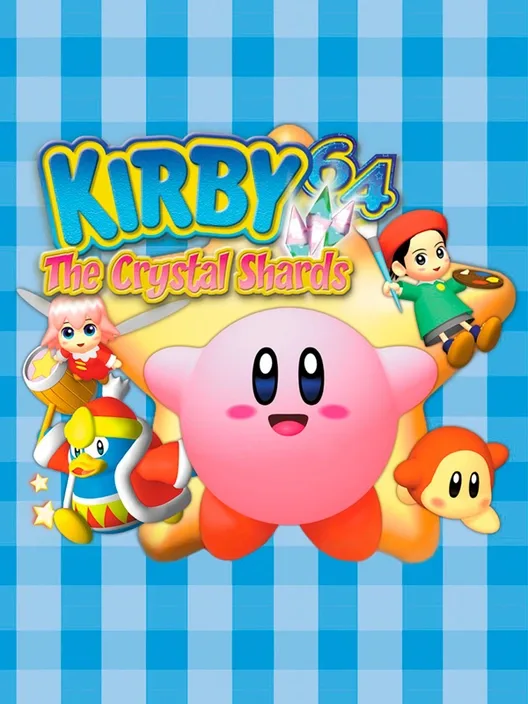
HAL Laboratory's Kirby 64: The Crystal Shards, released in March 2000 in Japan and June 2000 in North America, moved Kirby to 3D-style visuals on a 2.5D plane and added Power Combos that mix copy abilities. It holds a Metacritic score of 77 and was praised for its colorful, stylized graphics. It was originally planned for the 64DD add-on. Seven copy abilities can be combined into 28 Power Combos. Reviewers found it easy and short, and many stages feel repetitive. Even so, it is a charming platformer, and it was the last traditional home console Kirby game until Kirby's Return to Dream Land in 2011.
43. Mario Party 2#
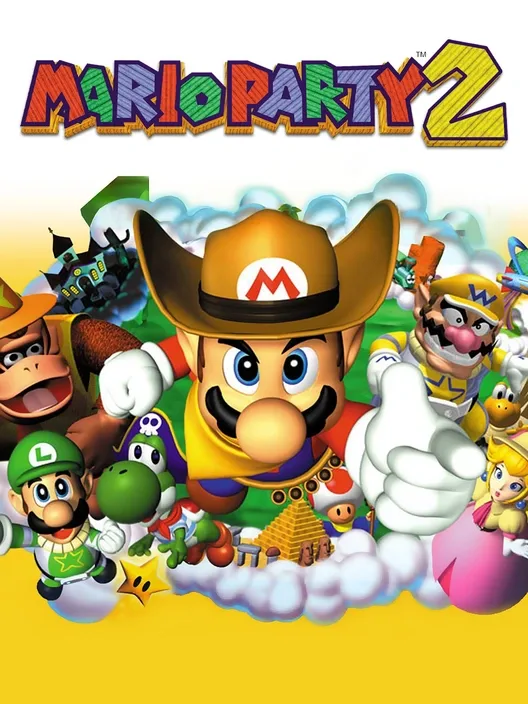
Hudson Soft's Mario Party 2 was released in December 1999 in Japan and January 2000 in North America, and it fixed problems from the original. It has 65 minigames, themed boards with new gimmicks and no minigames that require rotating the analog stick, which had caused injuries in the first game. It holds a GameRankings score of 76 percent, with critics praising its multiplayer fun. Each board has its own theme, from a Western town to a space station, and new items add strategy to the dice-driven progress. The single-player experience is tedious, and the outcome depends heavily on chance. It is best enjoyed with friends, and it was later rereleased on the Wii Virtual Console and the Wii U.
44. Star Wars Episode I: Racer#
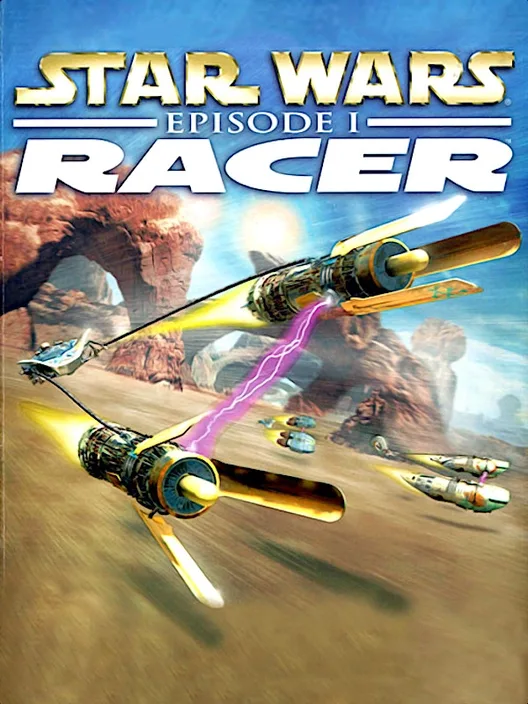
LucasArts released Star Wars Episode I: Racer in May 1999 on the Nintendo 64 and Windows, and it captured the podrace sequence from the film at a fast pace. It holds a GameRankings score of about 76 percent on the N64 (75.78 percent). Players can upgrade their pods with earnings from races, and a range of tracks across several planets varies the challenge. Afterburners give bursts of speed but overheat and destroy the pod if overused, so it can be demanding. Even so, its sense of speed and its track variety make it one of the console's better third-party racers, and it sold over 3 million copies worldwide.
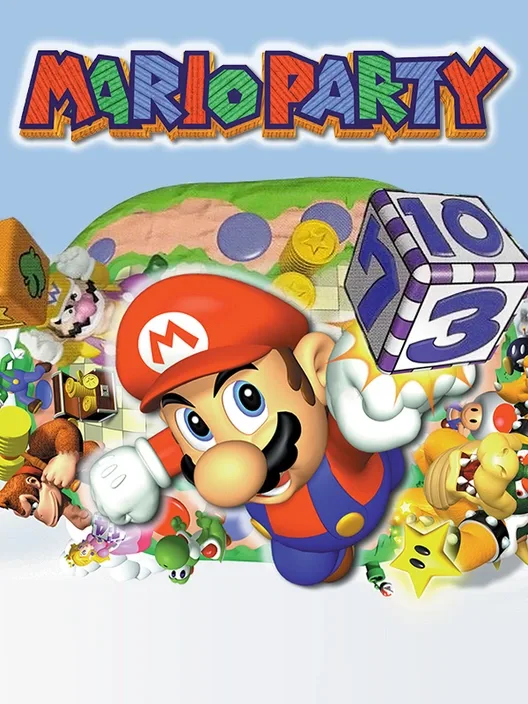
45. Mario Party#
Hudson Soft's Mario Party arrived in December 1998 in Japan and February 1999 in North America, with Shigeru Miyamoto as supervisor. It combines a board game with 50 minigames, and its multiplayer party format proved to be a lasting success. Critics found its single-player modes tedious. Several minigames required rapid rotation of the analog stick, leading to blisters and a settlement in which Nintendo agreed to provide protective gloves to players. Its boards add small variations to the standard roll-and-move formula. It started a very long series and it established the party game as a permanent fixture of the Nintendo lineup.
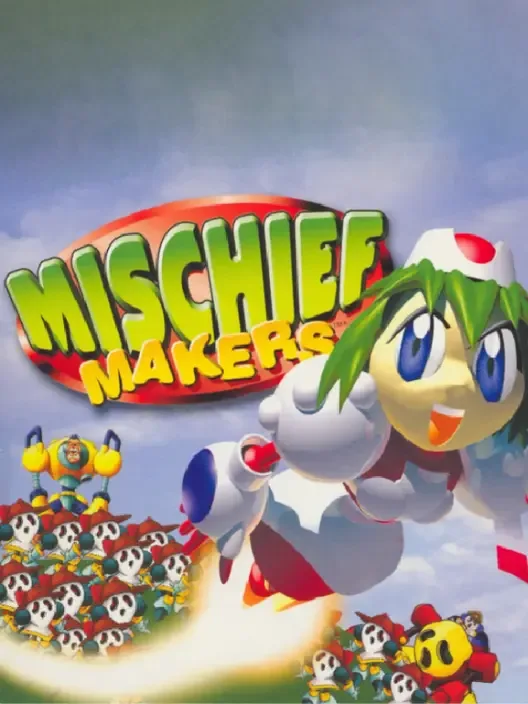
46. Mischief Makers#
Treasure's Mischief Makers arrived in 1997, in North America on October 1, and it is a quirky 2D platformer in which the robot maid Marina grabs and shakes enemies and objects. It has a busy, often chaotic style with a large number of small stages, and each new stage brings new ways to use the shake mechanic. Its reception at release was mixed because reviewers felt it was short and easy, and its low difficulty and replay value were common complaints. Retrospective reviews have been warmer, and it has come to be seen as an underrated late-era N64 title. It is inventive and full of personality, with strong boss fights that recall Treasure's best work on other platforms.
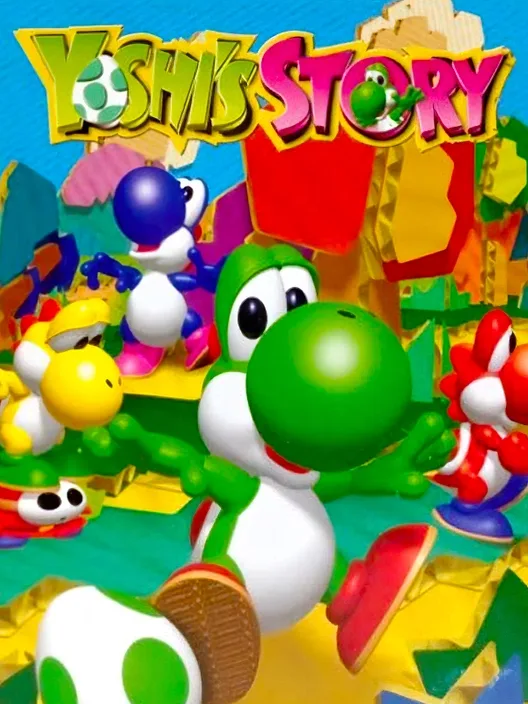
47. Yoshi's Story#
Nintendo EAD's Yoshi's Story was released in Japan in December 1997 and elsewhere in 1998. It is a 2D platformer with pre-rendered storybook art, and Kazumi Totaka's music changes dynamically with play. Players collect fruit to fill each level's score, and a lucky fruit system nudges them to explore. Critics found it too short and easy compared to Yoshi's Island, and its scores were lower than those of the SNES original. Critics generally felt younger players would enjoy it most. It is included here for its charm and visual style rather than its depth, and its music was widely praised.
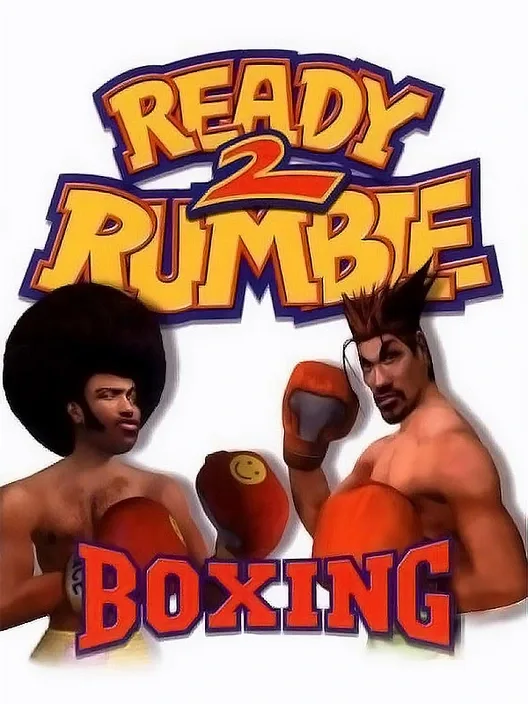
48. Ready 2 Rumble Boxing#
Midway's Ready 2 Rumble Boxing began on Dreamcast in September 1999 and reached the Nintendo 64 that November. It is an arcade boxing game with colorful fighters, special Rumble Flurry attacks and the voice of announcer Michael Buffer. Its exaggerated characters give it a cartoon style that stands apart from more serious boxing games. Some reviewers preferred the Dreamcast version for its sharper visuals. It works best as a quick two-player game, and its bright, arcade approach suits short sessions.
49. Bomberman 64#
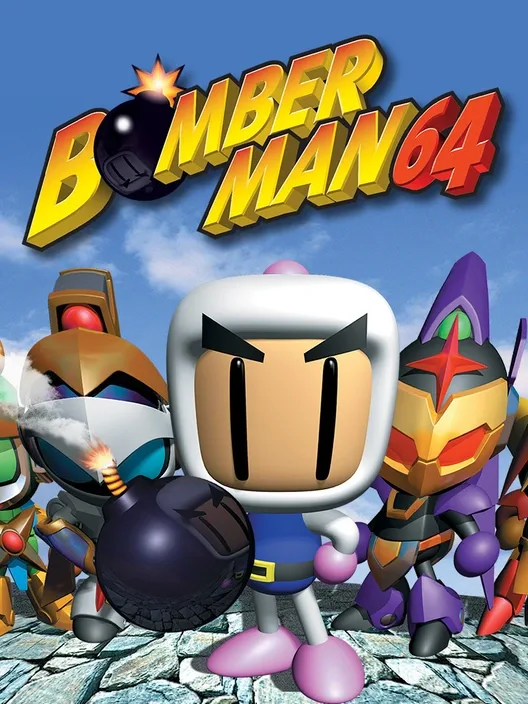
Hudson Soft's Bomberman 64 was released in September 1997 in Japan and in December 1997 in North America, and it was the first 3D game in the series. Its single-player adventure was seen as stronger than its multiplayer. Collectible gold cards unlock extra content, and the game includes a multiplayer battle mode for up to four players. The multiplayer mode was criticized for losing the addictive charm of the classic series. Reviews were mixed overall. It is still a solid game for fans who enjoy its puzzle-like platforming, and it stands as an interesting attempt to bring a 2D classic into three dimensions.
50. Killer Instinct Gold#
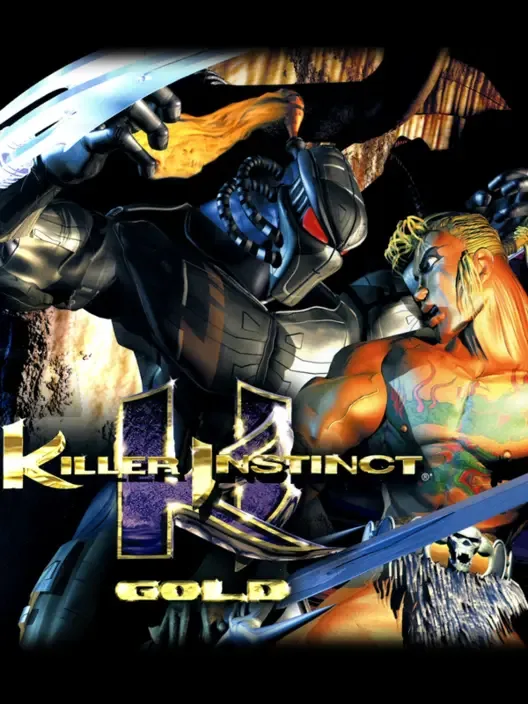
Rare's Killer Instinct Gold was released in November 1996 in North America and was a port of the second arcade game in the series. It brought the series' combo-heavy style to the console. Reviews were mixed. Next Generation and N64 Magazine felt it could not compete with Tekken 2 or Virtua Fighter 2 for depth. GameSpot called it the best entry in the series at the time. It is included as a historically important fighting game on the platform, and it shows the kind of arcade ambition that Rare brought to the system in the console's first year.