
Nintendo's 2001 console was a small, compact machine with a distinctive controller, and it was home to some of the strongest first-party output of any generation: Metroid, Zelda, Mario, Pikmin and Smash all produced defining entries here. It also became an important home for Capcom's horror games and for multiplatform releases that were sometimes at their best on Nintendo hardware. The list covers the whole life of the system, from the 2001 launch window to Twilight Princess in 2006, and every game is listed under its GameCube release.
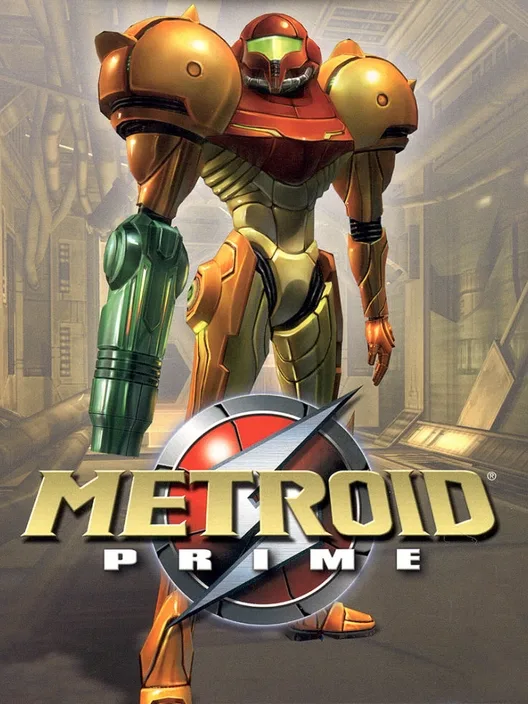
1. Metroid Prime#
Retro Studios released Metroid Prime in November 2002, turning Samus Aran's series into a first-person adventure without abandoning its focus on exploration, scanning and sequential upgrades. The planet Tallon IV is built as a connected world, and the Scan Visor turns lore-gathering into part of the moment-to-moment play. It holds a Metacritic score of 97, the highest of any GameCube game, and it won Game of the Year awards from outlets including GameSpot, GameSpy, Electronic Gaming Monthly and Nintendo Power, and it is widely cited as one of the most influential games of the 2000s. Its main weakness is a handful of backtracking stretches and a boss lineup that is less varied than its worlds. Metroid Prime Remastered arrived on Nintendo Switch in 2023 with updated visuals and controls, but the original remains a landmark.
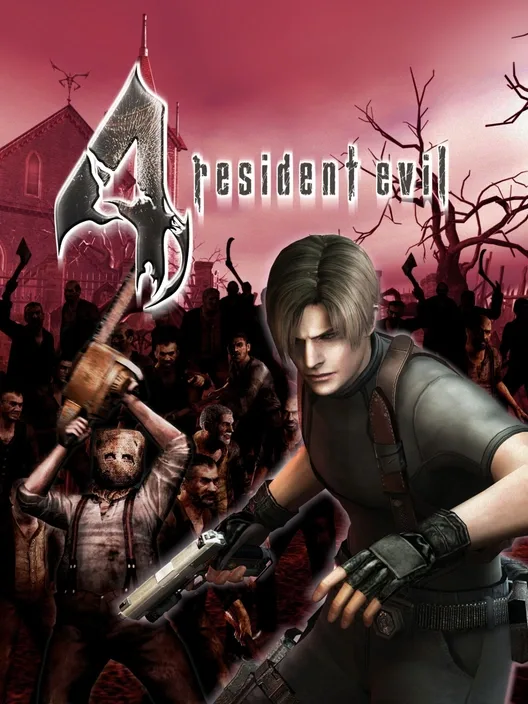
2. Resident Evil 4#
Capcom released Resident Evil 4 as a GameCube exclusive in January 2005, and it rebuilt survival horror around an over-the-shoulder camera, precise aiming and relentless set pieces. The remote Spanish village and the castle that follows still serve as a model for pacing, with every encounter teaching something and then testing it. The GameCube version has a Metacritic score of 96, IGN gave it 9.8 and GameSpot 9.6, and it collected Game of the Year awards from many outlets. The weaknesses are that Ashley's escort sections can irritate and that the tank controls, where you cannot move while aiming, feel restrictive today. It later reached almost every platform, including Wii, PlayStation 4, Xbox One and Nintendo Switch, so it is easy to play on current hardware.
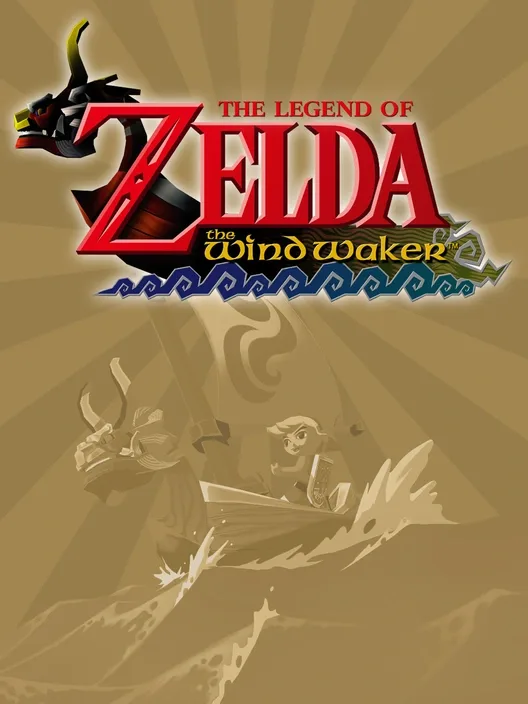
3. The Legend of Zelda: The Wind Waker#
Nintendo EAD's Wind Waker arrived in Japan in December 2002 with a cel-shaded look that divided fans at first and has aged far better than most realistic 3D of the era. Link sails a flooded world, and the sailing, the expressive animation and the conducting of the wind form a very different Hyrule from Ocarina of Time. It has a Metacritic score of 96 and earned a perfect 40 out of 40 from Famitsu. The main criticism is the late-game Triforce shard hunt, which stretches the sailing thin and was trimmed in later versions. The game returned on Wii U as The Wind Waker HD, with quicker sailing and updated visuals, but the original GameCube release remains the reference version with its own soundtrack and colour palette.
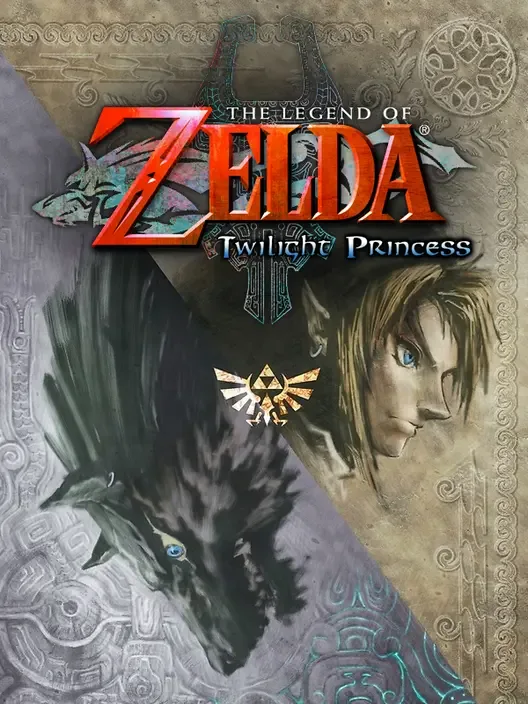
4. The Legend of Zelda: Twilight Princess#
Released in December 2006 as the GameCube's final major first-party game, alongside the Wii version that shipped at the Wii's launch, Twilight Princess is a darker, more grown-up Zelda from Nintendo EAD. Link transforms into a wolf in the Twilight Realm, the dungeons are among the best in the series, and the horseback combat and Hyrule Field scale echo Ocarina of Time. It was among the best-reviewed GameCube games on release. The weak points are a slow opening and a plain overworld between its highlights, and the GameCube version lacks the motion controls the Wii game was designed around, since the Wii version mirrors the world. It remains one of the console's best-reviewed swan songs and a reference for a traditional Zelda structure.
5. Super Smash Bros. Melee#
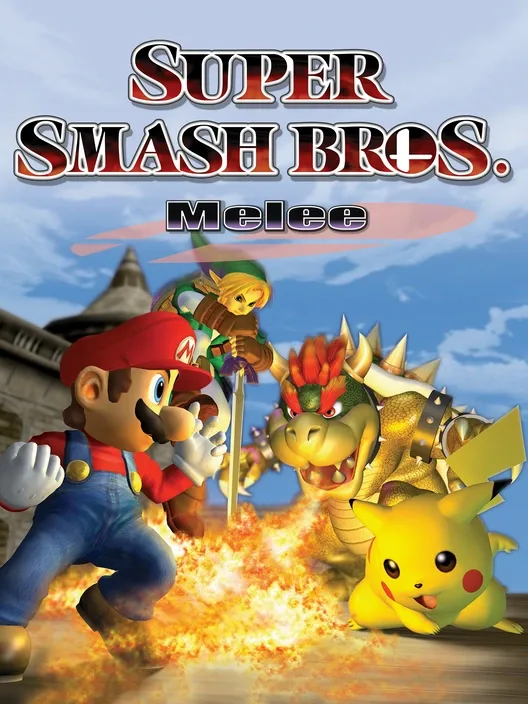
HAL Laboratory and director Masahiro Sakurai released Melee in Japan in November 2001, and it became the best-selling GameCube game, with more than seven million copies sold by 2008. Faster and deeper than its Nintendo 64 predecessor, it combined a huge roster of Nintendo icons with single-player modes like Adventure and Classic, unlockable trophies and an orchestral soundtrack. It holds a Metacritic score of 92 and 9.6 from IGN. Its long afterlife is its most remarkable trait: Melee appeared at the Evolution Championship Series and, after the 2013 charity drive that put it back in the EVO lineup, its competitive scene grew into one of the most dedicated in fighting games. The single-player content feels sparse next to later entries, and the roster is small by current standards, yet the core movement system is still studied and played.
6. SoulCalibur II#
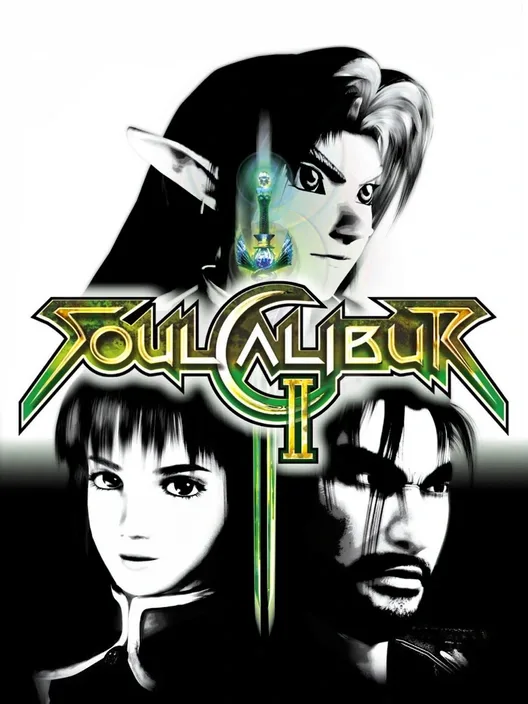
Namco's weapon-based fighter reached the GameCube in 2003 alongside PlayStation 2 and Xbox versions, and each console version featured a guest fighter; Nintendo's edition had Link from The Legend of Zelda. It holds a Metacritic score of 93 on the system, one of the highest for a fighting game of the period, and critics praised its fluid 3D combat, the deep Weapon Master mode and the polish of its visuals. The Link character was widely seen as the reason to pick the GameCube version, though the disc is otherwise close to its siblings, and the story of the single-player mode is thin. It has been described by critics as one of the best 3D fighters of its generation.
7. Viewtiful Joe#
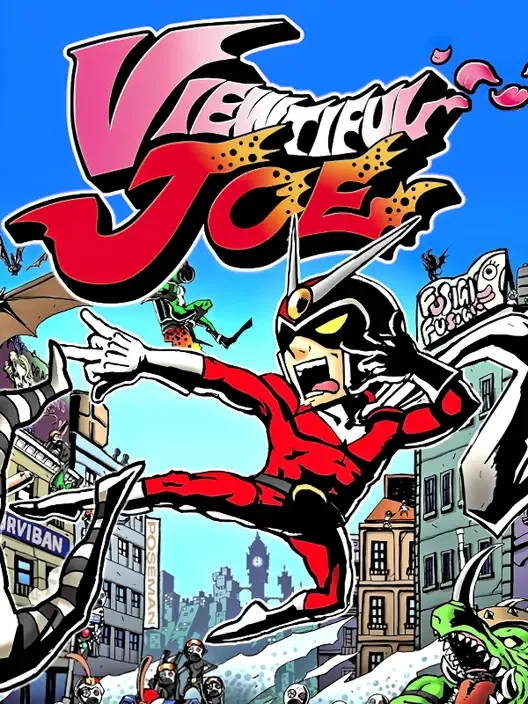
Capcom's Clover Studio released Viewtiful Joe in 2003 as a cel-shaded, side-scrolling beat-em-up in which the hero slows time or speeds it up to defeat enemies and solve puzzles. It is an arcade-style action game with a comic-book presentation, and it demands precision and rhythm. It has a Metacritic score of 93, among the highest for a third-party GameCube game, and critics praised its art style and its inventiveness. The difficulty spikes in later stages and the rank-driven scoring may put off casual players. It launched as part of the Capcom Five, a group of GameCube exclusives that included Resident Evil 4, and it remains one of the most stylish action games of its era.
8. Super Mario Sunshine#
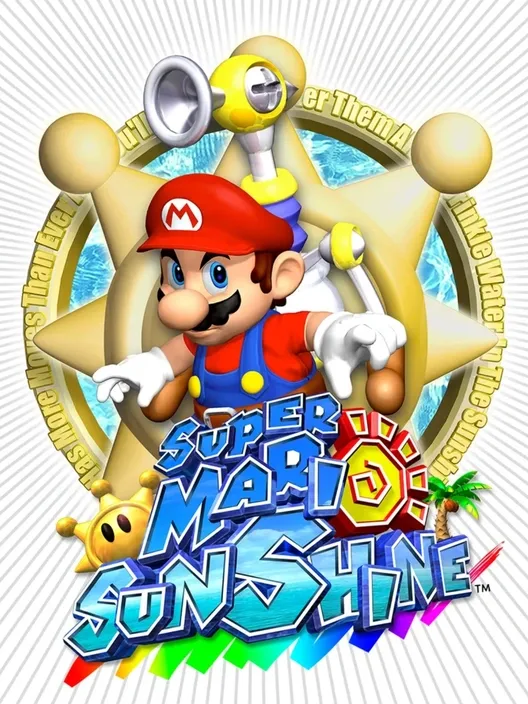
Nintendo EAD's Super Mario Sunshine sends Mario to the tropical Isle Delfino in 2002, with the water-spraying backpack F.L.U.D.D. changing how he moves: hovering, spraying and later a rocket nozzle open up traversal that no other Mario game has offered. The setting is gorgeous, and the sunlit water effects were a showcase for the console. Its Metacritic score is 92. The critics' complaints are also well known: the repeated blue-coin chases, a camera that fights at the edges of levels and a few secret levels where the water pack is removed for pure platforming. It divided fans more than Super Mario 64, but it has grown steadily in reputation and remains one of the most inventive 3D Mario games, if not the most polished.
9. Eternal Darkness: Sanity's Requiem#
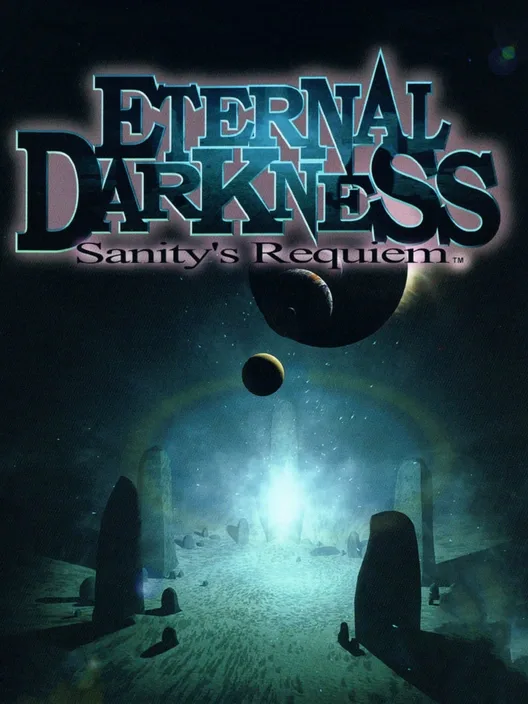
Silicon Knights released Eternal Darkness in 2002 as a Lovecraftian horror game spanning two thousand years and a dozen playable characters. Its Sanity meter is the star: as characters lose composure, the game plays tricks on the player, with fake error messages, blood-soaked walls and apparent volume resets that break the fourth wall. It has a Metacritic score of 92 and it is widely regarded as one of the most original horror games ever made, as well as one of the very few Nintendo-published mature titles of the era. The combat is clumsy compared with Resident Evil, and the puzzle structure repeats the same mansion across several chapters. It never received a sequel, and it is best played on the original hardware.
10. Prince of Persia: The Sands of Time#
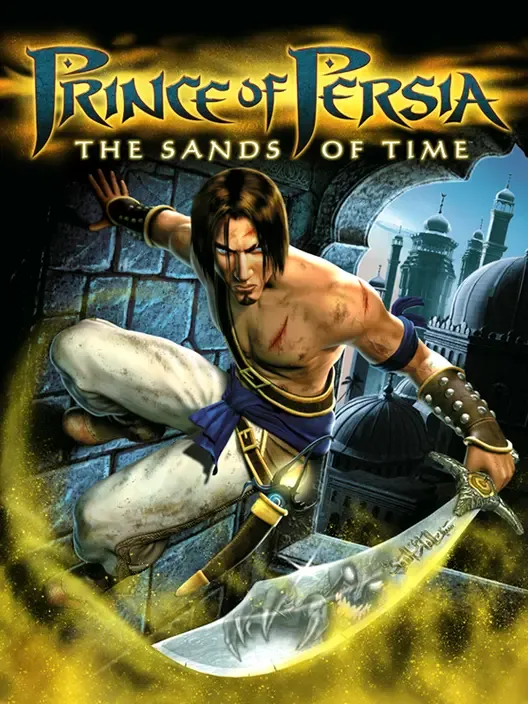
Ubisoft Montreal released The Sands of Time in November 2003, mixing fluid acrobatics, wall-running and a rewind mechanic that turns mistakes into a resource. Its story of a prince and Farah, told as a flashback, is unusually well paced for a platformer. It has a Metacritic score of 92 on the GameCube and was one of the most acclaimed multiplatform action-adventures of its generation. The combat is repetitive, with a fairly small set of enemy types, and the camera can be awkward in tight spaces. The GameCube version is generally considered well optimised alongside the PlayStation 2 and Xbox editions, and it launched a trilogy that many players remember with affection.
11. Metroid Prime 2: Echoes#
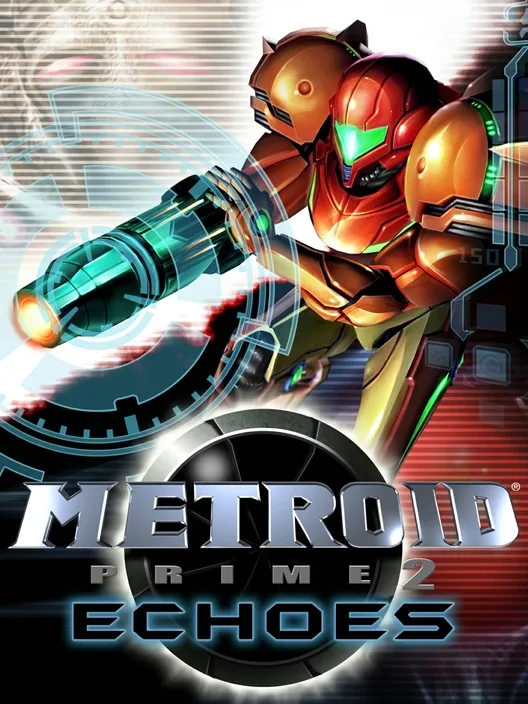
Retro Studios returned to Samus in 2004 with Echoes, a sequel that splits the world of Aether into a light and a dark dimension, forcing constant back-and-forth traversal. It adds a light beam and dark beam, four-player multiplayer, and a darker tone. It has a Metacritic score of 92 and was widely praised for its atmosphere and boss design. Critics also noted that it is more difficult than its predecessor, with ammunition management that can feel punishing, and that the multiplayer was a modest add-on. It is often placed just behind the first game in retrospectives, and many players consider its dark-world sections the most tense in the trilogy.
12. SSX 3#
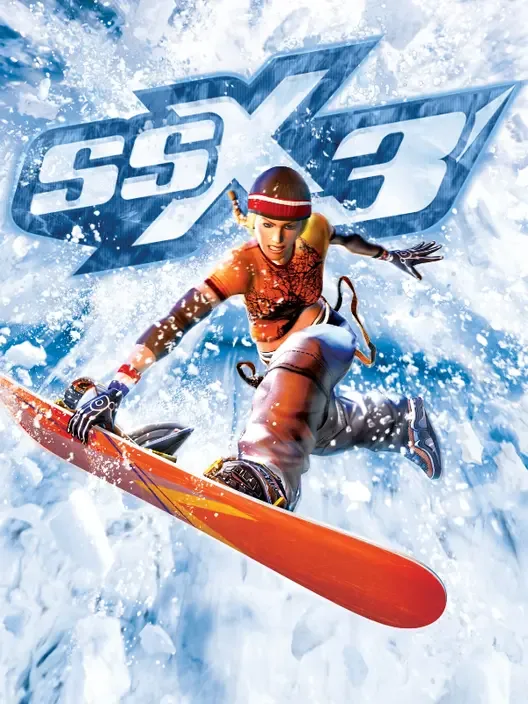
EA Canada's SSX 3 reached the GameCube in 2003 with a single continuous mountain that connects all its runs, a design that replaced the earlier separate courses and gave the snowboarding game a sense of place. It has a Metacritic score of 92 and is often considered the pinnacle of the series. The trick system rewards both speed and flair, and the character progression added depth. Its soundtrack and the graphical polish helped it stand out among sports titles on the system. The weaknesses are that some challenges can be tedious, and the sheer number of unlocks may overwhelm some players. It remains one of the best-reviewed extreme sports games ever made.
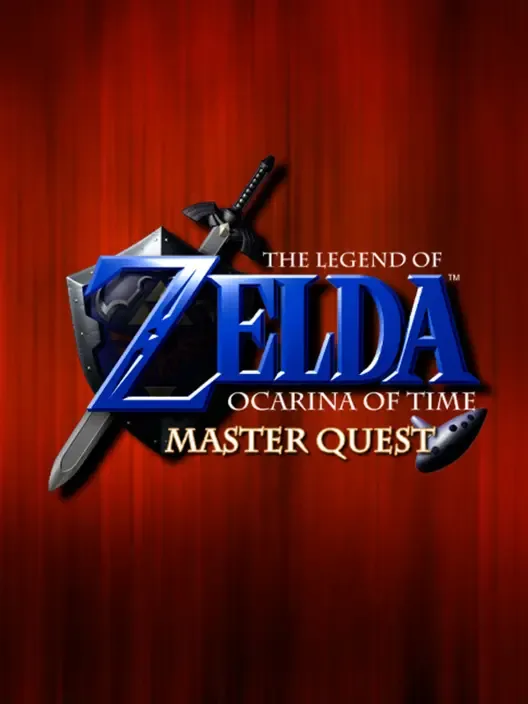
13. The Legend of Zelda: Ocarina of Time / Master Quest#
Master Quest is a remixed version of Ocarina of Time with rearranged and tougher dungeons, first distributed on GameCube in 2002 as a pre-order bonus with The Wind Waker and later in the Legend of Zelda Collector's Edition. The Metacritic listing for the game is 91. It is the original 1998 adventure with the same overworld, but the puzzles of the Forest, Fire, Water and Shadow Temples are reworked, which makes it a challenge for players who know the original by heart. It is essentially a re-release, so it sits lower in this ranking than the original games, and the core visuals reflect the Nintendo 64 era. It is included as an important part of the GameCube's Zelda story.
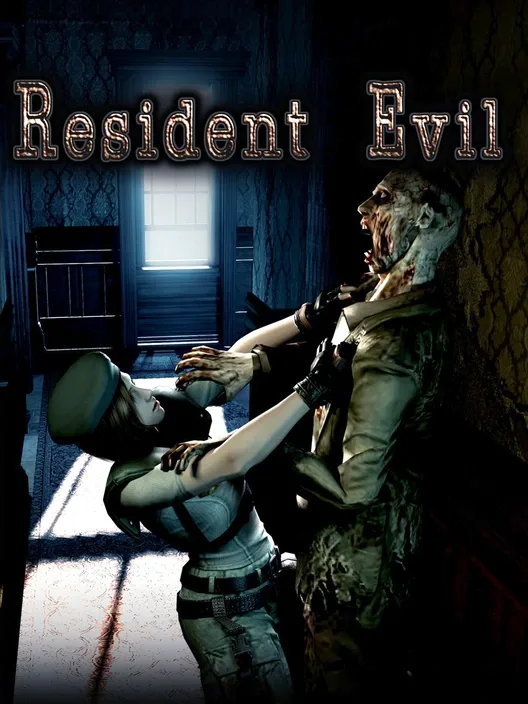
14. Resident Evil#
Capcom's 2002 remake of the 1996 original rebuilt the Spencer Mansion with new rooms, new enemies such as the Crimson Heads that return stronger if the corpses are not burned, and pre-rendered backgrounds of striking quality. Shinji Mikami's team kept the fixed camera and tank controls but increased the tension throughout. It holds a Metacritic score of 91 and is regularly named among the best remakes ever made. It also started the GameCube's association with Capcom horror. The dated points are the fixed camera, the limited ink ribbons, the inventory management and the door-loading animations that some find repetitive. A HD remaster followed later on other platforms, but the GameCube release remains the original showpiece for its lighting and art.
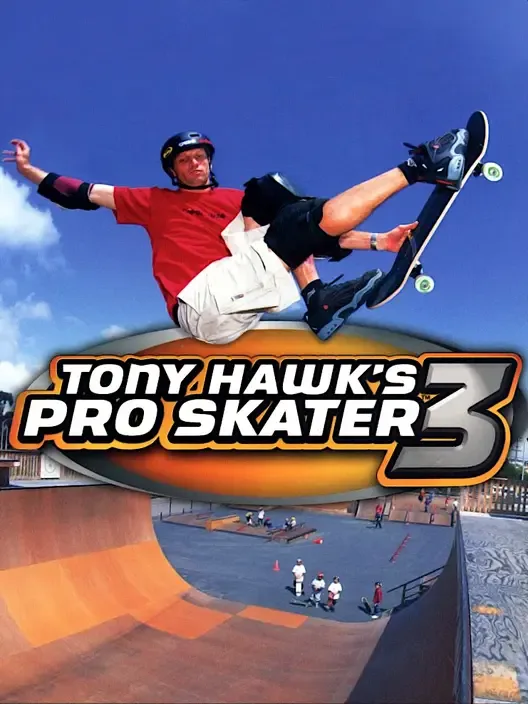
15. Tony Hawk's Pro Skater 3#
Neversoft's Tony Hawk's Pro Skater 3 reached the GameCube in 2001 and refined the series with the revert move, which made linking combos across ramps and grinds possible, and larger levels with more goals. It has a Metacritic score of 91. It is often considered the high point of the early series, with a licensed punk and hip-hop soundtrack that suited the game. The story of goals can be repetitive, the graphics are basic and it lacks the online play found on other systems, but the flow of the levels remains great fun. It set the standard for the sports action genre in the early 2000s and remains a highlight of the console's third-party library.
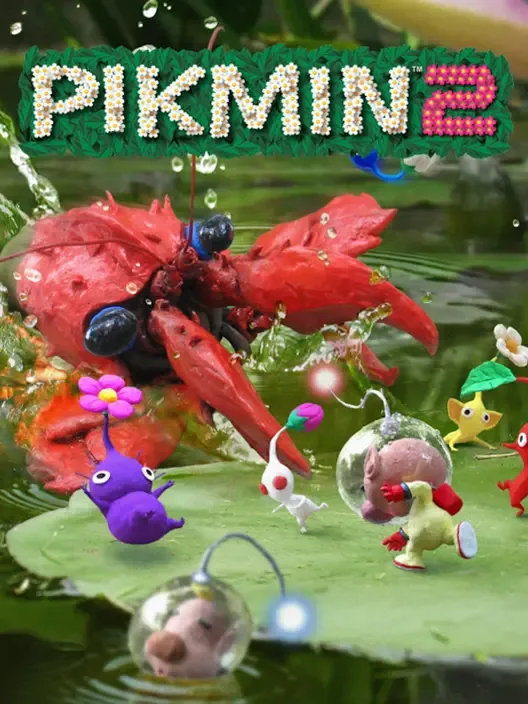
16. Pikmin 2#
Nintendo EAD's 2004 sequel removes the original's 30-day time limit and replaces it with an open-ended treasure hunt in which Captain Olimar and Louie collect items to pay off a debt. The caves, multi-floor underground levels, add roguelike tension, and Purple and White Pikmin offer new tactical options, plus a two-player competitive mode. It has a Metacritic score of 90, one point above the original. Its weaknesses include a steep cave difficulty and a change of tone from the tight structure of the first game, which some fans miss. It is often picked as the more complete package of the two and holds a strong following as a cult classic of Nintendo strategy.
17. Star Wars Rogue Squadron II: Rogue Leader#
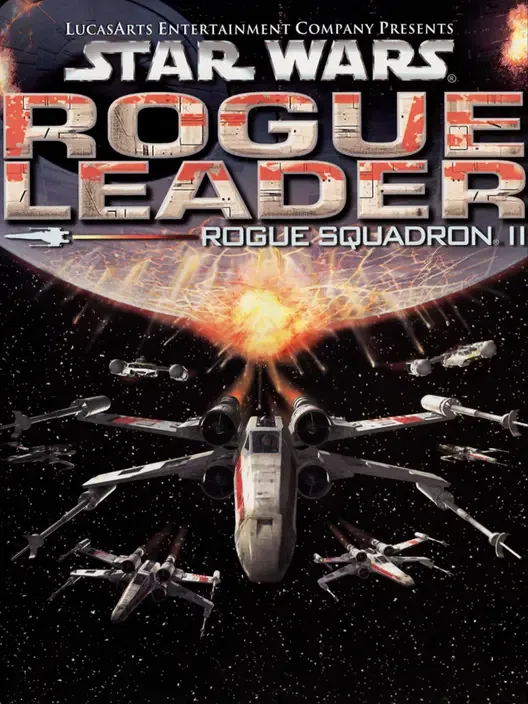
Factor 5 released Rogue Leader for the launch of the console in 2001 (in North America in November), and it was a graphical showpiece, packing detailed Star Wars battles, including the Death Star trench run, into a mission-based flight game. Its Metacritic score is 90. The audio, with John Williams' score and the original sound effects, made it one of the launch window's most impressive titles, and it is still considered one of the best Star Wars games. The missions are short and the difficulty can be uneven, and the controls take some adaptation for players used to modern flight games. It is best played on the GameCube itself, because the sequel and the original have never been widely re-released.
18. Pikmin#
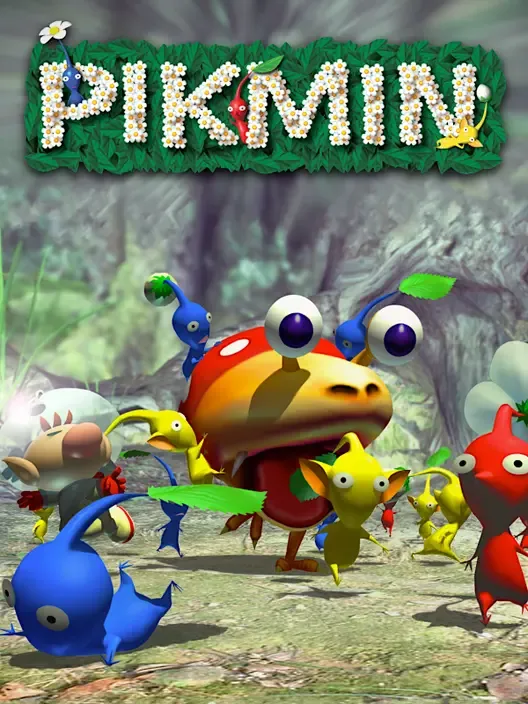
Shigeru Miyamoto's garden-inspired strategy game came out in 2001 as a new Nintendo franchise, with Captain Olimar stranded on an alien planet and 30 in-game days to recover the pieces of his ship. Commanding red, blue and yellow Pikmin to carry, fight and build is charming, and the tiny scale makes ordinary garden objects feel monumental. It holds a Metacritic score of 89 and was one of the few new franchises Nintendo launched in the era. The time limit that gives it tension also frustrates some players, and the game is short. It is best played on the GameCube, where the original controls remain the reference.
19. F-Zero GX#
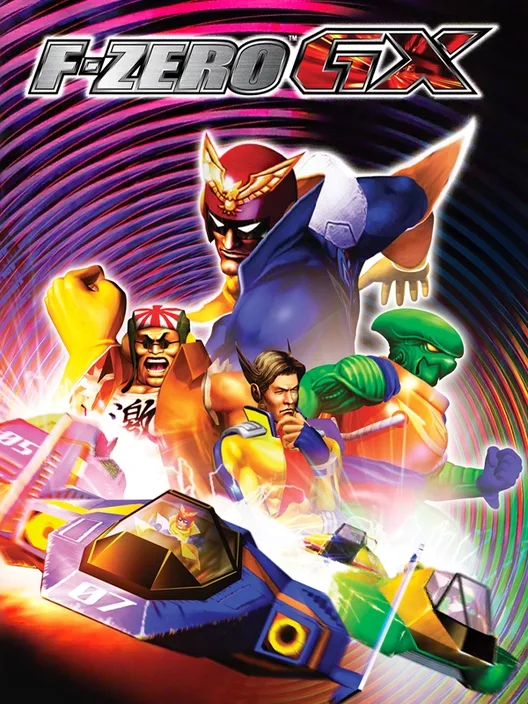
Amusement Vision, the Sega studio behind Super Monkey Ball, developed F-Zero GX in 2003 with Nintendo, and it is famous for a sense of speed rarely matched before or since. Tracks loop, twist and drop at a constant 60 frames per second, and the story mode, with its notoriously hard final chapter, tests mastery. It has a Metacritic score of 89 and is widely regarded as one of the fastest and most technical racing games ever made. Its steep difficulty and a limited number of tracks are the downsides, and the arcade sibling F-Zero AX was never fully replicated at home. It was never remastered for a later system in the way some peers were, so the GameCube remains the place to play it.
20. Star Wars Rogue Squadron III: Rebel Strike#
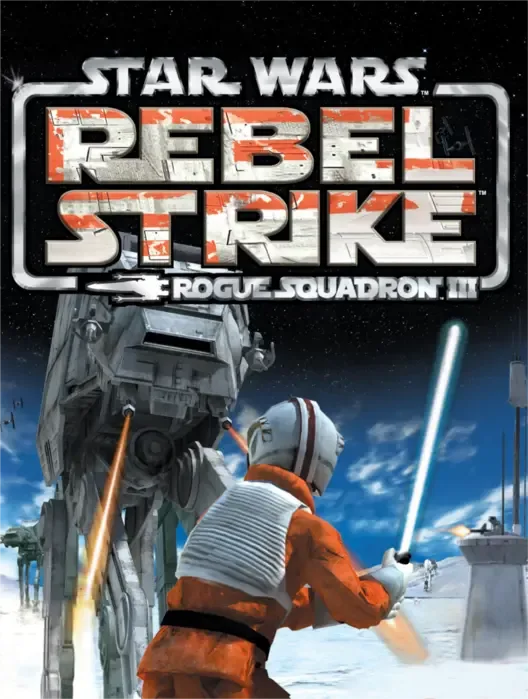
Factor 5 returned in 2003 with a third game that adds on-foot missions and a co-operative mode to the space and air combat of the series. It has a solid reception for the engine and content, and the campaign spans the original trilogy with a large number of levels. The mix of vehicle and ground missions is ambitious, but the on-foot sections are weaker than the flying, and the game is less refined than Rogue Leader. It offers a two-player co-op mode that was rare at the time. It is a worthwhile extension for fans of the previous game and among the last big Factor 5 releases for the console.
21. Burnout 2: Point of Impact#
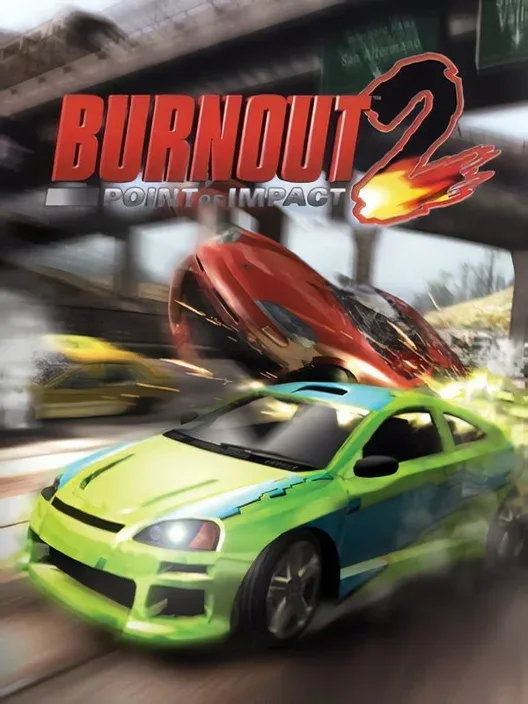
Criterion's Burnout 2 reached the GameCube shortly after its 2002 PlayStation 2 debut, and it added the famous Crash mode, where players cause the biggest possible pile-up at an intersection. Its Metacritic score is 89. The boost system rewards dangerous driving such as oncoming traffic and near misses, making every lap tense and thrilling. It is an important step in the series' evolution toward the later Burnout games. The car selection is small and the graphics are less polished than in later entries, and the sense of speed is mainly attained in the higher classes. It remains one of the best arcade racers on the console.
22. TimeSplitters 2#
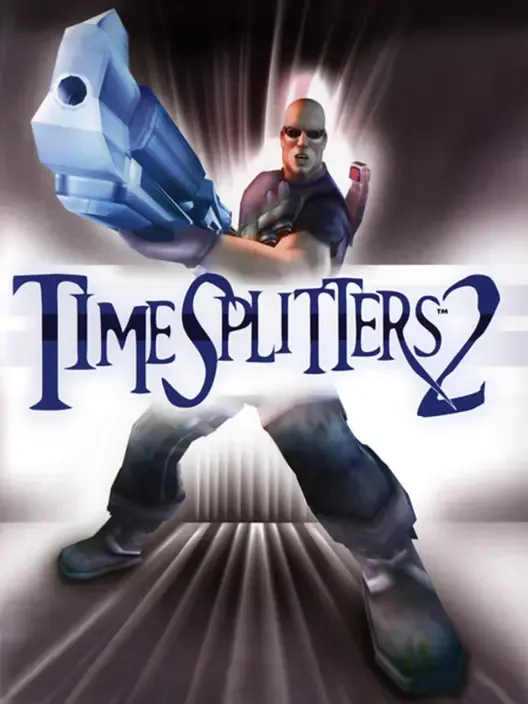
Free Radical Design, a studio founded by former GoldenEye 007 developers, released TimeSplitters 2 in 2002 as a fast first-person shooter with a time-travelling story and a level editor. It has a Metacritic score of 88 on the GameCube. Its arcade-style split-screen multiplayer, with bots and challenge modes, and its humour made it one of the best console shooters of its generation. The single-player story is slight, and the visual style is deliberately cartoonish. Critics often compare it with GoldenEye and Perfect Dark for its multiplayer legacy, and it is regarded as one of the best shooters that Nintendo players could get on the console.
23. Paper Mario: The Thousand-Year Door#
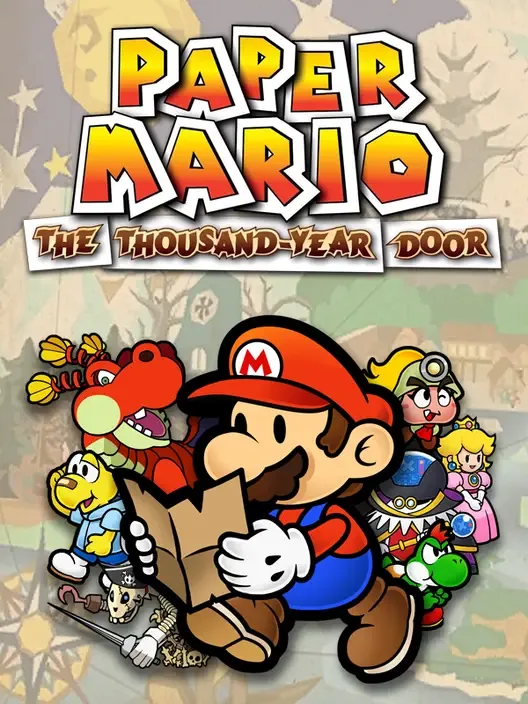
Intelligent Systems released The Thousand-Year Door in 2004, and it takes the Paper Mario formula of turn-based role-playing with timed button presses and gives it a theatre-stage setting, a crumpled sense of humour and a chapter structure built around the city of Rogueport. The Audience mechanic, in which crowds react to stylish attacks, lifts every fight, and the writing is regularly named among the best in any Nintendo game. It has a Metacritic score of 87 and has been widely named among the greatest role-playing games on the system. Its weaknesses are heavy backtracking in the middle chapters and a mostly plain reliance on the same core loop. It is still often cited by fans as the best entry in the Paper Mario series, and a remake for Nintendo Switch followed in 2024.
24. Mario Kart: Double Dash!!#
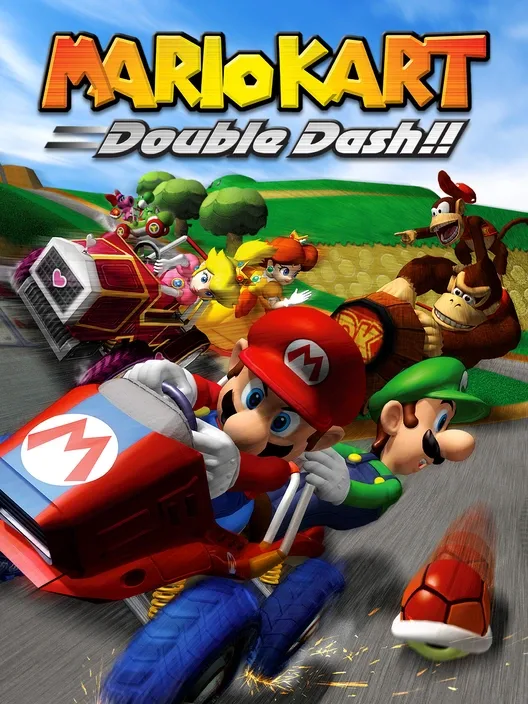
Nintendo EAD released Double Dash!! in 2003 with a signature twist: two riders share a kart, one driving and one throwing items, and characters have their own special items. It supports up to four players on one console and up to eight with LAN play, which made it a reliable party game, and it has a Metacritic score of 87. The courses and item combinations feel more chaotic than in other Mario Kart games. Fans note that the weight-based handling is unusual, the 150cc mode is steep, and later entries dropped the two-rider system. It remains one of the most distinctive entries in the series and a favourite among fans of split-second multiplayer racing.
25. Animal Crossing#
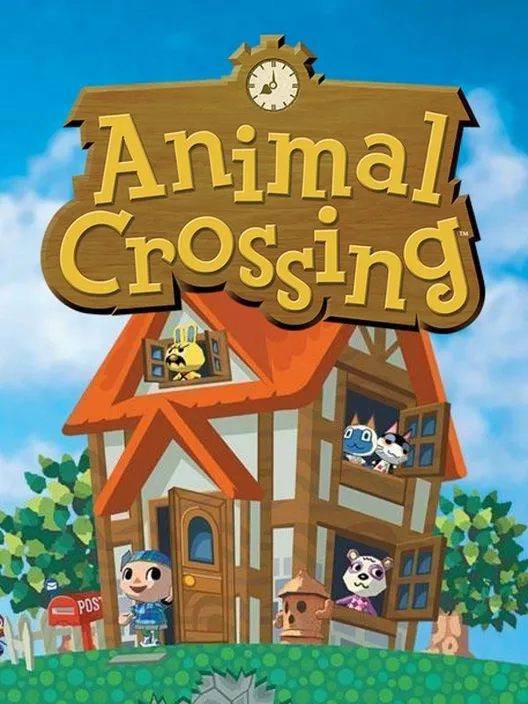
Nintendo EAD's Animal Crossing reached North America in 2002 as the series' first Western release, based on the Japanese Dōbutsu no Mori. Living in a village that runs in real time, with the console's clock deciding the season, the day and the events, makes a slow, relaxing life simulation of fishing, bug-catching, decorating and chatting with neighbours. It holds a Metacritic score of 87. The lack of a formal goal and the repetitive chores may put off some players, and the graphics are simple. Its charm and its ability to encourage daily play made it a forerunner of later Animal Crossing games and a template for the life-simulation genre on Nintendo consoles.
26. Beyond Good & Evil#
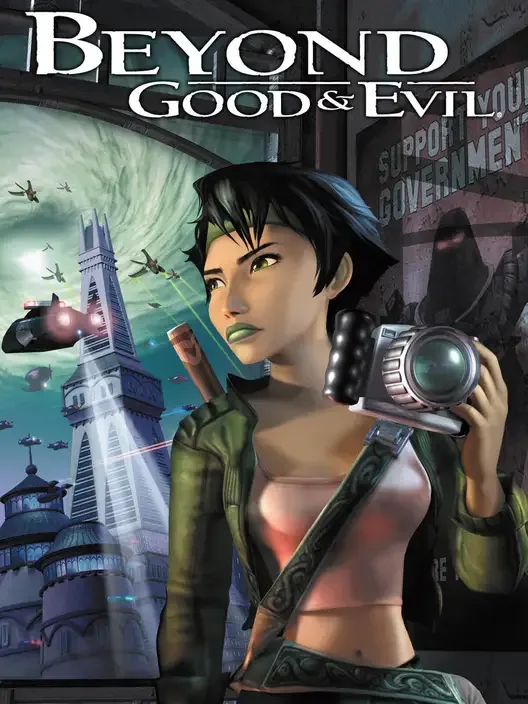
Ubisoft Montpellier's Michel Ancel created Beyond Good & Evil in 2003, a blend of adventure, stealth and photography in which Jade, a photographer, uncovers an alien conspiracy on the world of Hillys. It has a Metacritic score of 87 on the GameCube. It was a commercial disappointment on release but became one of the most cherished cult games of its generation, celebrated for its world-building, its music and its warm characters. Its stealth sections are simple and combat can feel basic, and the game is short. The GameCube version is well regarded, and a long-requested sequel was announced years later, which shows the lasting affection for the original.
27. Super Monkey Ball 2#
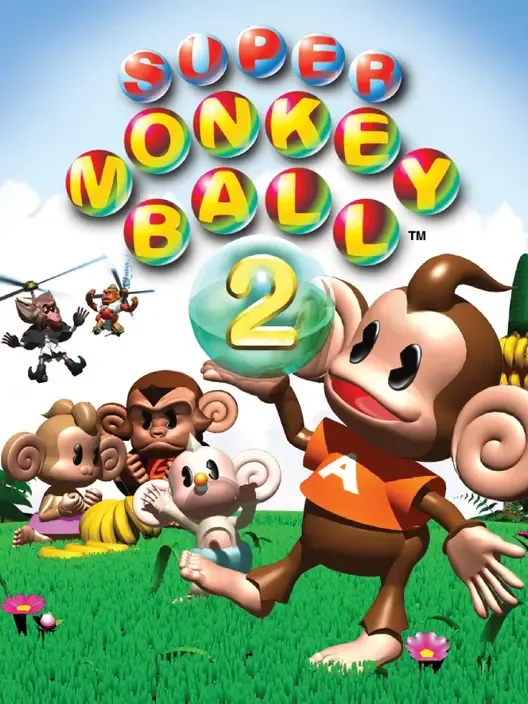
Amusement Vision's sequel came in 2002 with more polished stages, a story mode and a set of party games, on top of the tilt-the-maze formula of the original. It has a Metacritic score of 87. The basic idea of guiding a monkey in a ball through obstacle courses is easy to grasp but hard to master, and the party games, such as Monkey Billiards and Monkey Golf, extended the appeal. The later stages of story mode are very demanding, and the game can feel more of the same to fans of the first. It is often picked as the better of the two GameCube entries and a benchmark for the arcade puzzle genre on the system.
28. Super Monkey Ball#
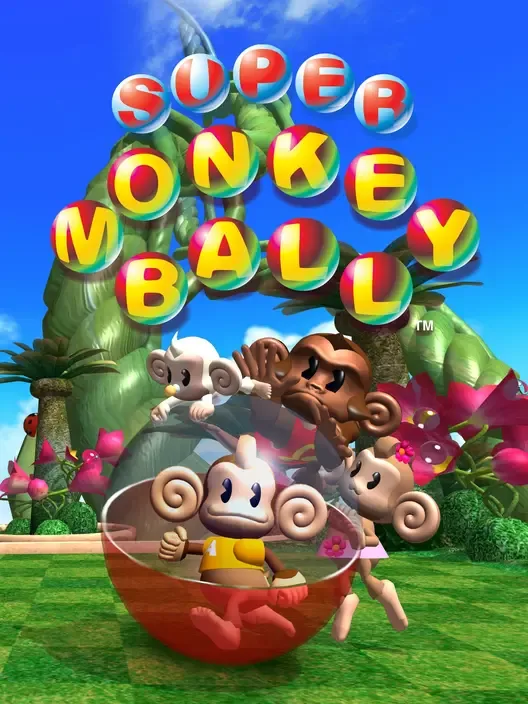
Amusement Vision's original 2001 launch title brought the arcade game to the GameCube, with the tilt-the-stage puzzle challenge that defines the series. It has a Metacritic score of 87. The tight controls, the physics and the three party games showed the appeal of quick pick-up play, and it remains a popular multiplayer game. The single-player challenge mode is very hard in the later worlds, and the design of the courses is simpler than the sequel. It is easy to pick up, difficult to master and an important early example of the console's fondness for arcade design.
29. Tales of Symphonia#
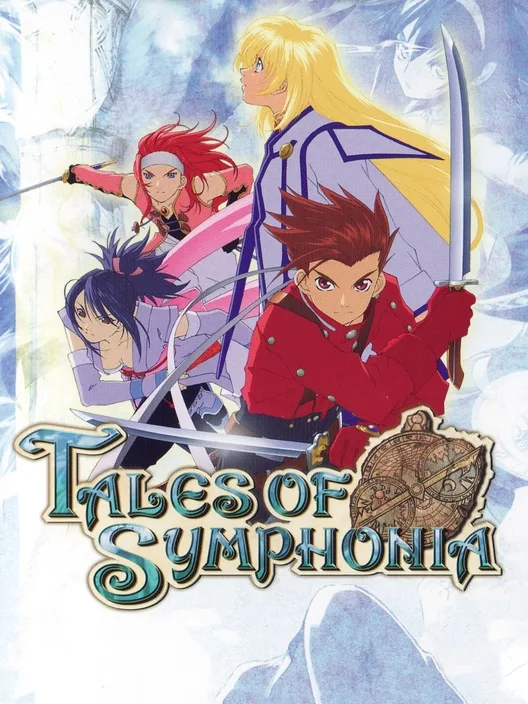
Namco Tales Studio released Tales of Symphonia in Japan in 2003 and in North America in 2004. It is a role-playing game with a real-time, side-on battle system and a story of two parallel worlds and a chosen one, Lloyd Irving, who sets out to regenerate the world. It has a Metacritic score of 86, and it was one of the strongest role-playing games on the console, at a time when Nintendo had few in the genre. The story starts as classic and turns darker, and the cooking and character-relationship systems reward exploration. The dungeons rely heavily on block puzzles, and the pacing slows in the second half. It gained a wide Western fan base and is often credited with bringing the Tales series to a bigger audience.
30. The Legend of Zelda: Four Swords Adventures#
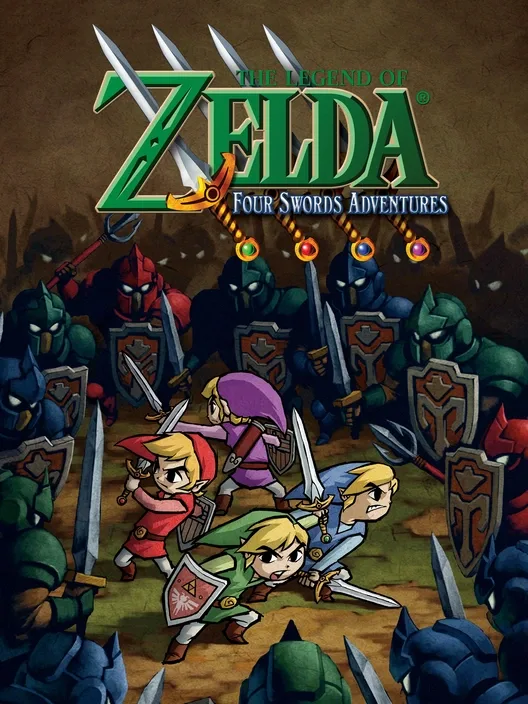
Nintendo EAD's 2004 spin-off is a top-down Zelda designed for up to four players, each with a Game Boy Advance connected by a link cable, which acted as an individual screen for caves and dungeon interiors. It has a Metacritic score of 86. The co-operative puzzles, collecting of Force Gems and inventive levels make it a distinctive multiplayer Zelda. The barrier is hardware: playing with others required several GBAs and cables, which limited how many players could enjoy it as intended. The single-player mode is still good, but the core of the experience is with friends. It remains one of the most unusual games in the Zelda series.
31. Viewtiful Joe 2#
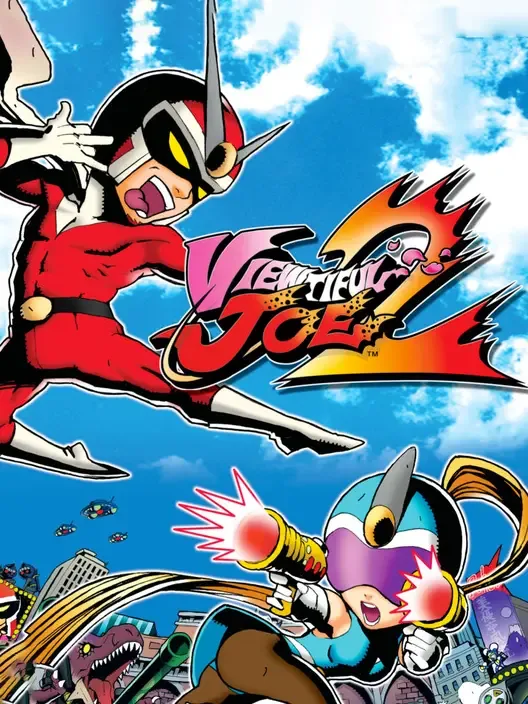
Clover Studio's 2004 sequel added Sylvia as a second playable character and new powers, keeping the stylish, time-bending beat-em-up formula. It has a Metacritic score of 86. The addition of a switch mechanic between two heroes adds depth, and the graphics remain among the most striking on the system. Critics found it a little too similar to the first game and felt that it added little in new ideas, but the boss battles and the arcade rhythm remain excellent. It was released on both GameCube and PlayStation 2, and is best played by fans who liked the first game.
32. Fire Emblem: Path of Radiance#
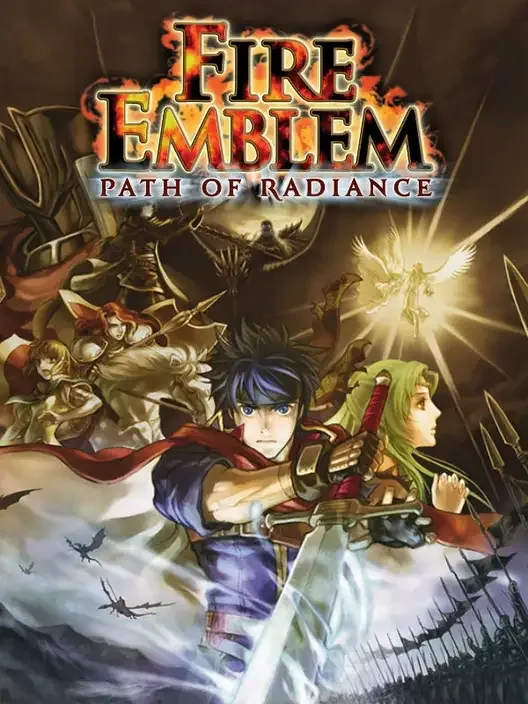
Intelligent Systems' 2005 release brought the tactical role-playing series to the GameCube in a full 3D form, following Ike and the Greil Mercenaries through a war between nations. It has a Metacritic score of 85. It was a key title in the series' Western growth after the success of Marth and Roy in Melee, and the weapon triangle, support conversations and permanent character death formed the base of the modern series. The difficulty and the slow pace of some chapters are drawbacks, and the graphics are basic compared with other games of the time. It is best played on the original GameCube, and its story of Ike continued in the Wii sequel Radiant Dawn.
33. Metal Gear Solid: The Twin Snakes#
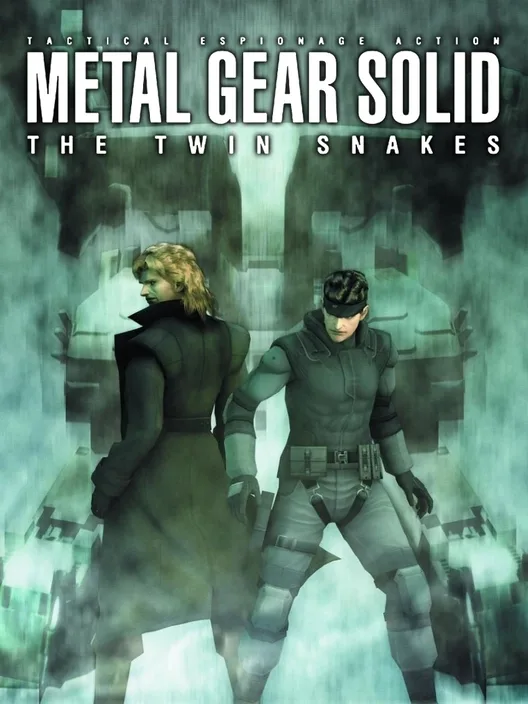
Silicon Knights remade the original Metal Gear Solid for the GameCube in 2004, with Konami and with cinematic sequences directed by Ryuhei Kitamura. It updates the 1998 game with the controls and mechanics of Metal Gear Solid 2, including first-person aiming and hanging from ledges. It holds a Metacritic score of 85. The stealth, boss fights and story of Solid Snake at Shadow Moses remain strong, and the game is generally praised for its visuals. The remake's over-the-top action cutscenes were divisive, and some argue the added mechanics upset the balance of the original design. It remains the only way to play that version of the game, since it has never been re-released on other platforms.
34. Skies of Arcadia Legends#
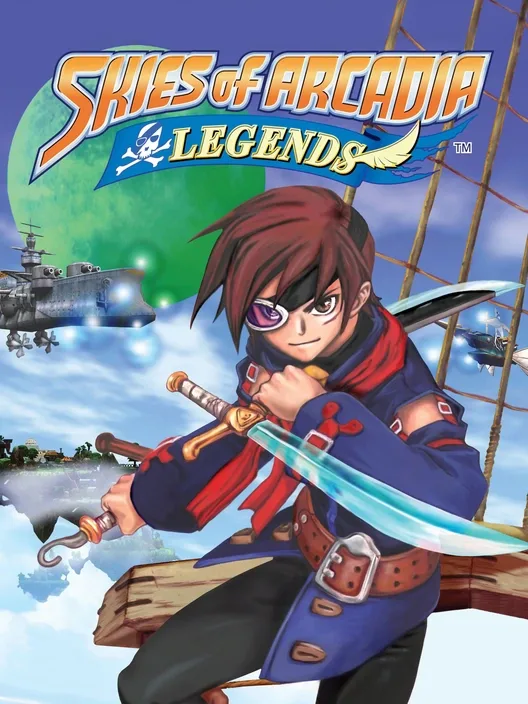
Overworks, a Sega studio, originally released Skies of Arcadia on the Dreamcast, and the GameCube version, Skies of Arcadia Legends, arrived in 2003 with additional side quests and extra content. It has a Metacritic score of 84 on the GameCube. Its story of sky pirates flying between floating islands, with an airship battle system, is one of the most charming role-playing adventures of its generation. The random battle rate is high, and the pace of fighting can grate, but the world and the tone are remarkable. It is included as one of the best role-playing games on the system and an example of Sega's support for Nintendo hardware.
35. Prince of Persia: The Two Thrones#
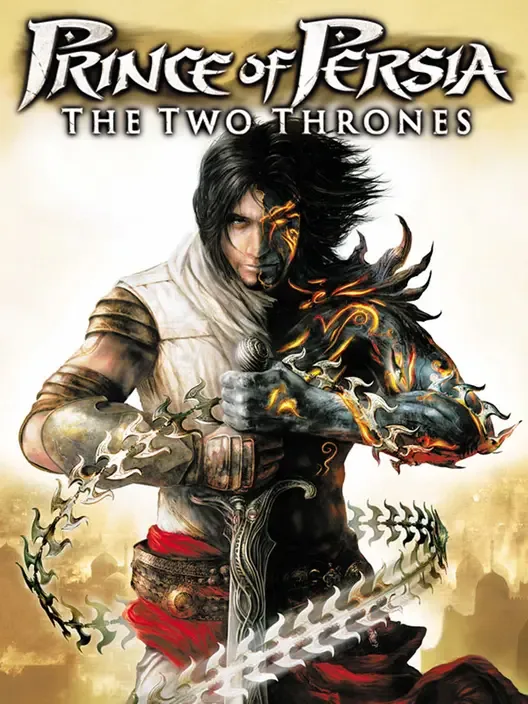
Ubisoft Montreal's concluding chapter to the trilogy came in 2005, and it brought the Prince back to Babylon with a split personality, the darker Dark Prince, who plays with a chain-like weapon. It has a Metacritic score of 84 on the GameCube. The speed-kill stealth system and the chariot chases added variety, and the story was praised for closing the trilogy with a sense of resolution. The Dark Prince's sections can feel rushed, and the mixture of platforming and combat is less elegant than in The Sands of Time. It is the more polished of the sequels and a worthwhile entry for fans of the series.
36. The Lord of the Rings: The Return of the King#
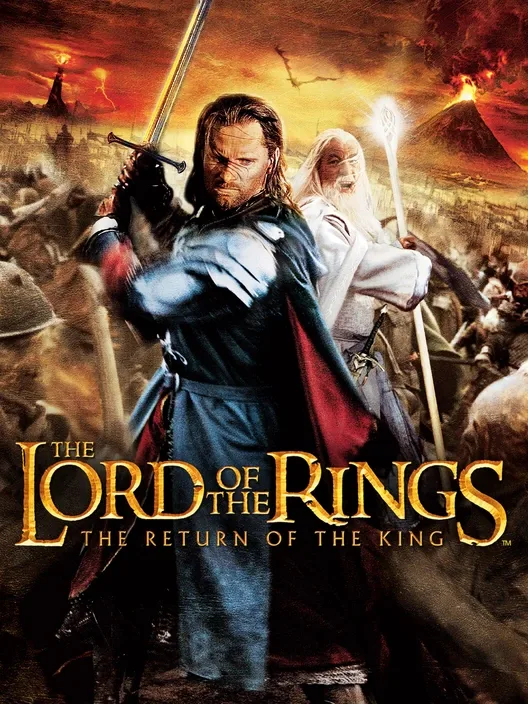
Electronic Arts' 2003 action game follows the film and is a brawler with a strong sense of scale and a two-player co-op mode. It has a Metacritic score of 84 on the system. It uses footage and audio from Peter Jackson's films, and the playable characters, from Aragorn to Gandalf, bring variety. The combat is repetitive over time and the levels are linear, but the co-op action and the film licensing make it one of the strongest movie games of its period. It is a good example of the console's licensed action games at their best.
37. Resident Evil Zero#
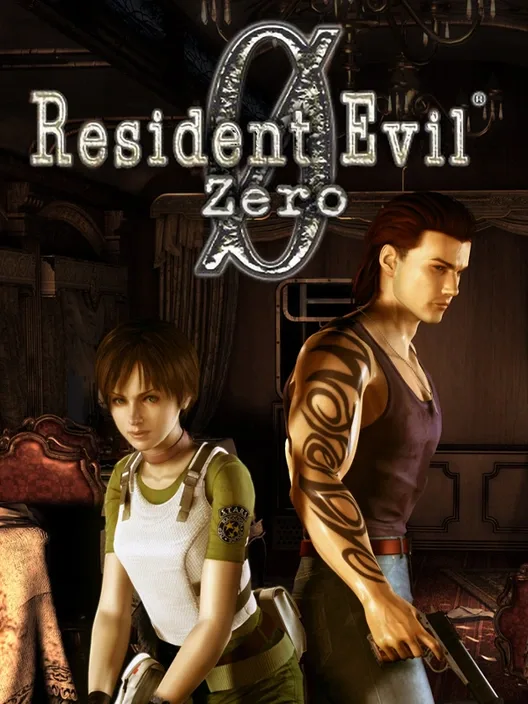
Capcom's Resident Evil Zero was released in 2002 as a prequel with two protagonists, Rebecca Chambers and Billy Coen, who can be swapped at will and share items. It has a Metacritic score of 83. The detailed pre-rendered backgrounds are among the most impressive of the series, and the partner system adds strategic depth to the inventory management. The lack of item boxes, which forces players to drop items on the floor, was a divisive choice, and the story is weaker than other entries. An HD version was released in 2016. It is a strong follow-up to the remake and a notable step in Capcom's GameCube support.
38. Hitman 2: Silent Assassin#
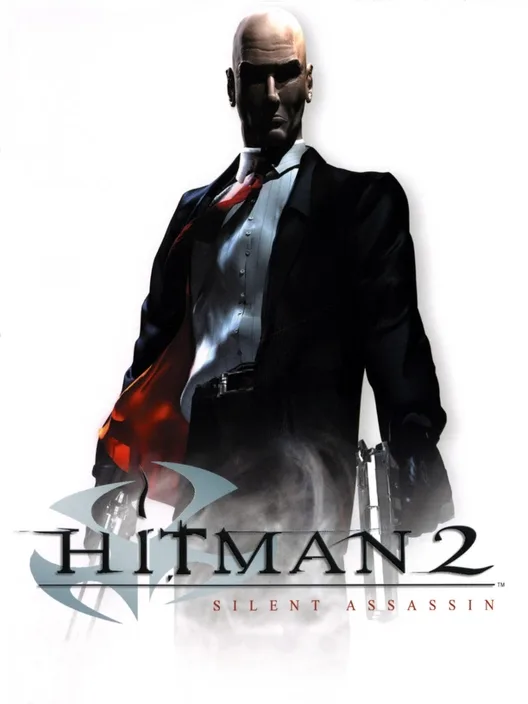
IO Interactive's 2002 stealth game sends Agent 47 on missions around the world, with sandbox-style levels and a wide choice of ways to remove targets. It has a Metacritic score of 83 on the GameCube. The disguise system, the level design and the score of Jesper Kyd were praised, and it is regarded as an important step toward the later Hitman games. The controls and the checkpoint system can be frustrating, and the artificial intelligence is inconsistent. It is a solid multiplatform release, and it shows how the GameCube's third-party catalogue supported mature stealth games.
39. Star Fox Adventures#
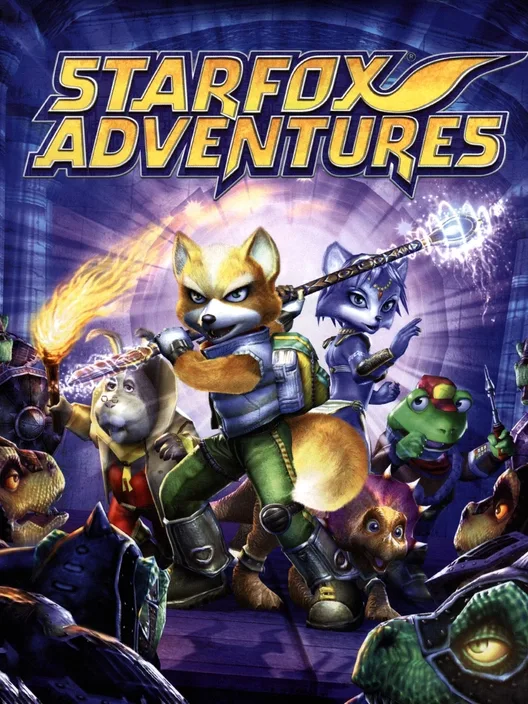
Rare's 2002 game began as Dinosaur Planet for the Nintendo 64 before being reworked into a Star Fox game, and it was one of the studio's last games for Nintendo hardware before Microsoft bought it in 2002. It has a Metacritic score of 82. Fox McCloud explores Dinosaur Planet in a Zelda-like adventure with a staff, puzzles and flying sections. It was praised as one of the best-looking games on the GameCube, notably for its fur shading. The change from the series' rail-shooter roots was controversial, and the pacing and the dialogue are uneven. It remains a good adventure and a graphical showpiece.
40. Tom Clancy's Splinter Cell: Chaos Theory#
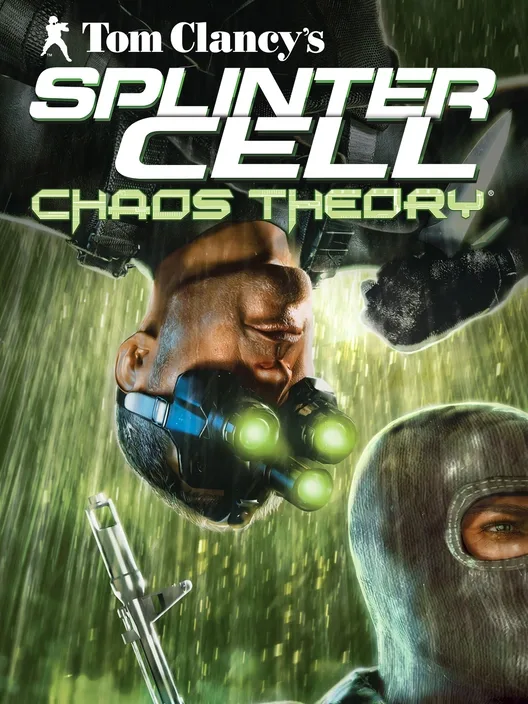
Ubisoft's 2005 stealth game sends Sam Fisher on a mission in a world of intelligence conflicts, and the GameCube version features the same dynamic lighting and stealth mechanics as the other consoles. Its GameCube Metacritic score sits in the low 80s, lower than on Xbox, where the game is generally rated as one of the best stealth games. It offers many ways to approach each level, and the sound and light systems make shadows a tool. The GameCube version has lower graphical fidelity, and multiplayer is missing. It is included as one of the strongest multiplatform action games available for the console.
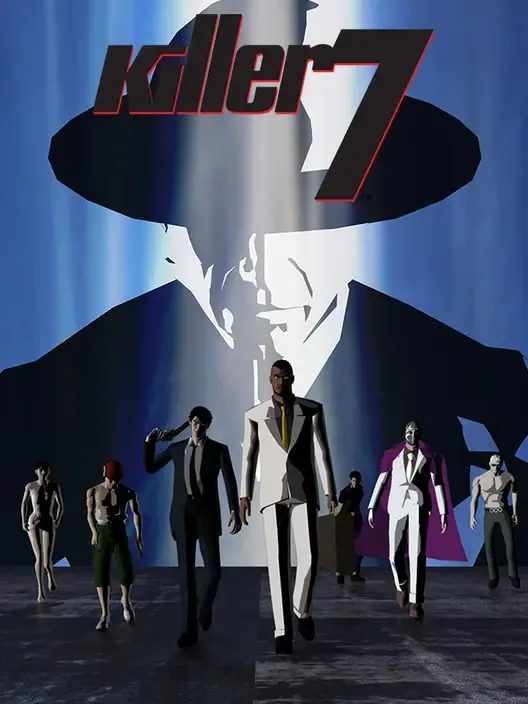
41. Killer7#
Grasshopper Manufacture's Suda51 directed Killer7 in 2005 with Capcom, and it is an experimental on-rails action game with a cel-shaded look, a surreal political plot and a set of assassin personalities who share one body. The Japanese and Western press were divided on release, but it developed a cult following and is often cited as a landmark of games as art. Its stylised presentation, with harsh colours and eerie music, is unlike any other GameCube game. The rail-based movement, sparse controls and cryptic narrative are the reasons for the division, and many players find the plot opaque. It has a place on this list for its originality and its influence on later Japanese auteur games. It is best played on the GameCube or the later PC release.
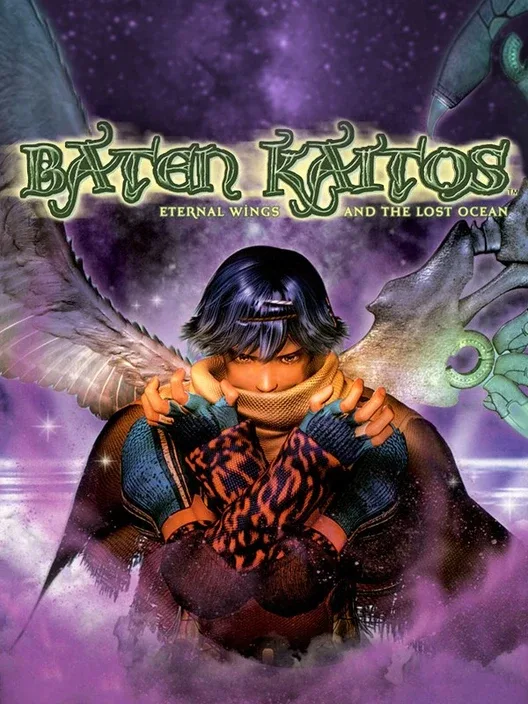
42. Baten Kaitos: Eternal Wings and the Lost Ocean#
Monolith Soft and tri-Crescendo's role-playing game, released in 2003 in Japan and 2004 in North America, uses a card-based battle system in which the deck is the party's arsenal, with cards that change over time. It has a Metacritic score of 80. The hand-painted backgrounds, orchestral music and imaginative floating-island setting were widely praised as some of the best on the console. The battle system is deep but demands attention and can feel slow, and the story is a familiar chosen-one plot. It is regularly named among the console's best role-playing games, and it has a devoted following.
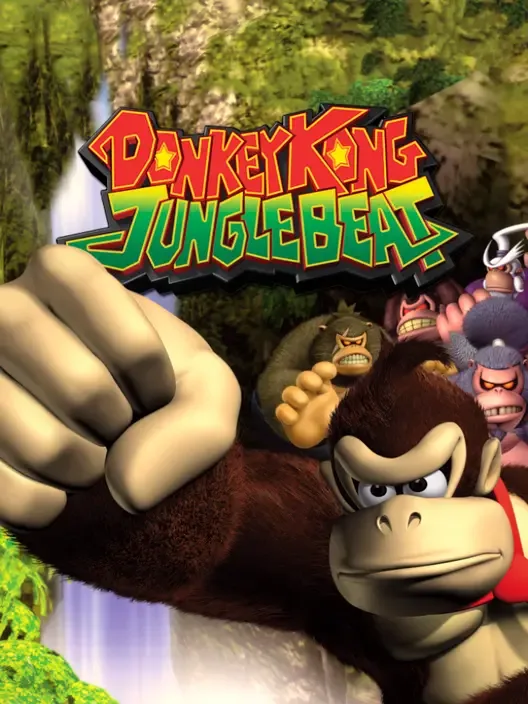
43. Donkey Kong Jungle Beat#
Nintendo EAD Tokyo released Jungle Beat in 2004 as a platformer played with the DK Bongos, in which drumming controls the movement and jumping of Donkey Kong. It has a Metacritic score of 80. The rhythm of the action and the collection of bananas as a combo meter encourage momentum, and the bright visuals and music fit the concept. The bongo controller is required for the original experience, which limits accessibility, and the levels are short. It was later re-released for Wii with standard controls, but the bongo version is the most distinctive expression of the idea and an example of Nintendo's experimental spirit.
44. Wave Race: Blue Storm#
Nintendo Software Technology's launch title from 2001 is a jet-ski racing game with impressive water physics. It has a Metacritic score of 80. Its dynamic waves, its weather effects and the buoy-based course design made it one of the most impressive technical showcases of the launch window. The tricks are limited, and the track count is small, which left some reviewers wanting more content than the previous Nintendo 64 game. The water simulation is the hero, and it remains a highlight of the early GameCube library, as well as the last game in the series to date.
45. Final Fantasy: Crystal Chronicles#
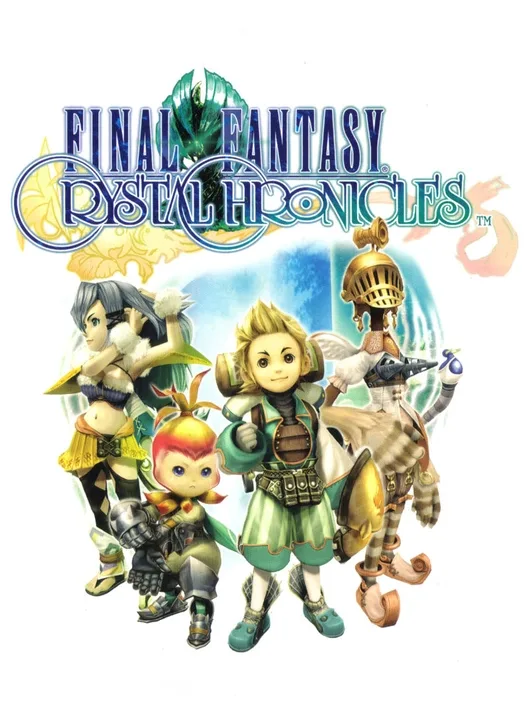
Square Enix's 2003 action role-playing game, developed by The Game Designers Studio, was a multiplayer adventure in which each player used a Game Boy Advance as a controller, and the caravan, carrying the crystal's protective myrrh, defined the journey. It has a Metacritic score of 80. The co-operative design and the attractive art style stood out, and it marked Square's return to Nintendo consoles. The hardware requirements of a GBA and cable for each player were a substantial barrier, and the single-player mode is less satisfying. It is best remembered as a bold, if awkward, multiplayer experiment.
46. Mario Power Tennis#
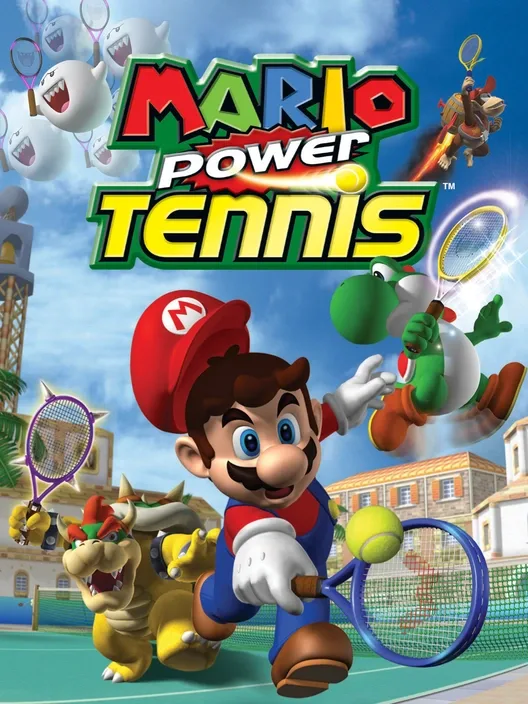
Camelot Software Planning, which had made Mario Tennis and the Golden Sun games, released Mario Power Tennis in 2004 with special power shots and themed courts from Mario history. It has a Metacritic score of 80. The tennis is easy to learn and remains fun with four players, and the range of character-specific abilities keeps the matches lively. The single-player content is thin, and the power shots can unbalance a match. It is one of the more accessible party games on the console and a solid example of Nintendo's sports spin-offs.
47. Luigi's Mansion#
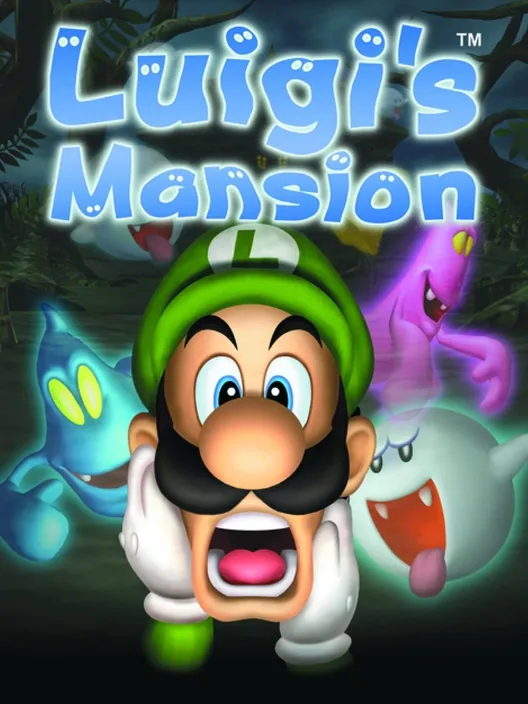
Nintendo EAD's Luigi's Mansion was a launch title in 2001 and made the green plumber the hero of a ghost-hunting adventure. With a vacuum called the Poltergust 3000, players capture ghosts in a haunted house, and the lighting and physics effects were an impressive showcase for the console. It has a Metacritic score of 78. Critics praised its atmosphere and inventiveness but complained about its short length, which was widely noted at launch, and that the game offered less content than a full Mario platformer. It launched a series that later reached the 3DS and Switch, and it is remembered fondly as a quirky Nintendo curiosity on the GameCube.
48. Chibi-Robo!#
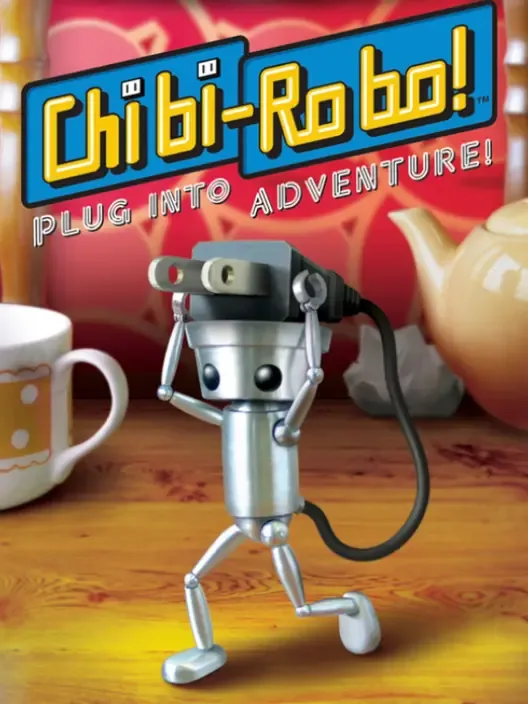
Skip Ltd. released Chibi-Robo! in 2005, a quirky adventure in which a tiny robot cleans a family's house, collecting happiness points for tasks and helping the toys and family members. It stands out for its warm tone, its melancholy family story and its unconventional structure. Critics praised its originality while noting its pacing and the slow controls. The daily time limit of the battery and the sometimes repetitive fetch tasks can wear thin. It gained a cult following and led to sequels on handheld consoles, and it closes this list as one of the most distinctive and heartfelt games on the GameCube.
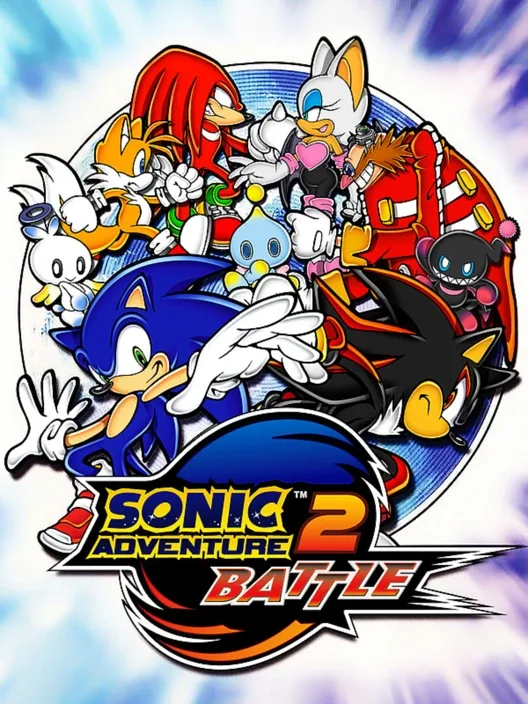
49. Sonic Adventure 2 Battle#
Sonic Team's 2001 Dreamcast game came to the GameCube as Sonic Adventure 2 Battle, with a two-sided story split between the heroes and Dr. Eggman's forces, including Shadow the Hedgehog. It was one of the first Sonic games on a Nintendo console, following Sega's exit from hardware. Its fast stages, such as the grind rails through San Francisco, and the soundtrack are a highlight. The treasure-hunting and mech stages divide fans, and the camera is unsteady. It is widely remembered as a landmark for the series and a symbol of the new relationship between Sega and Nintendo.
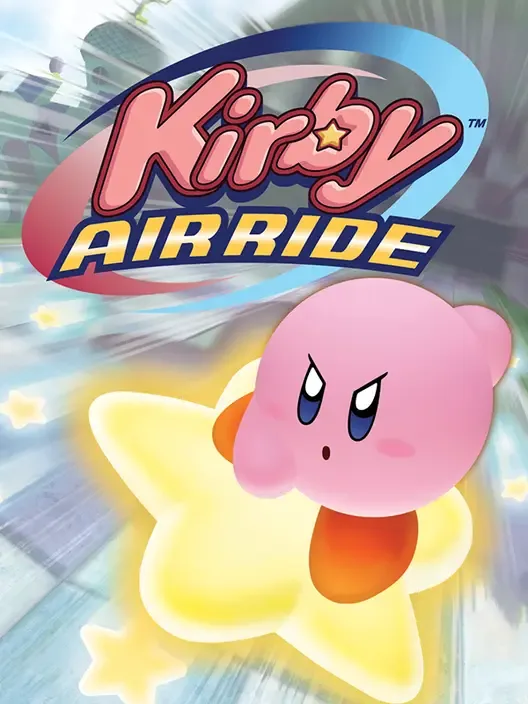
50. Kirby Air Ride#
HAL Laboratory's 2003 racing game is a simple two-button racer with a City Trial mode in which players collect power-ups and then compete in a final event. It was widely noted for its creative multiplayer mode and unlocks. The auto-accelerating Air Ride machines are easy to control, and the stadium events are great for groups. The single-player mode is short, and its critical reception was mixed on release, but it grew a devoted cult following. It is included for its lasting influence and the affection fans hold for City Trial.