
Mario and The Legend of Zelda are not capped, because the strongest games in those series are landmarks in their own right. Other franchises are limited so that no single series crowds out the rest: Pokémon, Metroid, Fire Emblem and their peers get at most three places, and everything else at most two. Only games developed or published by Nintendo are eligible, including titles made by partners such as Rare, Intelligent Systems and Retro Studios and released under the Nintendo label. Each game is listed once, under its original platform, and later ports and remakes are mentioned only where they are confirmed.
1. The Legend of Zelda: Ocarina of Time#
Nintendo EAD released Ocarina of Time in November 1998 for the Nintendo 64, and it turned Zelda into a 3D adventure while inventing much of the grammar later action games borrowed. Z-targeting made melee readable in three dimensions, and the split between child and adult Link gave Hyrule a sense of time and consequence. It holds a Metacritic score of 99 and a GameRankings average of 98 percent, among the highest scores ever recorded on those sites. Famitsu, Edge, Electronic Gaming Monthly and GameSpot all gave it perfect marks, and Game Informer, Edge and IGN each named it the greatest game ever at different points. Its age shows in a blocky look, a low frame rate and a Water Temple remembered for menu-swapping boots. The 3DS remake from 2011 is the smoother way to play it, and Nintendo has announced a Switch 2 remake scheduled for November 5, 2026.
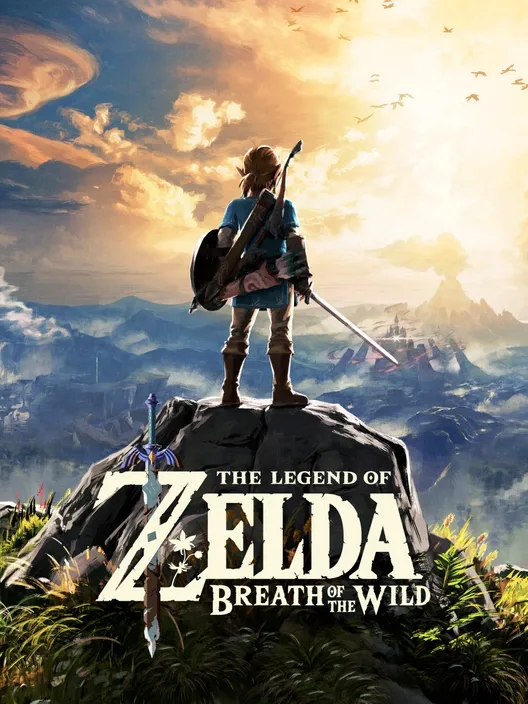
2. The Legend of Zelda: Breath of the Wild#
Nintendo EPD released Breath of the Wild in March 2017 for Switch and Wii U, discarding Zelda's linear dungeon structure for a Hyrule that can be explored in almost any order. Chemistry and physics rules let players burn grass, ride a shield down slopes and solve shrine puzzles in several ways, while the paraglider makes every tower and peak a destination. It holds a Metacritic score of 97, Famitsu gave it a perfect 40 out of 40, and it won Game of the Year at The Game Awards 2017 and at the D.I.C.E. Awards. Weapons break quickly, the four Divine Beasts are short, and its sequel builds far more on the same foundation. It is playable on Wii U, Switch and, since June 2025, Switch 2.
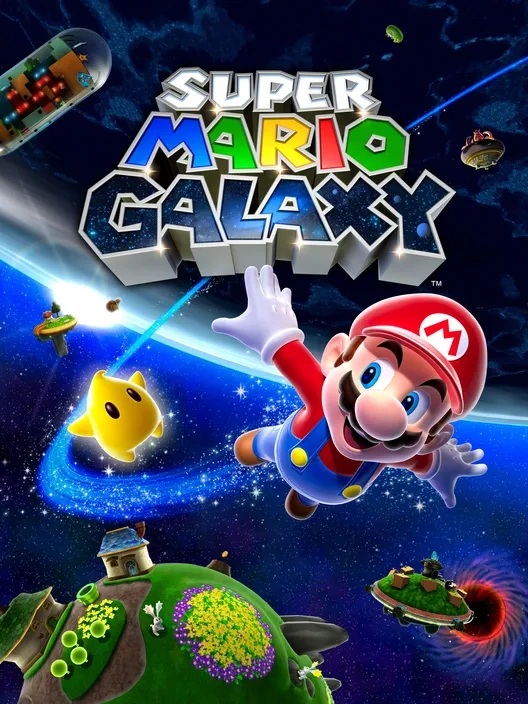
3. Super Mario Galaxy#
Nintendo EAD Tokyo released Super Mario Galaxy in November 2007 for the Wii, sending Mario across tiny planets where gravity bends around every sphere. The idea sounds like a gimmick and works as a constant source of surprise, because each galaxy introduces a mechanic, plays with it briefly and moves on before it wears out. Mahito Yokota's orchestral score lifts the whole adventure into something closer to a fairy tale. It holds a Metacritic score of 97, and GameRankings once listed it as the highest-rated game with at least twenty reviews. It took Game of the Year honors from IGN and GameSpot, was named Game of the Generation by Eurogamer and IGN, and was the first Nintendo game to win the BAFTA for Best Game. The camera can fight the geometry and the story is deliberately thin. An enhanced Switch release of both Galaxy games arrived in October 2025.
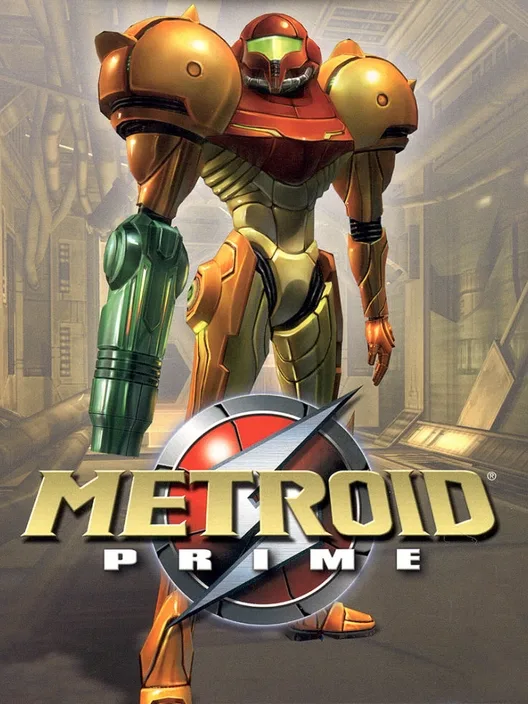
4. Metroid Prime#
Retro Studios released Metroid Prime in November 2002 for the GameCube, and few predicted that a Texas studio could turn Samus into a first-person adventure without losing what made Metroid great. Instead of a shooter, it is a scanning, exploring and backtracking game, where the visor reveals lore and secrets in every room of Tallon IV. Its atmosphere, from the rain-soaked Chozo Ruins to the Phazon-corrupted mines, is some of the best environmental design of its decade. It holds a Metacritic score of 97 and took Game of the Year honors from GameSpot, Edge and Electronic Gaming Monthly, among others. IGN placed it 23rd on its 2012 all-time list. The final act leans on backtracking and a boss rush that tests patience. Metroid Prime Remastered on Switch, released in 2023 with a Metacritic score of 94, is the best way to play today.
5. Super Metroid#
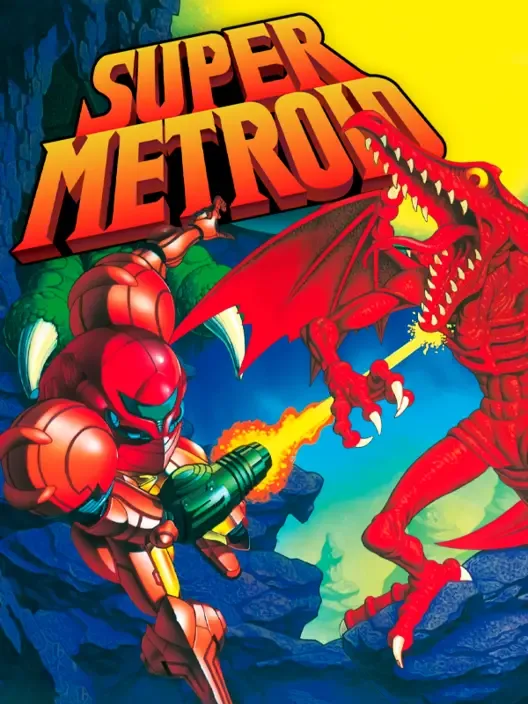
Released in March 1994 for the Super Nintendo, Super Metroid sent Samus back to planet Zebes with an interconnected map that rewards curiosity, backtracking and sequence breaking. Almost every upgrade changes how the world reads, and the atmosphere, from the flooded caverns of Maridia to the silence of the opening, teaches players to feel alone without a line of dialogue. Electronic Gaming Monthly named it the best game of all time in 2003, IGN placed it third that same year, and it holds a GameRankings average of 97 percent. Alongside Castlevania: Symphony of the Night it gave its name to the Metroidvania genre. The caveat is that its map and hints are cryptic by modern standards, and some upgrades are easy to miss without a guide. It remains the reference point for every 2D Metroid that followed.
6. Super Mario Odyssey#
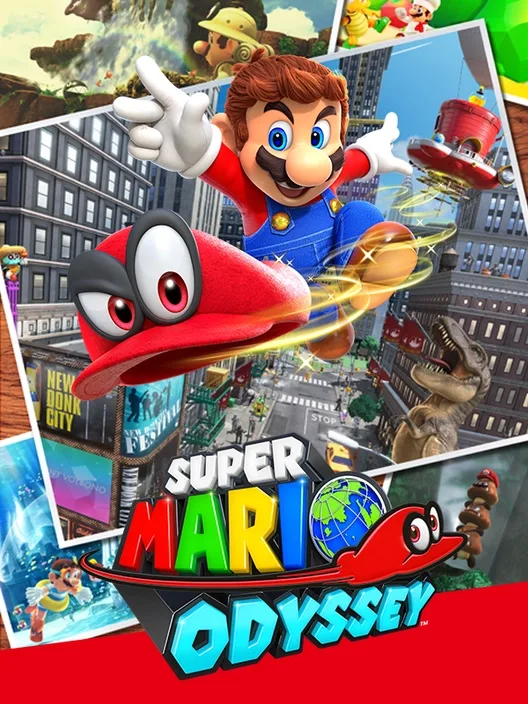
Nintendo EPD released Super Mario Odyssey in October 2017 for Switch, and its hat-throwing Cappy turned the 3D Mario sandbox into a game about possession. Mario can capture frogs, tanks and dinosaurs, and every kingdom is built around a different idea, packed with hidden Power Moons that make exploration the point. It holds a Metacritic score of 97 from 114 reviews and a Famitsu score of 39 out of 40, and it ranks among the highest-rated games on OpenCritic. It won Best Family Game at The Game Awards 2017 and was nominated for Game of the Year. Its story is minimal, and the sheer number of moons, many of them handed out for little effort, can dilute the sense of achievement. It has sold more than 30 million copies, and it remains one of the Switch's essentials.
7. Super Mario Galaxy 2#
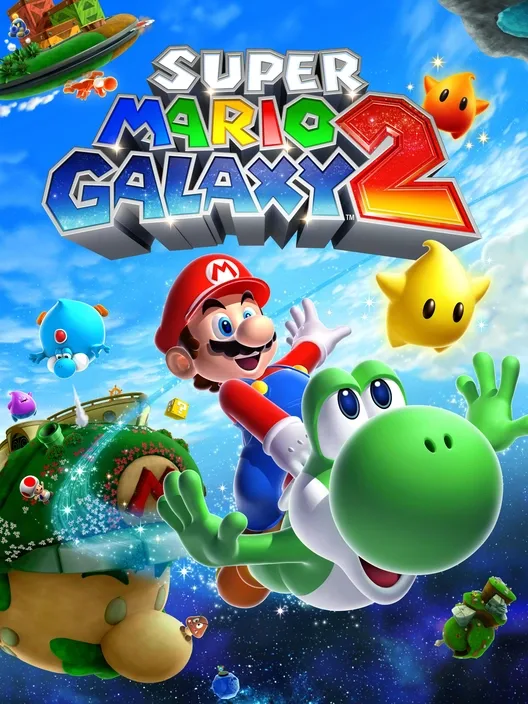
Nintendo EAD Tokyo released Super Mario Galaxy 2 in May 2010 for the Wii, and rather than reinventing the formula it packed in as many new ideas as the hardware would hold. Yoshi returns with his flutter jump, the drill and cloud suits change how a level plays, and the galaxies are shorter and denser, so almost every one introduces a trick and moves on. It holds a Metacritic score of 97, and Metacritic ranked it the best game of the 2010s on its decade list. Reviewers pointed to a more direct structure than the first game, with a world map in place of the Comet Observatory hub. That map also means it feels less like a place and more like a menu of levels, and the story is even thinner than before. It is a direct sequel built on the first game's engine, so the surprise is smaller, but the level design is arguably sharper.
8. The Legend of Zelda: Tears of the Kingdom#
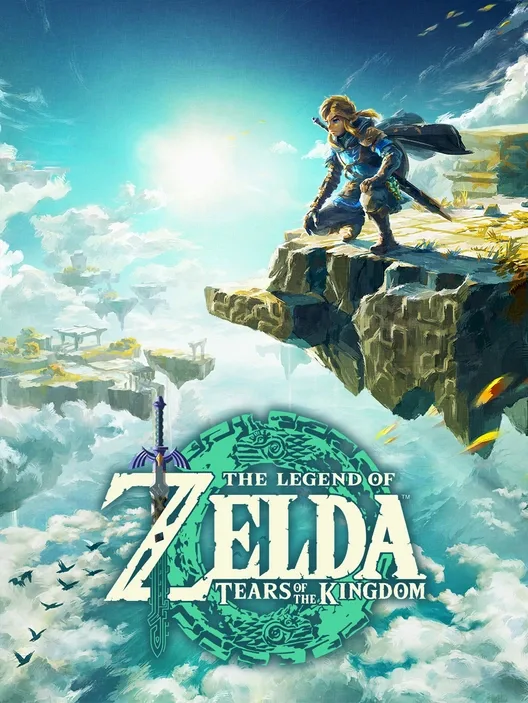
Nintendo EPD released Tears of the Kingdom in May 2023 for Switch, and it answered a genre-defining game by adding vertical depth: sky islands above Hyrule and a huge Depths below. Ultrahand and Fuse let players build vehicles and weapons from almost anything they find, and puzzle solutions are limited mostly by imagination. It holds a Metacritic score of 96, and the Switch 2 Edition scored 95. IGN, GameSpot, Destructoid and Edge all chose it as their game of the year, and it won at the Game Developers Choice Awards and the Japan Game Awards. It sold over 10 million copies in three days. Some reviewers noted frame-rate issues, and the map feels less fresh than in its predecessor because it reuses the same surface Hyrule. It is playable on Switch and Switch 2.
9. The Legend of Zelda: The Wind Waker#
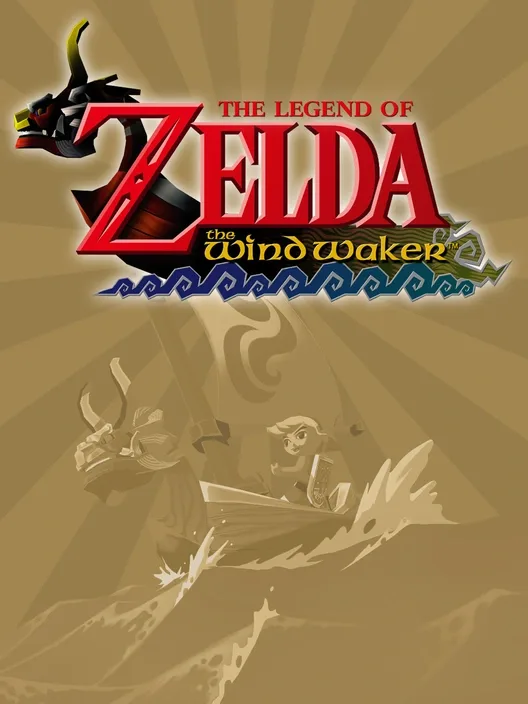
Nintendo EAD released The Wind Waker in December 2002 in Japan for the GameCube, and its cel-shaded, animated look divided fans on release before becoming one of the most admired styles in the series. Sailing across a flooded Hyrule with the wind as a tool, plus an expressive Toon Link, gives the adventure a sense of wonder that a realistic art style would not have reached. It holds a Metacritic score of 96 from 80 reviews, Famitsu gave it a perfect score, and it won the Interactive Achievement Award for art direction. Sailing takes time, the Triforce shard hunt near the end is a notorious slog, and the game sold only 4.6 million copies. Its reputation has grown steadily since, and The Wind Waker HD on the Wii U from 2013 holds a Metacritic score of 90.
10. GoldenEye 007#
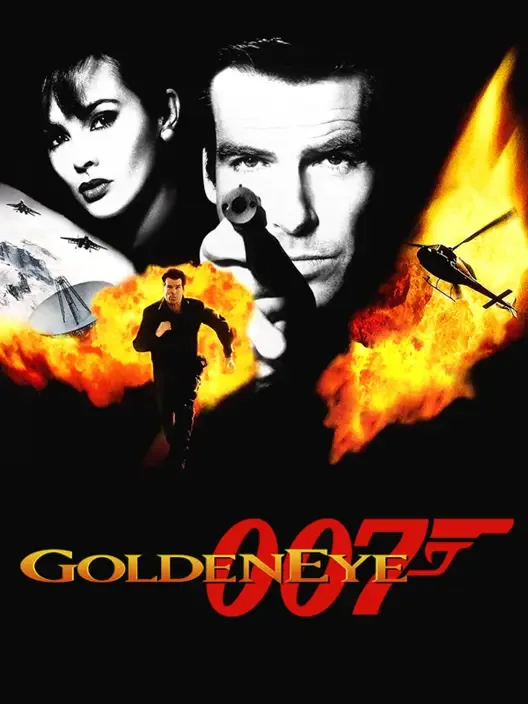
Rare released GoldenEye 007 in August 1997 for the Nintendo 64, and it proved that a first-person shooter could thrive on a console with an analog stick. Its missions vary their objectives by difficulty level, so replaying on Agent, Secret Agent or 00 Agent feels like a different game, and its four-player split-screen mode became the definition of couch multiplayer. It holds a Metacritic score of 96 and won a BAFTA and several Academy of Interactive Arts and Sciences awards, including Console Game of the Year. It sold more than eight million copies, making it the third best-selling Nintendo 64 game. Published by Nintendo with the Bond license, it is the most notable non-Nintendo-developed game in the N64 catalog. The frame rate is low, the controls are imprecise next to modern shooters, and enemy behavior is stiff.
11. Super Mario World 2: Yoshi's Island#
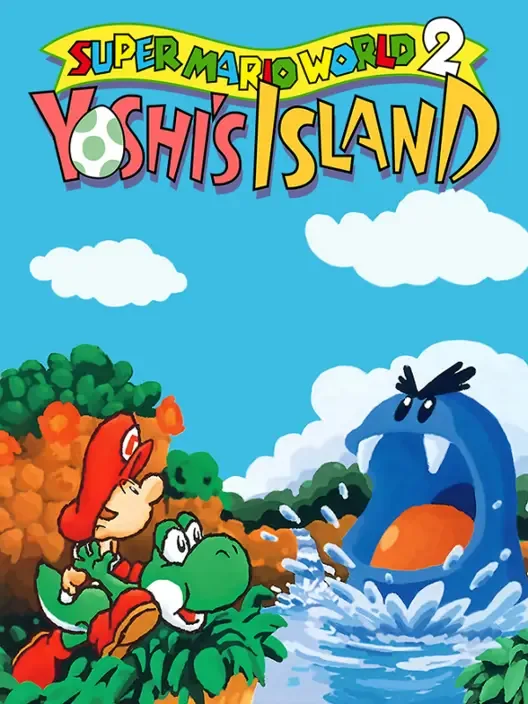
Nintendo EAD released Yoshi's Island in August 1995 in Japan for the Super Nintendo, giving Yoshi the lead while carrying baby Mario on his back. The crayon-and-watercolor art style broke sharply with the pre-rendered look popular at the time and has aged better than almost any 16-bit graphics. Yoshi's flutter jump, egg throwing and transformations create a rhythm distinct from the main series. GameRankings averaged it at 96 percent, IGN ranked it 15th on its 2014 list of the greatest Nintendo games, and the 2002 Game Boy Advance port holds a Metacritic score of 91. It sold over four million copies on the SNES. Baby Mario's crying can wear on players, and reviewers noted it is more linear than its predecessor. Full completion is demanding, but it remains one of the most beautiful 2D games.
12. Super Mario Bros. 3#
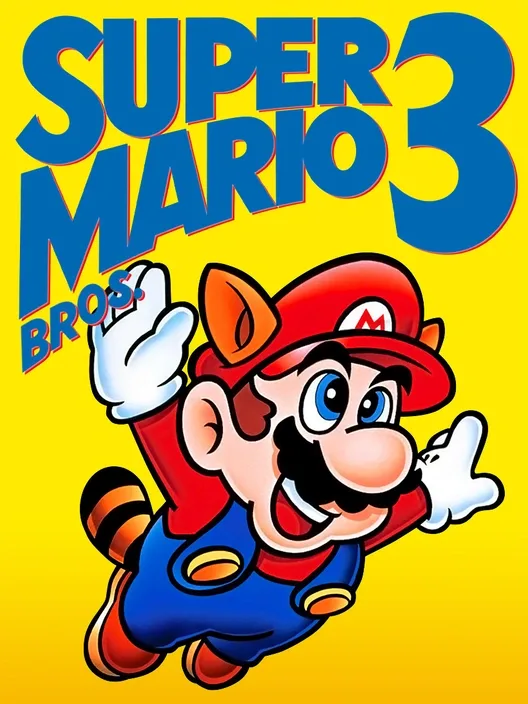
Released in Japan in 1988 and in North America in 1990 for the NES, Super Mario Bros. 3 expanded the original with a world map, power-ups such as the Raccoon Leaf and Tanooki Suit, and airships that end each world. Its level design is a masterclass in introducing an idea and then twisting it, and the hidden warp whistles and card mini-games gave it replay value. Computer and Video Games gave it 98 percent and called it the Mona Lisa of gaming, it reached the top of Nintendo Power's reader chart in 1990, and Game Informer placed it ninth on its 2009 top 200. It sold more than 17 million copies, making it the third best-selling NES game. It is often cited as the point when the platformer became a mature genre. There is no save system, and some fortress stages are unforgiving.
13. The Legend of Zelda: A Link to the Past#
Nintendo EAD released A Link to the Past in November 1991 in Japan for the Super Nintendo, and it defined the top-down Zelda template. Its two-world structure, in which the Light World and the Dark World mirror each other, was a brilliant way to make one map feel like two, and dungeons built around a single item remain a model for the series. The Chicago Tribune named it best game of 1992, tied with Street Fighter II. Entertainment Weekly called it the best game of all time in 2006, Game Informer placed it 12th on its 2009 top 200, and IGN ranked it second on its all-time list. The caveats are a stiff sword system and an item-hunting stretch in the Dark World that can be confusing without a guide. It was also ported to the Game Boy Advance in 2002.
14. The Legend of Zelda: Majora's Mask#
Nintendo EAD released Majora's Mask in April 2000 in Japan for the Nintendo 64, built on the Ocarina of Time engine. Its three-day time loop, with a moon falling on Termina, turns a Zelda into a strange, melancholy study of a town's residents, and the Bombers' Notebook rewards players who follow their schedules. The transformation masks changed how Link plays, and the mood remains unlike anything else in the series. It holds a Metacritic score of 95 from 27 reviews and appears regularly on greatest-games lists. Jeff Gerstmann of GameSpot found the time pressure frustrating, and the dungeon count is small. It sold far less than its predecessor, at about 3.4 million copies. A 3D remake for the Nintendo 3DS was released in 2015.
15. The Legend of Zelda: Twilight Princess#
Nintendo EAD released Twilight Princess in November 2006 as a launch title for the Wii, with a GameCube version following in December as the console's last first-party game. Originally planned for GameCube alone, it was delayed to refine it and add Wii controls, and it took a darker, more realistic tone than The Wind Waker. Link can turn into a wolf, and the Twilight Realm sections change how Hyrule looks and plays, while the dungeons are among the best-designed in the series. It holds a Metacritic score of 95 on Wii and 96 on GameCube, and won several game of the year awards. Its opening hours are slow, the overworld is large and often empty, and the Wii pointer aiming feels bolted on. The dungeons and the boss fights are the reason it stays high on critic lists.
16. Super Mario 64#
Nintendo EAD released Super Mario 64 in June 1996 in Japan as a launch title for the Nintendo 64, and it showed how a platformer could work in three dimensions. The analog stick, the free camera and the hub-and-painting structure made Peach's castle a playground where each course could be approached in different ways, and Mario's acrobatics are still a joy to control. It holds a Metacritic score of 94 and a GameRankings average of 96 percent. It appeared on greatest-games lists from IGN, Game Informer and Electronic Gaming Monthly, and it became the best-selling Nintendo 64 game. The camera is the weak point, since it can be blocked by geometry and does not always find the angle the player wants. The polygonal look is dated, but the movement remains the reference for 3D platformers.
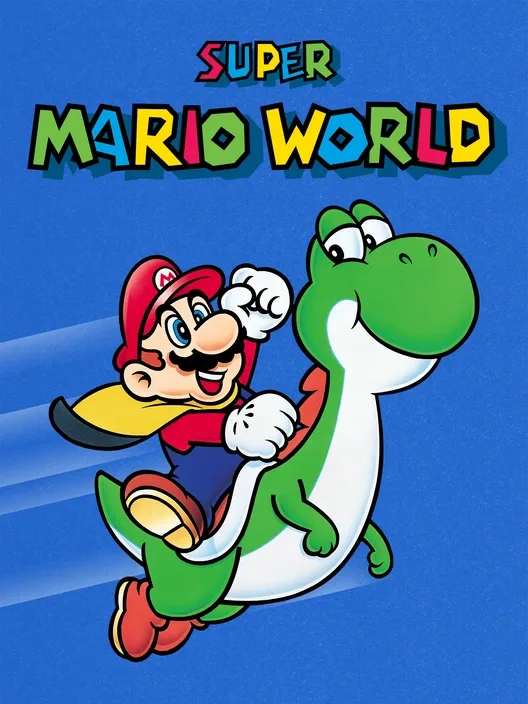
17. Super Mario World#
Nintendo EAD released Super Mario World in November 1990 in Japan as the launch title for the Super Famicom, and it made the platformer feel like a place. Yoshi, the cape feather, secret exits and a sprawling map full of alternate routes rewarded curiosity, and the level design has an unrivaled momentum. GameRankings placed it 78th among all games with a 94 percent average, and the Game Boy Advance version holds a Metacritic score of 92. It became the best-selling Super Nintendo game with over 20 million copies, and Shigeru Miyamoto has named it his favorite Mario game. It is a smaller game than the 3D entries and lacks their spectacle, and the Special Zone stages are demanding.
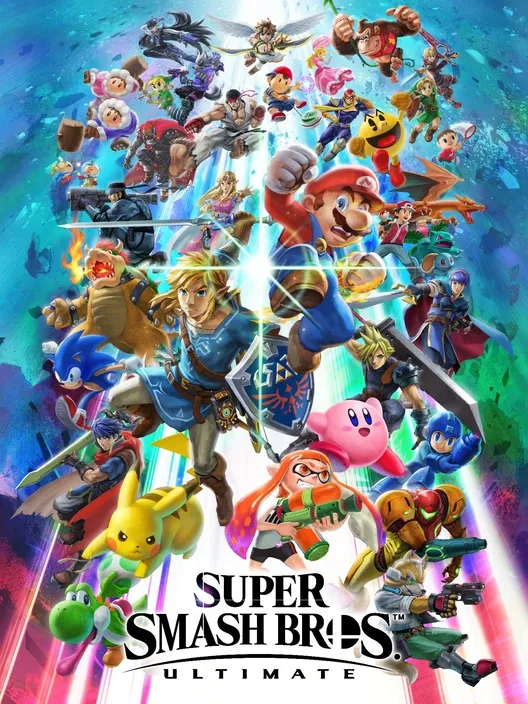
18. Super Smash Bros. Ultimate#
Sora and Bandai Namco Studios developed Super Smash Bros. Ultimate for Nintendo, released in December 2018 for Switch, gathering every fighter from the series' history into a single crossover, with 74 in the base game and 89 after the paid DLC. Its roster, stages and huge music library make it a celebration of gaming, and its simple rules of knocking opponents off the screen keep it approachable for a mixed group. It holds a Metacritic score of 93 and won Best Fighting Game at The Game Awards 2019, plus the Japan Game Awards grand prize. It is the best-selling fighting game ever. The online mode suffered from lag and matchmaking problems, and the World of Light adventure is long and repetitive. Competitive players also still prefer the speed of Melee. Its scale is the point, and no other crossover has come close.
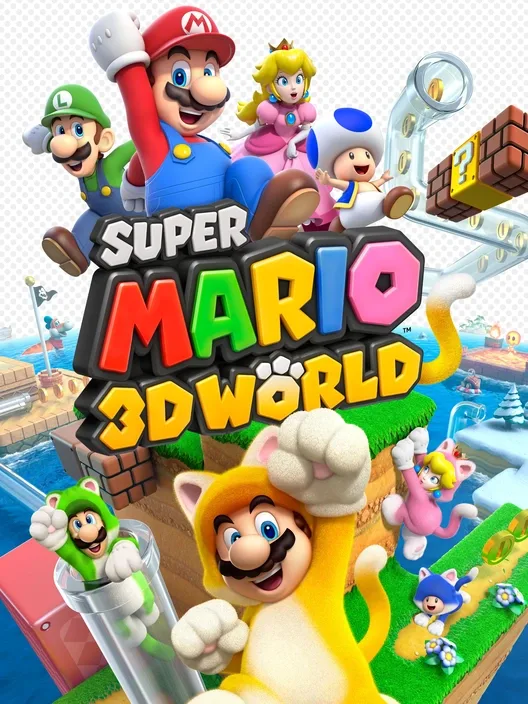
19. Super Mario 3D World#
Nintendo EAD Tokyo released Super Mario 3D World in November 2013 for the Wii U, and it blended the linear stages of the classic games with the free movement of the 3D ones. Four players can run through the levels together, the cat suit lets Mario climb walls, and every stage brings a new idea, often played out with a rhythm and polish that few games match. It launched to a small Wii U audience, with about 107,000 copies sold in Japan in its opening week, but critics rated it among the best games on the system, with a Metacritic score of 93 for the original. The Switch version, Super Mario 3D World + Bowser's Fury, arrived on February 12, 2021 and holds a score of 90. The stages are shorter and more linear than in Odyssey or Galaxy, and single-player is easy until the final worlds.
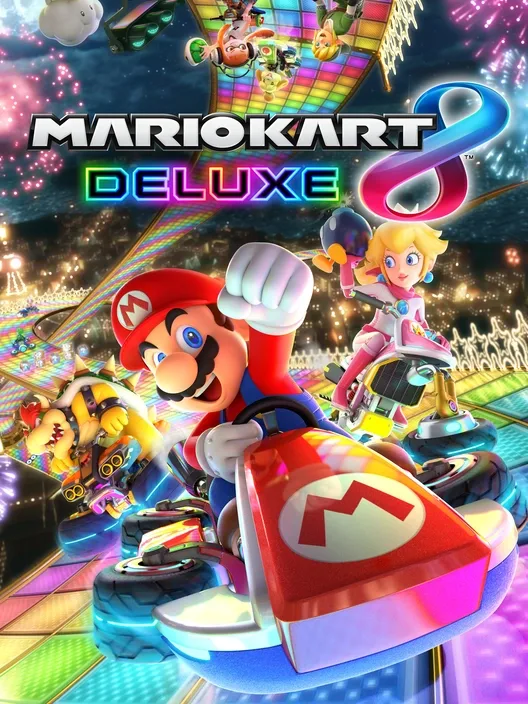
20. Mario Kart 8 Deluxe#
Nintendo released Mario Kart 8 Deluxe in April 2017 for Switch, an enhanced version of the 2014 Wii U original, which holds a Metacritic score of 88. Its anti-gravity tracks, tight drifting and eight-player local and twelve-player online races made it the definitive kart game for a generation, and the Booster Course Pass later added 48 more tracks, for 96 in total. The Switch version holds a Metacritic score of 92 and became the best-selling Switch game, with more than 67 million copies. The Battle Mode was rebuilt as a proper arena, and Smart Steering makes it welcoming to newcomers. Random items, especially the blue shell, remain the source of the most frustration, and the extra tracks were a paid add-on. Its successor Mario Kart World is a Switch 2 game, but Deluxe remains a focused and balanced racer.
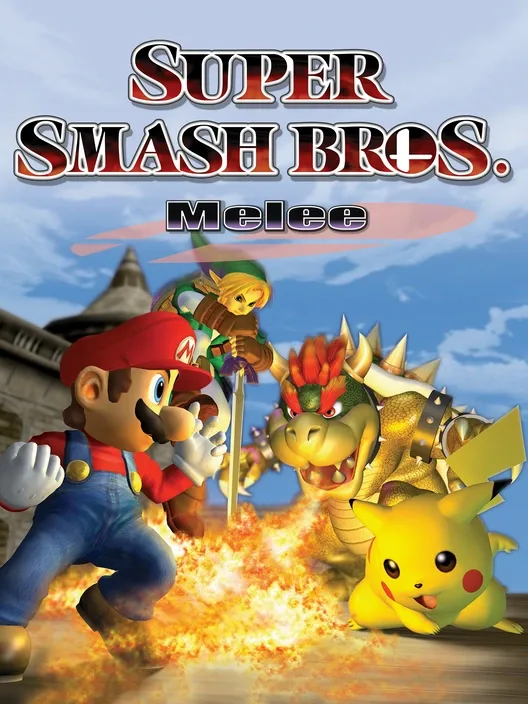
21. Super Smash Bros. Melee#
HAL Laboratory released Super Smash Bros. Melee in November 2001 in Japan for the GameCube, and it turned a curiosity into a phenomenon. It doubled the roster to 25 fighters, introduced Fire Emblem's Marth and Roy to Western players, raising awareness of the series outside Japan, and brought a faster, more technical fighting system that still drives a competitive scene at tournaments such as Evo. It holds a Metacritic score of 92, and IGN said it was in an entirely different league from the N64 game. It sold over seven million copies, the best-selling GameCube game. Game Informer ranked it the second best fighting game of all time in 2019. The single-player modes are thin compared with Ultimate, and its competitive depth is partly accidental, which makes it a cult favorite rather than an approachable one.
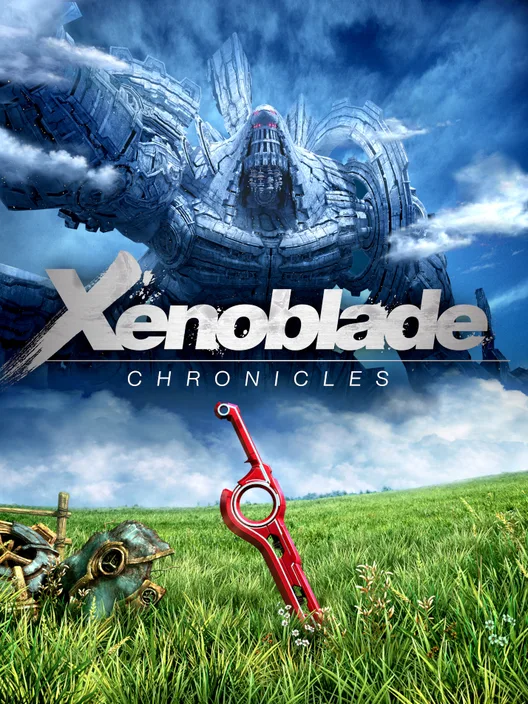
22. Xenoblade Chronicles#
Monolith Soft released Xenoblade Chronicles in June 2010 in Japan and in 2012 in North America for the Wii, after a fan campaign called Operation Rainfall pushed it westward. The setting, the bodies of two colossal frozen gods, allowed for huge, gorgeous fields, and the real-time combat, with the Monado's visions of the future, made the battle system more dynamic than turn-based conventions. It holds a Metacritic score of 92 on Wii and was celebrated as a triumphant comeback for the Japanese role-playing genre. Many side quests are simple fetch tasks, and the original's low resolution looks rough. Xenoblade Chronicles: Definitive Edition on Switch, released in 2020 with a Metacritic score of 89, adds remastered music, an updated interface and an epilogue called Future Connected.
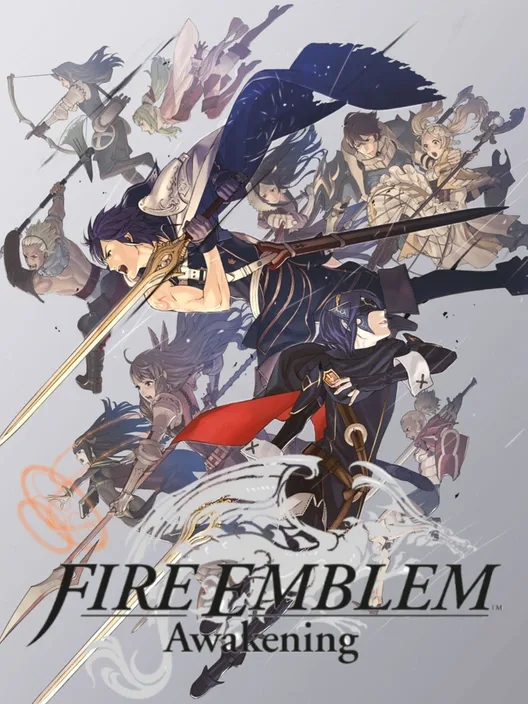
23. Fire Emblem Awakening#
Intelligent Systems released Fire Emblem Awakening in April 2012 in Japan and in February 2013 in North America for the 3DS, at a time when the series was close to being cancelled. It added a relationship system in which pairing up characters unlocks support conversations and marriages, and the cast's children join the fight, while casual mode let newcomers try the tactics without permanent losses. It holds a Metacritic score of 92 from 72 reviews, ranked second on IGN's list of the top 25 3DS games, and sold well beyond Nintendo's expectations, which ensured the series would continue. The second half of the story turns generic, and the time-travel plot relies on tropes. It is a 3DS game.
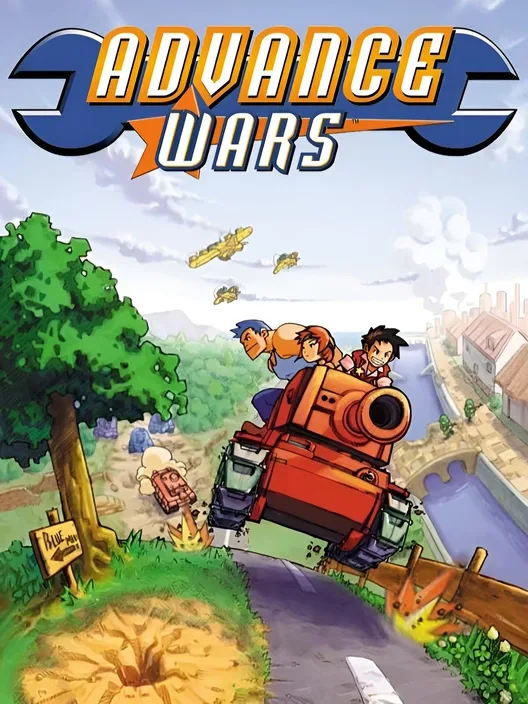
24. Advance Wars#
Intelligent Systems released Advance Wars in September 2001 in North America for the Game Boy Advance, and its turn-based tactics made military strategy approachable on a handheld. Building units, capturing cities and using commanding officers with unique powers create a system that is easy to learn and hard to master, while the bright art style softens the war theme. It holds a Metacritic score of 92, IGN gave it 9.9 out of 10, and the Academy of Interactive Arts and Sciences named it Hand-Held Game of the Year. Its success convinced Nintendo of the Western audience for tactics and helped bring Fire Emblem westward. The late campaign missions can force restarts after a single mistake. Advance Wars 1+2: Re-Boot Camp on Switch, released in April 2023, is the easiest way to play it.
25. Donkey Kong Country 2: Diddy's Kong Quest#
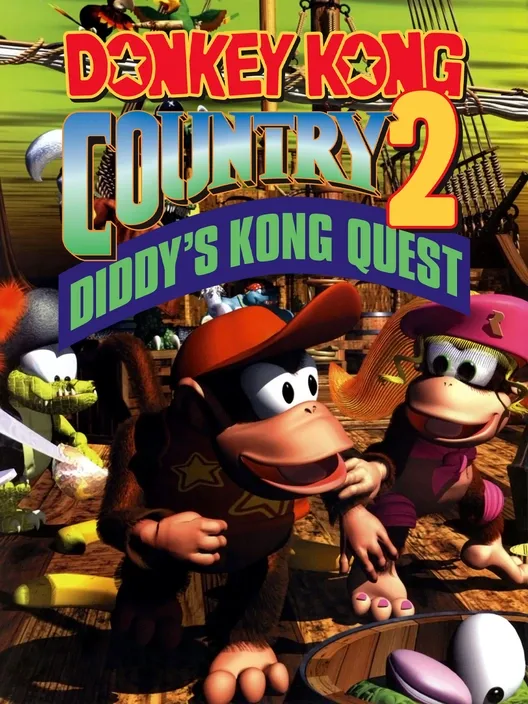
Rare released Donkey Kong Country 2 in November 1995 for the Super Nintendo, and it is widely regarded as a high point of the trilogy. Diddy and Dixie work through pirate-themed levels with rope swings, bramble climbs and honey-covered walls, and each stage hides a bonus challenge that makes exploration worth the risk. David Wise's soundtrack, in particular Stickerbrush Symphony, is regularly named among the best in gaming. It holds a GameRankings average of 92 percent, won several game of the year awards, and sold more than four million copies in the United States and Japan alone, the second best-selling game of 1995 behind Yoshi's Island. Reviewers noted that it mostly refines the first game rather than reinventing it, and the late-game difficulty is steep.
26. Super Mario Bros.#
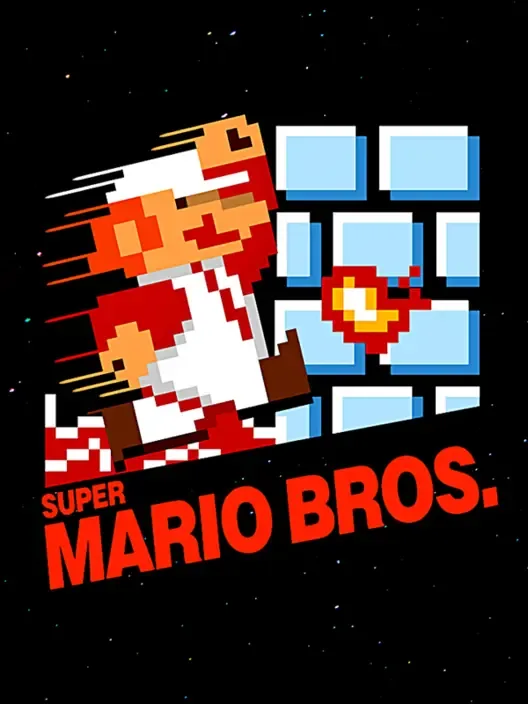
Released in September 1985 for the Famicom and later for the NES, Super Mario Bros. is the game that defined side-scrolling platforming, with a jump that has weight and levels that teach their own rules without a tutorial screen. It is credited alongside the NES with reviving the industry after the 1983 crash. It sold more than 58 million copies across all versions and held the best-selling record for over twenty years, until Wii Sports overtook it. IGN named it the greatest game ever in 2005, Game Informer placed it second in 2009, and Electronic Gaming Monthly ranked it first on its list of the greatest games of their time. Its age is obvious: 32 short levels, no saves and a limited range of power-ups compared with its sequels. It is placed below them because they perfected what it started.
27. Donkey Kong Bananza#
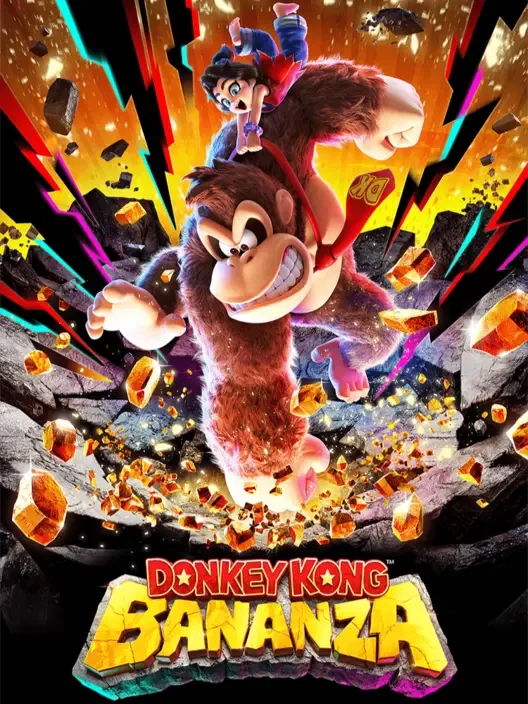
Nintendo EPD released Donkey Kong Bananza in July 2025 as one of the first big games for the Switch 2, built by the team behind Super Mario Odyssey. Its central idea is destruction: nearly every wall, floor and ceiling can be punched, smashed and dug through, which turns exploration into a physical toy. Critics responded with a Metacritic score of 91. IGN gave it a 10 out of 10 and called it Nintendo's first Switch 2 masterpiece, and it won Best Family Game at The Game Awards. Reviewers pointed to the camera and frame rate as drawbacks. As a recent release, its long-term reputation is still to be settled. It is exclusive to Switch 2, and a paid expansion, DK Island and Emerald Rush, arrived in September 2025.
28. Bayonetta 2#
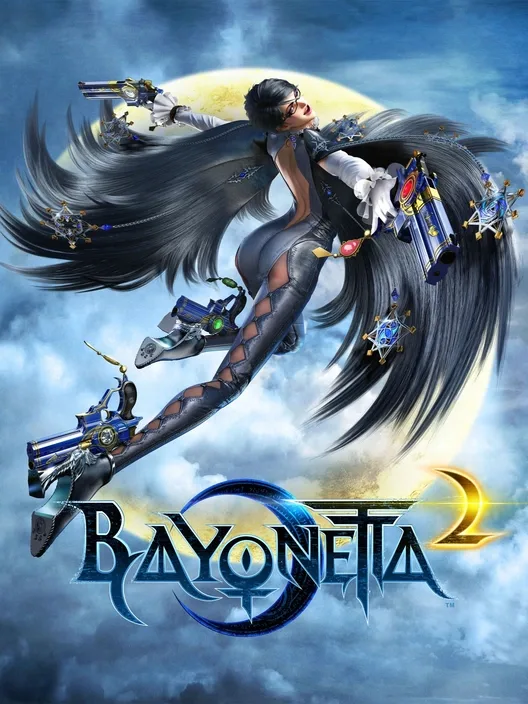
PlatinumGames released Bayonetta 2 in September 2014 in Japan for the Wii U, with Nintendo stepping in to fund it after Sega shelved the project. Its combat is faster and more fluid than almost any other action game, with Witch Time slowing enemies after a perfect dodge, and Umbra Climax finishers that turn every boss into a spectacle. The set pieces escalate to a degree that few games attempt. It holds a Metacritic score of 91 on Wii U and 92 on Switch, and Edge, GameSpot and Destructoid each gave it a perfect 10. Edge named it its top game of 2014 and Famitsu's reviewers gave it 38 out of 40. The story is confusing and the camera struggles in cramped areas. The Switch version, from February 2018, sold more than the Wii U original and is the practical way to play it.
29. Golden Sun#
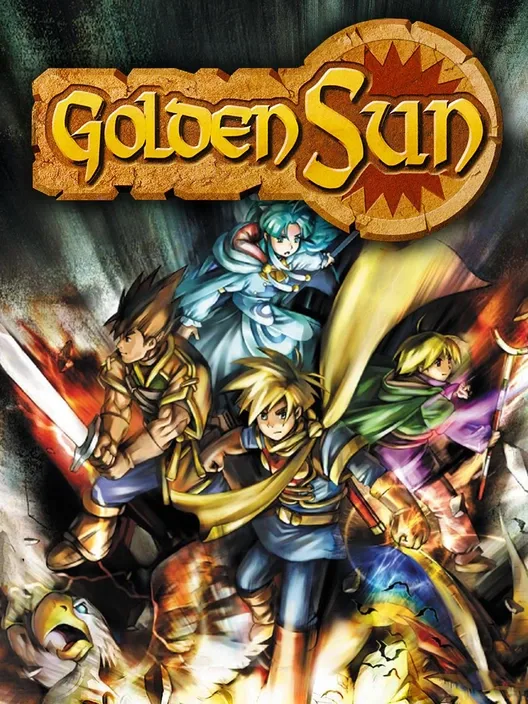
Camelot released Golden Sun in August 2001 in Japan for the Game Boy Advance, and it proved that a handheld could hold a full console-scale role-playing game. Its Psynergy system, which lets characters move objects and solve puzzles in the field, turned dungeons into a series of clever ideas, while the Djinn creatures give combat a strategic layer. The summons that fill the screen pushed the hardware. It holds a Metacritic score of 91 and a GameRankings average of 89 percent, won a Nintendo Power award for best GBA game and won Handheld Game of the Year at the 2002 Golden Joystick Awards. The story ends on a cliffhanger and only concludes in the sequel, The Lost Age, which scored somewhat lower at 86 on Metacritic. It is a Game Boy Advance game.
30. Super Mario Kart#
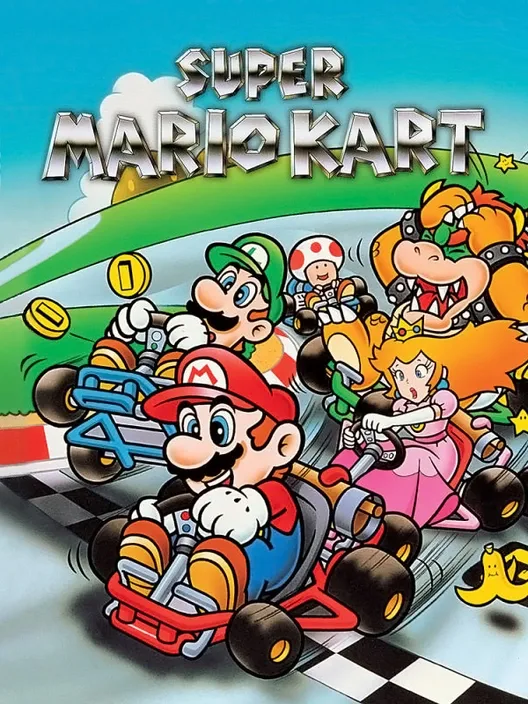
Nintendo released Super Mario Kart in August 1992 in Japan for the Super Nintendo, and it invented the kart-racing genre. Its Mode 7 tracks, drift-and-hop steering and the item system that lets trailing racers catch up gave players a race that anyone could win, and the split-screen battle mode created a rivalry format of its own. Computer and Video Games gave it 96 percent, and GameRankings and MobyGames both averaged above 90 percent. It became the fourth best-selling Super Nintendo game with 8.76 million copies and was inducted into the World Video Game Hall of Fame in 2019. Guinness World Records ranked it first on a list of games by initial impact and legacy. The tracks are flat and the computer opponents can be uneven, but the core of Mario Kart is already here.
31. The Legend of Zelda: Link's Awakening#
Nintendo released Link's Awakening in June 1993 in Japan for the Game Boy, the first handheld Zelda and one of the strangest. Marooned on Koholint Island, Link explores a dream world with a quiet, melancholy tone and cameos from other Nintendo characters, and the dungeons are dense and cleverly connected. It holds a GameRankings average of 90 percent, and 91 percent for the Game Boy Color DX edition. It won Golden Joystick Awards for handheld game of the year and topped Famitsu's sales chart in June 1993. It sold 3.83 million copies by 2004. The monochrome screen and limited buttons force constant item swapping. A Switch remake with a toy-like look was released in September 2019 and is the easiest way to play it now.
32. Animal Crossing: New Horizons#
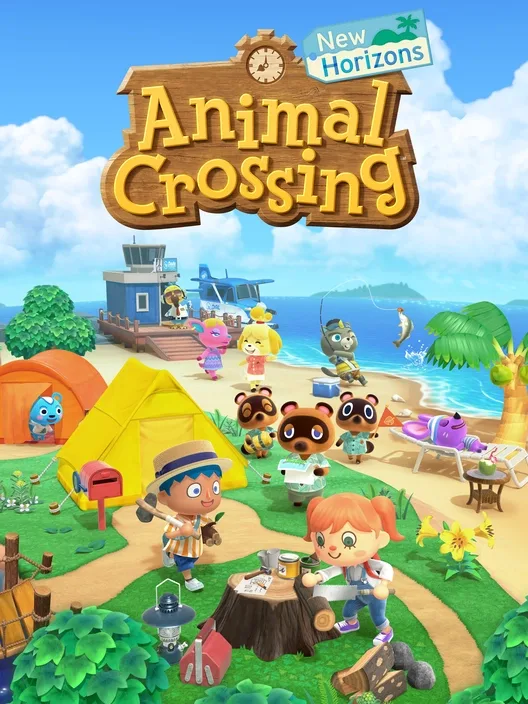
Nintendo released Animal Crossing: New Horizons in March 2020 for Switch, and its arrival during the first pandemic lockdowns made it a cultural event. Building an island from a bare campsite, crafting furniture, terraforming the land and visiting friends online gave it a broad appeal that went beyond traditional players. It holds a Metacritic score of 90, and it won Best Family Game at The Game Awards 2020. It sold over 50 million copies, making it the second best-selling Switch game. Critics complained about early-game time restrictions, and the slow real-time systems reward patience. Nintendo supported it with free updates and the Happy Home Paradise expansion in November 2021, and a Switch 2 Edition followed in January 2026.
33. Mario & Luigi: Bowser's Inside Story#
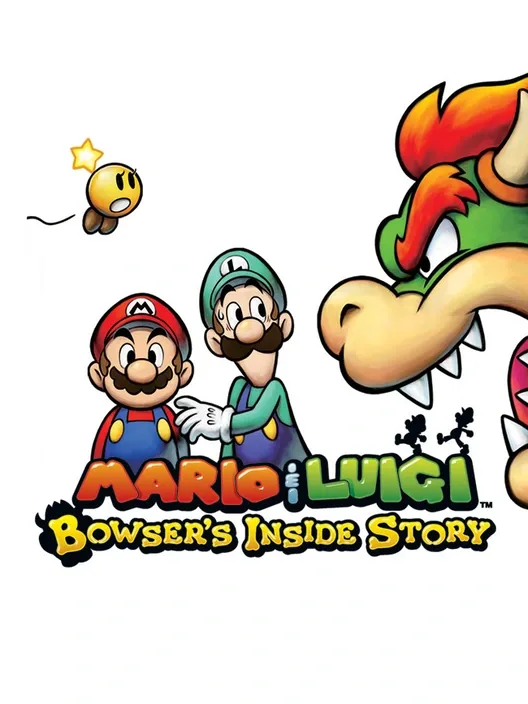
AlphaDream released Bowser's Inside Story in February 2009 in Japan for the Nintendo DS, and it sent Mario and Luigi inside their own enemy's body. The double-screen design, in which Bowser's outer adventure is mirrored by a journey within him, keeps the writing lively, and timing-based attacks keep battles active. It holds a Metacritic score of 90, IGN called it the best RPG-style Mario adventure ever made, and it received three nominations at the 13th Interactive Achievement Awards. It sold 4.56 million copies, the best result for a Mario role-playing game. Some sections are drawn out, and the combat stays fairly easy. A 3DS remake became the series' worst seller, and AlphaDream went bankrupt in October 2019.
34. Pikmin 2#
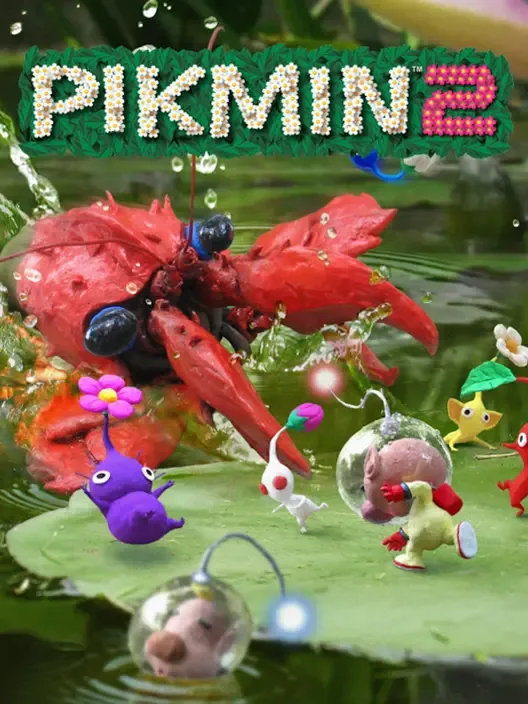
Nintendo released Pikmin 2 in April 2004 in Japan for the GameCube, and it widened the first game's thirty-day countdown into an open-ended treasure hunt. Captain Olimar and Louie now manage two leaders, collect hundreds of objects, and descend into caves with a Pikmin army that can be split to solve puzzles and fight bosses in parallel. The result trades the first game's urgency for depth. It holds a Metacritic score of 90 and a GameRankings average of 89 percent. Reviewers noted occasional camera problems and Pikmin getting stuck behind walls. It was re-released for Wii and as an HD version on Switch on June 21, 2023.
35. Pokémon Gold and Silver#
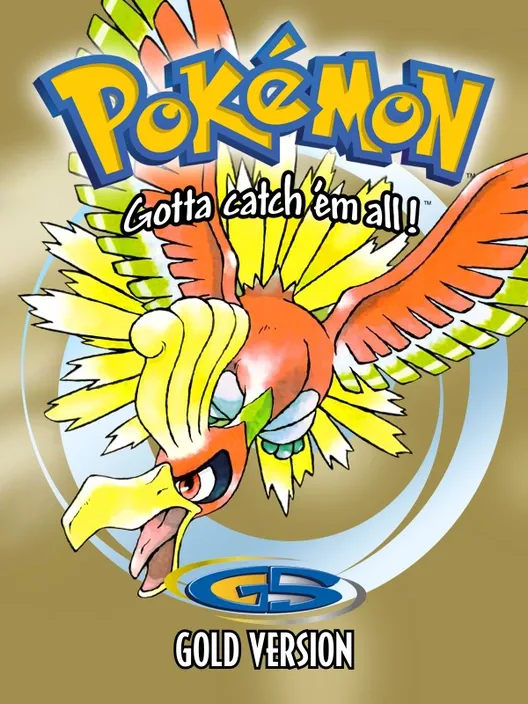
Game Freak developed Pokémon Gold and Silver, which Nintendo released in Japan on November 21, 1999, and in North America on October 11, 2000, for the Game Boy Color. They added 100 new Pokémon, two new types, breeding, a day and night clock and the Johto region, and after the eight gyms let players travel back to Kanto for eight more. That made them larger than most role-playing games of the time, and they are often named as the best in the series. They hold a GameRankings average of 89 percent, and IGN gave them a 10 out of 10. They sold more than 23 million copies, the best-selling Game Boy Color games. The interface is clunky by modern standards, and the level curve between Johto and the return to Kanto is uneven. Their remakes, HeartGold and SoulSilver, are also on this list.
36. Fire Emblem: Three Houses#
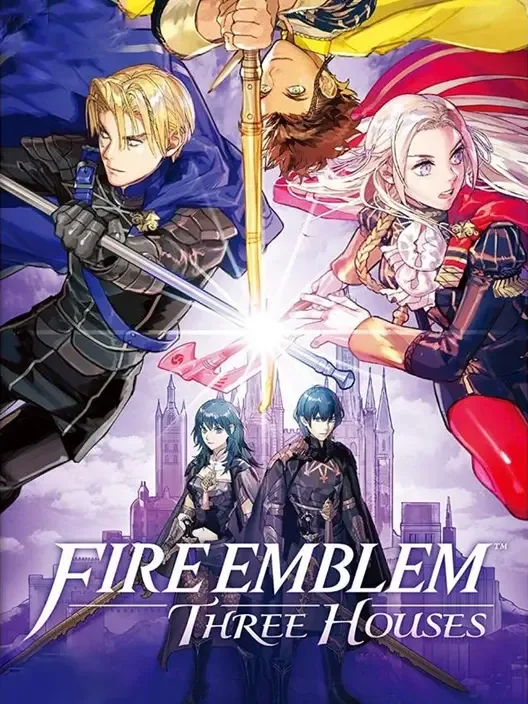
Intelligent Systems and Koei Tecmo released Fire Emblem: Three Houses in July 2019 for Switch, and it reinvented the tactical series by adding a school setting. As a professor at Garreg Mach Monastery, the player teaches a class, builds relationships and then leads it in turn-based battles across story routes that diverge sharply. It holds a Metacritic score of 89 from 102 reviews, won Best Strategy Game and the inaugural Player's Voice Award at The Game Awards 2019, and took Strategy/Simulation Game of the Year at the D.I.C.E. Awards. It is the best-selling Fire Emblem game, with over four million copies by late 2022. Critics noted a lower difficulty than earlier entries, and the weeks of school routine can feel repetitive. Seeing all four routes takes well over a hundred hours.
37. Xenoblade Chronicles 3#
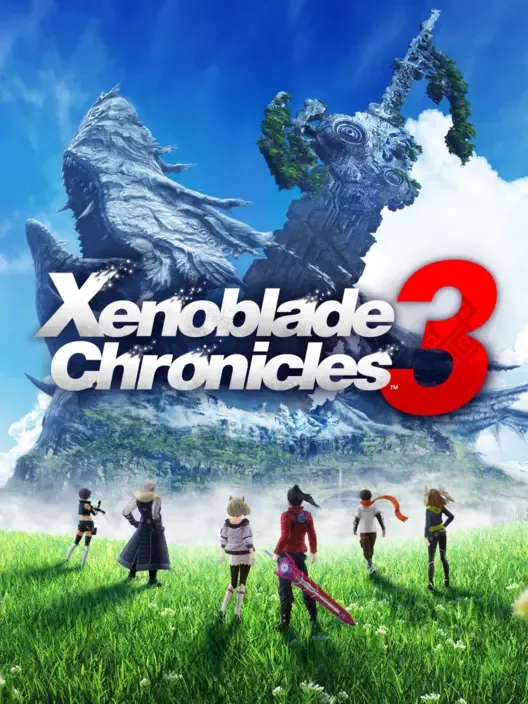
Monolith Soft released Xenoblade Chronicles 3 in July 2022 for Switch, and it merged the worlds of the first two games into one large story. The Chain Attack system and class-swapping between the six main heroes reward experimentation, and the score and the story's themes were widely praised. It holds a Metacritic score of 89, and all four Famitsu reviewers gave it a 9. It won Best RPG at IGN's 2022 awards and at the Famitsu/Dengeki Game Awards, took an Award for Excellence at the Japan Game Awards, and was nominated for Game of the Year at The Game Awards. Game Informer found the open zones lifeless and generic, and PCMag noted resolution drops and pop-in on the Switch. It is an enormous game, and the story takes a long time to reveal how it connects to the earlier ones. It is a Switch game.
38. F-Zero GX#
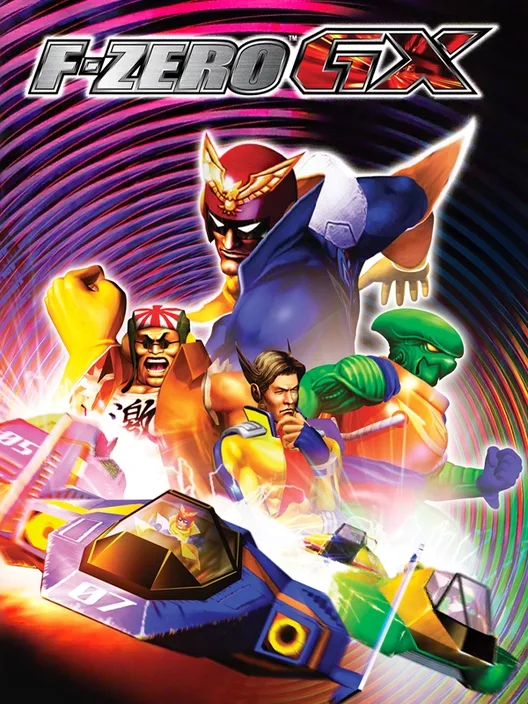
Amusement Vision, the Sega studio behind Super Monkey Ball, and Nintendo released F-Zero GX in 2003 for the GameCube, and it remains one of the fastest racers ever made on a console. Its speeds and smooth frame rate demand memorization of tracks like the twisting Aeolia and the loops of Big Blue, and the customizable machines gave it a depth that competitors lacked. It holds a Metacritic score of 89, IGN named it the best racing game of 2003, and Edge ranked it 66th on its 2007 list of the best games. It was nominated for Console Racing Game of the Year at the D.I.C.E. Awards. The story mode and the higher difficulty levels are punishing enough to turn away many players, and the series has been dormant since. It is a GameCube game.
39. Pokémon Red and Blue#
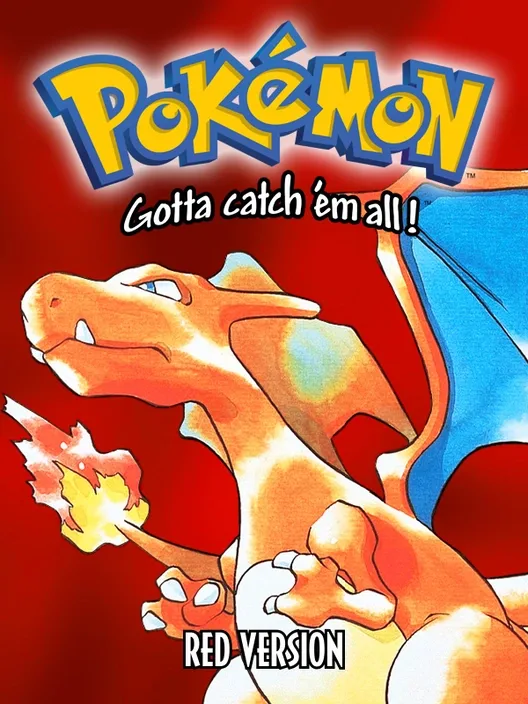
Game Freak released Pokémon Red and Green in Japan in February 1996 and Red and Blue in North America in September 1998 for the Game Boy. Catching and training creatures, then trading them over a link cable to complete the Pokédex, turned a role-playing game into a social ritual, and it launched one of the biggest media franchises in the world. The turn-based battles, the type chart and the eight-gym structure remain the backbone of the series. Red and Blue hold a GameRankings average of 88 percent, IGN placed them 37th on its 2007 top 100, and Pokémon Red and Green were inducted into the World Video Game Hall of Fame in 2017. They sold over 31 million copies. The interface is clunky, the move pool is limited, and famous glitches abound. FireRed and LeafGreen on GBA remake it, and Let's Go, Pikachu! and Eevee! on Switch modernize the Kanto adventure.
40. Tetris#
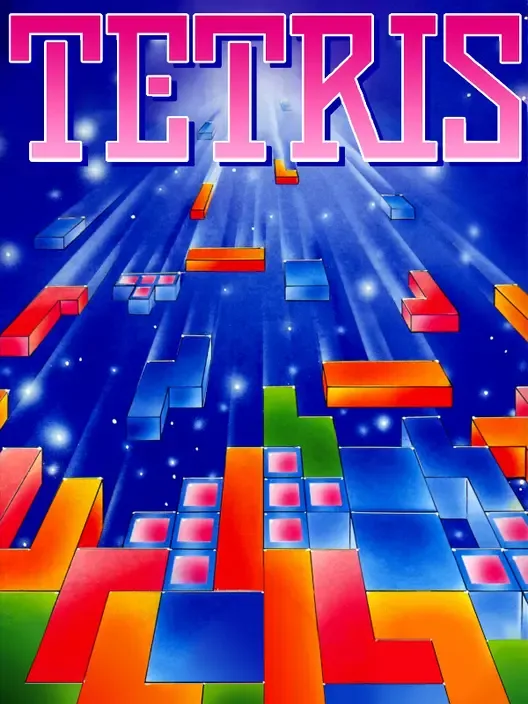
Alexey Pajitnov created Tetris in 1985 in the Soviet Union, and the Game Boy version released in 1989 is the one that made it a worldwide phenomenon, bundled with the console in North America and Europe. Its rules take seconds to learn and a lifetime to master. Its simplicity was the perfect match for a handheld that could be played on a bus, and it is credited as the Game Boy's killer app. It sold more than 35 million copies by 2009, Official Nintendo Magazine ranked it fifth on its 100 best Nintendo games list, and Game Informer called it the best Game Boy game. Pajitnov has described the Game Boy version as his favorite and the closest to his design. It has no depth beyond the score chase and only a basic two-player link. Later versions, such as Tetris Effect, add spectacle.
41. Star Fox 64#
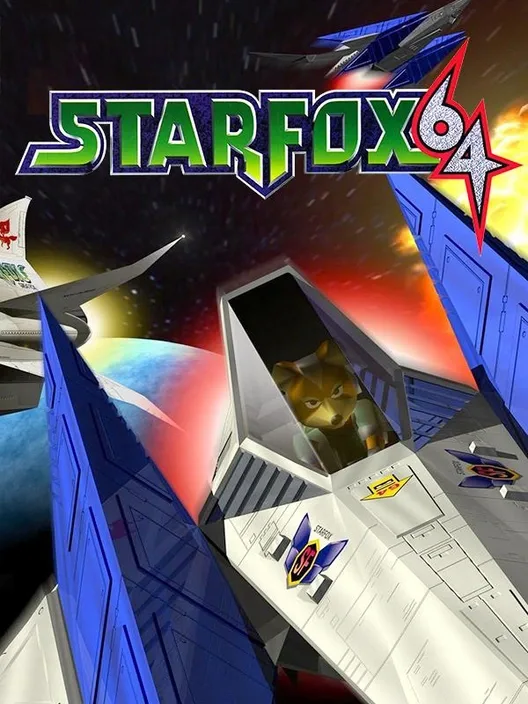
Nintendo EAD released Star Fox 64 in April 1997 in Japan for the Nintendo 64, the first N64 game to support the Rumble Pak vibration accessory. Its rail-shooter levels branch into alternate routes, so the path through the Lylat system changes with the player's performance, and its voice acting, from the barrel-roll reminders to Peppy's advice, became part of gaming culture. It holds a Metacritic score of 88 and a GameRankings average of 89 percent, and critics praised its precise controls, multiplayer modes and replay value. It sold more than four million copies, making it the best-selling Star Fox game. A run takes only an hour or two, so its appeal lies in replaying it for higher scores rather than for depth. A 3D remake was released for the Nintendo 3DS in 2011.
42. Metroid Dread#
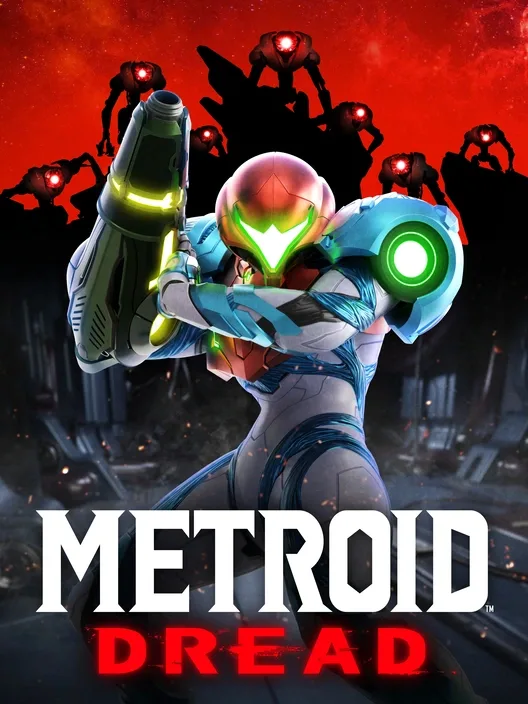
MercurySteam and Nintendo released Metroid Dread in October 2021 for Switch, the first new 2D Metroid in nearly two decades. The E.M.M.I. robots that hunt Samus through sealed zones turn exploration into a stealth-horror chase, and the boss encounters are among the best in the series. It holds a Metacritic score of 88, won Best Action/Adventure Game at The Game Awards 2021 and was nominated for Game of the Year. It is the best-selling Metroid game, with roughly three million copies. Some critics found its structure more linear than Super Metroid, and development reports describe a chaotic production with cut content. Even so, it made the series relevant again for a new generation and is the third Metroid on this list.
43. Paper Mario: The Thousand-Year Door#
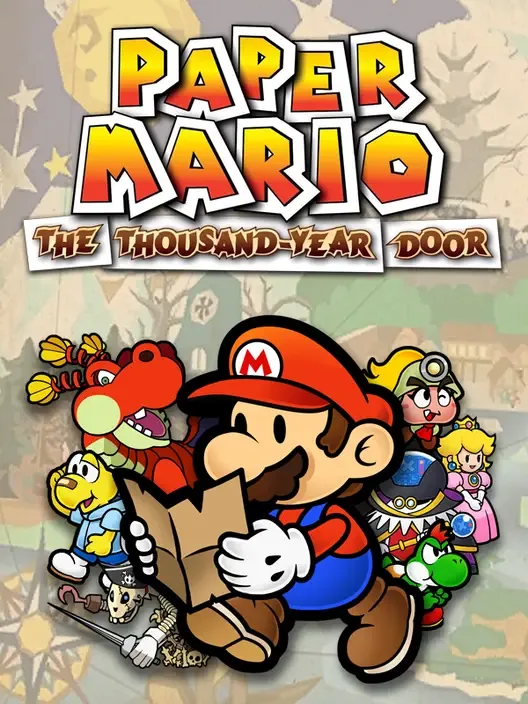
Intelligent Systems released The Thousand-Year Door in July 2004 in Japan for the GameCube, and its blend of turn-based battles with timed button presses and a cast of memorable partners set the standard for the role-playing genre that Nintendo later moved away from. The writing is consistently funny, the chapters are packed with creative ideas such as the wrestling arena of Glitzville, and the stage-show battles give combat a theatrical flavor. The original holds a Metacritic score of 87 and won Console Role-Playing Game of the Year at the 8th Interactive Achievement Awards. The 2024 Switch remake, released in May 2024, holds a Metacritic score of 88 and sold 2.1 million copies by March 2025. Reviews of the original noted a slow start and a large amount of text. The remake is the best way to play.
44. Pokémon HeartGold and SoulSilver#
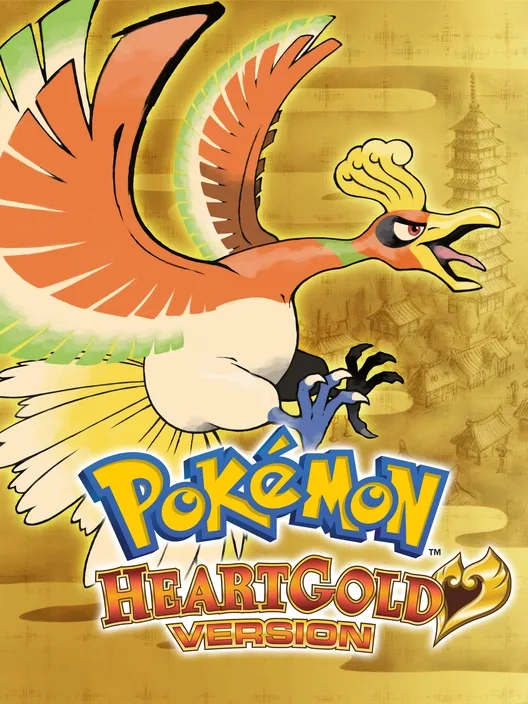
Game Freak released Pokémon HeartGold and SoulSilver in September 2009 in Japan and in March 2010 in North America for the Nintendo DS, remaking the second-generation Gold and Silver. It keeps both regions, Johto and Kanto, with sixteen gyms, adds a partner Pokémon that follows the player on the map, and included the Pokéwalker pedometer. It is considered one of the finest remakes ever made. It holds a Metacritic score of 87 from 59 reviews and a Famitsu score of 37 out of 40, and won the Golden Joystick Award for Portable Game of the Year in 2010. It sold more than 12 million copies. Some reviewers cited a lack of innovation, and the levelling curve inherited from the original has a noticeable gap between the Johto and Kanto leaders. The games are DS titles.
45. Luigi's Mansion 3#
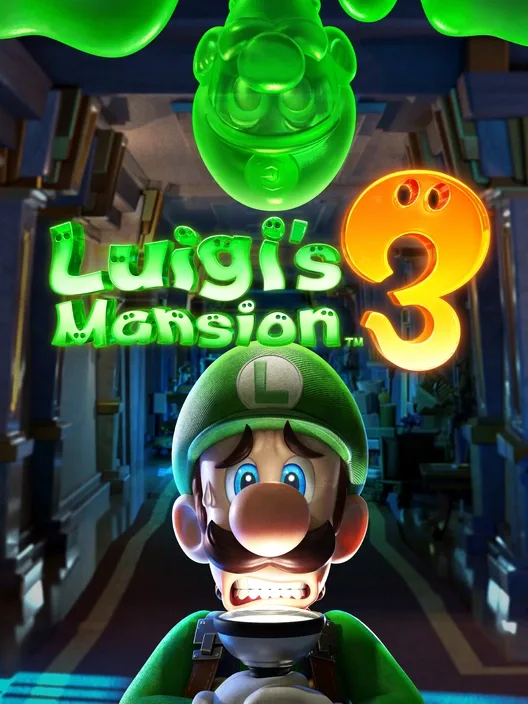
Next Level Games released Luigi's Mansion 3 in October 2019 for Switch, and it turned a haunted hotel into one of Nintendo's most inventive settings. Each floor has its own theme, and Gooigi, the ectoplasmic double, brings cooperative puzzles and combat that were impossible with Luigi alone. It holds a Metacritic score of 86 and OpenCritic lists 91 percent of critics recommending it. It won Best Family Game at The Game Awards 2019 and animation awards at the BAFTA Games Awards and the D.I.C.E. Awards. It has sold over 14 million copies. Not every critic was as enthusiastic: Edge gave it 7 out of 10, and the combat is simpler than the level design. The animation and detail in the rooms alone justify its place among the Switch's best.
46. Kirby and the Forgotten Land#
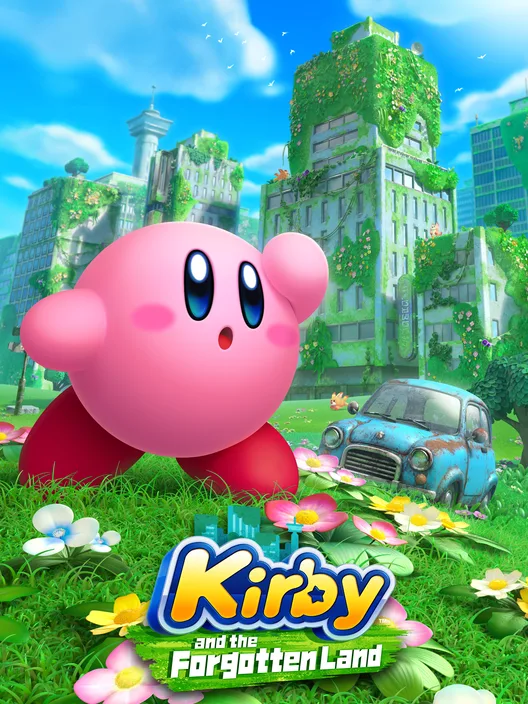
HAL Laboratory released Kirby and the Forgotten Land in March 2022 for Switch, and it took the series into a full 3D platformer for the first time. Set in a ruined world of abandoned shopping malls and theme parks, it uses Mouthful Mode, in which Kirby inhales a car or a vending machine and wears it, to keep exploration playful. It holds a Metacritic score of 85, and critics called it one of the best Kirby games. It won Best Family Game at The Game Awards 2022 and the Family Game award at the BAFTA Games Awards in 2023. It is the best-selling Kirby game, with more than 7.5 million copies. The difficulty is low and the level design is straightforward next to Mario or Donkey Kong. The Switch 2 Edition from August 2025 adds the Star-Crossed World campaign.
47. Mike Tyson's Punch-Out!!#
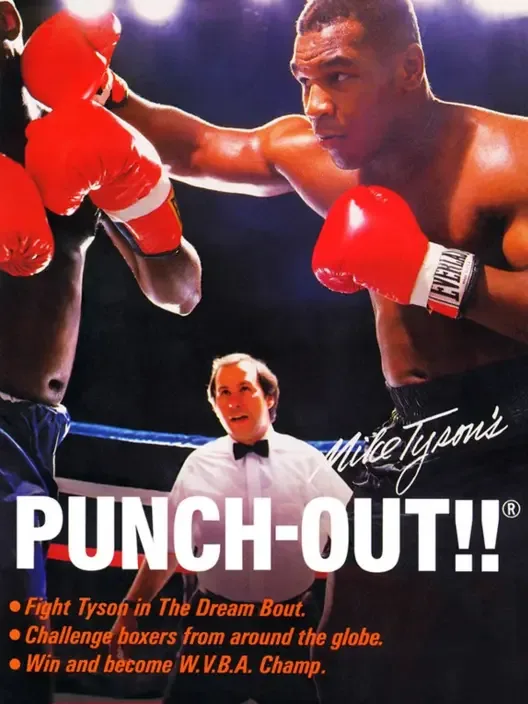
Nintendo released Punch-Out!! in 1987 for the NES, and it turned boxing into a pattern-learning duel. Each opponent, from Glass Joe to Mr. Sandman, has telegraphed attacks that teach the player to dodge, counter and land star punches, and the caricatured cast gave the game a personality far beyond its sports genre. Reviews were overwhelmingly positive: Computer and Video Games called it the best boxing game available on any machine, and ACE ranked it second only to Super Mario Bros. among NES titles. It sold over two million copies by 1988, matching The Legend of Zelda. When the Tyson license expired in 1990, Nintendo replaced him with a fictional boxer, Mr. Dream, in later releases, including the Virtual Console and NES Classic Edition. The game is short and the final fights are punishing.
48. EarthBound#
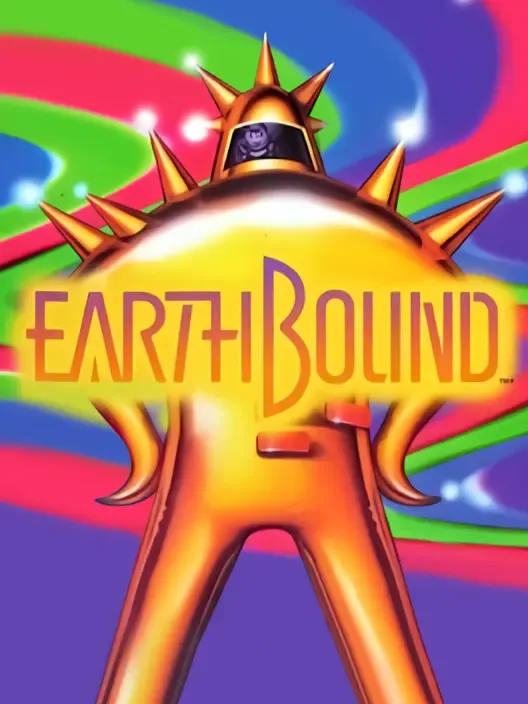
Ape and HAL Laboratory released EarthBound in August 1994 for the Super Famicom, known in Japan as Mother 2, and in June 1995 in North America. Set in an America-inspired Eagleland, it replaces medieval fantasy with baseball bats, hamburgers and psychic children, and its offbeat humor and heartfelt story helped make it a cult classic. The rolling HP meter, which lets players finish a fight before their health hits zero, was an early example of forgiving design. It sold poorly in the United States, about 140,000 copies, but retrospective reception has been far warmer. Sluggish menus and its age test modern patience. It reached the Wii U Virtual Console in 2013 and the SNES Classic in 2017.
49. Splatoon 2#
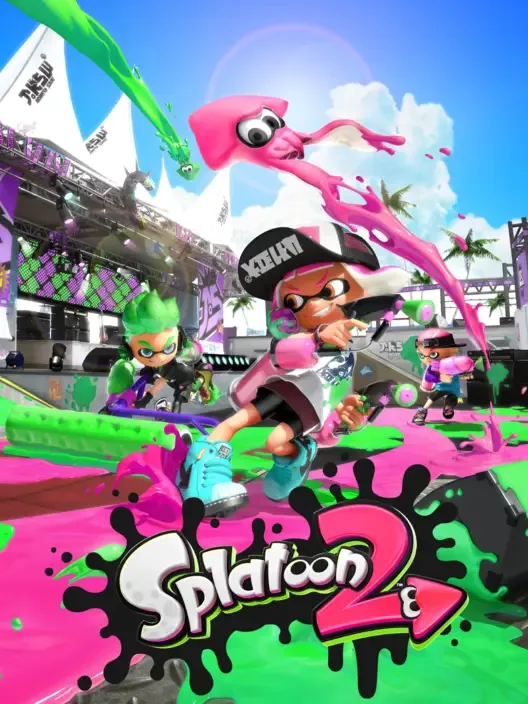
Nintendo EPD released Splatoon 2 in July 2017 for Switch, refining the ink-shooter formula in which turf, not kills, decides who wins. Its Turf War matches, the Salmon Run co-op mode and the monthly Splatfests, which ran until July 2019, gave the online scene a cultural rhythm, and the art direction and music remain distinctive. It holds a Metacritic score of 83 from 107 reviews, and OpenCritic lists 90 percent of critics recommending it. It sold over 13 million copies. Critics objected to locking voice chat behind a mobile app. It sits near the bottom of the list, but it earns its spot as a defining online Nintendo game.
50. Wii Sports#
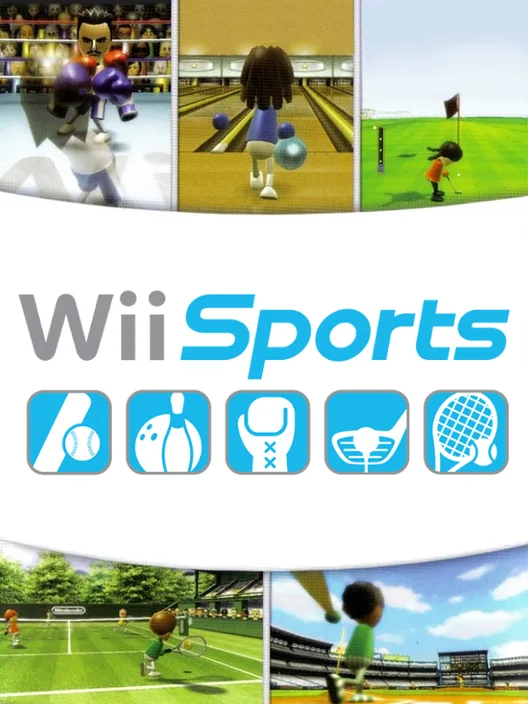
Nintendo released Wii Sports in November 2006, bundled with the Wii in every region except Japan and Korea, and it made motion controls understandable in the time it takes to swing a tennis racket. Its five sports, with bowling and tennis in particular, were simple enough for grandparents and became a fixture at family gatherings. It holds a Metacritic score of 76, the lowest on this list, and critics faulted its graphics and lack of depth. Yet it won six BAFTA awards, was named Time's number one game of 2006 and was inducted into the World Video Game Hall of Fame in 2023. It sold 82.9 million copies by March 2021, the best-selling Nintendo game ever. Its place here rests on influence and reach rather than on the polish of its design. It plays on the Wii.