



The list covers every era, genre and platform, from arcade fighters and 16-bit platformers to current consoles and PC, and Nintendo's landmark releases stand alongside Rockstar, CD Projekt Red, FromSoftware, Valve, Sony, Microsoft, Sega and a good number of independent studios on equal terms. No franchise appears more than three times. Placement is a judgment call between titles that are all outstanding, so the write-ups below explain what each game does better than almost anyone, and where it falls short, to help decide which one is the right one to play next.
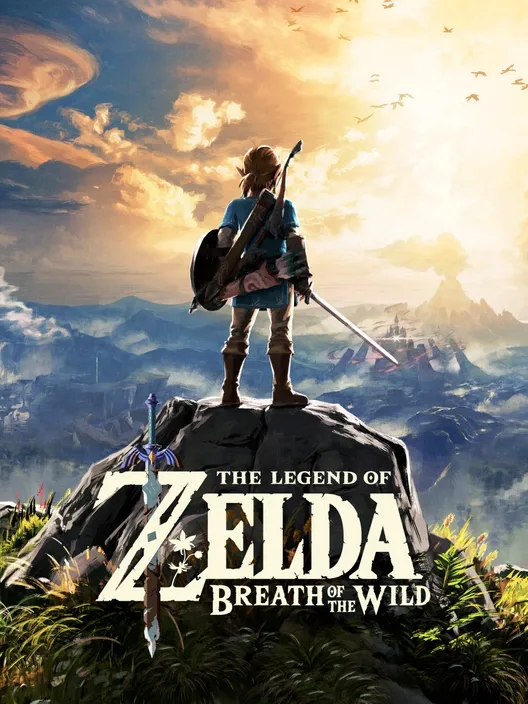
1. The Legend of Zelda: Breath of the Wild#
Nintendo EPD released Breath of the Wild in March 2017 for Switch and Wii U, and it rebuilt the open world around curiosity rather than checklists. Any mountain visible on the horizon can be climbed, and a physics-and-chemistry engine lets fire spread through grass, metal conduct lightning and wind carry a paraglider, so the same problem tends to have several valid solutions. Critics responded with a Metacritic score of 97 on Switch, and many outlets treated it as the new template for open-world design, a verdict echoed by its influence on the genre since. The Great Plateau opening, which teaches the rules without a single forced tutorial, is regularly held up as a model of restraint. The caveat is that weapons break quickly, which frustrates players who want to keep a favorite sword, and the four Divine Beasts are shorter and less inventive than the classic dungeons of earlier entries.
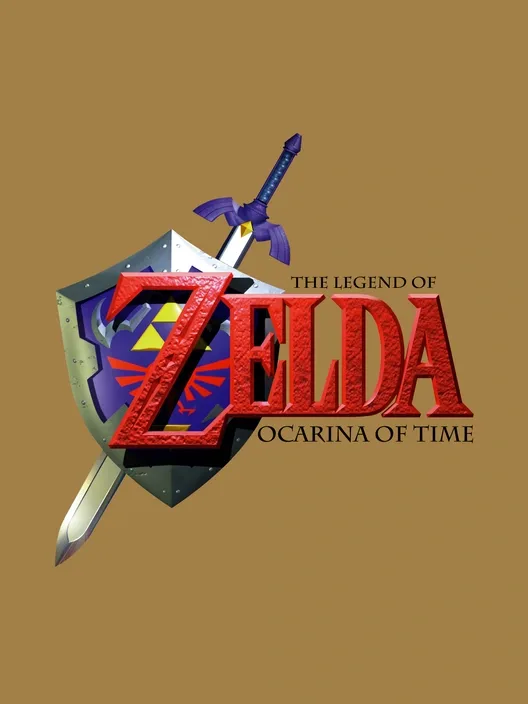
2. The Legend of Zelda: Ocarina of Time#
Released by Nintendo in November 1998 for the Nintendo 64, Ocarina of Time carried Zelda into three dimensions and solved problems that the whole industry was still wrestling with. Its Z-targeting system, which locks the camera onto an enemy or object and lets the player circle it, became the standard way to handle melee combat in 3D, and the context-sensitive action button kept controls simple across a huge range of situations. The Temple structure, the switch between child and adult Link and the playable songs gave the adventure rhythm and memorable set pieces. Its Metacritic score of 99 is among the highest ever recorded, and it has topped countless all-time lists. The caveat is age: the Water Temple's menu-driven boot swapping, the low frame rate and the dated camera outside of combat feel rough on a modern replay, though the design underneath still holds up.
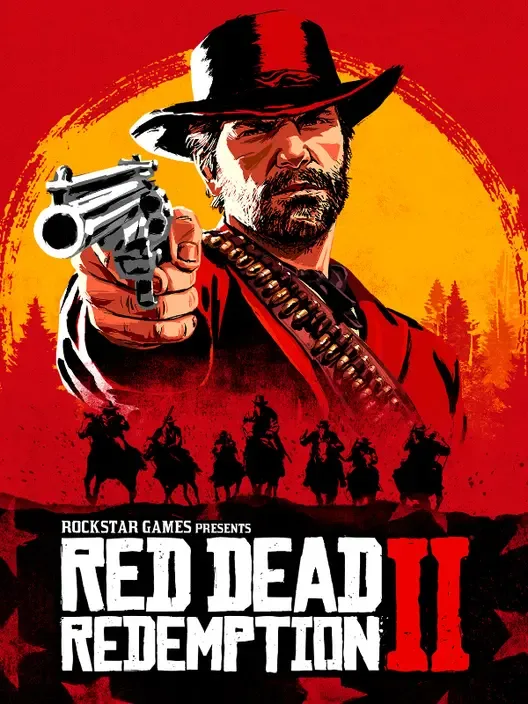
3. Red Dead Redemption 2#
Rockstar Games released Red Dead Redemption 2 in October 2018, following Arthur Morgan and the Van der Linde gang through the collapse of the Old West. Rockstar North and its sister studios spent years on details that make the world feel lived in: horses with bonded temperaments, camp conversations that shift with the story, and wildlife that reacts to weather and hunting. Critics reached a Metacritic score of 97 on PlayStation 4, and the game was named among the year's best by a long list of outlets. Arthur's arc, told across a slow-burning campaign that builds to a devastating final act, is often described as one of the finest character studies in games. The caveat is pace and control: the deliberate animations, heavy inventory management and tightly scripted missions can feel restrictive next to how free the world otherwise is.
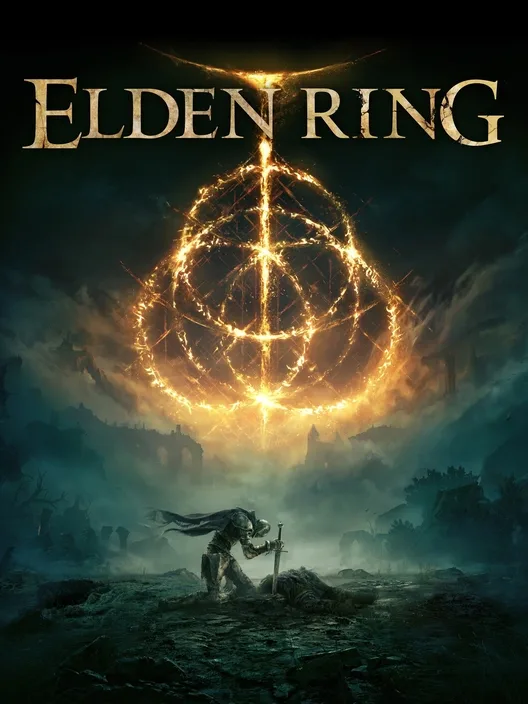
4. Elden Ring#
FromSoftware and Bandai Namco released Elden Ring in February 2022, with world-building input from author George R. R. Martin. The studio's exacting combat and hidden lore met a genuinely open world, the Lands Between, where the player can ride Torrent to almost any horizon and skip a boss that is too hard in favor of a different region. Legacy dungeons such as Stormveil Castle carry the density of earlier Dark Souls levels, while Spirit Ashes and a wide range of builds make the difficulty more adjustable than ever. It won Game of the Year at The Game Awards 2022 along with awards for game direction, art direction and role-playing. The caveat is a late-game difficulty spike and a handful of reused bosses, and the opaque quest design still relies on wikis for anything beyond the main path.
5. Baldur's Gate III#
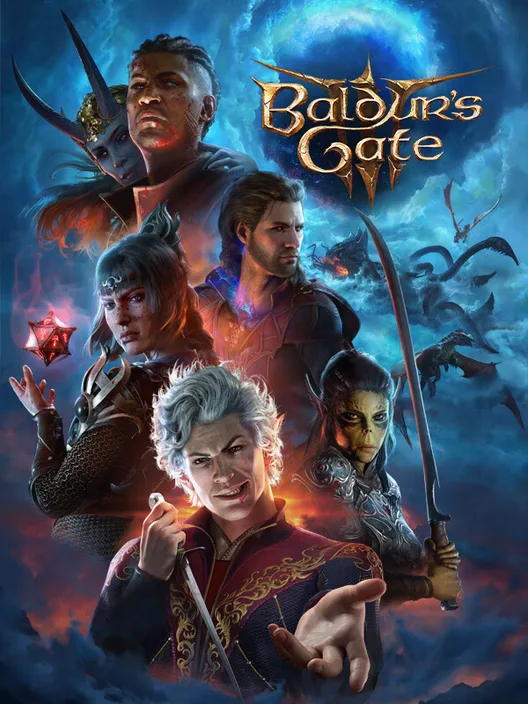
Larian Studios released Baldur's Gate III in August 2023 after a long early-access period, adapting Dungeons & Dragons fifth edition into a reactive story that remembers almost every choice. Party members such as Shadowheart, Astarion and Karlach are written and performed with real depth, and a single encounter can be solved by stealth, persuasion, spells, explosive barrels or a shove off a ledge. The game won Game of the Year and Player's Voice at The Game Awards 2023, part of a six-award night that also included Best Role Playing Game and Best Performance. It is widely credited with bringing classic computer role-playing to a mass audience. The caveat is that the third act is less polished than the first two, with bugs and rushed endings for some characters, and the sheer number of systems can overwhelm new players.
6. The Witcher 3: Wild Hunt#
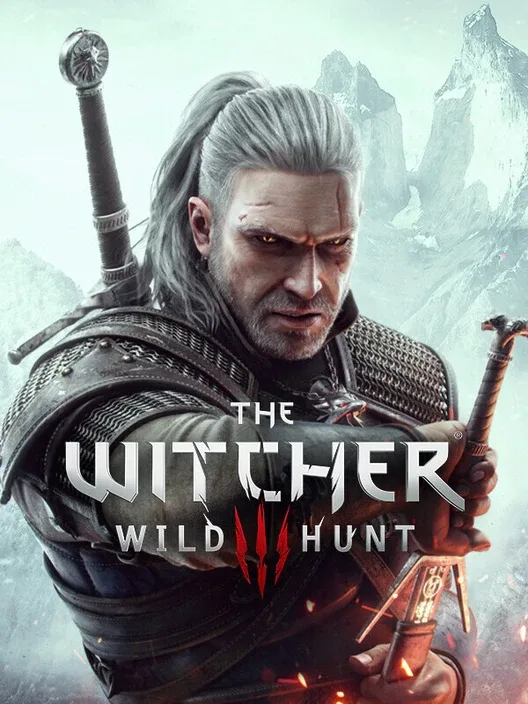
CD Projekt Red released The Witcher 3: Wild Hunt in May 2015, and its side quests set a standard for the genre. Errands such as the Bloody Baron storyline in Velen turn a search for a missing family into a morally tangled tragedy with consequences that surface hours later. Geralt's monster contracts, the Gwent card game and the Blood and Wine expansion, which shifts the tone to a fairy-tale Toussaint, all add variety. The game holds a Metascore of 93 and won Game of the Year at The Game Awards 2015. The caveat is a combat system that feels loose compared to action-focused rivals, an inventory that overflows with loot, and a main story whose final act is less memorable than the best of its side content.
7. Grand Theft Auto V#
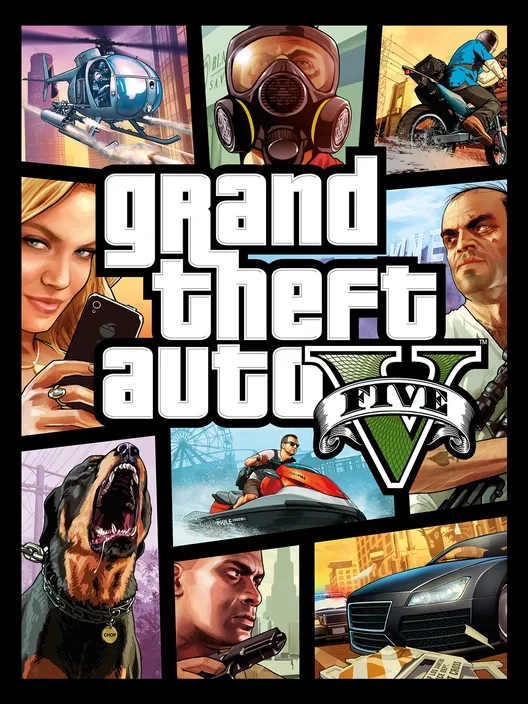
Rockstar North released Grand Theft Auto V in September 2013, placing three playable protagonists, Michael, Franklin and Trevor, in a satirical version of Los Santos and Blaine County. Switching between them at any moment lets heists play out from several angles, and the planning-and-execution structure of the big jobs gave the series its most cinematic missions. The game sits among the highest-rated releases on Metacritic and has been re-released across three console generations, which testifies to how well its open world holds up. Its detailed city, from downtown traffic to the desert and Mount Chiliad, still feels crowded and alive. The caveat is that the story mode's humor and portrayal of violence can feel dated or mean-spirited, and the campaign's final stretch leans on a few tonal shifts that not every player enjoys.
8. Half-Life 2#
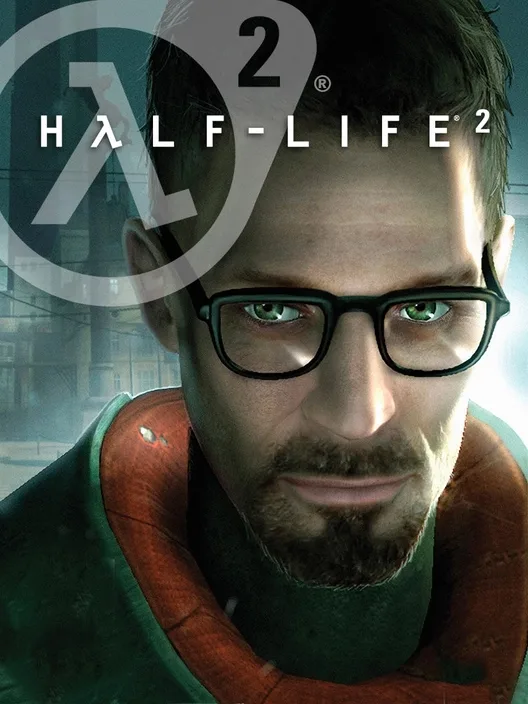
Valve released Half-Life 2 in November 2004, sending Gordon Freeman through City 17 under the thumb of the Combine. Its Source engine introduced physics-driven puzzle and combat design that was years ahead of its time, most memorably in the Gravity Gun, which turns any nearby object into a weapon or a tool. Facial animation, environmental storytelling and a constant sense of forward motion, with almost no cutscenes taking control from the player, defined a generation of shooters. It holds a Metacritic score of 96 on PC and collected dozens of Game of the Year awards. The caveat is that some vehicle sections are uneven, and the story ends on a cliffhanger that Valve's episodes never fully resolved.
9. Super Mario Odyssey#
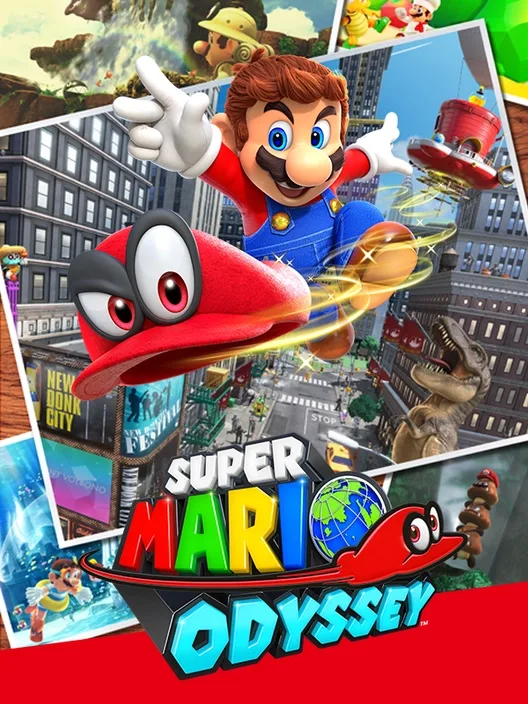
Nintendo EPD released Super Mario Odyssey in October 2017 for Switch, giving Mario a living hat, Cappy, that can capture enemies and objects and take over their abilities. Each kingdom, from the New Donk City metropolis to the Sand Kingdom, is a dense sandbox packed with hundreds of Power Moons, and the movement, from long jumps to cap throws, feels excellent from the first minute. It earned a Metacritic score of 97 and stands among the best-reviewed platformers ever. Its strength is how generously it rewards curiosity, with a secret tucked behind almost every corner. The caveat is that the main story is short and easy, with the challenge saved for the post-game moons, and collecting Power Moons is less directed than the star-by-star structure of earlier 3D Mario games.
10. Portal 2#
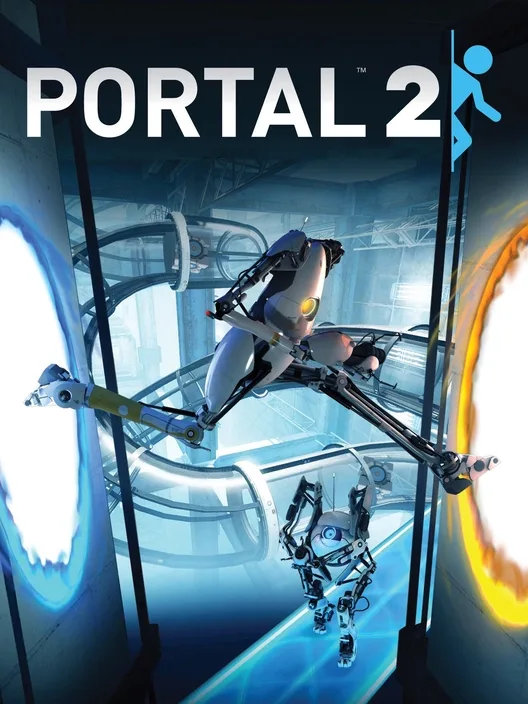
Valve released Portal 2 in April 2011, expanding a short puzzle experiment into a full campaign built around portals, gels that change surface properties and light bridges. Its Metacritic score of 95 reflects the way it teaches each new mechanic with a simple room before combining them in ways that feel like discoveries. The writing and voice work, especially Stephen Merchant's Wheatley and J.K. Simmons's Cave Johnson alongside the returning GLaDOS, made it one of the funniest games ever made. The cooperative mode, built for two players who each control a robot with its own portal gun, is a rare example of a multiplayer puzzler done well. The caveat is that the puzzles are easier than those in the original's advanced chambers, and the campaign is short, at roughly six hours by lead writer Erik Wolpaw's estimate.
11. God of War#
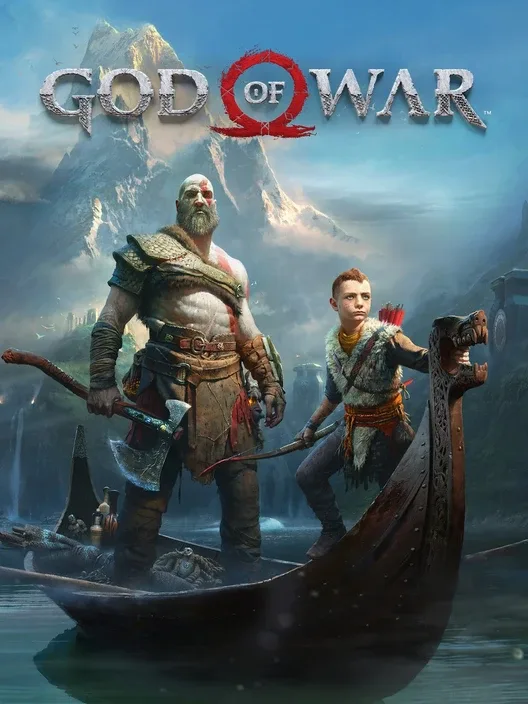
Santa Monica Studio and Sony released God of War in April 2018, reinventing the series as a father-and-son journey through Norse mythology. Kratos, now older and restrained, fights with the Leviathan Axe, which returns to his hand at a button press, in a combat system built around a close over-the-shoulder camera and a continuous single shot that never cuts away. The game won Game of the Year at The Game Awards 2018, and critics praised its emotional restraint and the growing relationship between Kratos and Atreus. World design that loops back on itself through shortcuts and the Lake of Nine gives exploration a satisfying shape. The caveat is repetitive enemy variety in the later hours, a Muspelheim challenge that feels like padding, and an inventory of gear menus that can be heavy.
12. Half-Life#
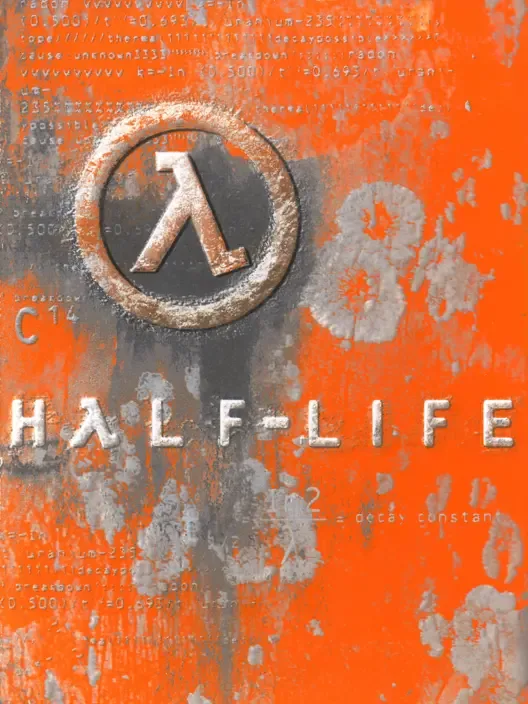
Valve released Half-Life in November 1998 for PC, and its debut told a whole science-fiction story through the player's eyes, without cutscenes that took control away. Gordon Freeman's trip through the Black Mesa research facility mixes scripted set pieces, such as the resonance cascade and the marine ambush, with soldiers whose flanking behavior was unusually smart for the time. It holds a Metacritic score of 96 and collected more than fifty Game of the Year awards, and its modding scene produced Counter-Strike. The pacing, from cramped laboratory corridors to the alien world of Xen, set a template that first-person shooters followed for years. The caveat is that the platforming sections on Xen are widely disliked, the low-resolution textures and blocky models show their age, and some fights are spongy on higher difficulty settings.
13. Mass Effect 2#
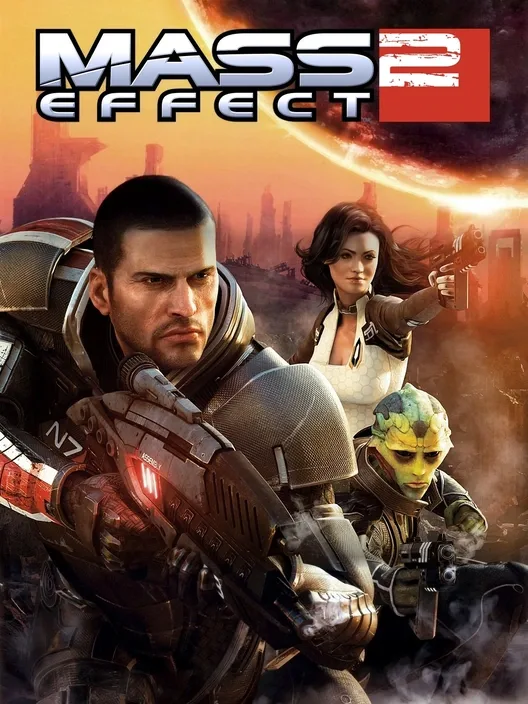
BioWare and Electronic Arts released Mass Effect 2 in January 2010, turning the first game's sprawling setup into a focused tale of assembling a team for a suicide mission. Its loyalty missions give each squadmate, from Jack to Thane, a self-contained story, and the finale rewards the player for how well they prepared the crew, since bad choices can lead to characters dying. It holds a Metacritic score of 96 on Xbox 360 and is often named the high point of the trilogy. The dialogue wheel and consequence system helped define modern story-driven role-playing. The caveat is a streamlined role-playing system that trims inventory and exploration, planet scanning that is tedious, and a main plot that is thinner than its character work.
14. The Last of Us#
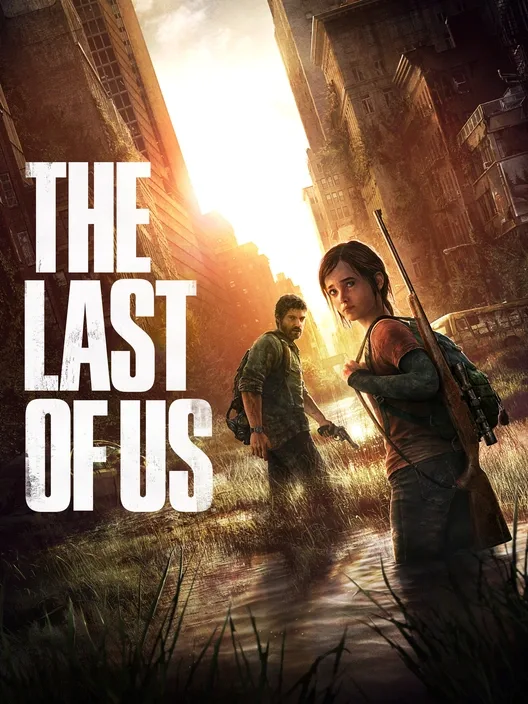
Naughty Dog released The Last of Us in June 2013 for PlayStation 3, following Joel and Ellie across a United States overtaken by a fungal plague. Its prologue and the character work of Troy Baker and Ashley Johnson set a new standard for emotional storytelling, while a mix of stealth, scavenged crafting and desperate close-quarters fights makes every encounter feel costly. Critics awarded it a Metascore of 95, and it swept year-end lists. Gustavo Santaolalla's sparse guitar score adds to the mood. The caveat is that the shooting and stealth are solid rather than groundbreaking, the enemy artificial intelligence can be inconsistent, and the story's most divisive choices, especially the ending, still split players on whether they land.
15. The Elder Scrolls V: Skyrim#
Bethesda Game Studios released Skyrim in November 2011, setting a dragon-haunted Nordic province in front of the player and then almost getting out of the way. The Dragonborn can join the Companions, the Thieves Guild or the College of Winterhold at any point, wander to a cave that nobody mentioned, or ignore the main quest entirely, and a radiant quest system keeps generating new errands. Its enormous modding scene has kept the game alive across more than a decade and several re-releases. Critics praised the atmosphere, the shouts and the sense of freedom. The caveat is that combat feels floaty, the writing of many side quests is shallow, and technical bugs became legendary, which is why the game is now often played with community fixes.
16. Halo: Combat Evolved#
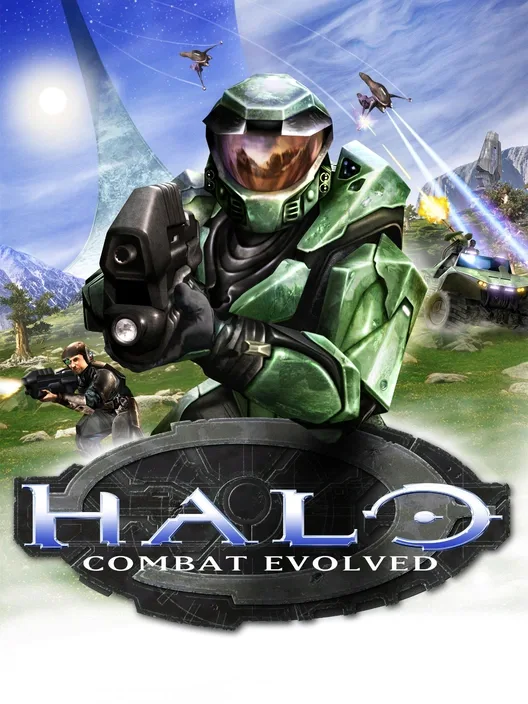
Bungie released Halo: Combat Evolved in November 2001 as the launch centerpiece of the original Xbox, and it proved that a first-person shooter could work on a console. Its Metascore of 97 rewards the loop of grenade, melee and gun, the two-weapon limit, regenerating shields and enemy Covenant squads whose behavior reacts to the player. Levels such as The Silent Cartographer give the player a vast space and a goal, and let the approach vary. The Warthog vehicle sections and four-player split-screen co-op became defining memories of the era. The caveat is that the later Library level repeats corridors and enemies, and the story is simple compared to its sequels, though its atmosphere and Martin O'Donnell's score remain iconic.
17. Super Mario 64#
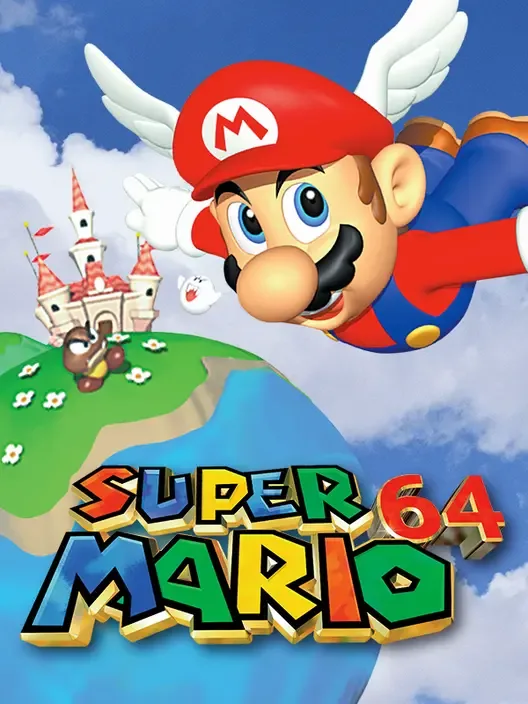
Nintendo released Super Mario 64 in Japan in June 1996 as a launch title for the Nintendo 64, and it answered the question of how to move a platformer into three dimensions. Mario's triple jump, long jump, wall kick and backflip are combined with an analog stick that gives fine control, and Princess Peach's castle works as a hub whose paintings lead to compact worlds with several stars each. The adjustable camera, handled by a Lakitu character, was an early attempt to solve 3D navigation. It became a benchmark for the entire genre, and later platformers borrowed heavily from it. The caveat is that the camera can still fight the player in tight spaces, and some star objectives are cryptic by modern standards.
18. The Legend of Zelda: Tears of the Kingdom#
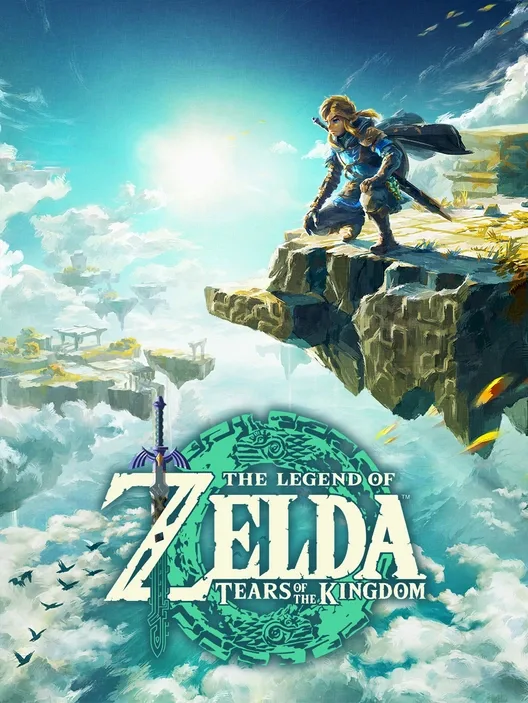
Nintendo EPD released Tears of the Kingdom in May 2023 as the follow-up to Breath of the Wild, returning to the same Hyrule but adding sky islands and a vast underground. Its Ultrahand ability lets players glue objects together to build vehicles, bridges and machines, and Fuse attaches materials to weapons, which turns the earlier sword-breaking complaint into a creative tool. It earned a Metacritic score of 96, and critics praised its expanded world, new mechanics and scale. The caveat is that the surface world reuses the map from the previous game, the underground Depths are dark and repetitive, and the story is delivered through fragmented memories.
19. Final Fantasy VII#
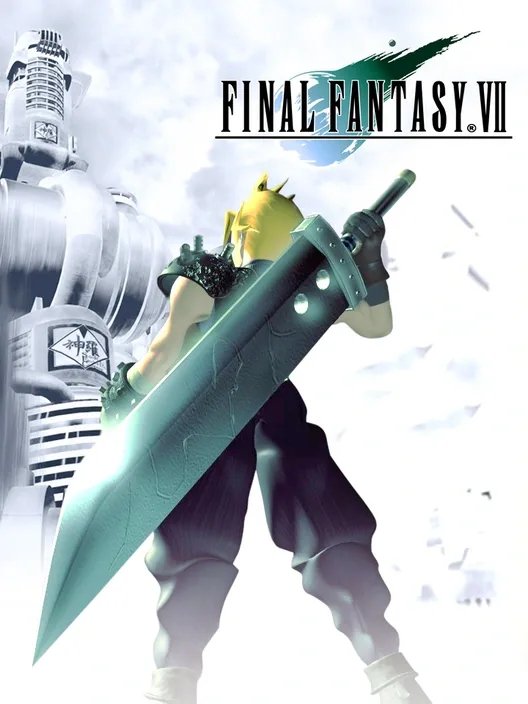
Square released Final Fantasy VII in January 1997 in Japan for the original PlayStation, with a Western release that September, and it took Japanese role-playing to a global audience. Cloud Strife's fight against the Shinra corporation and the vengeful Sephiroth mixes an ecological plot with a memorable cast, from Aerith and Tifa to Barret, and the Materia system lets players customize each character freely. The PlayStation release holds a Metacritic score of 92, and reviews from IGN, GameSpot and Famitsu were among the strongest of the year. Nobuo Uematsu's score, from the Opening Bombing Mission to One-Winged Angel, is a landmark. The caveat is that the polygon models look primitive today, the English translation has well-known errors, and random encounters and the Gold Saucer minigames can feel padded.
20. Metroid Prime#
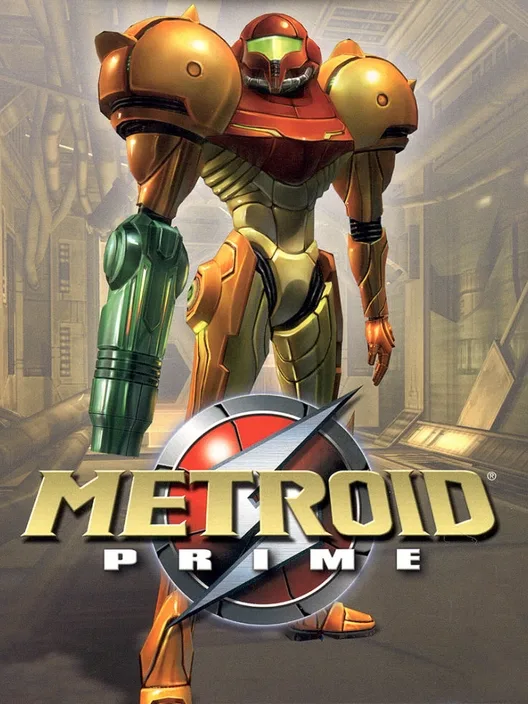
Retro Studios and Nintendo released Metroid Prime in November 2002 for the GameCube, translating Samus Aran's exploration-driven adventures into a first-person view without losing what made them special. The world of Tallon IV is a connected map of caves, ruins and Space Pirate labs that opens up as Samus gains new visors and beams, and the Scan Visor turns lore into something the player discovers rather than reads. Its Metacritic score is 97, and it won numerous Game of the Year awards. The atmosphere, from rain-soaked Chozo ruins to the Phazon mines, is remarkable. The caveat is late-game backtracking through the artifact hunt, and the original GameCube controls take some adjustment, though the 2023 remaster offers modern schemes.
21. Disco Elysium: The Final Cut#
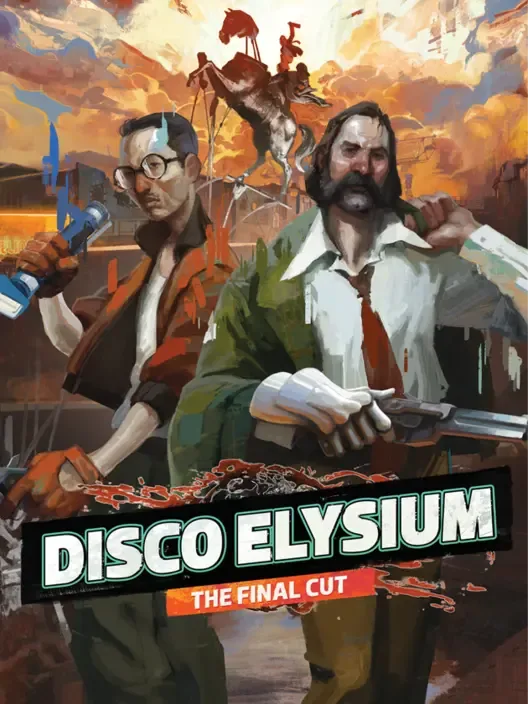
ZA/UM released Disco Elysium in 2019, and The Final Cut added full voice acting and new content in 2021. Playing a detective with amnesia who investigates a murder in the run-down district of Revachol, the player has no combat at all: skills such as Empathy, Logic and Electrochemistry argue inside the protagonist's head as characters, and every dice roll shapes the story. It holds a Metacritic score of 97 on PC and has been praised as one of the best-written role-playing games ever. The political and philosophical text is deep and funny in equal measure. The caveat is that the reading load is heavy, the pace slow, and the game's late-story ending can feel abrupt, with some threads left open.
22. Hades#
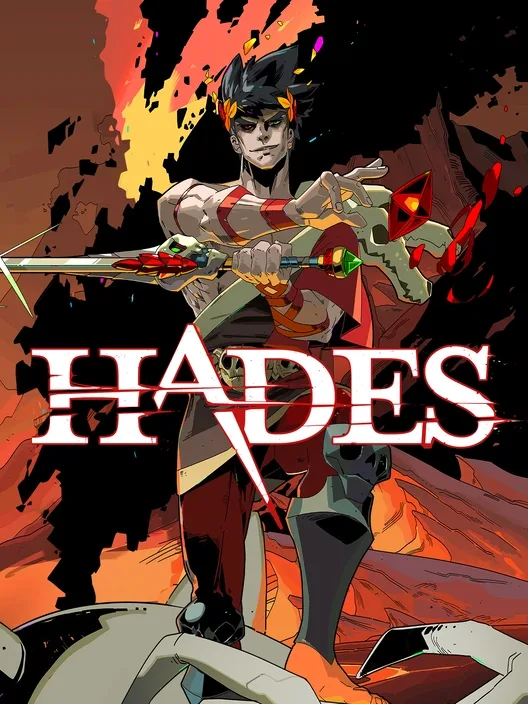
Supergiant Games released Hades in September 2020, after a long early-access period, and turned the roguelike into a story-driven game. Each escape attempt from the Underworld as Zagreus builds relationships with characters, so dying and returning to the House of Hades advances the narrative rather than resetting it. The combat, with six Infernal Arms and Boons granted by Olympian gods, is fast and readable. It holds a Metacritic score of 93, won Best Indie Game at The Game Awards 2020, and took the top prize at the BAFTA Games Awards. The writing and voice cast are exceptional. The caveat is that a genre built on repetition will always ask the player to repeat encounters, and the later Heat modifiers can feel like an artificial way to extend the game.
23. Uncharted 2: Among Thieves#
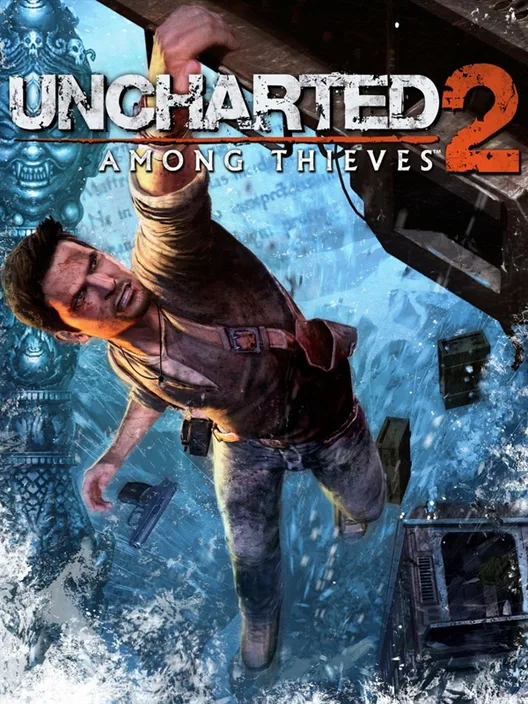
Naughty Dog released Uncharted 2: Among Thieves in October 2009 for PlayStation 3, sending treasure hunter Nathan Drake on the trail of Marco Polo's lost fleet. It turned the cinematic action adventure into a rollercoaster of set pieces, most famously the collapsing building and the moving train, while the quips between Nathan, Elena and Chloe give the adventure warmth. It holds a Metacritic score of 96, the highest of any game released in 2009, and won four awards at the BAFTA Games Awards, including for story and original score. Climbing and shooting blend so smoothly that the game seldom stops moving. The caveat is that the gunfights are conventional cover shooting, the multiplayer that was praised at launch is far less relevant today, and the villain is less memorable than the heroes.
24. Hollow Knight#
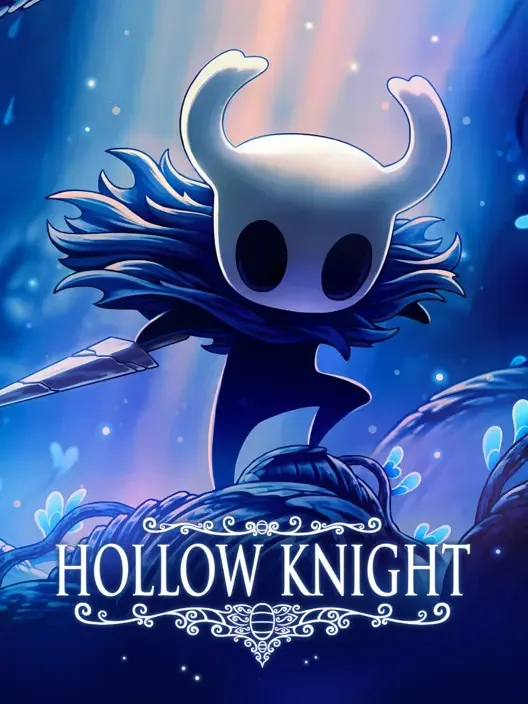
Team Cherry released Hollow Knight in February 2017 as a hand-drawn Metroidvania set in the ruined insect kingdom of Hallownest. The exploration is precise and unforgiving: the map has to be bought and partially filled in by hand, bosses such as the Mantis Lords and the Radiance test pattern recognition, and a large number of optional charms allow build changes. The game holds a Metacritic score of 87 on PC, and it has built a devoted following far beyond what that number suggests, given how much game a small studio delivered. The atmosphere, from the Greenpath thickets to the melancholy of the City of Tears, is unforgettable. The caveat is that some areas, especially the Path of Pain and the Deepnest, are punishing, and navigating without a map can frustrate.
25. Bloodborne#
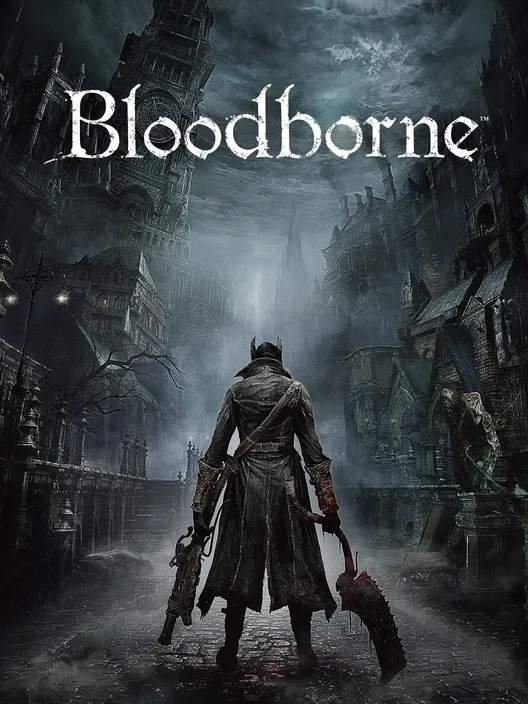
FromSoftware and Sony released Bloodborne in March 2015 for PlayStation 4, exchanging shields and slow rolls for a fast, aggressive style. Its regain system lets a player recover lost health by counterattacking right after being hit, and the trick weapons, such as the Saw Cleaver that transforms in mid-swing, give each build a distinct personality. The Gothic city of Yharnam and the cosmic horror beneath it, hinted at through item descriptions and environment, form one of the most atmospheric worlds in games. It earned a Metacritic score of 92. The caveat is that long load times and a frame rate that struggles to hold 30 frames per second are real technical flaws.
26. Chrono Trigger#
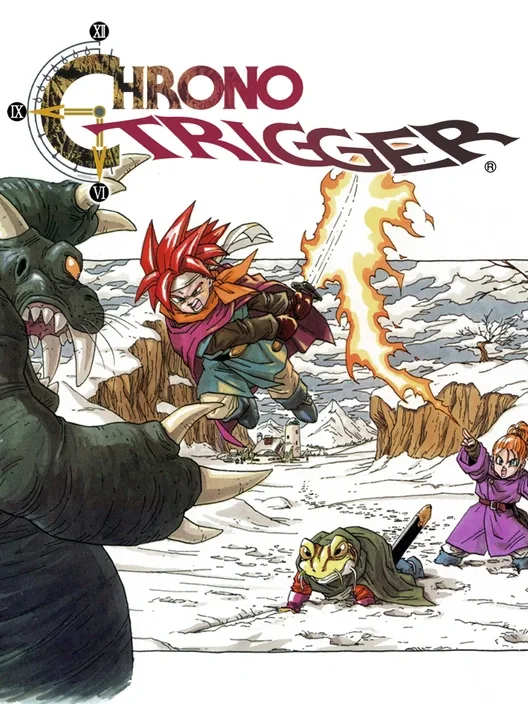
Square released Chrono Trigger in March 1995 for the Super Nintendo, a dream project from the creators of Final Fantasy and Dragon Quest, with art by Akira Toriyama and music by Yasunori Mitsuda and Nobuo Uematsu. Its time-travel story lets a party visit prehistory, the Middle Ages and a ruined future, with a dozen or so endings that change depending on when the final battle is triggered. Battles have no random encounters, and combined Techs let characters team up for spectacular attacks. The Nintendo DS version earned a Metacritic score in the low nineties, and the game regularly appears on lists of the greatest games ever made. The caveat is that the main story is short by role-playing standards, the difficulty is gentle, and New Game Plus is what really extends it.
27. Dark Souls: Remastered#
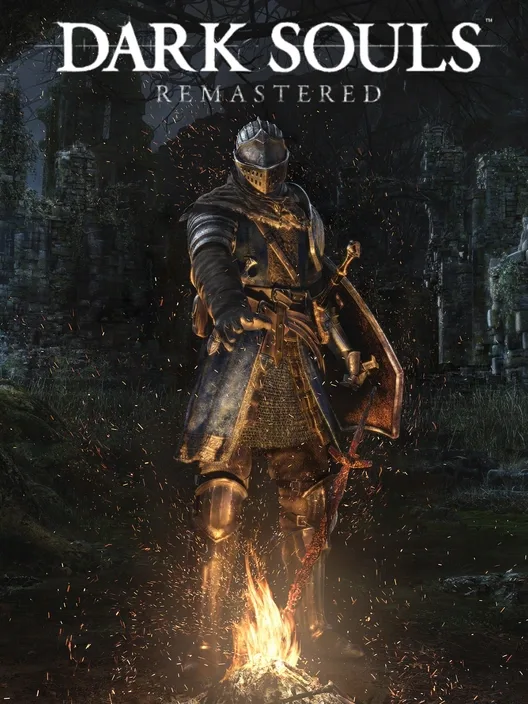
FromSoftware released Dark Souls in 2011, and the 2018 remaster, published by Bandai Namco, brought the game to modern hardware with improved resolution and frame rate. The interconnected world of Lordran is its masterpiece: paths loop back to earlier areas, and a bonfire that felt far away turns out to be a short shortcut from where the player started. Precise, stamina-based combat, and a story told through item text and cryptic conversations, defined a subgenre now simply called Soulslike. The remaster's reviews are strong but a step below the original's acclaim, mainly because of technical issues rather than design. The caveat is that the second half of the game, especially Lost Izalith and the Bed of Chaos, feels unfinished, and the original's online play has aged.
28. Resident Evil 4#
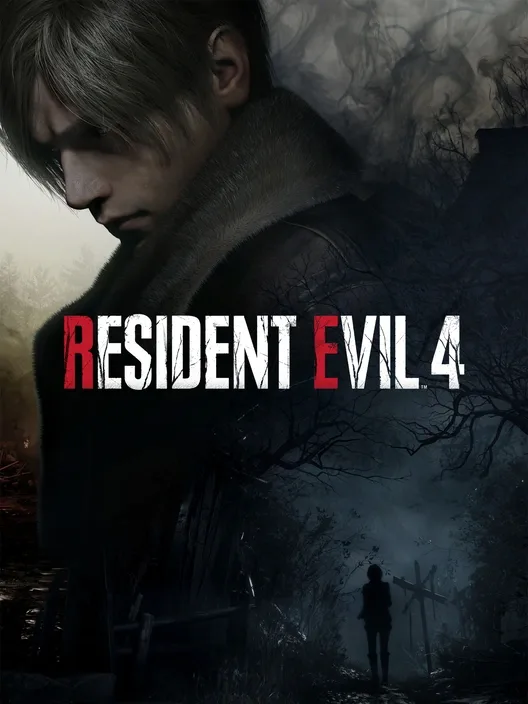
Capcom released the remake of Resident Evil 4 in March 2023, rebuilding the 2005 original for modern hardware while keeping Leon Kennedy's rescue of the president's daughter in rural Spain. The knife now parries and can be repaired, the village fights have more ways to escape, and the Merchant's shop and the Attaché Case inventory still provide the game's quiet, satisfying rhythm. It earned a Metacritic score of 93 on PlayStation 5, and critics praised how it modernized a classic without losing its identity. The set pieces, from the lake monster to the castle, are among the best in the series. The caveat is that some changes to the story and tone, including Ashley's escort sections, divide fans of the original, and the game is a little less strange than its predecessor.
29. Metal Gear Solid#
Konami released Metal Gear Solid in September 1998 for the original PlayStation, and Hideo Kojima's stealth thriller made the console's 3D power feel cinematic. Solid Snake infiltrates Shadow Moses Island, and the bosses, such as Psycho Mantis, who reads the memory card, and Sniper Wolf, are creative and personal. Codec conversations, a soaring orchestral score and a twisting nuclear-threat plot gave the game a film-like scope. It holds a Metacritic score of 94, and its influence on stealth and story-driven games is enormous. The caveat is its age: the fixed overhead camera gets in the way of aiming, the codec exposition runs long, and the low-polygon visuals look rough, which is why many players start with the Twin Snakes remake or a modern collection.
30. Metal Gear Solid 3: Snake Eater#
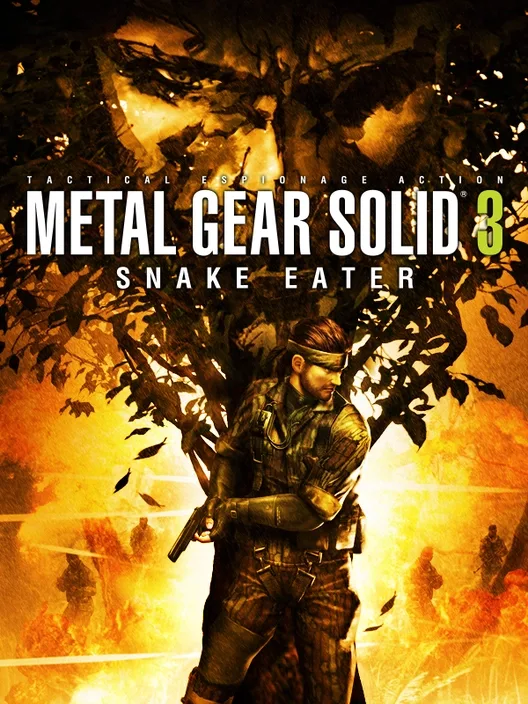
Konami released Metal Gear Solid 3: Snake Eater in November 2004, sending Naked Snake into a 1960s Soviet jungle in a story directed by Hideo Kojima. Camouflage, stamina, hunting for food and treating injuries in a menu make survival part of the stealth, and boss fights such as The End, a sniper duel that can last hours or be won by changing the console clock, remain legendary. The game holds a Metacritic score of 91. The emotional finale, with the confrontation between Snake and The Boss, ranks among the most affecting endings in games. The caveat is that the camera in the original release is fixed and awkward for aiming, the long cutscenes will test patience, and the survival mechanics are simple.
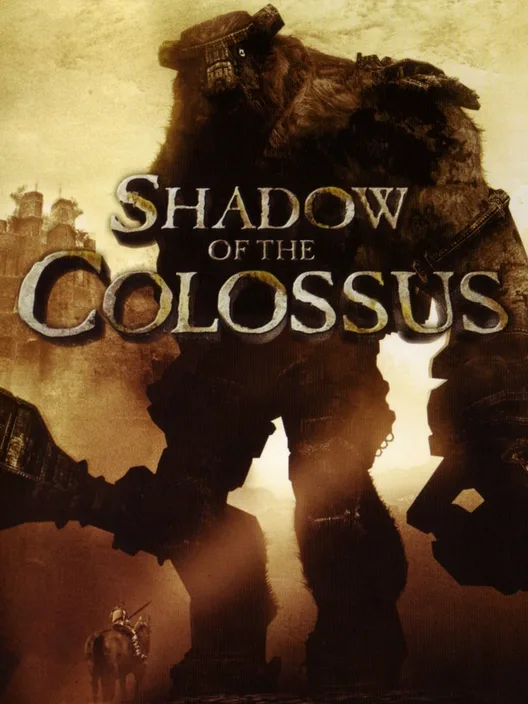
31. Shadow of the Colossus#
Team Ico and Sony released Shadow of the Colossus in October 2005 for the PlayStation 2, sending a young wanderer across a vast, empty land to topple sixteen giant creatures. Each colossus is both a boss fight and a puzzle, since the player has to climb its fur and find the weak points as it tries to shake the rider off. The silence between fights, the melancholy score by Kow Otani and the sense that each victory has a cost make it one of the strongest arguments for games as art. The PS2 original holds a Metacritic score of 91, and Bluepoint's 2018 PlayStation 4 remake scores about the same. The caveat is that the PS2 original struggles with an unsteady frame rate, and the controls, especially the camera and horse, can be awkward.
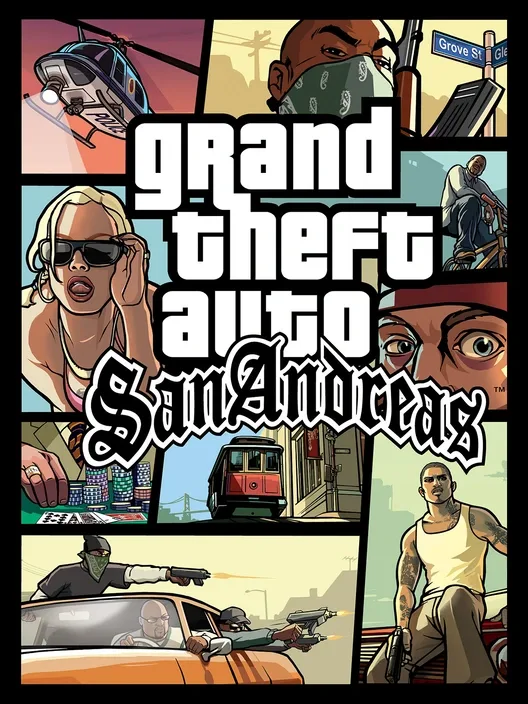
32. Grand Theft Auto: San Andreas#
Rockstar North released Grand Theft Auto: San Andreas in October 2004, giving Carl Johnson a state-sized map made up of Los Santos, San Fierro and Las Venturas. It added RPG-style stats, gang territory wars, gym and food systems, and radio stations, with a soundtrack that captured early-1990s hip-hop, rock and funk. It holds a Metacritic score of 95 and is one of the best-selling PlayStation 2 games of all time. Its scale, from countryside to three distinct cities, was astonishing for its generation. The caveat is that the original's controls and aiming feel clumsy, some missions, especially the flying ones, are notoriously difficult, and the 2021 Definitive Edition was poorly received.
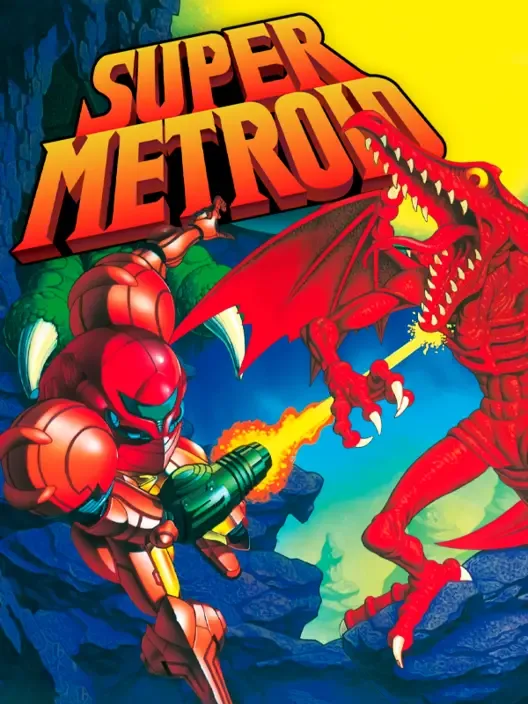
33. Super Metroid#
Nintendo R&D1 and Intelligent Systems released Super Metroid in March 1994 for the Super Nintendo, sending Samus Aran back to planet Zebes to recover a stolen Metroid. It set the template for a whole genre: a single connected map that opens up as new abilities, such as the Grapple Beam and Speed Booster, unlock different paths. The wordless opening on Ceres Station and the atmosphere of solitude, with music by Kenji Yamamoto and Minako Hamano, are part of its legacy. Retrospective lists regularly place it among the best games ever made. The caveat is that certain secrets, such as the shinespark technique, are not explained, and the map offers less guidance than modern players expect.
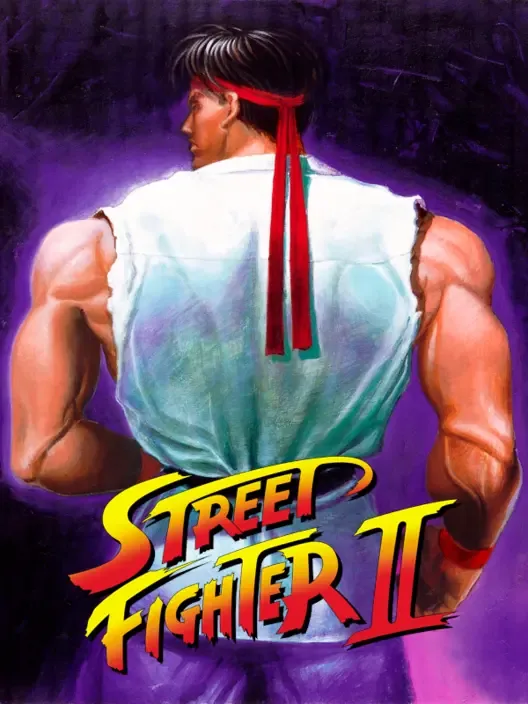
34. Street Fighter II#
Capcom released Street Fighter II: The World Warrior in the arcades in 1991 and brought it to the Super Nintendo in 1992, and it defined the modern fighting game. Eight selectable fighters, each with distinct special moves, a six-button layout and short combos that grew into a competitive art form filled arcades with players challenging each other. The game won a Golden Joystick Award in 1992, and its later Champion Edition and Turbo updates added boss characters and faster play, refining the balance. Its influence runs from Mortal Kombat and Tekken to the modern esports scene. The caveat is that the original single-player mode is a rough arcade challenge with a brutal final boss, and the roster is small by later standards.
35. Persona 5 Royal#
Atlus released Persona 5 Royal in Japan in October 2019, with a Western release in March 2020, as an expanded version of the 2016 role-playing game, following a group of students who steal the corrupted hearts of adults in Tokyo. Turn-based combat that rewards exploiting weaknesses is layered on top of a calendar of daily life, where building social links with characters shapes both the story and the party's power. Its Metacritic score of 95 made it the highest-rated game of 2020 on Metacritic, and its style, from the menus to Shoji Meguro's jazz-inflected soundtrack, is unmatched. The Royal edition adds a new semester and characters. The caveat is length, well over a hundred hours, and a slow opening, and some story elements have aged poorly.
36. Mario Kart 8 Deluxe#
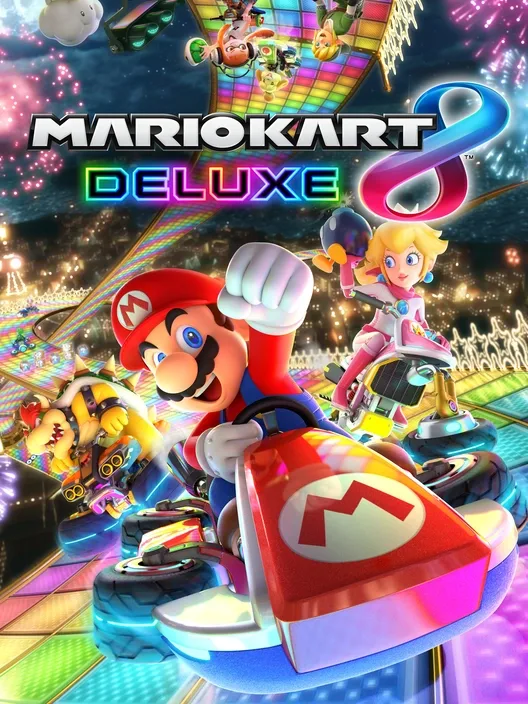
Nintendo released Mario Kart 8 Deluxe in April 2017 for Switch, an enhanced version of the Wii U original that includes all of its downloadable content, a revamped Battle Mode and an option to hold two items. The anti-gravity tracks, with courses that loop across walls and ceilings, combine with drift boosting and a rubber-band item system that keeps races close. It holds a Metacritic score of 92, up from 88 for the Wii U original. Rainbow Road, Mount Wario and the many retro tracks are a tour of Nintendo's history. The caveat is that the item balance can feel unfair, especially the blue shell, and the series plays it safe compared with the invention of its tracks.
37. Minecraft#
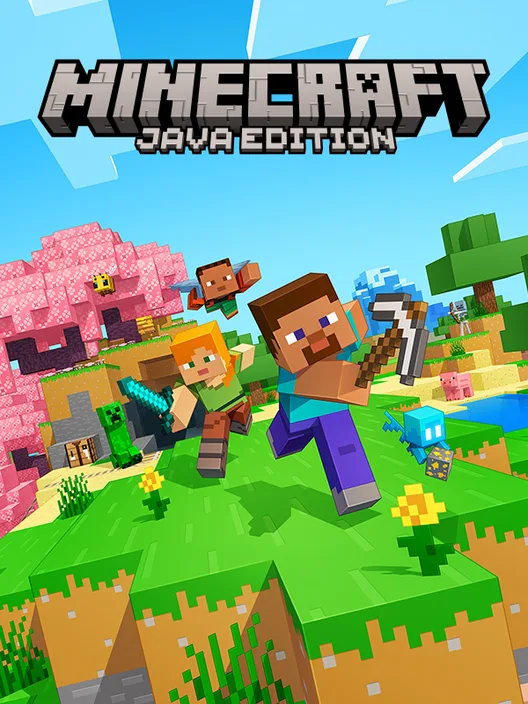
Mojang, led by Markus Persson and later Jens Bergensten, released the full version of Minecraft in November 2011 after a long alpha and beta, and it turned a block-based sandbox into a cultural phenomenon. The player mines, crafts and builds in an endless procedurally generated world, survives the night's monsters and can go on to construct anything from cottages to working computers. It is the best-selling game of all time, with more than three hundred million copies sold, and critics have consistently praised the creative freedom and the way it invites experiments. Its updates over more than a decade, from the Nether to caves and cliffs, have kept it fresh. The caveat is that it offers almost no direction for new players, the combat is basic, and much of the fun comes from friends and outside tutorials.
38. Stardew Valley#
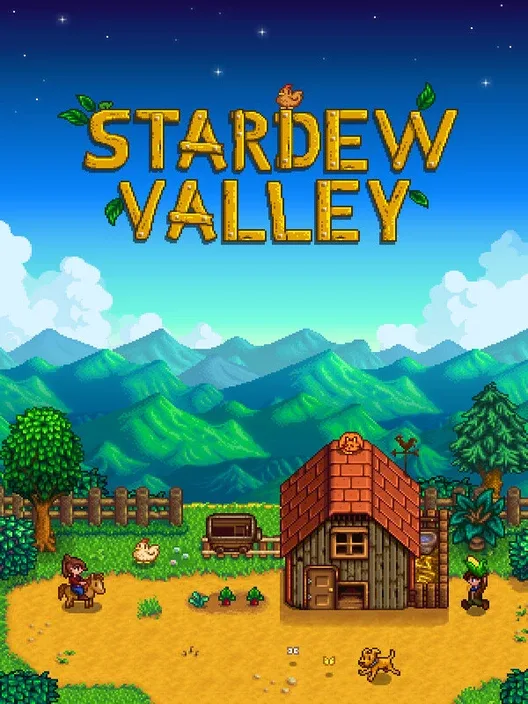
ConcernedApe, the solo developer Eric Barone, released Stardew Valley in February 2016, taking the farming-life template of Harvest Moon and expanding it. Planting seasonal crops, mining in the caves, fishing, befriending villagers and restoring the community center all feed into each other, so a day always contains one more thing to do. It holds a Metacritic score of 89 and has been updated for years with free content. The pixel art, Barone's soundtrack and the gentle rhythm of the seasons give it a rare comfort. The caveat is that late-game progression can turn into spreadsheet-like optimization, and its relationship system is basic, even though the world is warm.
39. Celeste#
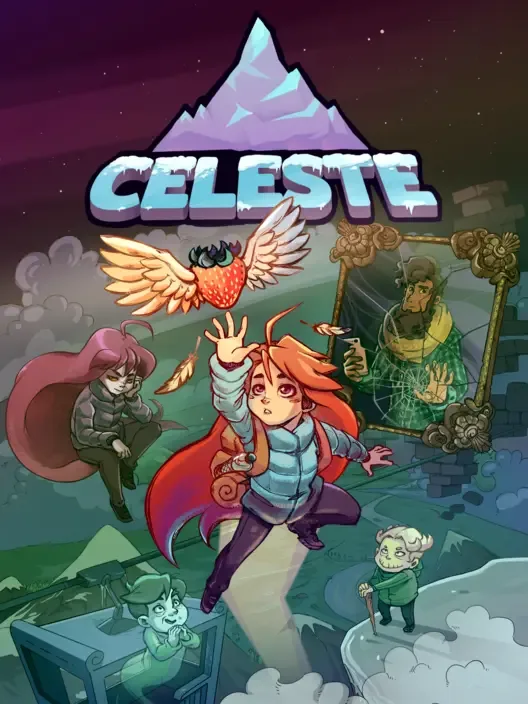
Matt Makes Games, the team of Matt Thorson and Noel Berry, released Celeste in January 2018, a precision platformer about climbing a mountain and a young woman's struggle with anxiety. Its controls are limited to jumping, climbing and a single dash, yet each chapter introduces a new twist, and the generous Assist Mode lets players tune the difficulty. It holds a Metacritic score of 92 on Switch, and critics praised how mechanics and story reinforce each other. Lena Raine's soundtrack is a highlight. The caveat is that the optional B-Side and C-Side levels and the Farewell chapter demand extreme precision, and the story's pacing in the final chapters can feel heavy-handed to some.
40. BioShock#
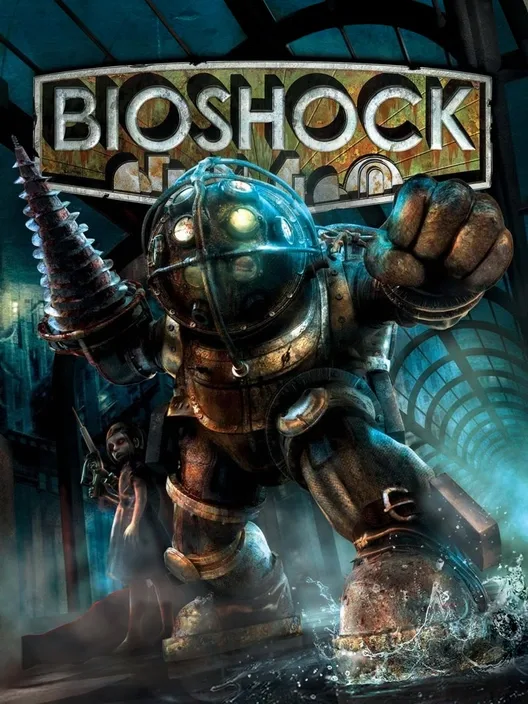
Irrational Games and 2K released BioShock in August 2007, dropping the player into the ruined underwater city of Rapture. Plasmids grant supernatural powers alongside weapons, the Big Daddies and Little Sisters create tense moral choices, and audio diaries tell the city's fall through voices. It holds a Metacritic score of 96 on Xbox 360, and its mid-game twist, in the Would You Kindly sequence, remains one of the most discussed moments in the medium because it comments on the very act of following orders in a game. Rapture's art deco design is unforgettable. The caveat is that the final third, including the boss fight with Fontaine, is weaker than the opening, and the shooting is conventional next to its ideas.
41. Super Smash Bros. Ultimate#
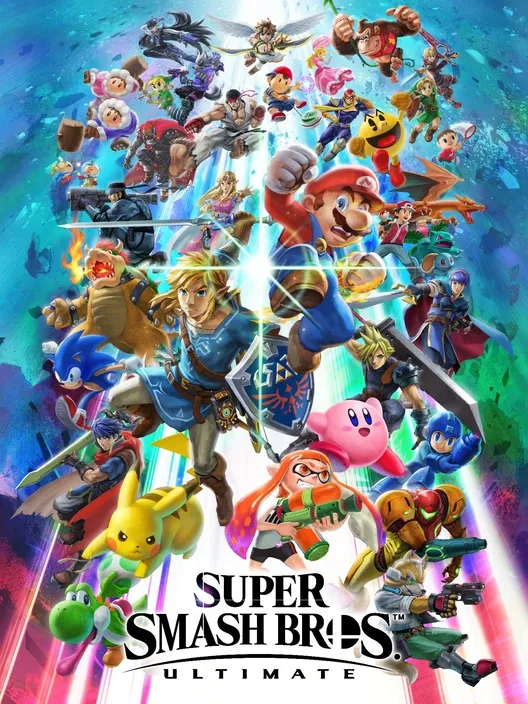
Nintendo and Bandai Namco Studios released Super Smash Bros. Ultimate in December 2018 for Switch, gathering every fighter from the series' history, together with guests such as Solid Snake, Cloud and Sora. Its platform-fighter design, where damage raises the distance a character is knocked instead of depleting a health bar, welcomes newcomers and still supports a serious competitive scene. It holds a Metacritic score of 93 and won Best Fighting Game at The Game Awards 2019. The scale, from a roster of more than eighty fighters to well over a hundred stages and hundreds of music tracks, is unmatched. The caveat is that the World of Light adventure mode is repetitive, online play depends on connection quality, and some fans miss the deeper mechanics of Melee.
42. Doom#
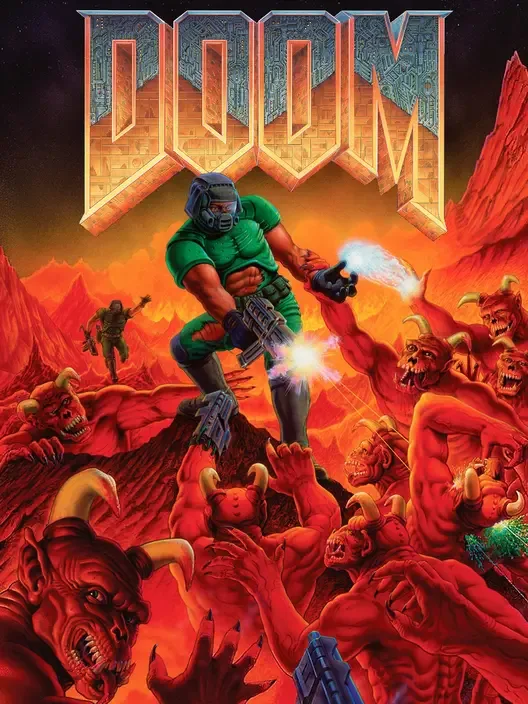
id Software released Doom in December 1993, a fast first-person shooter that spread through shareware to millions of PCs. The engine by John Carmack, the level design of John Romero and Sandy Petersen, and Bobby Prince's metal-inspired score made the demon-infested Mars base feel dangerous and thrilling, with keycards, secrets and elevated arenas that reward exploration. It defined the first-person shooter, and its support for user-made levels started a modding community that is still active today, helped by id's 1997 source-code release. It also introduced network deathmatch to a mass audience. The caveat is that the levels are maze-like and can be confusing without the automap, the weapon and enemy variety is small next to modern shooters, and the original aim system offers no vertical control.
43. Silent Hill 2#
Konami's Team Silent released Silent Hill 2 in September 2001 for the PlayStation 2, sending James Sunderland into a fog-covered town after a letter from his dead wife. Instead of monsters for their own sake, the horror is psychological: Pyramid Head and the grotesque nurses reflect James's guilt, and Akira Yamaoka's score mixes industrial noise with heartbreaking melodies. It holds a Metacritic score of 89, and the 2024 remake by Bloober Team earned 86 to 87, showing how well the story has held up. The multiple endings, which respond to small choices, reward a second playthrough. The caveat is that the original's tank-like controls, clumsy combat and fixed camera angles test modern players, and the stiff voice acting and awkward dialogue can put newcomers off.
44. Tony Hawk's Pro Skater 2#
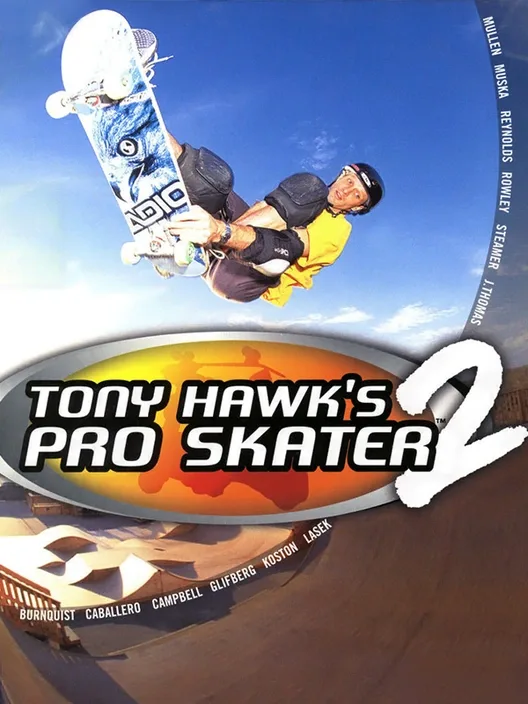
Neversoft and Activision released Tony Hawk's Pro Skater 2 in September 2000, and its Metacritic score of 98 makes it one of the highest-rated games ever and the best-reviewed entry of its series. The addition of manuals allowed players to chain tricks into huge combos across large skate levels, while the Create-a-Skater and Create-a-Park modes gave the game lasting appeal. A soundtrack of punk, rap and rock defined a generation, and the two-minute run structure makes every attempt feel short and replayable. Its reputation carried into the 2020 remake collection. The caveat is that the original's blocky graphics have aged, the goals can be repetitive, and it favors memorizing lines over freeform experimentation.
45. Sid Meier's Civilization IV#
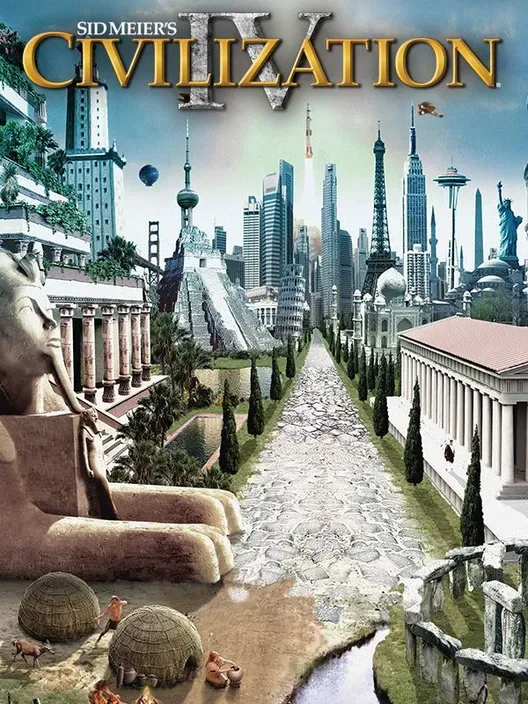
Firaxis Games released Civilization IV in October 2005, refreshing the turn-based classic with a 3D map, religion, great people and a deeper diplomacy and trade system. Building an empire from a single settler to the space race has never felt more open-ended, and its ideas about civics and cultural borders gave every game its own story. Critics named it among the best strategy games ever made, it won several Game of the Year awards, and its theme, Baba Yetu, became the first video game music to win a Grammy Award. It was also highly moddable, which extended its life. The caveat is that late-game turns get long, the artificial intelligence can be exploited, and many strategy fans now prefer the later Civilization V and VI for their refinements.
46. StarCraft#
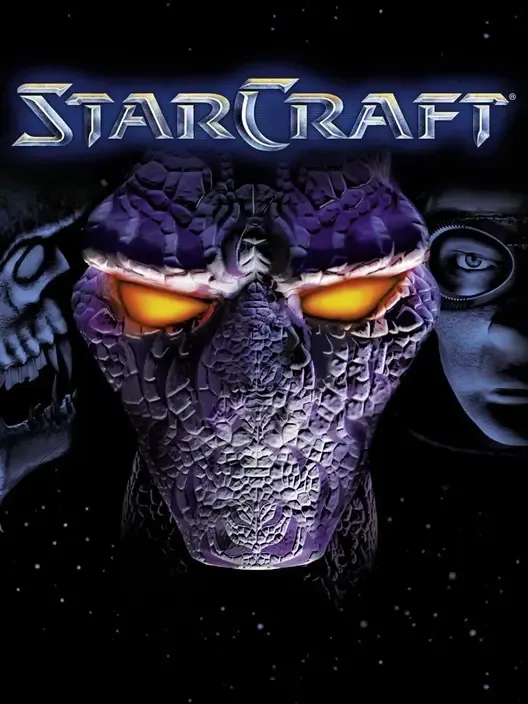
Blizzard Entertainment released StarCraft in March 1998, a real-time strategy game where the Terran, Zerg and Protoss play in three completely different ways, yet stay remarkably balanced. Its campaign, with characters such as Jim Raynor, Sarah Kerrigan and Arcturus Mengsk, tells a science-fiction saga through mission briefings, and the expansion Brood War became the foundation of professional competition, especially in South Korea. The game holds a Metascore of 88, and critics praised its balance and presentation. Its influence on esports and on strategy design lasts to this day, and the 2017 Remastered edition keeps it playable. The caveat is that the interface, with its limited unit selection and lack of modern conveniences, feels demanding, and the campaign missions can be uneven.
47. Age of Empires II: The Age of Kings#
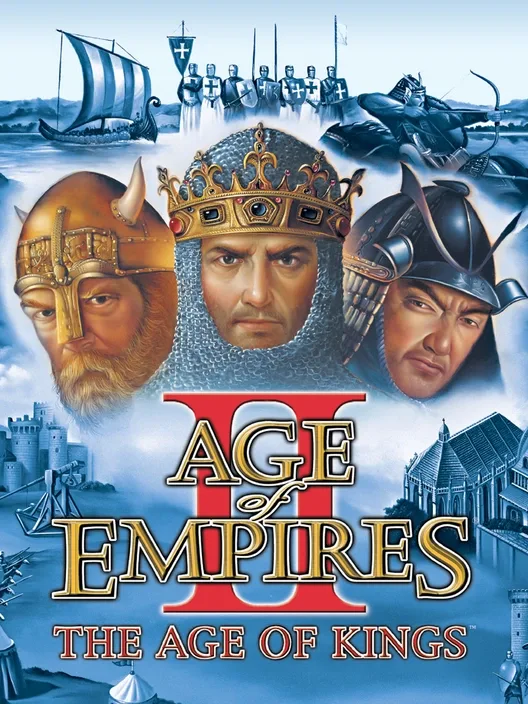
Ensemble Studios and Microsoft released Age of Empires II: The Age of Kings in September 1999, a real-time strategy game that follows civilizations from the Dark Age to the Imperial Age. Its thirteen distinct civilizations, well-chosen unit counters and campaigns about Joan of Arc, Saladin and Genghis Khan blend history with dependable strategy. It holds a Metacritic score of 92 and has had an unusually long life, revived by the 2019 Definitive Edition that added better graphics and support for a healthy online community. Its economy-and-army balance is easy to understand but hard to master. The caveat is that the pathfinding and unit control can be clumsy, the early pace can seem slow for newcomers, and the interface lacks many conveniences that newer strategy games take for granted.
48. Pokémon Gold and Silver#
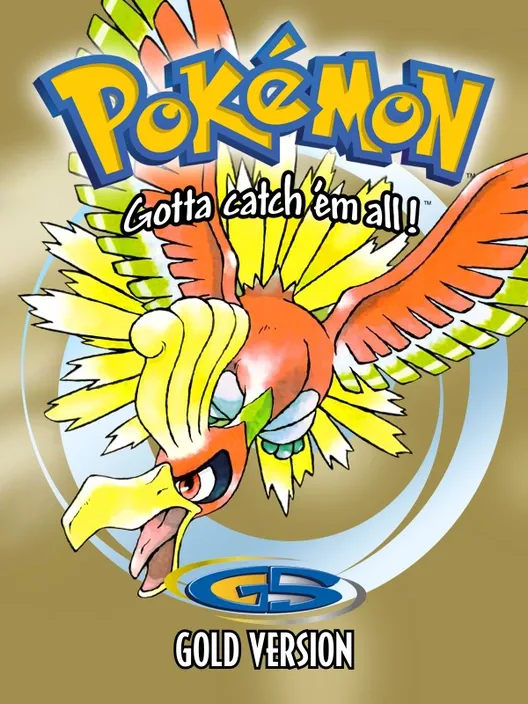
Game Freak and Nintendo released Pokémon Gold and Silver in Japan in November 1999 for the Game Boy Color, and in the West in 2000, expanding the catch-and-battle formula to a second region. Johto and, after the Elite Four, the return to Kanto give the player two full adventures, and additions such as breeding, a real-time clock, held items and the Dark and Steel types made the first generation's mechanics deeper. Its remakes, HeartGold and SoulSilver, are among the highest-rated Nintendo DS games on Metacritic. The caveat is that the early game leans on trial and error, and the difficulty spike before and after the Elite Four can feel abrupt.
49. Outer Wilds#
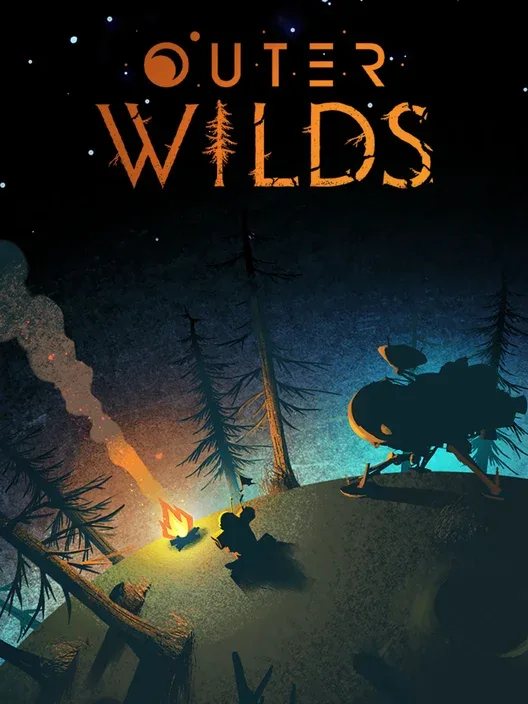
Mobius Digital, led by Alex Beachum, released Outer Wilds in May 2019, a space-exploration mystery in which the player is trapped in a twenty-two-minute time loop before the sun goes supernova. All the knowledge needed to progress is found through observation, since no upgrades or abilities are gained, and each cycle reveals a little more of the ancient Nomai civilization's secrets. It holds a Metacritic score of 85 but has a reputation that goes beyond it, with Polygon, Giant Bomb and Eurogamer naming it their Game of the Year, and it won Best Game at the 2020 BAFTA Games Awards. Andrew Prahlow's soundtrack and the physical, hand-crafted solar system are highlights. The caveat is that flying the ship can be fiddly, and the game is best played blind, which makes it hard to discuss.
50. Sonic the Hedgehog 2#
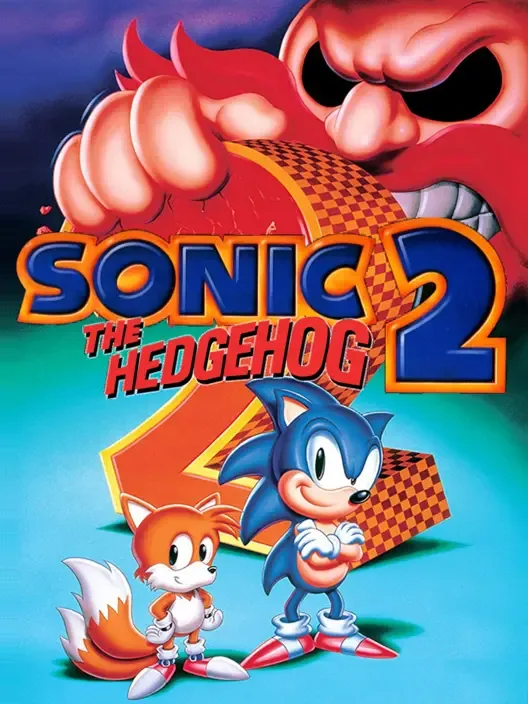
Sega Technical Institute released Sonic the Hedgehog 2 in November 1992 for the Mega Drive and Genesis, adding Tails as a sidekick, the Spin Dash and a two-player split-screen mode to the original's formula. Its speedy zones, from Emerald Hill to Chemical Plant, and its half-pipe special stages helped make the hedgehog a mascot to rival Mario. Contemporary reviews were glowing, with GameFan awarding it 98.5 percent, though its aggregate Metascore of 78 shows that later critics are less unanimous. Masato Nakamura's music and the bright, fast art remain a classic of 16-bit design. The caveat is that speed can be undone by cheap hazards, the late zones such as Metropolis and Death Egg are punishing, and Sonic 3 & Knuckles is often considered the more polished follow-up.
Taken together, these games show how varied critical consensus can be: open-world epics, tight platformers, strategy classics, fighting games, story-driven blockbusters and small independent projects share the same list. Consensus is also a snapshot that moves over time as new releases arrive and old classics are reassessed, so the order should be read as an informed opinion rather than a final verdict. The best next game is the one that suits a particular player, and each of these is a reliable place to start.