 Elden Ring
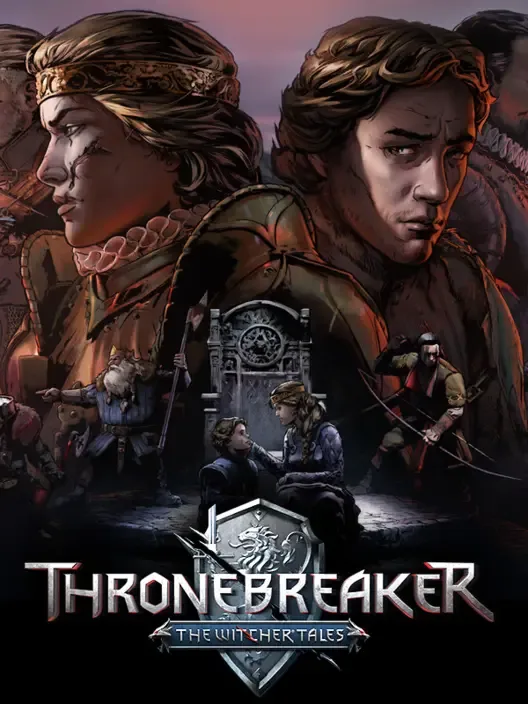
 The Witcher 3: Wild Hunt
 The Elder Scrolls V: Skyrim
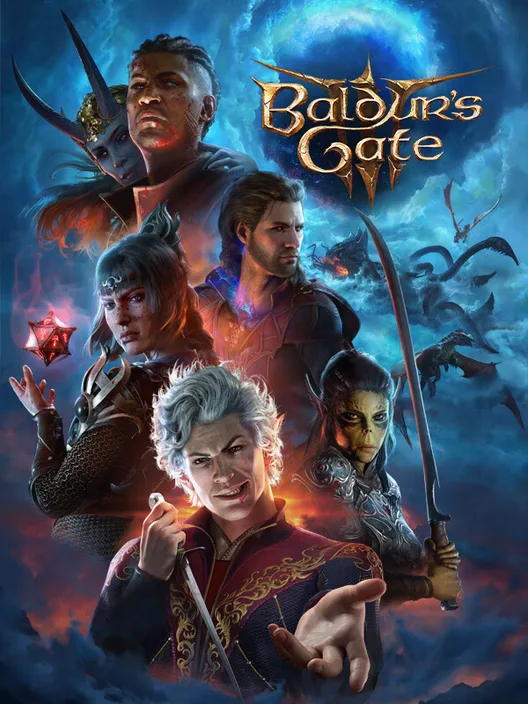 Baldur's Gate III
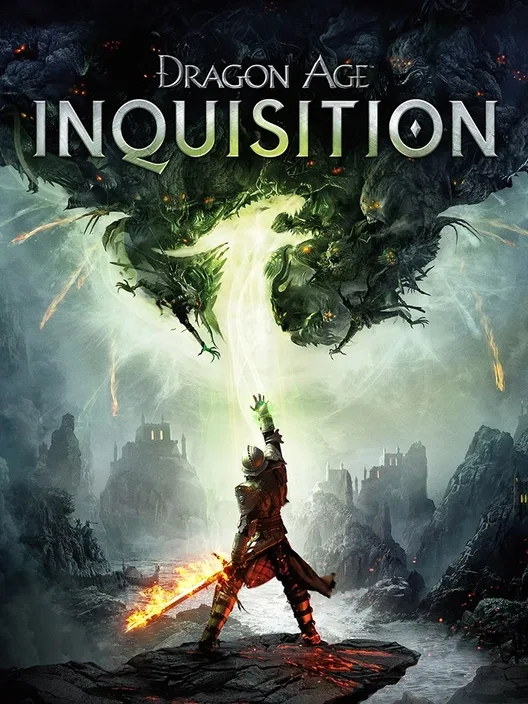 Dragon Age: Inquisition
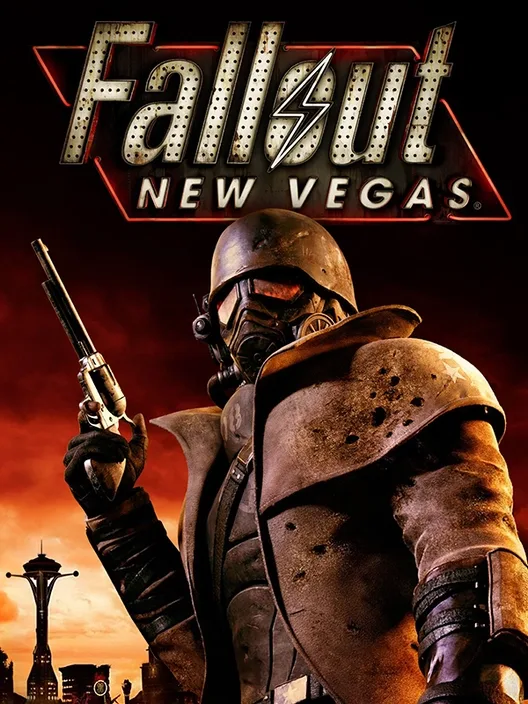 Fallout: New Vegas
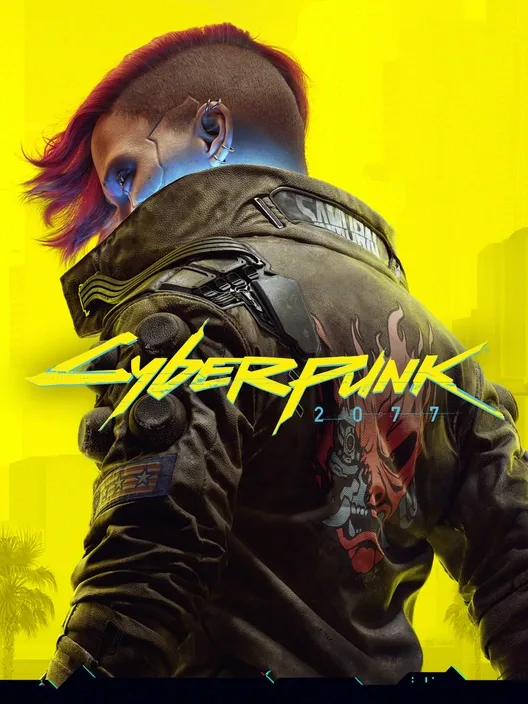 Cyberpunk 2077
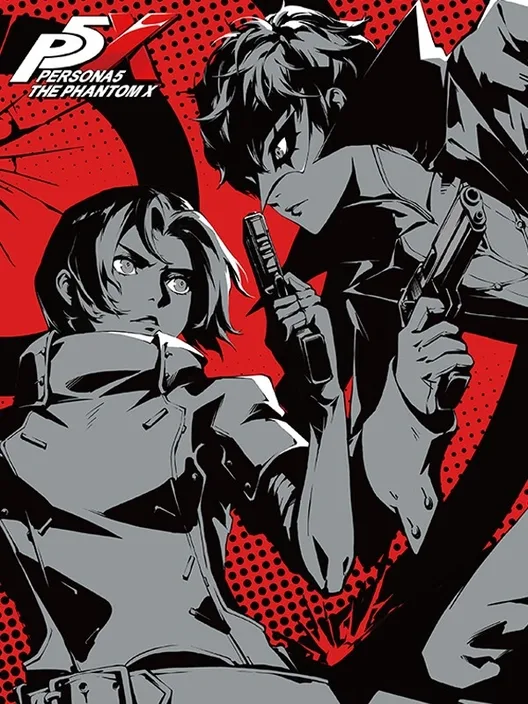
 Persona 5 Royal
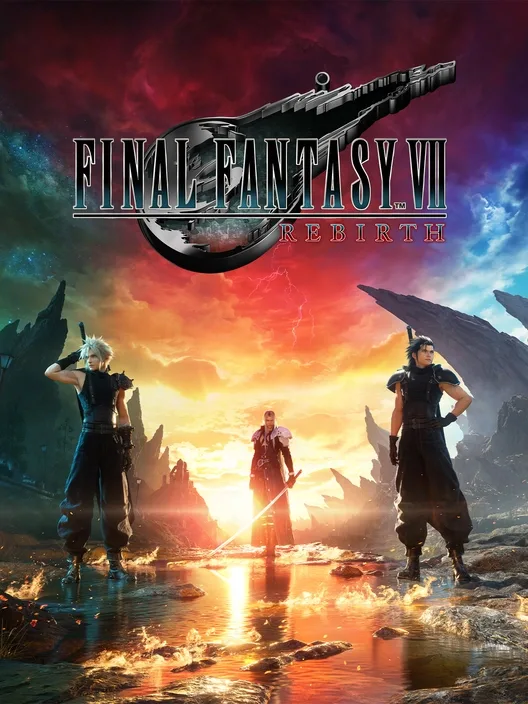 Final Fantasy VII Rebirth
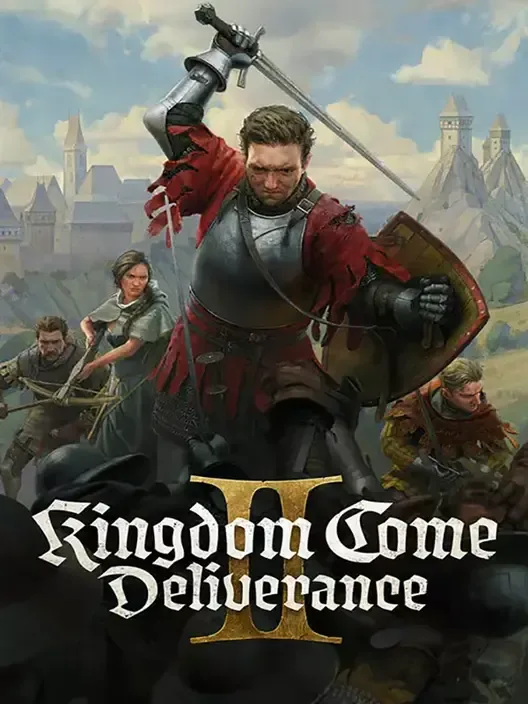 Kingdom Come: Deliverance II
This is GameAvant's own ranked list of the best RPG games right now, built from the site's combined critic-and-player rating data rather than picked by hand. "RPG" on this page means games built around character building, meaningful choices, and progression that actually changes how the game plays: a class or build that reshapes combat, a dialogue or reputation system with real consequences, a stat sheet or skill tree that turns a generic protagonist into something the player made. It does not mean anything with a health bar and a story — action games and roguelikes that borrow leveling or loot systems without that deeper build-and-consequence loop live on the separate action-games page instead, because judging Elden Ring's boss design and Baldur's Gate III's reactivity by the same yardstick flattens what makes each of them work.
The order below comes from blending IGDB's aggregate critic score with Steam's own user review percentage, and it shifts as more people rate these games or as new ones join the catalog. That means a few franchise giants sit next to smaller, more niche titles ranked by the same math rather than by name recognition — a small, devoted fanbase rating something 97% positive isn't automatically the same kind of credibility as a blockbuster rated 90% by tens of thousands of players, so this list applies real editorial judgment on top of the raw numbers rather than reprinting them unfiltered. Read the write-ups below for what each of these best RPG games actually does well and where it falls short. Whether you're chasing the best RPGs of the moment or looking for RPGs worth playing right now regardless of release date, the rank tells you how a game currently scores, not which one is right for you.
1. Baldur's Gate III#
Larian's adaptation of Dungeons & Dragons 5th Edition earns the top spot by treating its ruleset as a toolbox rather than a straitjacket — a Gloomstalker Ranger multiclassed into Assassin Rogue can open nearly every fight with a guaranteed critical hit from stealth, while a straight Wild Magic Sorcerer turns every spell slot into a small gamble with the game's own systems. Companions like Astarion and Shadowheart carry entire subplots that shift based on approval, race, and class choices made hours earlier, and the game tracks far more of that state than most RPGs bother to. The Underdark alone offers more genuine content variety — a mushroom-forest economy, a drow enclave, an entire hidden ecosystem — than some full games manage in a single act. It is a strong contender for best RPG of its console generation, and one of the clearest answers going if someone asks what the best RPG games of the decade are. The honest drawback: Act Three's city of Baldur's Gate is dense enough with quests and NPCs that the game visibly strains under its own scope, with bugs and pacing dips that the earlier acts mostly avoid.
2. Elden Ring#
FromSoftware's open-world reinvention of the Souls formula keeps the series' punishing, deliberate combat intact while handing players an entire continent to ignore a wall they can't beat yet. The Ashes of War system, letting any weapon be reforged with a different skill and elemental affinity, means a Bloodhound's Fang can play as a bleed-focused dash weapon or a straightforward slash-and-thrust depending entirely on what's socketed into it — genuine build variety on a per-weapon basis rather than a fixed moveset. Malenia, Blade of Miquella remains one of the hardest boss fights the studio has ever shipped, a two-phase fight whose life-steal mechanic punishes hesitation as much as mistakes. The Land of Shadow expansion added an entire second map's worth of content in 2024 without diluting what made the base game work. The honest drawback: the open world's pacing occasionally works against it, with several optional dungeons reusing the same boss encounters the main path already featured, and the game offers no map markers for quest objectives, which some players read as immersive and others read as simply obtuse.
3. Disco Elysium: The Final Cut#
ZA/UM's detective RPG replaces combat almost entirely with a skill-check dialogue system, where internalized voices like Volition, Inland Empire, and Electrochemistry argue with the player character's own judgment in real time, sometimes lying to him, sometimes offering the only honest read in the room. Building a character here means deciding what kind of disaster of a cop to be — a walking authoritarian breakdown, or an "art cop" who reads graffiti tags as a form of literary criticism — and those choices reshape entire conversations rather than just combat stats. The game's central murder investigation stays genuinely uncertain until the end, and multiple radically different political and personal readings of the world remain coherent depending on which skills got invested in early. The Final Cut added full voice acting and new questlines without touching what already worked. The honest drawback: there is no combat to speak of and very little traditional "gameplay" in the genre's usual sense, which is a dealbreaker for players who want an RPG's mechanical challenge alongside its writing.
4. Chrono Trigger#
Square's 1995 classic remains one of the tightest RPGs ever designed, built around time travel as an actual gameplay mechanic rather than a plot device — actions taken in 65,000,000 BC or the Middle Ages visibly change the world of 1000 AD and 2300 AD when the party returns there. The Dual and Triple Tech system, combining two or three characters' individual techs into a new attack entirely (Crono and Marle's Ice Sword, or the three-person X-Strike), rewards party composition thinking that most turn-based RPGs from the era never attempted. Multiple endings branching on when and how the final boss is confronted gave the game replay value most 16-bit RPGs didn't bother building. The genuinely surprising New Game Plus, letting a second playthrough skip straight to any of a dozen different endings, was ahead of its time by decades. The honest drawback: by modern standards the game is short and mechanically simple, and several of its most interesting time-travel consequences are easy to miss entirely on a first playthrough without a guide.
5. The Witcher 3: Wild Hunt#
CD Projekt Red's open-world epic makes Geralt's alchemy and sign-casting toolkit — Igni for burst fire damage, Quen for a absorbing shield, oils applied per-monster-type before a hunt — matter more than raw stat growth, turning monster contracts into small research projects rather than pure combat checks. The Bloody Baron questline is the clearest evidence the writing can carry the whole game: a domestic tragedy with no clean solution, where every dialogue option trades one bad outcome for a different one rather than offering a hidden "good" answer. The Gwent card minigame became popular enough to spin off into its own standalone game, a rare case of a side activity outgrowing its host. The Blood and Wine expansion's Toussaint region remains some of the best world design the genre has produced. The honest drawback: the base combat, while serviceable, is the weakest part of the package next to the writing and world design, and the early hours undersell how good the game becomes once Geralt's full toolkit opens up.
6. Persona 5 Royal#
Atlus's definitive re-release of Persona 5 layers a full extra semester, a new companion in Kasumi Yoshizawa, and a rebalanced Third Semester epilogue onto an already dense social-link-and-dungeon-crawling loop. The Persona-fusion system, combining two demons into a stronger one that inherits skills from its parents, turns party building into an ongoing puzzle that rewards planning fusion chains days in advance. Confidant relationships — the game's social-link system — feed directly back into combat by unlocking new fusion options and combat bonuses, tying the visual-novel half of the game mechanically to the dungeon-crawling half rather than keeping them separate. The Palace heist structure, each one built around a specific villain's psychological distortion made architectural, gives every dungeon a distinct visual identity and puzzle logic instead of reused tilesets. The honest drawback: the game demands a serious time investment, comfortably over 100 hours for a full playthrough, and its rigid day-by-day calendar structure punishes any activity chosen without forethought.
7. Clair Obscur: Expedition 33#
Sandfall Interactive's 2025 debut reinvents turn-based JRPG combat by layering real-time dodges and parries onto every enemy attack, meaning a fight against Expedition 33's painters can be lost entirely to bad reflexes even with a perfectly optimized party. The Lumina and Pictos systems let characters equip passive effects lifted from earlier fights, so late-game builds can stack unlikely combinations — a tank character built around counterattacking every parry, for instance — that the game never explicitly points players toward. Gustave, Lune, Maelle, and the rest of the expedition each play distinctly enough that switching a lead character mid-fight changes the whole approach rather than just the character model. The Gommage premise, a mysterious painted entity erasing everyone above a certain age each year, gives the story genuine urgency without over-explaining itself early. The honest drawback: the parry-timing demands are unforgiving enough that players who want a purely turn-based, strategy-first JRPG experience may find the reflex layer an unwelcome addition rather than a refinement.
8. Suikoden II#
Konami's PS1 classic is still cited as one of the best RPGs of its era for a reason most modern RPGs still haven't matched: 108 recruitable Stars of Destiny, each with a name, a role, and a place in the player's own castle headquarters that grows as more of them join. The war-strategy battles, entirely separate from the main turn-based combat system, force army-level tactical thinking on top of the usual party-building loop. The rivalry between protagonist and former friend Jowy Atreides carries real emotional weight specifically because the split between them is political and structural rather than a simple villain turn. Recruiting all 108 Stars unlocks additional content and endings, giving the collection mechanic actual narrative payoff rather than being a checklist for its own sake. The honest drawback: several of the rarer Stars require obscure, easy-to-miss requirements that all but demand a guide, and the game's PS1-era translation and localization show their age in ways the story itself mostly doesn't.
9. Kingdom Come: Deliverance II#
Warhorse Studios' 2025 sequel follows Henry through Bohemian Paradise and the city of Kuttenberg with the same commitment to grounded, no-magic medieval realism that defined the first game, now with a genuinely overhauled combat system that makes sword-fighting readable rather than a directional-input guessing match. Reputation now tracks per-region rather than globally, meaning a crime in one town doesn't follow Henry to the next, and disguises and social class visibly change how NPCs react, which turns basic questgiving into a believable simulation rather than a menu of fetch-quests. The game's refusal to include fast travel without in-world justification, or a minimap that spoon-feeds objectives, keeps the sense of being a specific person in a specific century intact throughout. Alchemy, blacksmithing, and lockpicking all function as genuine skill-based minigames rather than a stat check disguised as an activity. The honest drawback: the commitment to realism cuts both ways, and players wanting the more forgiving, fantastical structure of a Witcher or Skyrim will find Deliverance II's punishing combat and slow early hours a real barrier.
10. Divinity: Original Sin II - Definitive Edition#
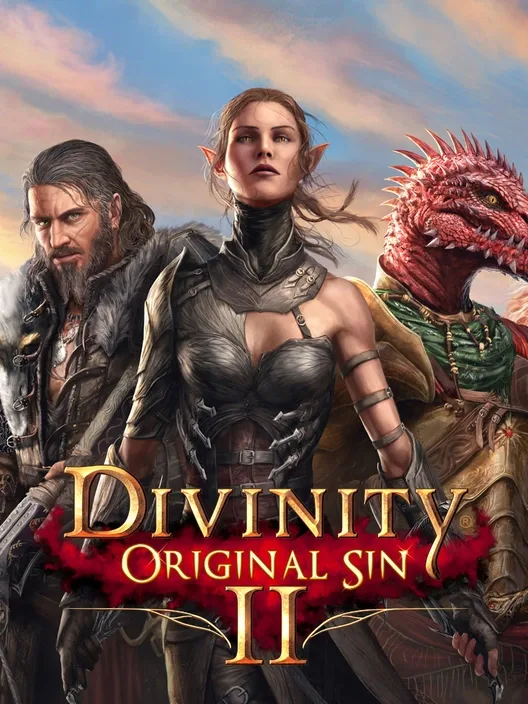
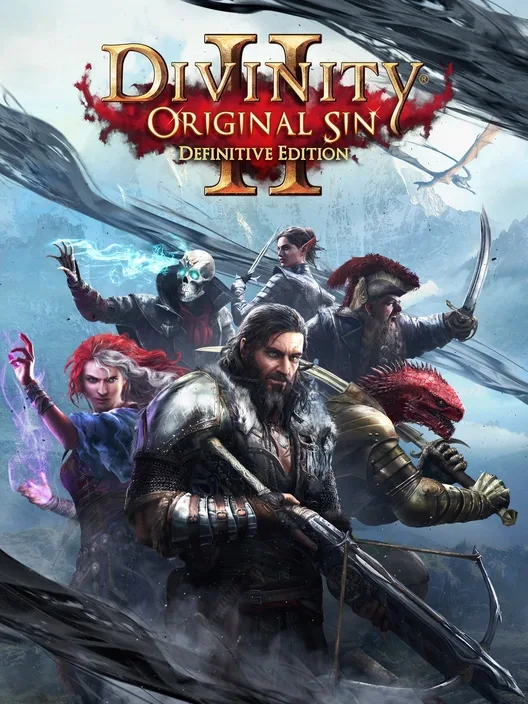
Larian's own predecessor to Baldur's Gate III still holds up as one of the deepest tactical RPGs on the market, built around an elemental-interaction combat system where poison ignites, water conducts electricity, and oil combines with fire into a battlefield hazard the player set up deliberately three turns earlier. Origin characters, each with a fully written personal quest running parallel to the main story, mean the same campaign plays as a genuinely different narrative depending on which two or four are chosen for the party. The Lone Wolf talent, which removes two of a four-person party's slots in exchange for massively boosting the remaining two, supports an entirely different playstyle for players who want fewer, more powerful characters rather than a full squad. Multiplayer support for the entire campaign, including a full PvP arena mode, gives it replay value most single-player RPGs don't attempt. The honest drawback: the elemental-interaction systems can spiral into fights lasting uncomfortably long once both sides start layering surfaces on top of each other, and the sheer number of systems is a real onboarding wall for newcomers to the genre.
11. Undertale#
Toby Fox's solo-developed RPG built its entire identity around a bullet-hell-style "SOUL" combat system where every encounter can theoretically be resolved without a single kill, and the game genuinely tracks whether the player has killed anyone at all, altering dialogue, endings, and even entire character arcs based on that running tally. Sparing enemies requires actively defusing an encounter through dialogue-adjacent actions specific to each monster — flirting with a whimsical ghost, complimenting a nervous vegetable — rather than a single universal "mercy" button, which makes the Pacifist route feel earned rather than handed over. Sans, the final boss of the Genocide route, remains one of the hardest fights ever built into an RPG specifically because it punishes players for the choices made in every earlier encounter. The game's soundtrack, composed entirely by Fox, does enormous narrative lifting on its own. The honest drawback: multiple full playthroughs are effectively required to see the game's actual point, and the deliberately retro, low-budget presentation is a real turn-off for some players expecting production values to match the depth of the writing.
12. Castlevania: Symphony of the Night#
Konami's 1997 reinvention of the Castlevania formula is where the series' RPG mechanics genuinely arrived — Alucard levels up from experience, equips a full loadout of weapons, armor, and relics, and can be built toward pure melee, familiar-summoning, or spellcasting depending on what the player finds and equips. The inverted castle, an entire second map unlocked after the credits roll by flipping the original layout upside down, doubled the game's content in a way almost nothing else from the era attempted. Finding the Crissaegrim, a broken-in-the-best-way sword that chains attacks faster than the game's own animation system expects, remains one of the most satisfying build discoveries in the genre. The metroidvania structure it popularized still shapes how exploration-based RPGs are designed decades later. The honest drawback: several of the deepest build options are locked behind obscure item locations with almost no in-game signposting, and newcomers unfamiliar with the genre's conventions can easily miss the inverted castle entirely.
13. The Elder Scrolls V: Skyrim#
Bethesda's open-world RPG builds its entire progression system around use rather than menus — swinging a sword levels the one-handed skill, sneaking around enemies levels Sneak, and the perk trees attached to each skill let a player build toward a Stealth Archer, a Destruction-mage battlemage, or literally anything in between without ever picking a fixed class at character creation. The Dragonborn's shout system, unlocked from defeated dragons and usable independently of any weapon loadout, adds a layer of build expression most fantasy RPGs don't attempt. Radiant quests keep the world feeling inhabited long after the main story ends, generating new bounties and errands indefinitely. The sheer volume of user-made mods, more than a decade after release, has arguably extended the game's relevance further than any of its own official content. The honest drawback: the base game's combat is famously stiff and simplistic compared to the depth of its systems elsewhere, and the main story itself is widely considered one of the weaker parts of the whole package.
14. Fallout: New Vegas#
Obsidian's post-apocalyptic RPG remains the series' high point specifically because of its faction-reputation system: siding with the NCR, Caesar's Legion, Mr. House, or an independent Vegas isn't a binary morality slider but a web of standing with a dozen smaller factions that shifts with nearly every quest completed. The Wild Wasteland trait, an optional toggle that reskins random encounters into stranger, more absurd versions, rewards players who want the game's dark humor turned up rather than played straight. Companion quests like Boone's revenge arc against the Legion carry real narrative weight tied directly to the faction systems rather than existing as a separate sidebar. The Speech and Barter skill checks are written with enough granularity that a high-Speech build can talk through entire quest chains that a combat build has to fight through instead. The honest drawback: the game shipped with serious technical instability that persisted across its original console releases, and several major questlines still show the seams of a rushed development cycle even in patched versions.
15. Cyberpunk 2077#
CD Projekt Red's cyberpunk RPG, after a rocky 2020 launch and years of patches culminating in the Phantom Liberty expansion, finally delivers on its core premise: cyberware implants aren't cosmetic, and a build stacked around Sandevistan time-dilation and a katana plays as a completely different game from one built around Netrunner hacking that disables enemies before a fight even starts. Night City's factions and fixers give the open world a sense of layered criminal ecosystem rather than a checklist of map icons, and the Phantom Liberty expansion's Dogtown district raised the writing quality of the whole game noticeably. Johnny Silverhand, occupying space in V's own head as a construct with his own agenda, gives the main story a second protagonist whose relationship with V changes based on choices made across dozens of hours. The honest drawback: the base game's initial reputation for bugs and cut content still colors how it's discussed, and several vehicle-combat and police-response systems remain noticeably shallower than the RPG systems around them.
16. Final Fantasy VII Rebirth#
Square Enix's continuation of the Remake trilogy expands Midgar's story across the wider world map, and the returning Materia system — slotting magic, support, and command orbs into weapons and armor in combinations that change what a single button press actually does — keeps combat build variety as deep as anything in the series' history. The open-world regions each carry their own side-activity identity, from Chocobo racing to a full card-game tournament built around Queen's Blood, giving side content actual mechanical weight rather than padding. Character-specific Synergy Abilities, combining two party members' moves into a single stronger attack, reward specific party pairings the way Chrono Trigger's Tech system did decades earlier. The honest drawback: the sheer density of side content and minigames occasionally works against the main story's momentum, and the game ends on a structural cliffhanger by design, being the middle chapter of a planned trilogy rather than a complete arc on its own.
17. Dragon Age: Inquisition#
BioWare's 2014 entry builds its combat around a tactical-pause camera that lets a full party's abilities be queued and executed with real positioning logic, distinguishing it from the more reflex-driven action of its own sequels in the wider genre. The specialization system, unlocking late-game subclasses like the Knight-Enchanter or the Champion, changes a character's entire skill tree rather than just adding a few new abilities on top of the base kit. Companion approval, tracked individually and tied to specific dialogue and quest choices, can end in outright confrontation if the Inquisitor's decisions drift too far from a given companion's values. The Trespasser epilogue expansion gives the entire trilogy's overarching plot a genuinely satisfying, consequential payoff. The honest drawback: the open-world regions, particularly the Hinterlands, are padded with repetitive fetch-quest design that the more focused main story and companion writing don't fully make up for.
18. Mass Effect 2#
BioWare's middle chapter in the Mass Effect trilogy restructures the entire game around recruiting and retaining a loyalty-mission roster — Mordin, Garrus, Legion, and the rest — where failing to properly resolve a companion's personal quest can get that same character killed in the endgame suicide mission, a genuinely rare instance of an RPG's choices carrying lethal, permanent stakes. The Paragon and Renegade interrupt system lets dialogue choices resolve into instant contextual actions mid-cutscene, occasionally violent, rather than a menu selection. Combat streamlined from the first game's more cumbersome inventory system into a tighter cover-and-powers loop that rewards class-specific builds like a Vanguard's biotic charge-and-shotgun combo. The Suicide Mission finale, where crew assignments and upgrade choices made across the entire game determine who lives, remains one of the best-executed consequence systems the genre has produced. The honest drawback: the game trims some of the first entry's RPG depth, particularly around inventory and skill trees, in favor of pacing and spectacle.
19. Phantasy Star IV: The End of the Millennium#
Sega's Genesis-era classic closes out the original Phantasy Star tetralogy with a combo-attack system, called Macro, that lets the player pre-script multi-character attack sequences and fire them off as a single command, a genuine quality-of-life innovation most turn-based RPGs of 1993 hadn't considered. The game's manga-style cutscene panels, used for major story beats instead of static text boxes, gave it a visual identity distinct from its Dragon Quest and Final Fantasy contemporaries. Party composition matters concretely: Force-users like Rune and Rika cast the game's most powerful spells but need careful positioning to avoid being one-shot by physical attackers, creating real risk-reward tension in party building. The story's connections to the earlier three Phantasy Star games reward long-time fans without locking newcomers out of following the plot. The honest drawback: by modern standards the game's difficulty curve spikes unevenly, and several late-game dungeons rely on grinding that a lot of contemporary RPGs have since designed away.
20. Shining Force II#
Camelot's 1994 tactical RPG for the Genesis remains one of the clearest examples of grid-based tactics RPGs done right, with a roster large enough — over thirty recruitable characters — that party composition becomes a genuine strategic layer rather than an afterthought. Promotion items, which evolve a character into a stronger class partway through the campaign (a Centaur becoming a Baldiore, for instance), give long-term investment in a specific unit real mechanical payoff rather than just a stat bump. Terrain and positioning matter concretely in every battle, with archers and mages needing protection from melee units who in turn need healers within range, forcing genuine formation thinking rather than a straightforward damage race. The lighthearted tone and surprisingly deep post-game content, including a bonus dungeon accessible only after specific in-game conditions are met, gave it replay value beyond the main campaign. The honest drawback: several promotion items are missable without a guide, permanently locking a character out of their strongest form for that playthrough.
21. Final Fantasy III#
Square's 1990 NES entry (localized outside Japan decades after release) introduced the job system that would go on to define much of the series' mechanical identity — any of the game's 22-plus jobs, from Black Mage to the endgame's Ninja and Sage, can be freely assigned and reassigned to any character, turning party building into an ongoing puzzle rather than a fixed set of roles decided at the start. The airship-driven overworld traversal, opening up the map dramatically partway through, was an ambitious structural choice for its hardware generation. Onion Knight, the game's iconic joke-turned-genuinely-powerful late-game job, rewards players willing to stick with a seemingly weak option long enough to see its late payoff. The World of Darkness dungeon gauntlet remains a genuinely difficult, systems-testing final stretch that demands real job-composition planning rather than pure grinding. The honest drawback: job-switching resets a character's level within that job, which makes experimentation costly, and several dungeons rely on trial-and-error mapping that has aged poorly compared to the series' later entries.
22. The Legend of Sword and Fairy#
Softstar Entertainment's 1995 Taiwanese RPG remains one of the most culturally significant games in Chinese-language gaming history, credited with helping legitimize the domestic games industry at a time when the market was dominated by imports. Built around wuxia and Chinese mythology rather than the Western-fantasy or Japanese tropes most RPGs of its era leaned on, its combat blends turn-based party fights with genre staples like elemental affinities and a distinct crafting-and-alchemy system for consumables. The love story between protagonist Li Xiaoyao and the tragic Zhao Ling'er became a genuine cultural touchstone across the Chinese-speaking world, spawning a franchise, a TV adaptation, and decades of nostalgia-driven remasters. The game's multiple endings, branching on relationship choices made across the story rather than a single final decision, gave it replay depth ahead of many Western contemporaries. The honest drawback: the game's age shows heavily in its interface and translation quality for non-Chinese-speaking audiences, and later entries in the franchise are, by most accounts, more mechanically refined than this foundational original.
23. Mario & Luigi: Bowser's Inside Story#
AlphaDream's Nintendo DS entry stands out even within its own beloved series for its structural gimmick: half the game is played as Bowser, swallowing enemies whole and using his own attacks (a fire-breath inhale-and-launch combo, for instance) while Mario and Luigi are simultaneously explored and fought from inside his body on the other half of the screen. The turn-based battle system's signature action-command inputs — timing a jump or hammer swing precisely rather than just selecting an attack from a menu — turn every fight into a light rhythm-and-reaction test layered on top of standard RPG stat-building. Bowser's own leveling and equipment system runs in parallel to the brothers', giving the game three simultaneous builds to manage rather than the series' usual two. The Special Attacks, requiring specific button-press sequences the longer they're used, reward genuine skill investment beyond raising stats. The honest drawback: the dual-screen, dual-perspective structure occasionally slows pacing when a puzzle requires switching between Bowser and the brothers repeatedly to progress.
24. Troubleshooter: Abandoned Children#
Dandylion's tactical RPG blends XCOM-style grid combat with a JRPG's density of systems, recruitable characters, and a genuinely massive amount of story content — well over fifty hours for a single campaign, with committed players regularly logging past 200. Set in a near-future megacity called Valhalla, the story follows Albus building his own private "Troubleshooter" company from scratch while getting pulled into a citywide conflict between corrupt police and organized crime. The class and stat-building system draws visibly from Final Fantasy Tactics, letting a single recruit be built toward a dozen viable roles depending on equipment and skill investment. Positioning, cover, and elevation matter concretely in every fight, turning even routine missions into genuine tactical puzzles rather than damage races. The honest drawback: the sheer number of systems and mission types is a real onboarding wall, and the game's relative obscurity outside a dedicated fanbase means little hand-holding exists for newcomers who get lost in its mechanical density.
25. Felvidek#
Vlado Ganaj and Jozef Pavelka's 2024 release is a genuine surprise: a Slovak-developed JRPG set in 15th-century Slovakia, following an alcoholic knight named Pavol as he's pulled into a fight against Hussite and Ottoman incursions on his homeland. The game leans hard on regional Central European history and folklore rather than the generic medieval-fantasy backdrop most Western RPGs default to, giving its world and character designs a genuinely distinct identity. Its turn-based combat system is straightforward by design, favoring party composition and item preparation over deep mechanical complexity, which keeps the game approachable without feeling shallow. The writing balances the protagonist's flaws — the alcoholism is played for neither cheap comedy nor melodrama — with a genuinely affectionate look at the region's history. The honest drawback: the small development team's budget shows in some of the game's animation and production polish, and its combat depth doesn't match the ambition of its writing and setting.
26. Lisa: The Painful#
Austin Jorgensen's cult RPG follows Brad Armstrong through a post-apocalyptic wasteland populated entirely by men, after a mysterious event killed every woman on Earth, and the game builds an entire moral framework around a single mechanic: Brad must repeatedly choose which party members to sacrifice to save his adopted daughter Buddy, and those choices are permanent, with no reload-and-fix-it safety net the genre usually provides. Combat draws on beat-em-up-style positioning and a deliberately punishing itemization system, where healing items are scarce enough that a single bad fight can cascade into a genuinely desperate resource crisis. The game's dark comedy, deployed constantly and without warning, whiplashes hard against moments of real, unflinching bleakness in a way that's clearly deliberate rather than tonal confusion. The Golden Bat's plotline in particular carries some of the darkest material the genre has attempted. The honest drawback: the game's content is genuinely disturbing by design, including material some players will find upsetting for reasons that go well beyond typical RPG stakes, and its skill-based platforming sections are considerably weaker than the RPG mechanics around them.
27. Fate/Grand Order#
Type-Moon and Delightworks' long-running mobile RPG has, over nearly a decade of continuous content updates, built one of the deepest turn-based combat systems in mobile gaming: three Servants selected per battle from a roster of hundreds, each with a Noble Phantasm ultimate attack whose card-alignment bonuses reward specific team compositions built around a shared Attack, Buster, or Arts focus. The Command Card system, where each Servant offers a hand of attack cards that must be sequenced rather than simply mashed, gives combat a genuine tactical layer most mobile RPGs skip in favor of auto-battle simplicity. The game's story arcs, particularly the Camelot and Salem chapters, are written with a density and seriousness that punches well above what "mobile gacha RPG" usually implies. The honest drawback, and it's a real one: character acquisition runs on a gacha system with genuinely low odds for the strongest Servants, and the game's presentation and interface still carry real jank left over from its 2015 Japanese launch.
28. Scarlet Hollow#
Black Tabby Games' episodic horror RPG builds its choices around a trait system — pick two of seven options like Book Smart, Street Smart, or the more esoteric Talk to Animals — that unlocks entirely different dialogue paths and problem-solving routes through the same core mystery, giving the game 21 distinct build combinations layered on top of branching story choices. Set in an Appalachian mountain town rarely used as an RPG backdrop, the game follows a custom protagonist reconnecting with estranged family for a funeral, only to get pulled into a supernatural mystery tied to the town's past. The writing, co-created by comic artist Abby Howard, treats horror and small-town dysfunction with equal seriousness rather than playing one for laughs. With five of a planned seven episodes released as of 2026, the ongoing release schedule means the story keeps expanding in scope with each chapter. The honest drawback: the game is still incomplete, and anyone starting now is committing to years of waiting for a conclusion that hasn't shipped yet.
29. Hades#
Supergiant Games' 2020 release (following two years in early access) frames its RPG progression around Zagreus's repeated escape attempts from the Underworld, and the systems justify a spot on an RPG list even though the genre's action-roguelike reputation precedes it. Boons offered by the Olympian gods — Zeus's chain lightning, Athena's deflect, Ares's doom damage — slot into a run-specific build that reshapes a single weapon's entire moveset, stacking into synergy combinations the game calls Duo Boons when two gods' effects overlap on the same character. Six base weapons, each with four distinct Aspects unlocked through Titan Blood investment (the Stygian Blade's Aspect of Arthur turning it into a slow, heavy-hitting counter weapon, for instance), function as the closest thing to a class system, permanently changing a weapon's base moveset rather than offering a cosmetic reskin. The Mirror of Night, a persistent meta-progression tree filled in with Darkness currency across failed runs, mirrors a traditional RPG's permanent stat growth, unlocking passives like Death Defiance that let a run survive a killing blow. Keepsakes, gifted by named NPCs back at the House of Hades, function as a build-defining accessory slot that can guarantee a specific god's boons appear on a given run. The honest drawback: build variety resets at the start of every run rather than persisting on a single character, so players wanting the traditional RPG feeling of one protagonist steadily accumulating permanent power will find Hades's roguelike structure a genuine mismatch for that expectation despite everything else it does well.
30. Final Fantasy X#
Square's 2001 entry for the original PlayStation 2 replaced the series' Active Time Battle system with the Conditional Turn-Based Battle system, where every action's speed value determines exact turn order on a visible turn list, turning even basic encounters into a puzzle of who acts before whom rather than a real-time scramble. The Sphere Grid replaces class-based leveling with a single sprawling board that every character shares conceptually, spending earned spheres to unlock stat nodes, abilities, and ability slots along a path roughly themed to each character's starting role, while Teleport Spheres let a player break characters out of their default section of the board entirely. Aeons, summoned to fully replace the active party for the duration of a fight, come with their own independent stat growth, movesets, and Overdrive gauges, turning Yuna's summoning mechanic into an entire secondary roster to build around rather than a one-off special attack. The Overdrive system gives each character a unique charge condition and a signature limit-break attack, from Tidus's rapid-hit Slice and Dice to Auron's stat-boosting Dragon Fang. Blitzball, a fully simulated underwater sport with its own recruitable roster and stat-driven matches, exists as an optional systems-heavy minigame layered on top of the main progression loop. The honest drawback: the game's world is structured as a single linear corridor with almost no explorable overworld until very late, and the Al Bhed-language sidequest and the notorious forced laughing scene remain frequently cited as the story's weakest stretches.
The ranking above blends IGDB's aggregate critic and user rating with Steam's own user review percentage, and only for games with a real sample size behind the score rather than a handful of early ratings that can swing wildly. Nothing on this list was hand-picked for inclusion or placement — the order is a direct output of that combined score, which means it shifts automatically as more people rate these games or as new releases join the catalog with enough reviews to be scored fairly. Read it as a live snapshot of how these RPGs are currently rated relative to each other, not a fixed, permanent verdict — check back as the data changes, because it will.