



PC is the platform where genres that depend on a mouse and keyboard were born and refined, so real-time strategy, city and factory building, grand strategy and classic computer role-playing sit next to first-person shooters, immersive sims and modern action games here. Modding, open hardware and decades of backward compatibility mean that a DOS-era shooter can sit beside a game from 2025 in the same library. Placement is a judgment call between titles that are all outstanding, so each write-up below explains what the game does better than almost anyone, and where it falls short, to help decide which one to play next.
1. Disco Elysium#
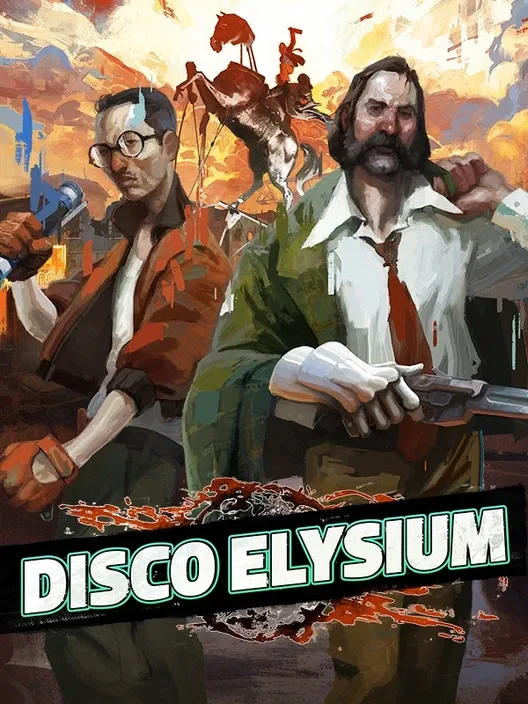
ZA/UM released Disco Elysium in October 2019, a role-playing game with no combat in the usual sense, in which a detective with amnesia investigates a murder in the district of Martinaise. The skill system turns parts of the protagonist's own mind, such as Logic, Empathy and Electrochemistry, into voices that argue, joke and lie, and the writing is dense with political satire and dark comedy. It won four awards at The Game Awards 2019, including Best Independent Game, Best Narrative and Best Role Playing Game, and its Final Cut edition holds a Metacritic score of 97 on PC, among the highest of any game on the platform. On PC it plays naturally with a mouse and keyboard, since so much of it is reading, clicking and checking dice rolls. The caveat is that the sheer volume of text will not suit everyone, and the game asks for patience.
2. Half-Life#
Valve's debut, released in November 1998, is the game that taught first-person shooters to tell a story without leaving the player's eyes. Gordon Freeman's shift at the Black Mesa Research Facility goes wrong in the first act, and the rest unfolds as one continuous, scripted-but-unbroken experience: scientists cower, soldiers flank intelligently, and the alien world of Xen closes the journey. It earned a Metacritic score of 96 and more than fifty Game of the Year awards, and it launched both the Half-Life series and, through its mod tools, Counter-Strike and Team Fortress. The caveat is time: the enemy design and textures are dated, the platforming on Xen is widely disliked, and the game is best approached through a modern source port or the Steam version.
3. Half-Life 2#
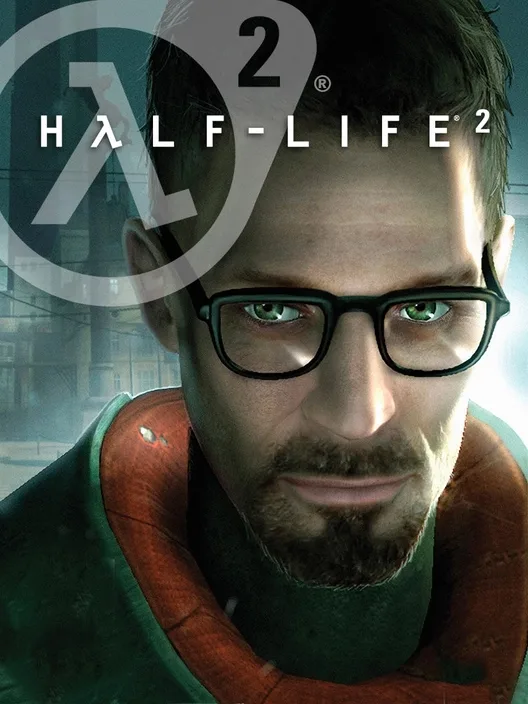
Valve released Half-Life 2 in November 2004, and it set the template for what a story-driven shooter could be. Gordon Freeman never speaks and the camera never leaves his eyes, so the invasion of City 17 unfolds without a single cutscene break. The Source engine brought convincing physics and facial animation, and the gravity gun turned ordinary objects into weapons and puzzle tools, an idea that reshaped how designers think about interaction. Set pieces such as Ravenholm, the coastline chase and the finale in the Citadel are pacing lessons that shooters still copy. Its Metacritic score of 96 and a haul of Game of the Year awards from many outlets reflect how complete it felt at release. The caveat is age: the vehicle sections run long, some environments repeat, and it ends on a cliffhanger that its episodic follow-ups never fully resolved.
4. Baldur's Gate III#
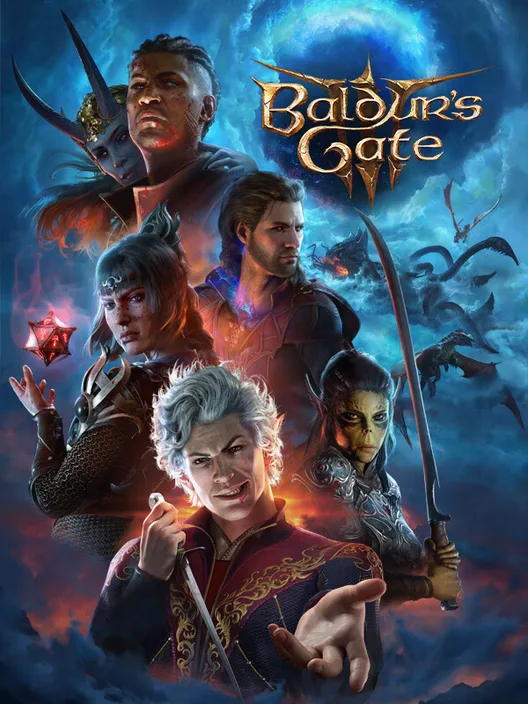
Larian Studios released Baldur's Gate III in August 2023 after a long early-access period, adapting Dungeons & Dragons fifth edition into a reactive story that remembers almost every choice. Companions such as Shadowheart, Astarion and Karlach are written and performed with real depth, and one encounter can be solved by stealth, persuasion, spells, explosive barrels or a shove off a ledge. The game won Game of the Year at The Game Awards 2023, part of a night that also included Best Role Playing Game and Best Performance, and it holds a Metacritic score of 96. It is widely credited with bringing turn-based computer role-playing to a mass audience. It launched on PC first, and the interface, quick save and mod-friendly structure suit a mouse and keyboard well. The caveat is that the third act is less polished than the first two, with bugs and rushed endings for some characters, and the sheer number of systems can overwhelm newcomers.
5. BioShock#
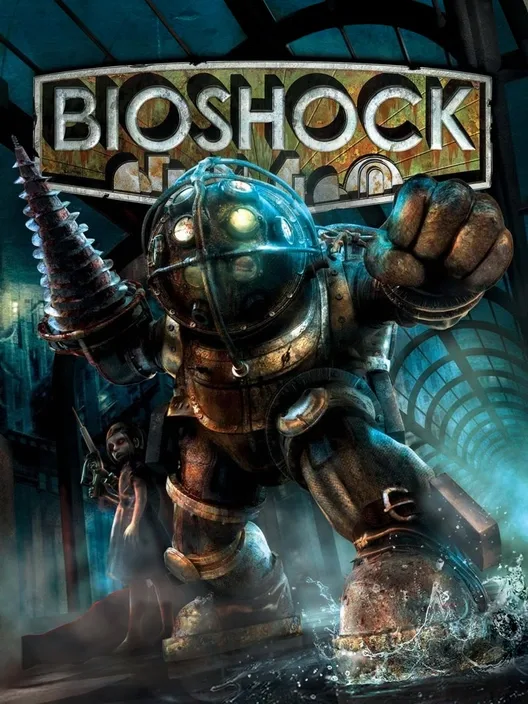
Irrational Games released BioShock in August 2007, sending a plane-crash survivor into Rapture, an art deco underwater city that collapsed under its own libertarian ideals. Andrew Ryan's radio broadcasts, the audio diaries scattered through the ruins and the Big Daddy and Little Sister dynamic tell a story through environment as much as dialogue, and the plasmid system lets the player mix gun and magic. The mid-game reveal, framed around the phrase "would you kindly", remains one of the most discussed twists in the medium. The PC version holds a Metacritic score of 96, and many outlets named it among the best games of its year. The caveat is that the last third loses momentum, the shooting is serviceable rather than special, and the moral choice on the Little Sisters is less consequential than it first appears.
6. Baldur's Gate II: Shadows of Amn#
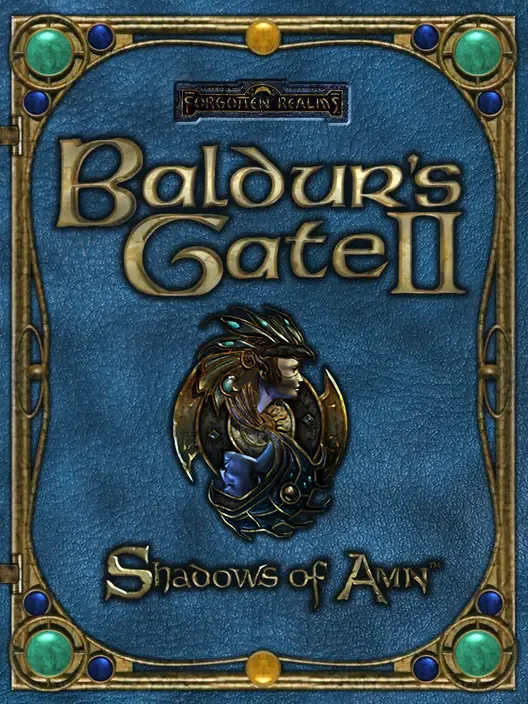
BioWare released Baldur's Gate II: Shadows of Amn in September 2000, publishing through Interplay, and it became the benchmark by which computer role-playing games were judged for a generation. Built on the Infinity Engine and the Dungeons & Dragons second-edition rules, it lets a single character grow from level one to a demigod-like power across a sprawling story of stolen souls and a rival named Jon Irenicus. Companions such as Minsc and his hamster Boo, Jaheira and Imoen are written with humor and pathos, and the romance and banter systems were unusually ambitious for their time. Its Metacritic score of 95 is among the highest of any PC game. Pausable real-time combat suits a mouse-driven interface. The caveat is age: the isometric graphics are dated, the rules are dense and unfriendly to newcomers, and the original release has been largely superseded by Enhanced Edition updates.
7. Portal 2#
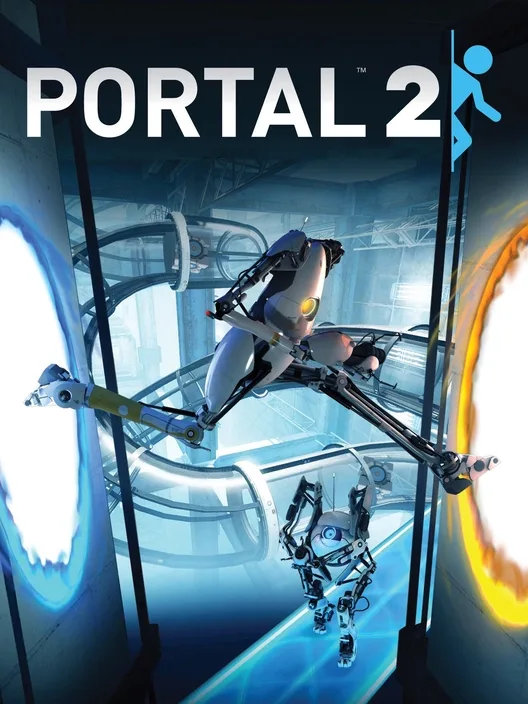
Valve released Portal 2 in April 2011, expanding a short experimental puzzler into a full-length campaign with a script sharper than most sitcoms. The portal gun still asks for nothing more than thinking with spatial logic, while new gels that make surfaces bouncy, fast or portal-friendly add layers to every chamber. GLaDOS returns alongside Wheatley, voiced by Stephen Merchant, and J. K. Simmons supplies Cave Johnson, so the humor carries as much weight as the puzzle design. It holds a Metacritic score of 95 and earned a stack of year-end awards. The dedicated co-op campaign, built for two players and their portal guns each, is often considered as good as the solo game. The caveat is difficulty: the puzzles are more forgiving than the original's later chambers, and an experienced player may finish the story in a single evening.
8. Quake#
id Software released Quake in June 1996, and it changed the shooter in two ways: fully polygonal 3D worlds and fast, internet-ready multiplayer. Levels twist around the player on all axes, the Lovecraftian art direction and Trent Reznor's industrial score set an oppressive tone, and the Nail Gun and Rocket Launcher are still models of weapon feel. The community's response is as important as the game: QuakeWorld's netcode, clan play and mods such as Team Fortress helped invent online competitive gaming. Its Metacritic score is 94. The caveat is that the campaign is short on story and its brown palette and blocky models are firmly of their time, so most players are better served by the modern re-release with its updated engine.
9. The Elder Scrolls V: Skyrim#
Bethesda Game Studios released Skyrim in November 2011, and it turned the open-world fantasy role-playing game into a mainstream phenomenon. The player arrives in the northern province as a prisoner, discovers they are Dragonborn and is free to ignore the main quest for a hundred hours of guilds, caves and dragon fights. It holds a Metacritic score of 94 and won Game of the Year at the 2011 Spike Video Game Awards. On PC its true legacy is the modding scene, with community projects that overhaul visuals, quests and whole systems and keep the game current more than a decade on. The caveat is that combat is shallow, dungeons repeat their layouts, the writing rarely matches its scale, and the unmodded game is notorious for bugs.
10. Elden Ring#
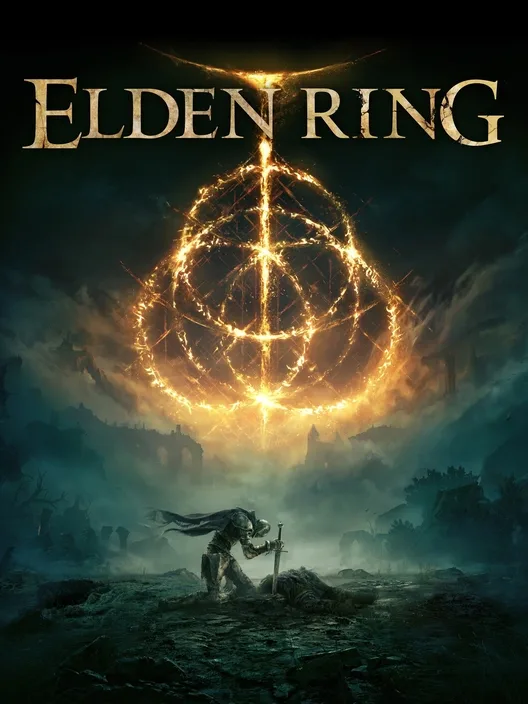
FromSoftware and Bandai Namco released Elden Ring in February 2022, with world-building input from author George R. R. Martin. The studio's exacting combat and hidden lore met a genuinely open world, the Lands Between, where the player can ride Torrent to almost any horizon and skip a boss that is too hard in favor of a different region. Legacy dungeons such as Stormveil Castle carry the density of earlier Dark Souls levels, while Spirit Ashes and a wide range of builds make the difficulty more adjustable than ever. It won Game of the Year at The Game Awards 2022 along with awards for game direction, art direction and role-playing. The caveat on PC is specific: the launch was marked by stutter and shader-compilation hitches, and the game caps its frame rate, so performance depends heavily on hardware. Late-game difficulty spikes and opaque quest design also remain.
11. Sid Meier's Civilization IV#
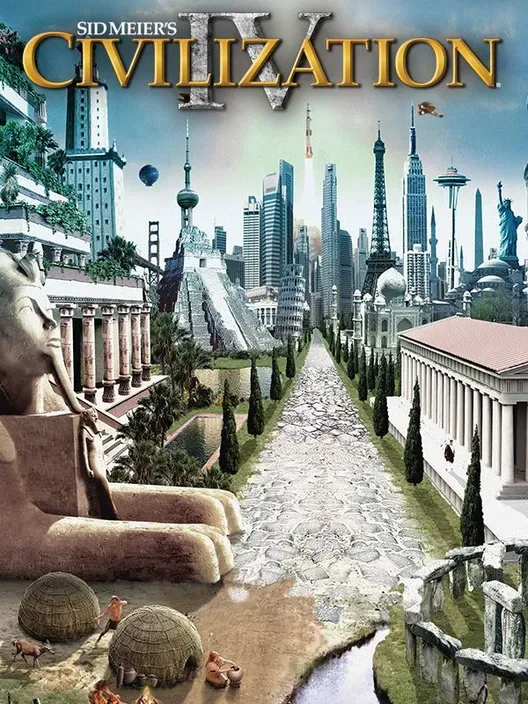
Firaxis Games released Sid Meier's Civilization IV in October 2005, and many longtime fans consider it the strongest single entry in the series. It introduced a fully three-dimensional map, religion, great people and a systems-rich approach to diplomacy, and it was designed to be modded, with Python scripting and XML that led to community-made scenarios and total conversions. Its opening theme, "Baba Yetu", became the first video game song to win a Grammy Award. It holds a Metacritic score of 94, among the highest for a strategy game. The caveat is that its graphics and interface are of the mid-2000s, and its late-game turns can grind on, as in all games of the series.
12. Grim Fandango#
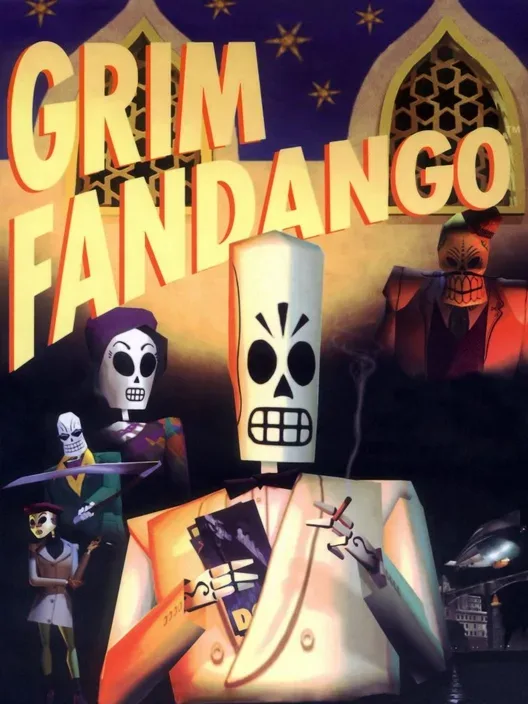
LucasArts released Grim Fandango in October 1998, the last great adventure game of its era. Designer Tim Schafer set a film noir story in the Land of the Dead, where the salesman Manny Calavera escorts souls on their four-year journey to eternal rest, and combined Aztec mythology with the style of Mexican folk art. Its voice acting, writing and jazz-influenced soundtrack are memorable, and it holds a Metacritic score of 94. It was remastered in 2015. The caveat is that its original tank controls are awkward, some puzzle logic is obscure, and commercial disappointment at release helped end the classic adventure genre.
13. Mass Effect 2#
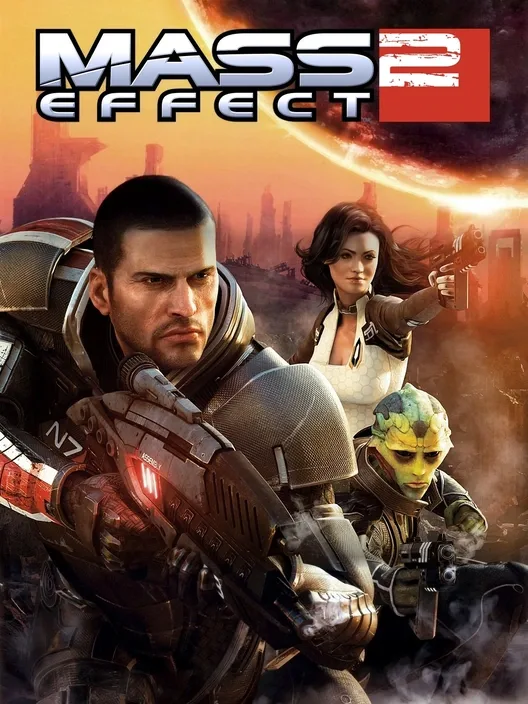
BioWare released Mass Effect 2 in January 2010, and it is the game most fans and critics name as the high point of the trilogy. Commander Shepard assembles a crew for a suicide mission through the Collector-held Omega 4 relay, and the loyalty missions give each squad member, from Mordin to Garrus and Thane, a story worth playing for its own sake. The finale makes every earlier decision matter, since crew members can survive or die depending on preparation. The PC version holds a Metacritic score of 94. The caveat is that it streamlined the role-playing systems of the first game, so inventory, planet scanning and combat are simpler than in the original, and its main plot is thinner than its character work.
14. Hades II#
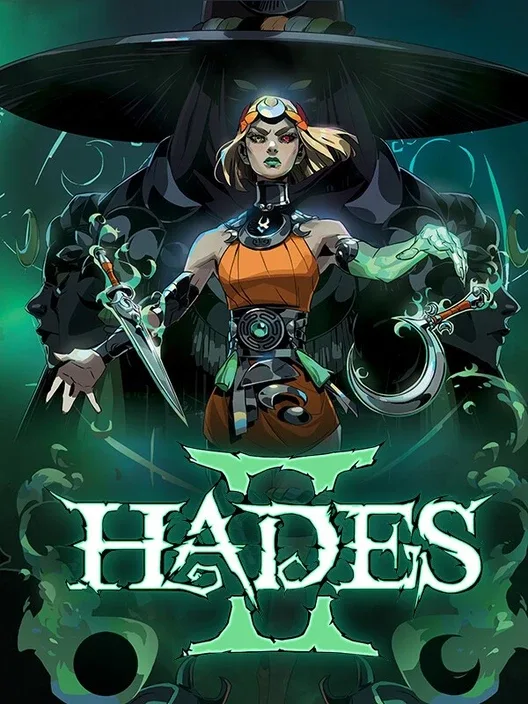
Supergiant Games released Hades II into early access in May 2024 and launched version 1.0 in September 2025. Melinoë, the witch princess of the Underworld, fights her way up to Mount Olympus to reach the Titan Chronos, and the sequel adds spellcasting, a wider set of weapons and a crafting layer to the loop of its predecessor. Critics rated it as highly as the original: the PC version holds a Metacritic score of 94. The soundtrack, art and voice cast keep the studio's usual standard. The caveat is that it builds on rather than reinvents the formula, so players who tired of the first game will find few surprises, and the crafting and resource gathering add busywork between runs.
15. The Witcher 3: Wild Hunt#
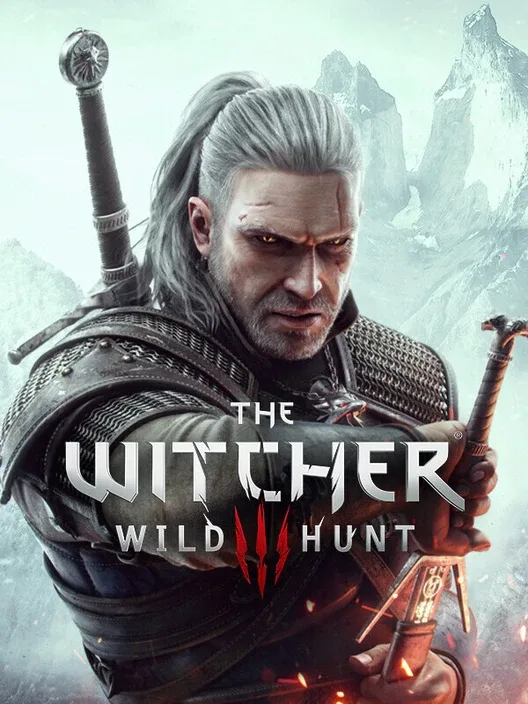
CD Projekt Red released The Witcher 3: Wild Hunt in May 2015, and its side quests set a standard for the genre. Errands such as the Bloody Baron storyline in Velen turn a search for a missing family into a morally tangled tragedy with consequences that surface hours later. Geralt's monster contracts, the Gwent card game and the Blood and Wine expansion, which shifts the tone to a fairy-tale Toussaint, all add variety. The game won Game of the Year at The Game Awards 2015 and remains a reference point for open-world writing. On PC it scales from modest hardware to high-end machines, and a large modding scene keeps it fresh. The caveat is a combat system that feels loose compared to action-focused rivals, an inventory that overflows with loot, and a main story whose final act is less memorable than the best of its side content.
16. Minecraft#
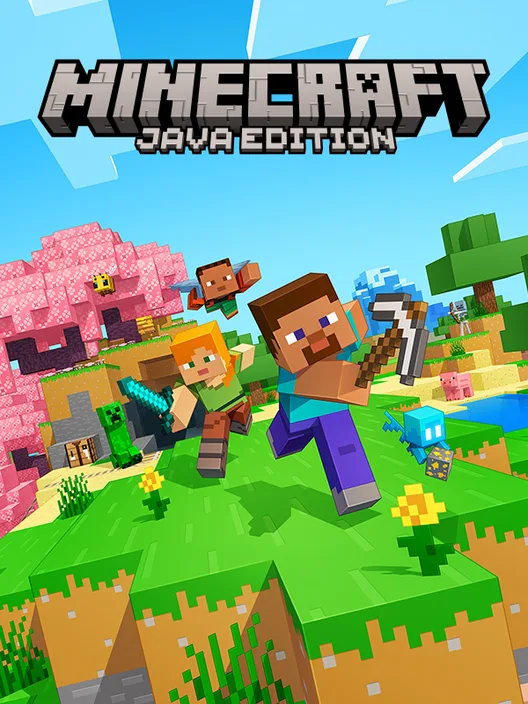
Mojang released Minecraft in November 2011 after a long alpha and beta period, and the Java Edition remains the version that defines it on PC. The player mines resources, builds structures and survives the night in a procedurally generated world made of blocks, and the game gives almost no instruction, so creativity and curiosity are the only drivers. It holds a Metacritic score of 93, and it became the best-selling video game of all time. The Java Edition's huge library of mods, servers and resource packs gives it a life that no console version matches. The caveat is that the goals are self-directed, which can feel aimless, and the survival mode has a slow first hour.
17. World of Warcraft#
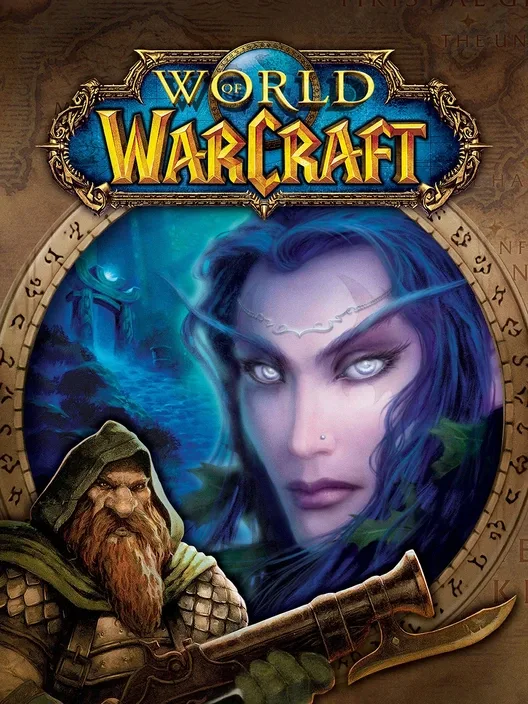
Blizzard Entertainment released World of Warcraft in November 2004, and it made the massively multiplayer online role-playing game a mainstream medium. Its quest-driven leveling, polished interface and the shared world of Azeroth made a genre that had been hardcore accessible, and its dungeons and raids created a template that most successors copied. It holds a Metacritic score of 93, and its expansions, such as Wrath of the Lich King, are also rated highly. The caveat is that the subscription fee it has always carried, the grind of endgame gear and the changes in the game over twenty years mean that the experience critics praised in 2004 no longer exists as such, and the commitment of time can be substantial.
18. StarCraft II: Wings of Liberty#
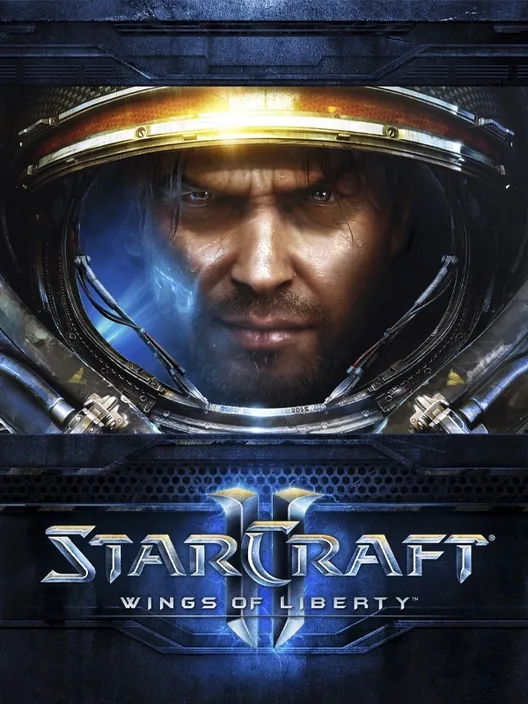
Blizzard Entertainment released StarCraft II: Wings of Liberty in July 2010, returning to the real-time strategy formula it had perfected in the original. Three asymmetric factions, the Terrans, Zerg and Protoss, are balanced through years of patches, and the multiplayer ladder became a worldwide esport with professional leagues in South Korea and beyond. The single-player campaign, with the mercenary Jim Raynor and missions built around unique objectives rather than plain base building, is a highlight in its own right. The Metacritic score is 93. The game is an example of a genre that thrives on precise mouse and keyboard control, since quick hotkeys and camera jumps reward practice. The caveat is that the multiplayer learning curve is steep and unforgiving for newcomers, and the story ends without a resolution, since the remaining chapters were sold separately in later expansions.
19. Red Dead Redemption 2#
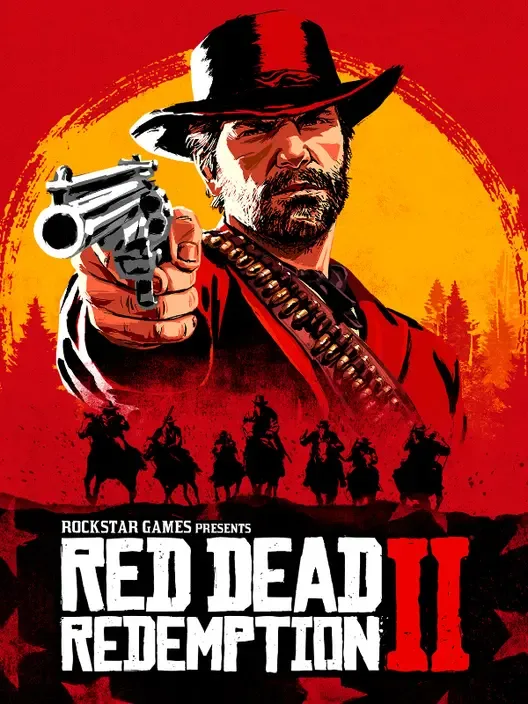
Rockstar Games released Red Dead Redemption 2 on consoles in October 2018 and on PC in November 2019, following Arthur Morgan and the Van der Linde gang through the collapse of the Old West. Rockstar North and its sister studios spent years on details that make the world feel lived in: horses with bonded temperaments, camp conversations that shift with the story, and wildlife that reacts to weather and hunting. The PC version holds a Metacritic score of 93, and the game was named among the best of its year by a long list of outlets. Arthur's arc, told across a slow-burning campaign that builds to a devastating final act, is often described as one of the finest character studies in games. The PC port adds higher fidelity and flexible graphics settings. The caveat is pace and control: deliberate animations, heavy inventory management and tightly scripted missions can feel restrictive next to the freedom of the world.
20. Hades#
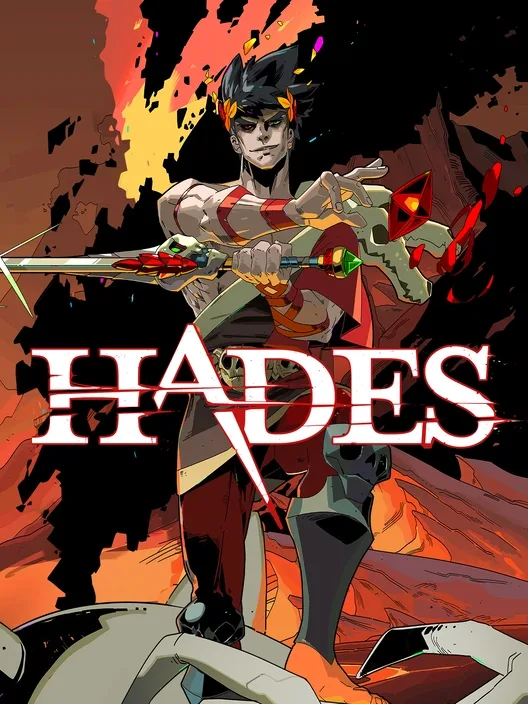
Supergiant Games released Hades in September 2020 after an early-access period that began in December 2018, and it turned the roguelike into a story-driven genre. Zagreus, the son of the god of the dead, tries to escape the Underworld, and each death returns him to the House of Hades with more dialogue, relationships and upgrades. Combat is fast, readable and built around weapon aspects and boons granted by Olympian gods, so no two runs feel the same. Reviewers gave it a Metacritic score of 93, and it won several categories at The Game Awards 2020, including Best Independent Game and Best Action Game. It plays well on a mouse and keyboard and equally well on a controller. The caveat is that the story unfolds slowly across many runs, which frustrates players who want a straightforward campaign, and its late-game heat challenges can feel like repetition.
21. Divinity: Original Sin II#
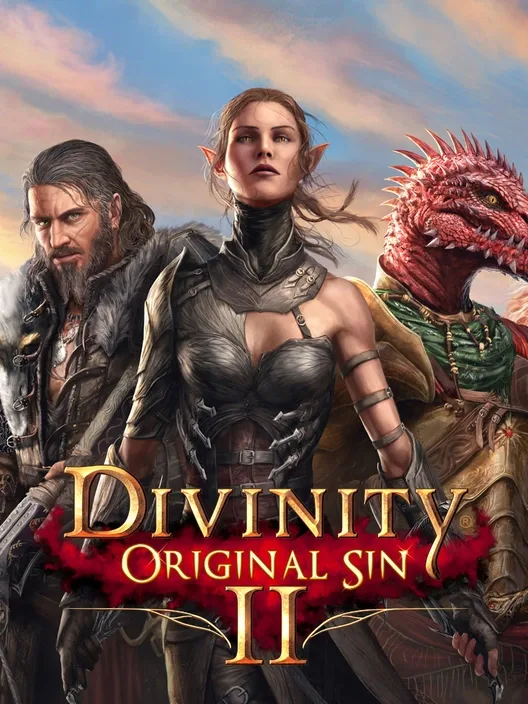
Larian Studios released Divinity: Original Sin II in September 2017, and it is the turn-based role-playing game that prepared the ground for Baldur's Gate III. Its systems are its strength: elemental surfaces that can be set on fire, electrified or frozen, teleportation and environmental tricks, and a design in which almost any obstacle can be solved by more than one route. Up to four players can share a campaign in co-op, and the Game Master mode lets a friend build custom adventures. It holds a Metacritic score of 93 and earned Role-Playing Game of the Year awards from several outlets. The caveat is that the final act loses focus and the main story is less gripping than its companion stories, and that combat can bog down in long turns.
22. Company of Heroes#
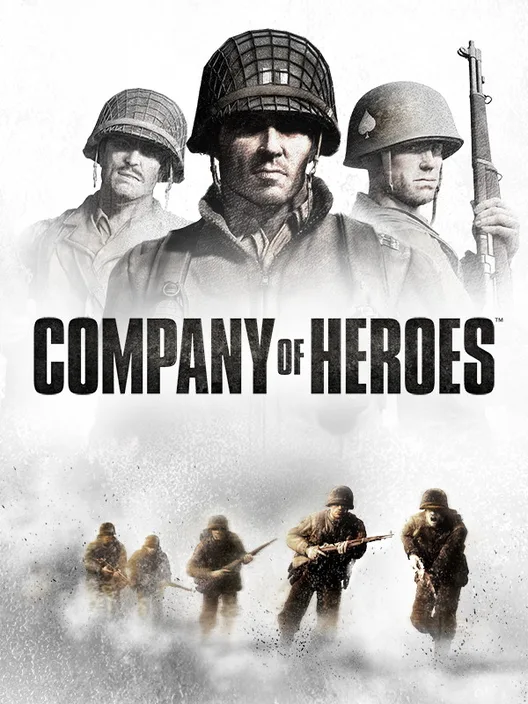
Relic Entertainment released Company of Heroes in September 2006, and it reinvented real-time strategy for the Second World War. Squads take cover behind walls and hedgerows, suppression pins down infantry, and the terrain is destructible, so a tank shell can turn a farmhouse into rubble and reshape the battle. The strategy is built around capturing points for income rather than harvesting resources, which keeps fights near the front line. It holds a Metacritic score of 93, and it is still cited as a benchmark for tactical real-time strategy. The caveat is that the campaign is scripted and short, and the multiplayer mode is less approachable than the campaign suggests.
23. System Shock 2#
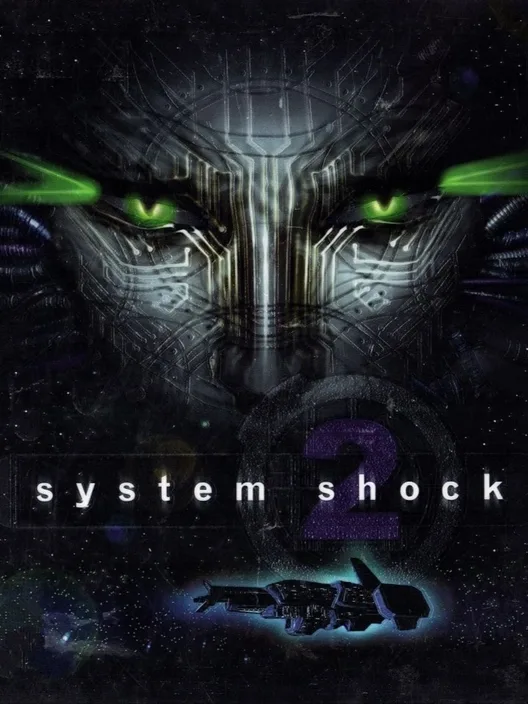
Looking Glass Studios and Irrational Games released System Shock 2 in August 1999, and it is the reference point for atmospheric survival horror in a first-person role-playing game. The player wakes aboard the starship Von Braun, overrun by a hive of mutated crew, guided by the voice of Dr. Polito and later confronted by the artificial intelligence SHODAN. Ammunition is scarce, hacking and psionics compete with heavy weapons for skill points, and audio logs tell the story of the ship. It holds a Metacritic score of 92, and it is the direct ancestor of BioShock and Dead Space. The caveat is that the shooting and inventory are clumsy by modern standards, weapons degrade quickly and a poor early skill choice can leave a new character underpowered.
24. Warcraft III: Reign of Chaos#
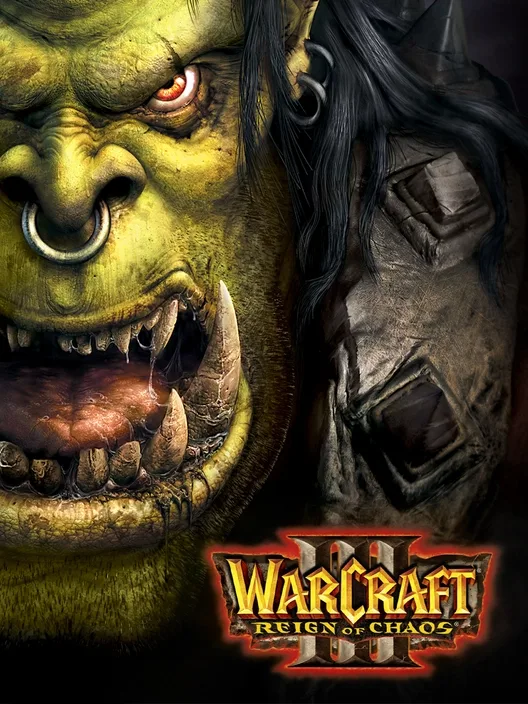
Blizzard Entertainment released Warcraft III: Reign of Chaos in July 2002, and it combined real-time strategy with role-playing elements. Heroes gain experience, carry items and learn spells, so a small force can turn a battle, and the four races, Humans, Orcs, Undead and Night Elves, each play differently. The campaign, following Arthas and his fall to darkness, is one of the most quoted stories in the genre, and the game holds a Metacritic score of 92. Its World Editor also spawned Defense of the Ancients, the mod that led to the whole MOBA genre and to Dota 2. It rewards fast mouse and keyboard control. The caveat is that the base game's graphics have aged, the 2020 Reforged remaster was poorly received and is not the version critics remember, and the pace of matches is unforgiving to newcomers.
25. Team Fortress 2#
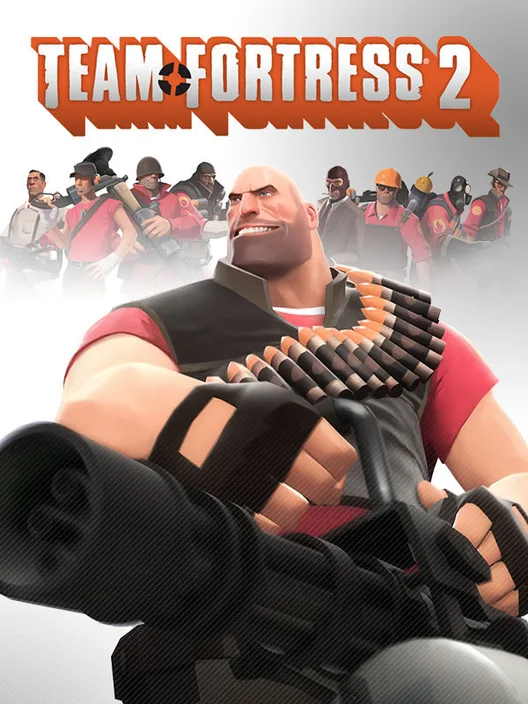
Valve released Team Fortress 2 in October 2007, and its nine-class, two-team format anticipated the hero shooter years before that term existed. Each class has a distinct role, from the Scout to the Medic, and the stylized cartoon art, the "Meet the Team" videos and a wave of community-made hats and items gave it a personality that few shooters have matched. It holds a Metacritic score of 92 on PC and became free to play in 2011. The caveat is that it is nearly two decades old, bots have plagued its public servers and updates have been sparse.
26. Age of Empires II: Definitive Edition#
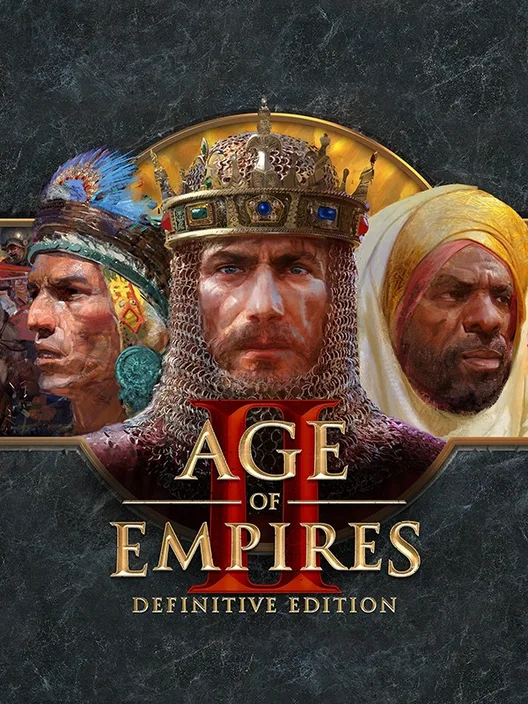
Ensemble Studios released Age of Empires II: The Age of Kings in 1999, and Forgotten Empires, Tantalus Media and Xbox Game Studios released the Definitive Edition in November 2019 with remastered 4K visuals, new campaigns and added civilizations. The original earned a Metacritic score of 92. Players guide an empire from the Dark Age to the Imperial Age, balancing villagers, resources, castles and armies of knights, archers and siege engines, and the civilization-specific bonuses keep matches varied. The campaigns on William Wallace, Joan of Arc and Saladin blend history with lightweight drama. Its active multiplayer scene has kept it alive for over twenty years. The caveat is that the core design is old, the economy asks for a lot of early micromanagement, and the artificial intelligence and pathfinding still show their age.
27. Planescape: Torment#
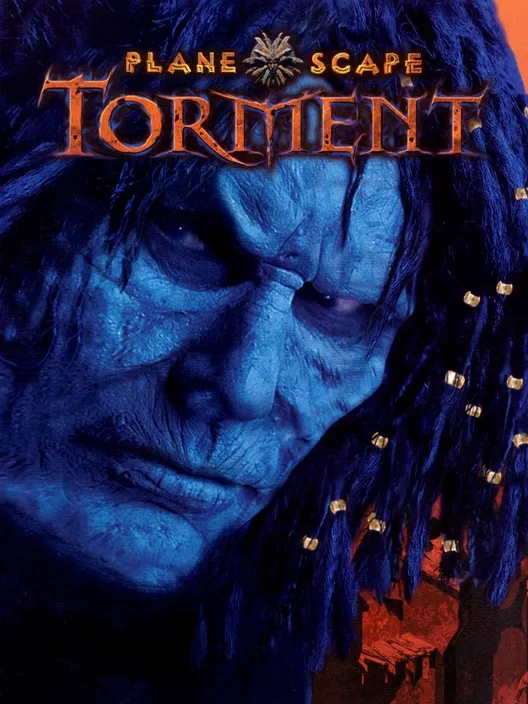
Black Isle Studios and Interplay released Planescape: Torment in December 1999, using the Infinity Engine to tell a story about identity and regret in the city of Sigil. The player is the Nameless One, an immortal amnesiac who has died many times, and the game is defined by its writing: dialogue trees are novel-length, companions such as Morte and Dak'kon have dark histories to unpack, and the central question, "What can change the nature of a man?", is answered by the player's choices rather than combat. It holds a Metacritic score of 91 and is frequently listed among the best-written games ever made. An Enhanced Edition arrived in 2017. The caveat is that combat and the interface are weak, and the amount of reading is enormous, so it suits patient players.
28. Dishonored#
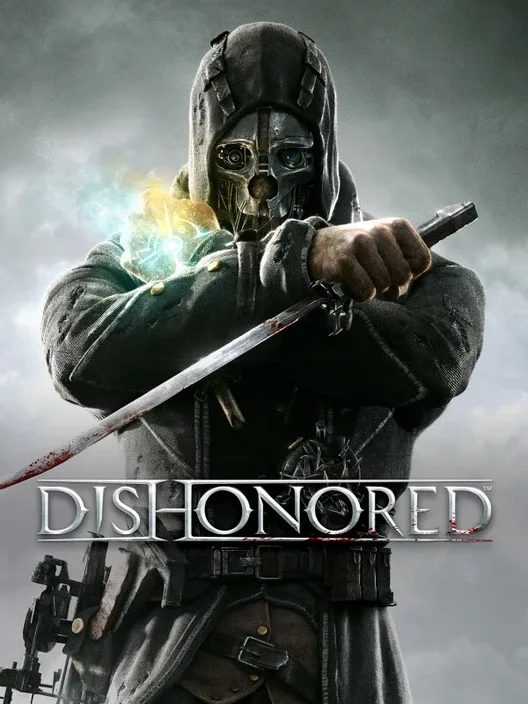
Arkane Studios released Dishonored in October 2012, an immersive sim in the tradition of Thief and Deus Ex. As the bodyguard Corvo Attano, framed for the murder of an empress, the player moves through the plague-ridden city of Dunwall using supernatural powers such as Blink and Possession, and can finish nearly every mission with lethal force, stealth or a mixture. The world's whale-oil steampunk art direction is distinctive, and it holds a Metacritic score of 91 on PC. Its sequel and Death of the Outsider extended the formula. The caveat is that the campaign is short, the story is straightforward and the "chaos" system can push players toward a particular style of play.
29. Crusader Kings III#
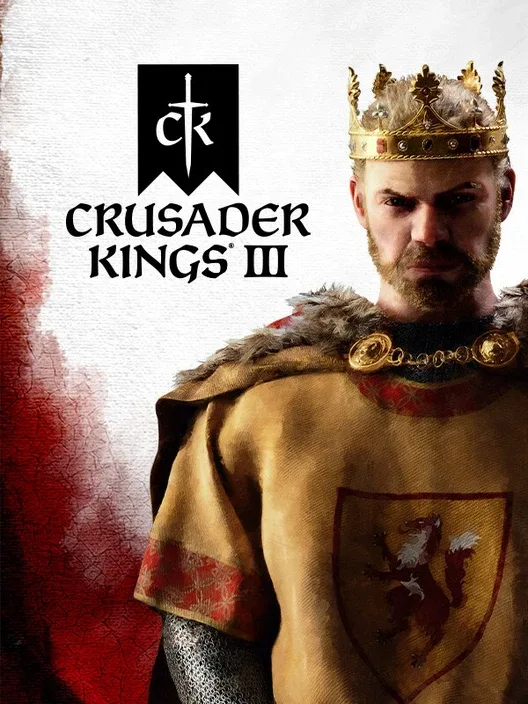
Paradox Development Studio released Crusader Kings III in September 2020, a grand strategy game where the player rules a dynasty rather than a nation. Characters have traits, ambitions and grudges, so a war of succession or a murdered brother can grow into a story that no script would have produced. Marriage, faith, intrigue and inheritance systems interact with each other, and the character-focused interface is easier to read than the series' earlier titles. It holds a Metacritic score of 91 and has received a steady stream of expansions and a large mod community. It is a game built for mouse and keyboard, where information-heavy screens and tooltips matter. The caveat is that even with a better tutorial the learning curve is high, and the game rewards patience rather than quick decisions.
30. Deus Ex#
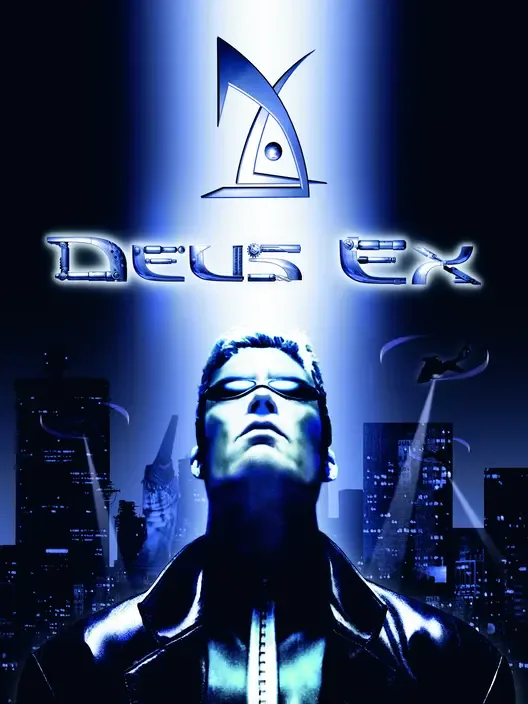
Ion Storm and Eidos Interactive released Deus Ex in June 2000, designed by Warren Spector. It blended first-person shooting, stealth and role-playing in a conspiracy thriller in which agent JC Denton uncovers the plots of secret societies. Levels such as the Statue of Liberty and Hong Kong can be approached by force, hacking, stealth or conversation, and the game reacts to each approach, an idea that immersive sims have chased ever since. It holds a Metacritic score of 90, won Game of the Year honors from many outlets and appears on countless all-time lists. Its influence on Dishonored, Prey and later series is easy to trace. The caveat is age: the graphics, clunky shooting and stiff voice acting are difficult to overlook today, and the Human Revolution and Mankind Divided sequels, though good, do not match the original's freedom.
31. Doom#
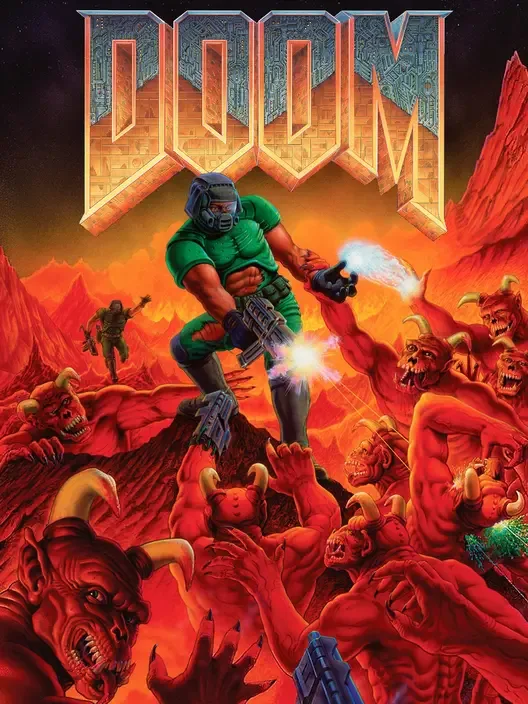
id Software released Doom in December 1993 as shareware for DOS, and it did more than any other game to define the first-person shooter. Its fast movement, its brilliantly paced levels and its arsenal, from the shotgun to the BFG 9000, are still the reference for shooters that prize speed, and the ability to play four-person deathmatch over a network introduced a term the medium still uses. Just as important, id published its map format, so an enormous community has been building levels and total conversions for decades. It routinely appears among the most influential games ever made in critics' retrospectives. The caveat is that it is a game of its time: levels are mazes of colored keys, enemies can pile up, and modern players are better off with a source port that adds mouselook and modern resolutions.
32. Portal#
Valve released Portal in October 2007 as part of The Orange Box, and it grew from a student project, Narbacular Drop, into one of the most influential puzzle games. The player uses a portal gun to link two points in space through walls and floors, carrying momentum from one to the other, and the test chambers of Aperture Science are narrated by the darkly funny voice of GLaDOS. The closing song, "Still Alive", became a cultural moment. Its standalone Metacritic score is 90, and the Orange Box holds 96. The caveat is length: it can be finished in about three hours, and it has fewer mechanics than its sequel.
33. Factorio#
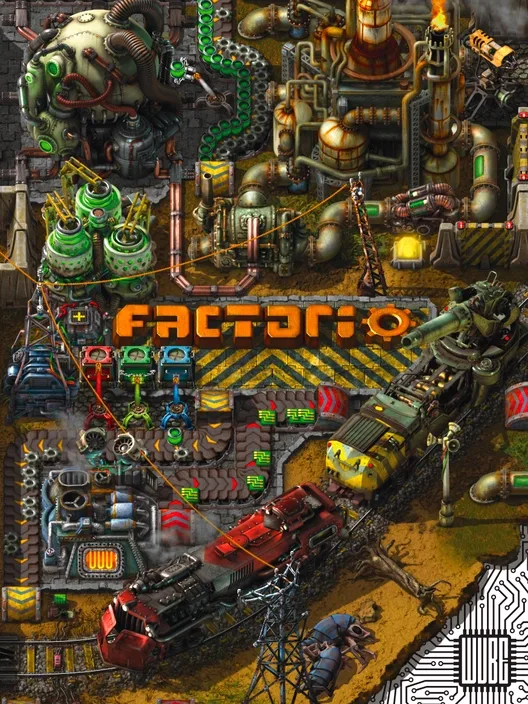
Wube Software released Factorio in August 2020 after several years in early access, and it distilled a whole genre of automation into a single obsession. The player crash-lands on an alien planet and builds mining, smelting and assembly lines that grow from hand-fed furnaces to sprawling networks of belts, trains and robots, all while fending off native creatures that attack the pollution. It holds a Metacritic score of 90. Its optimization is famously good, so huge factories run smoothly, and the modding scene extends the game further. The game is naturally tied to a mouse and keyboard, since precision placement and blueprints depend on them. The caveat is that it consumes time without mercy, the learning curve is steep, and the combat and enemy pressure feel secondary to the building.
34. Balatro#
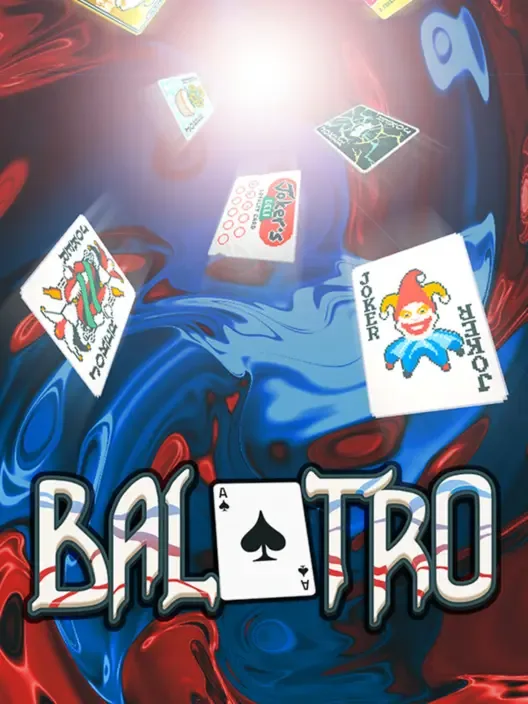
LocalThunk released Balatro in February 2024, published by Playstack, and it combines poker hands with roguelike deck-building in a package whose core idea can be explained in a sentence and take dozens of hours to master. The player builds a run with jokers that multiply score and bend the rules of poker, and the escalating targets create the sensation of building an absurd machine. It holds a Metacritic score of 90 on PC and won Best Independent Game, Best Debut Indie and Best Mobile Game at The Game Awards 2024. The caveat is that the runs can feel repetitive after many hours, the visual style is minimal and the luck-driven runs can frustrate on a bad streak.
35. XCOM: Enemy Unknown#
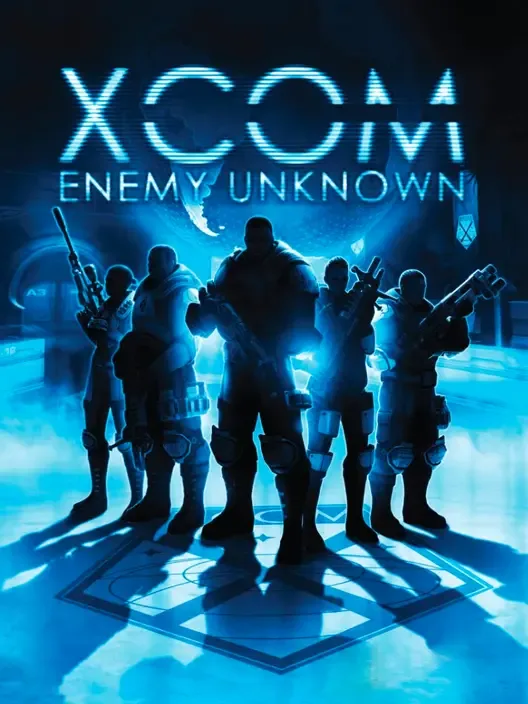
Firaxis Games released XCOM: Enemy Unknown in October 2012, a modern remake of Microprose's 1994 classic that proved turn-based tactics could reach a mainstream audience. A small squad of soldiers defends Earth from an alien invasion, and the tension comes from the risk of each shot, the permanent loss of soldiers who gain names and personalities, and the strategic layer of research and base management between missions. It holds a Metacritic score of 89 on PC. The sequel, XCOM 2, extended the formula with mods and a resistance theme. The caveat is that the listed hit chances can feel cruel, missions repeat, and the game rewards conservative play, which can slow it down.
36. Slay the Spire#
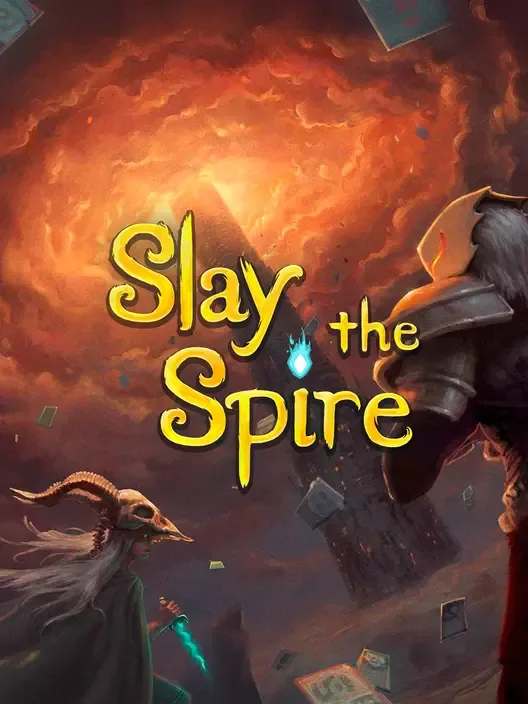
Mega Crit released Slay the Spire in January 2019 after more than a year in early access, and it defined the deck-building roguelike. The player picks a class, builds a deck of cards over a climb of three acts and fights a series of enemies whose intents are shown in advance, which turns each turn into a compact puzzle. It holds a Metacritic score of 89. Its blend of strategic depth and fast runs, along with Ascension difficulty levels, inspired a generation of imitators. The caveat is that the art is simple and the story minimal, and the random card rewards can end a run for reasons beyond the player's control.
37. Return of the Obra Dinn#
Lucas Pope released Return of the Obra Dinn in October 2018, and its 1-bit visual style and unusual mechanic set it apart from any other game. The player, an insurance investigator, boards a ship that has returned with its crew dead or missing and uses a magic pocket watch to see each person's last moments, then must deduce the name and fate of all sixty aboard. Its detective work rewards observation and inference rather than luck. It holds a Metacritic score of 89 on PC. The caveat is that the dither graphics can be hard on some eyes, and the deduction needs patience, as the game gives no guidance if a player is stuck.
38. Stardew Valley#
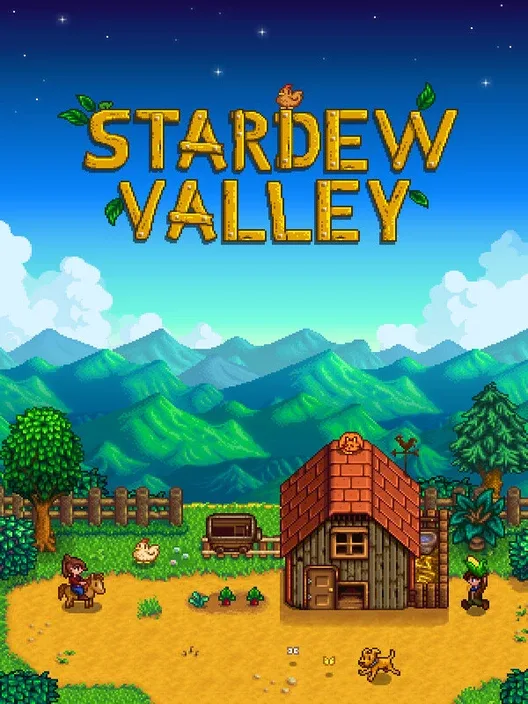
Eric Barone, working alone under the name ConcernedApe, released Stardew Valley in February 2016, and it became the reference point for cozy farming games. The player inherits a run-down farm and slowly builds it up while befriending villagers, fishing, mining and restoring the community center. The pixel art, the seasonal rhythm and a soundtrack by Barone himself make each in-game day feel gentle but purposeful, and a multiplayer mode added in 2018 lets friends farm together. Its strength is a loop that always offers one more small goal, and mods add more content still. It runs on almost any PC and works well with either a controller or a mouse and keyboard. The caveat is that the early game is slow, the late game can run out of goals, and some relationships and events feel shallow next to the farming.
39. StarCraft#
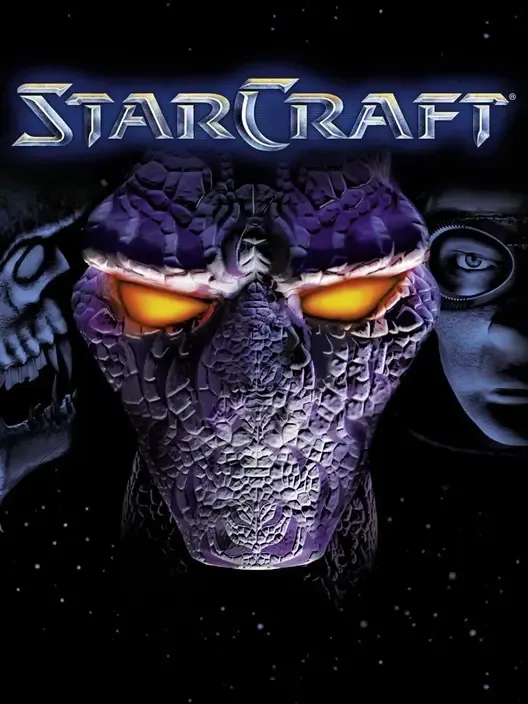
Blizzard Entertainment released StarCraft in March 1998, and its Brood War expansion followed in November of the same year. It established the Terran, Zerg and Protoss asymmetry that the series has built on ever since, and its campaign told a space opera about betrayal and manipulation with unusually strong mission design. In South Korea it became a national pastime, with professional leagues and televised matches that helped create modern esports. A Remastered edition in 2017 modernized the resolution and online play. The caveat is that the interface is of its era: unit selection is capped at twelve, and the multiplayer meta is unforgiving to those who did not grow up with it.
40. Counter-Strike#
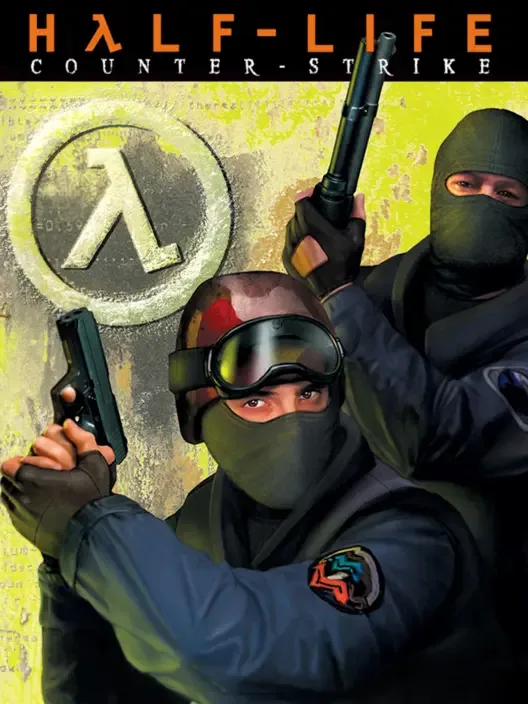
Counter-Strike began as a mod for Half-Life created by Minh Le and Jess Cliffe, and Valve released it as a standalone game in November 2000. Its round-based rules, in which terrorists plant a bomb and counter-terrorists defuse it, and in which dying means waiting until the next round, made every decision matter and created a template for tactical shooters. An economy that rewards saving money over one round to buy better weapons in the next, together with precise, learnable recoil patterns, gave competitive play a depth that has survived for more than two decades. The series went on to become one of the pillars of esports. The caveat is that the original's graphics and netcode are firmly dated, and the game is best played today through its successors, and that the community can be harsh toward beginners.
41. Diablo II#
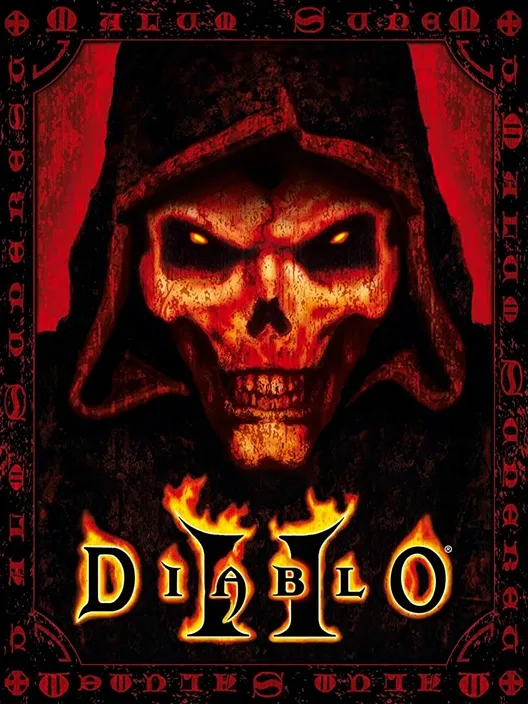
Blizzard North released Diablo II in June 2000, and it defined the action role-playing game. The player picks one of five classes and battles from the Rogue Encampment to Hell, collecting randomly generated weapons and armor in a loop that made loot the genre's currency. Battle.net gave it a durable online community, and the Lord of Destruction expansion added the Assassin and Druid. It holds a Metacritic score of 88, and the Diablo II: Resurrected remaster in 2021 restored it for modern machines. The caveat is that the pace of the leveling early on is slow, skill and stat points cannot be easily rebalanced, and its inventory management is fussy.
42. Sid Meier's Civilization VI#
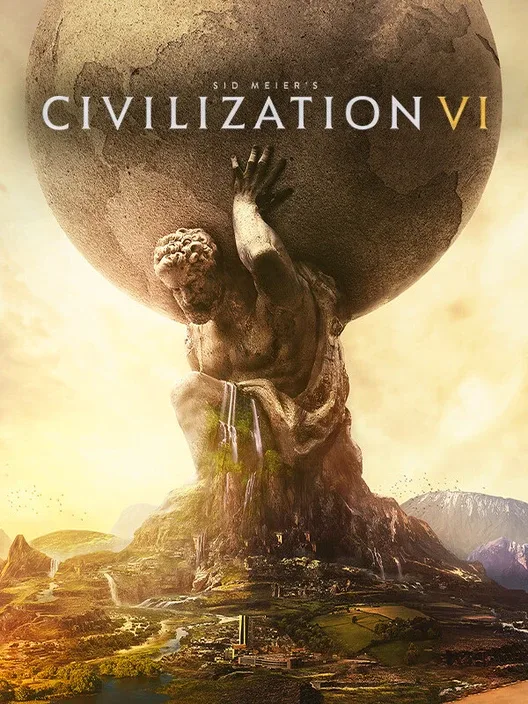
Firaxis Games and 2K released Sid Meier's Civilization VI in October 2016, and it is one of the most polished modern entries in the long-running turn-based strategy series. Cities now spread across the map through districts, so where a campus or holy site goes matters, and the Eureka and Inspiration system rewards playing in the direction the world suggests. Leaders such as Gandhi, Theodora and Gilgamesh have distinct agendas, which makes diplomacy feel more personal than in earlier games. Critics scored it around the high 80s, and a series of expansions, Rise and Fall and Gathering Storm among them, deepened the design. The interface is comfortable with a mouse, and the game supports mods. The caveat is that the artificial intelligence still plays weakly in the late game, and the sheer number of turns in a long match can turn into a chore.
43. Doom Eternal#
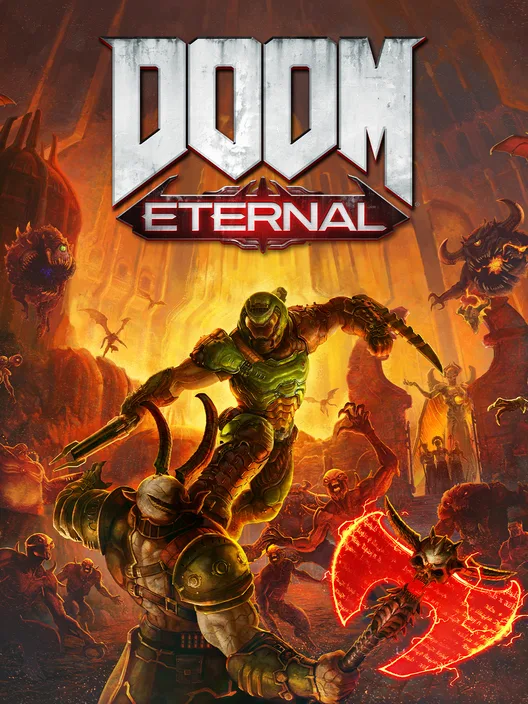
id Software released Doom Eternal in March 2020, a direct sequel to the 2016 reboot that raised the demand on the player. Combat became a resource puzzle: chainsaw kills produce ammo, flame belches produce armor and glory kills restore health, so the player must constantly switch tools while dodging demons. Its Metacritic score on PC is 88, and it was nominated for Game of the Year at The Game Awards 2020. The soundtrack by Mick Gordon and the fast, physical feel of the movement are in the tradition of the 1993 original. The caveat is that the pace is exhausting, the platforming sections are polarizing, and the story and lore are heavy on exposition.
44. Celeste#
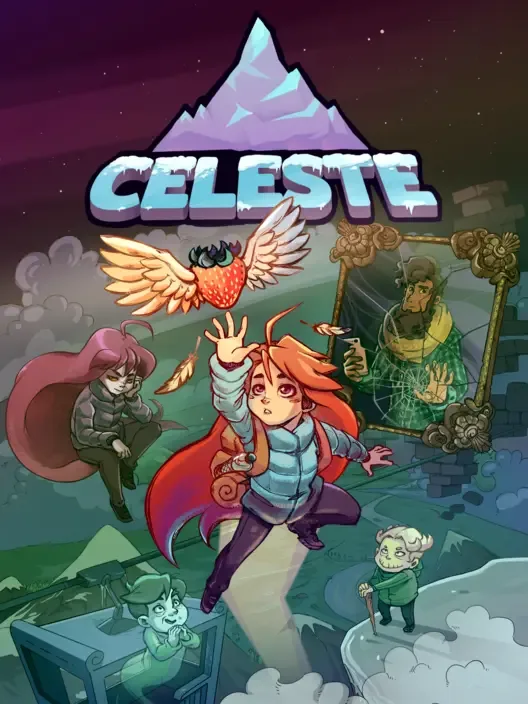
Maddy Thorson and Noel Berry's studio released Celeste in January 2018, and it turned a demanding precision platformer into a story about anxiety and self-acceptance. Madeline climbs a mountain, and the game's tight controls and chapters based on new ideas make each screen a small puzzle. It won Best Independent Game and Games for Impact at The Game Awards 2018, and holds a Metacritic score of 88 on PC. Assist Mode lets players slow the game down or grant extra dashes, which widened its audience without altering the standard difficulty. The caveat is that the hardest optional B-Side and C-Side levels are punishing, and the plot resolves in a way some players find heavy-handed.
45. Hollow Knight#
Team Cherry released Hollow Knight in February 2017, a hand-drawn action-adventure set in the sunken insect kingdom of Hallownest. The map is a huge, interconnected web of caves, cities and fungal wastes that opens gradually through new movement abilities, and the player must remember it, buy or find maps and place a limited number of charms to customize the Knight. Combat is precise and demanding, with bosses such as the Mantis Lords and the Radiance that reward pattern learning. The score by Christopher Larkin and the melancholy art direction give the world lasting atmosphere. It plays smoothly on a wide range of PC hardware and works best with a controller. The caveat is that the map can be confusing, the difficulty of some late bosses and platforming sections is steep, and it offers little guidance.
46. Cyberpunk 2077#
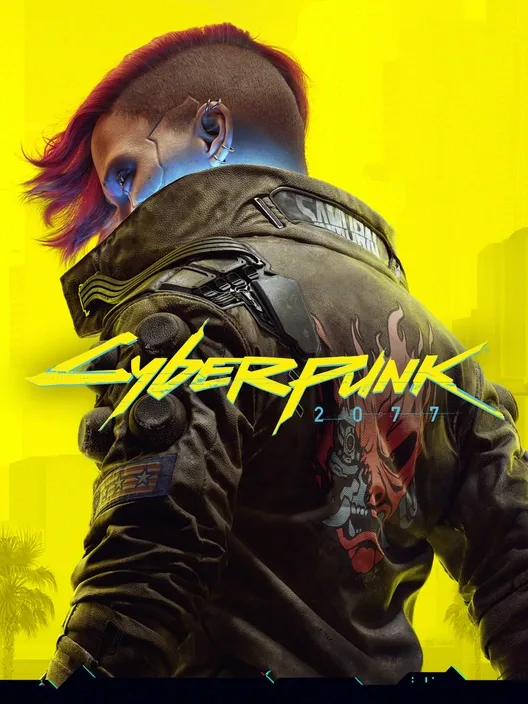
CD Projekt Red released Cyberpunk 2077 in December 2020, and its launch is remembered as one of the most troubled of the decade, with the game shipping full of bugs and missing features. Years of patches, culminating in Update 2.0 and the Phantom Liberty expansion in September 2023, turned it into the game the studio had promised. The base game holds a Metacritic score of 86 on PC, and the Phantom Liberty expansion holds 89. Night City is one of the most detailed urban settings in games, the story missions and the performances of Keanu Reeves and Idris Elba are strong, and the game is a showcase for PC graphics technology such as ray tracing. The caveat is that its systems are shallower than the pitch suggested, and the older reputation still shapes how it is discussed.
47. Outer Wilds#
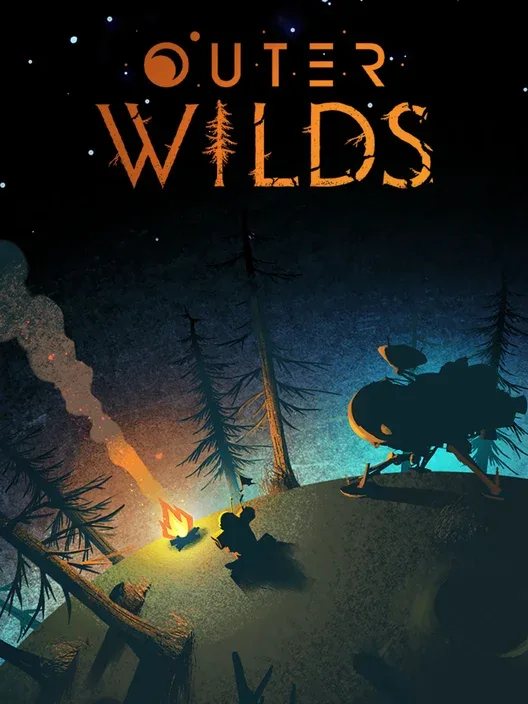
Mobius Digital released Outer Wilds in 2019, published by Annapurna Interactive, and it turned curiosity into the only progression system. The player is an astronaut in a small solar system that resets every twenty-two minutes when the sun goes supernova, and the only thing carried between loops is knowledge. Each planet, from the cyclone-swept Giant's Deep to the collapsing Brittle Hollow, hides a puzzle that ties into an ancient mystery about the vanished Nomai. It won the BAFTA Games Award for Best Game in 2020, and many critics consider it among the finest science fiction games ever made. The caveat is that flying the ship demands patience, the physics can be unforgiving, and players who dislike getting stuck without a clear objective may find it frustrating.
Taken together, these games show how broad PC's strengths are: precision genres such as real-time strategy, city building and grand strategy share the list with immersive sims, story-driven role-playing games, shooters that defined their genre and small independent projects. Consensus is also a snapshot that moves over time as new releases arrive and old classics are reassessed, so the order should be read as an informed opinion rather than a final verdict. The best next game is the one that suits a particular player, and each of these is a reliable place to start.
48. Cities: Skylines#
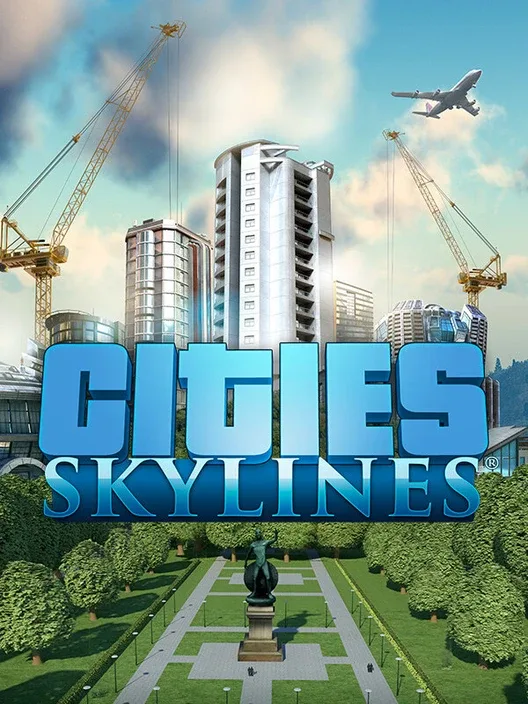
Colossal Order and Paradox Interactive released Cities: Skylines in March 2015, filling a gap left by a stagnating SimCity series with a detailed, open and moddable city builder. Players zone districts, lay out roads and public transport and manage services and budgets, and the traffic simulation makes road layout the central puzzle. The Steam Workshop, with tens of thousands of community-made assets and mods, extended the game in ways few builders match, and the game was widely praised as the definitive modern city builder. The caveat is that the traffic artificial intelligence has long been a weakness, and the amount of paid downloadable content can be overwhelming; the 2023 sequel had a troubled launch.
49. Fallout: New Vegas#
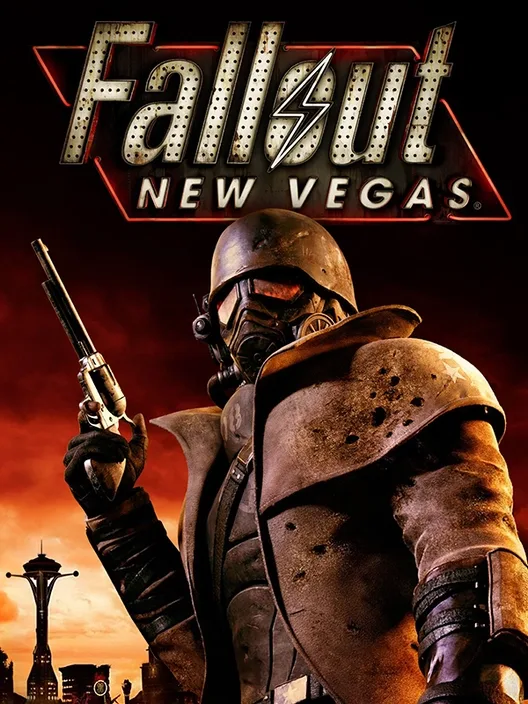
Obsidian Entertainment released Fallout: New Vegas in October 2010, developed in about eighteen months on Bethesda's engine. Set in the Mojave, it lets the player pick between the New California Republic, Caesar's Legion, Mr. House or independence in a story where factions, reputations and skills open and close paths, and its dialogue is more reactive than that of most rivals. It holds a Metacritic score of 84 on PC, lower than several rivals here, but its writing and reactivity keep it high in retrospectives of the series, and the mod community has kept it alive. The caveat is that it launched buggy, its combat feels dated and its graphics were unimpressive even in 2010.
50. S.T.A.L.K.E.R.: Shadow of Chernobyl#
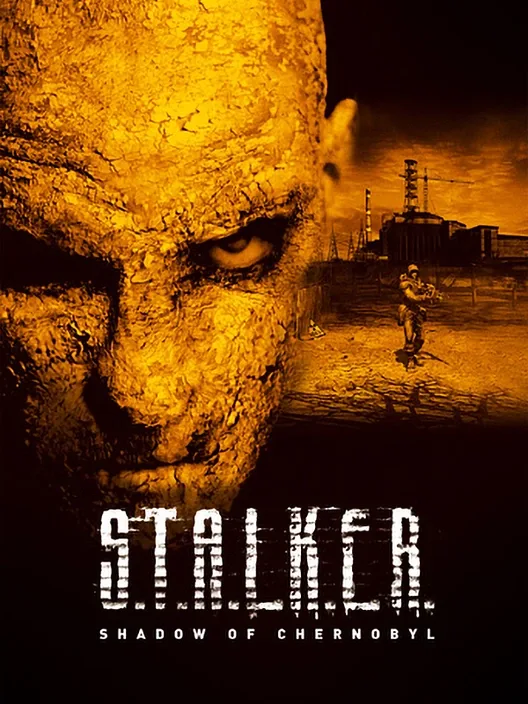
GSC Game World released S.T.A.L.K.E.R.: Shadow of Chernobyl in March 2007, an open-ended first-person shooter set in the irradiated Chernobyl Exclusion Zone. The player is a memory-less mercenary who moves between factions, scavenges anomalies for artifacts and survives with a limited supply of food and ammunition. Its bleak atmosphere, an emergent ecosystem in which monsters and rival stalkers act independently of the player, and a dense, hostile world made it a cult classic, and it spawned sequels and a long-running mod scene. The caveat is that its launch was very buggy, the balance is punishing and the game often needs community patches.